旋转珐琅戒指
CN → US| HS Code | Tariff Rate | Origin | Destination | Doc |
|---|---|---|---|---|
| 7117199000 | 28.5% | CN | US | Official Doc |
| 7117909000 | 28.5% | CN | US | Official Doc |
| 7113195025 | 23.0% | CN | US | Official Doc |
| 7113195091 | 15.5% | CN | US | Official Doc |
| 9503000073 | 10.0% | CN | US | Official Doc |
| 9503000071 | 10.0% | CN | US | Official Doc |
Product Images
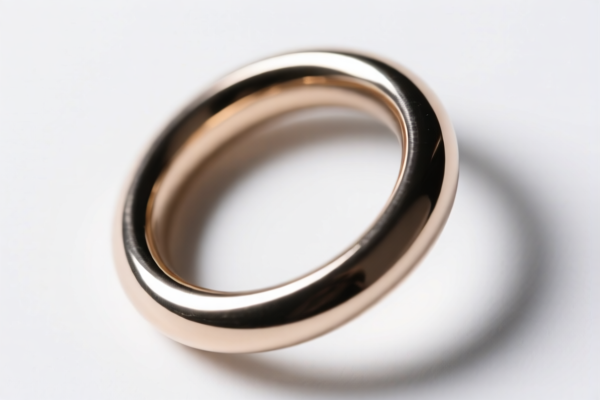
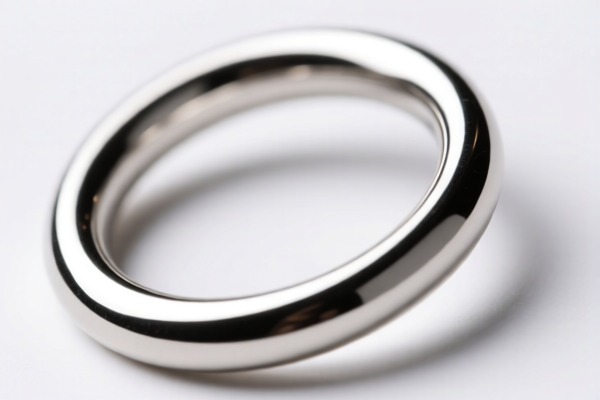
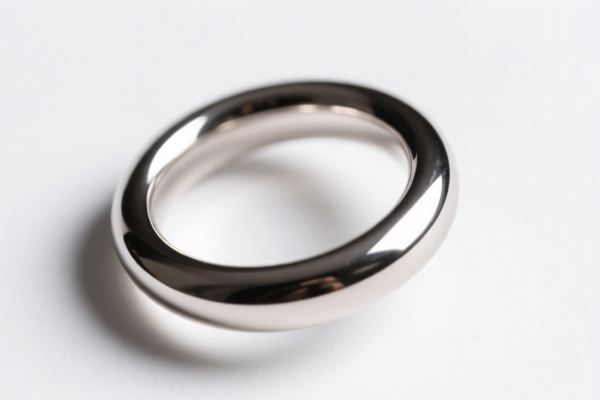
AI Analysis
💍 Rotating Enamel Ring (Jewelry Accessory)
🌐 HS Code Reference & Customs Clearance Guide | 2026 Latest Tariff Analysis | Professional Level Strategy
📌 I. Product Definition & Classification: Do You Really Understand a "Rotating Enamel Ring"?
A Rotating Enamel Ring is a piece of jewelry characterized by two key features:
1. Structure: It contains a mechanism allowing rotation (often a bezel or center stone holder).
2. Material/Decoration: It uses Enamel (fused glass coating) as the primary decorative element, typically applied to a precious metal base (Gold, Silver, Platinum) inferred from the "Jewelry" category.
In international trade, its classification hinges on whether it is deemed "True Jewelry" (Precious Metal) or "Imitation Jewelry" (Base Metal/Synthetic), which drastically affects tariffs.
⚠️ Key Distinction Point:
- If the base is Precious Metal (implied by fine jewelry standards for enamel rings) → Classified under 7113.19.50.xx (True Jewelry).
- If the base is Non-Precious Metal or synthetic → Classified under 7117.90.90.00 (Imitation Jewelry).
- Note: Misclassifying as Toys/Other (9503) is a high-risk error leading to compliance issues.
📦 II. HS Code Classification Details (2026 Latest Tariff Authority Cross-Reference)
| HS Code | Product Description | Application Scenario | Material Basis |
|---|---|---|---|
7113.19.50.25 |
Articles of jewelry, of precious metal, other, of silver, other, other | High-End Jewelry: Rings with enamel decoration on precious metal bases. | ✅ Precious Metal (Implied) |
7117.90.90.00 |
Imitation jewelry | Fashion Jewelry: Rings where enamel is on base metal or non-precious substrates. | ❌ Base/Synthetic |
9503.00.00.90 |
Toys, models, accessories (Other) | Incorrect Classification: Only if the item is purely a plastic toy component with no jewelry value. | ❌ Non-Jewelry |
7113.19.50.91 |
Articles of jewelry, of precious metal, other, of gold, other, other | Gold-Based Jewelry: Similar to .25 but specifically for gold substrates. | ✅ Precious Metal (Gold) |
🔍 Critical Reminder:
- Enamel does NOT define the HS code on its own; the Base Metal does.
- If the ring is marketed as "Gold/Silver Plated" or solid metal, it falls under 7113.
- If it is "Base Metal" with enamel finish, it falls under 7117.
- Never classify a wearable ring as a "Toy" (9503) unless it is explicitly a child's play toy without jewelry intent.
💰 III. 2026 Latest Tariff Rate Breakdown (Including Surcharges & Policy Additions)
✅ Applicable Country: United States (US)
✅ Origin: China (CN)
✅ Effective Date: From November 10, 2025 (and subsequent imports)
🎯 1. 7113.19.50.25 —— Precious Metal Jewelry (Silver/Base)
| Item | Content |
|---|---|
| Base Tariff | 5.5% (ad valorem) |
| Section 301 Surcharge | +7.5% (USITC Footnote for this specific subheading) |
| Section 122 Tariff | +10% (Specific trade measure) |
| Total Tariff Rate | 23.0% |
| Tax Calculation | CIF Value × 23% |
| De Minimis Eligibility | ❌ No (Denied for Section 301/122 goods) |
| Legal Basis Path | USITC:7113.19.50.25 → SECTION_301 → SECTION_122 |
📌 Explanation:
- This is the most favorable classification for genuine jewelry.
- The 122 Tariff (+10%) is a specific penalty/addition, not the standard 301 rate.
- Total 23% is high but lower than the imitation jewelry option.
🎯 2. 7117.90.90.00 —— Imitation Jewelry
| Item | Content |
|---|---|
| Base Tariff | 11.0% (ad valorem) |
| Section 301 Surcharge | +7.5% |
| Section 122 Tariff | +10% |
| Total Tariff Rate | 28.5% |
| Tax Calculation | CIF Value × 28.5% |
| De Minimis Eligibility | ❌ No |
| Legal Basis Path | USITC:7117.90.90.00 → SECTION_301 → SECTION_122 |
📌 Note:
- Imitation jewelry has a higher base rate (11% vs 5.5%).
- Even though it's "cheaper" to produce, the tariff burden is 5.5% higher than precious metal jewelry in this specific tariff structure.
🎯 3. 9503.00.00.90 —— Toys/Other (Risky Classification)
| Item | Content |
|---|---|
| Base Tariff | 0.0% |
| Section 301 Surcharge | 0.0% |
| Section 122 Tariff | +10% |
| Total Tariff Rate | 10.0% |
| Tax Calculation | CIF Value × 10% |
| De Minimis Eligibility | ❌ No (If deemed misclassified) |
| Legal Basis Path | USITC:9503.00.00.90 → SECTION_122 |
📌 Warning:
- While the rate looks low (10%), this classification is highly suspicious for a "Rotating Enamel Ring."
- Customs may reclassify it as Jewelry (7113/7117), leading to back taxes, penalties, and delays.
- Use only if the item is explicitly a plastic toy component with no precious/base metal content.
🎯 4. 7113.19.50.91 —— Precious Metal Jewelry (Gold/Base)
| Item | Content |
|---|---|
| Base Tariff | 5.5% (ad valorem) |
| Section 301 Surcharge | 0.0% (Specific exemption or lower rate for this subheading) |
| Section 122 Tariff | +10% |
| Total Tariff Rate | 15.5% |
| Tax Calculation | CIF Value × 15.5% |
| De Minimis Eligibility | ❌ No |
| Legal Basis Path | USITC:7113.19.50.91 → SECTION_122 |
📌 Optimization Tip:
- If your ring is Gold-Based, this is the BEST classification.
- Total 15.5% is the lowest among valid jewelry classifications.
- Section 301 surcharge is 0% for this specific code, unlike .25 and 7117.
🛠️ IV. Customs Clearance Practical Advice (Battle-Tested Pitfall Guide)
✅ 1. Documentation Checklist (Essential Items)
| Document | Required | Explanation |
|---|---|---|
| ✅ Product Specs | ✔️ | Must state Base Material (e.g., "Sterling Silver", "Brass", "Gold Plated"). |
| ✅ Composition Certificate | ✔️ | Lab report confirming metal content (crucial for 7113 vs 7117). |
| ✅ Product Photos | ✔️ | Clear view of the enamel and any hallmarks/stamps. |
| ✅ Commercial Invoice | ✔️ | Description: "Rotating Enamel Ring, [Metal] Base, Jewelry Accessory". |
| ✅ Packing List | ✔️ | Detail individual packaging to prove retail-ready jewelry status. |
| ✅ Pre-Ruling Request | ✔️ | Highly Recommended to confirm 7113.19.50.91 eligibility. |
✅ 2. Declaration Strategy (Key Mantra)
🔥 "Metal Defines Code, Enamel Defines Style. Don't Lie as Toy!"
| Scenario | Correct Declaration | Wrong Practice |
|---|---|---|
| Solid Silver/Gold Base | 7113.19.50.25 or .91 |
Calling it "Fashion Ring" → Risk of 7117 (28.5%) |
| Base Metal/Brass | 7117.90.90.00 |
Calling it "Silver Ring" → Fraud risk |
| Pure Plastic Toy | 9503.00.00.90 |
Calling it "Ring" → Misclassification penalty |
| Mixed Materials | Provide lab report | Guessing → Customs holds cargo |
✅ 3. Special Case Handling
| Situation | Handling Advice |
|---|---|
| Gold-Plated Base Metal | Usually classified as 7117 (Imitation) unless the base is significant enough to be considered precious. Check plating thickness standards. |
| Rotating Mechanism | Does not change HS code. It is still jewelry. Do not classify as a "Mechanical Device." |
| Gift Sets (Ring + Box) | Declare as a single unit. The rate follows the highest-taxed item or the principal item (the ring). |
| Sample/No-Value | Still subject to tariff rules if declared as commercial. Use "Sample" label carefully with proper valuation. |
🌍 V. Global Market Clearance Comparison (2026 Latest)
| Country/Region | Recommended HS Code | Tariff (China Origin) | Certification | Notes |
|---|---|---|---|---|
| 🇺🇸 USA | 7113.19.50.91 |
15.5% (Best) | None (Standard) | Section 122 adds 10%. Avoid 7117 (28.5%). |
| 🇨🇳 China | 7113.19.50.25 |
5% - 10% | None | Lower base rates globally. |
| 🇪🇺 EU | 7113.19.50 |
0% - 2.5% | CE (if applicable) | Low tariffs, strict REACH compliance for enamels. |
| 🇬🇧 UK | 7113.19.50 |
0% - 2.5% | UKCA | Post-Brexit rules similar to EU. |
| 🇨🇦 Canada | 7113.19.50 |
0% | None | CUSMA benefits if Canadian/Mexican origin. |
📌 Conclusion:
- The USA is the most complex market due to Section 301 and Section 122 add-ons.
- Choosing the right HS Code saves 5.5% - 13% in tariffs.
- Gold-based rings (.91) are the most tariff-efficient for China-origin goods entering the US.
📌 VI. Common Errors & Pitfall Guide (Blood-Tea Lessons)
❌ Error 1: Classifying a Gold/Silver Ring as "Imitation Jewelry" (7117)
👉 Consequence: Pay 28.5% instead of 15.5%. Loss of 13% profit margin!
❌ Error 2: Classifying a Metal Ring as a "Toy" (9503) to save duty
👉 Consequence: Customs flags it, reclassifies to 7113/7117, adds penalties + interest. Cargo detained for weeks.
❌ Error 3: Ignoring the "Section 122 Tariff"
👉 Consequence: All these codes have a +10% Section 122 tariff. Budgeting for only 5-10% total leads to cash flow shock.
❌ Error 4: Vague Description "Enamel Ring"
👉 Consequence: Customs cannot determine if it's 7113 or 7117. Audit Risk. Must specify Base Metal.
✅ Correct Practice:
"Rotating Enamel Ring, Sterling Silver Base, 925 Stamped, Jewelry Accessory, Model XYZ"
🎯 VII. Conclusion: Precision Classification, Cost Efficiency!
🎯 Remember the Mantra:
🔹 "Gold Base: 15.5% (Best). Silver Base: 23.0%. Base Metal: 28.5%. Toy Lie: Jail/Fine!"
🔹 "HS Code is Destiny. A 5.5% difference changes the business model!"
🔹 "Section 122 is Always +10%. Plan for the 122!"
📌 Pro Tip:
If your rings are originating from Vietnam, Thailand, or Malaysia, you may qualify for Exemptions from Section 122/301 under specific trade agreements or de minimis rules (if applicable).
Apply for an Advance Ruling to lock in the 15.5% rate for Gold-based items.
📣 Immediate Action:
📞 Contact a professional customs broker + Provide Metal Composition Report + Request HS Code Advance Ruling
🚀 Let your rings Clear Smoothly, Boost Profits, and Scale Globally!
✨ Professional Clearance Starts with Precise Classification!
💼 Every Percent Counts in Your Bottom Line!
Customer Reviews
About HS Code Classification
The Harmonized System (HS) is an internationally standardized nomenclature developed by the World Customs Organization (WCO) to classify traded products. Over 200 countries use the HS system as the basis for customs tariffs, trade statistics, and import/export regulations.
Each HS code follows a hierarchical structure:
- Chapter (2 digits) — Broad category of goods (e.g., Chapter 84: Machinery and Mechanical Appliances)
- Heading (4 digits) — More specific grouping within the chapter
- Subheading (6 digits) — Internationally standardized breakdown, used by all WCO member countries
- National subdivisions (8-10 digits) — Country-specific extensions for further classification, such as US HTSUS 10-digit codes
Correct HS code classification is essential for smooth customs clearance, accurate duty payment, and compliance with trade regulations. Misclassification can lead to customs delays, overpayment of duties, or penalties.
When importing from CN to US, the applicable tariff rates may include:
- Most-Favored-Nation (MFN) rate — The standard duty rate applied to WTO members
- General rate — Applied to countries without trade agreements
- Trade remedy duties — Additional tariffs such as Section 301 (anti-dumping), Section 232 (national security), or countervailing duties
The information provided on this page is for reference purposes only. For official classification, please consult with your local customs authority or a licensed customs broker.