时尚皮带
CN → US| HS Code | Tariff Rate | Origin | Destination | Doc |
|---|---|---|---|---|
| 4203300000 | 37.7% | CN | US | Official Doc |
| 4203406000 | 35.0% | CN | US | Official Doc |
| 7117199000 | 28.5% | CN | US | Official Doc |
| 7117909000 | 28.5% | CN | US | Official Doc |
| 3926905900 | 37.4% | CN | US | Official Doc |
| 3926906090 | 39.2% | CN | US | Official Doc |
Product Images
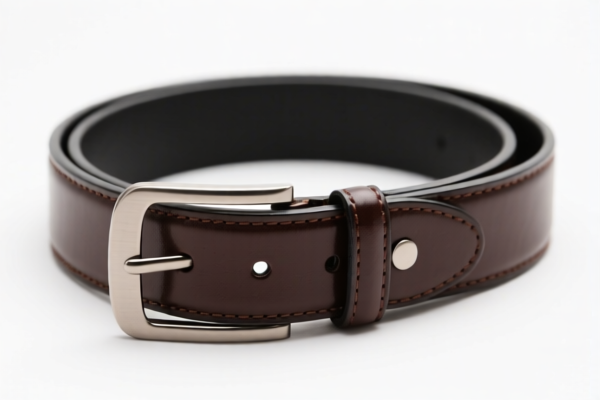
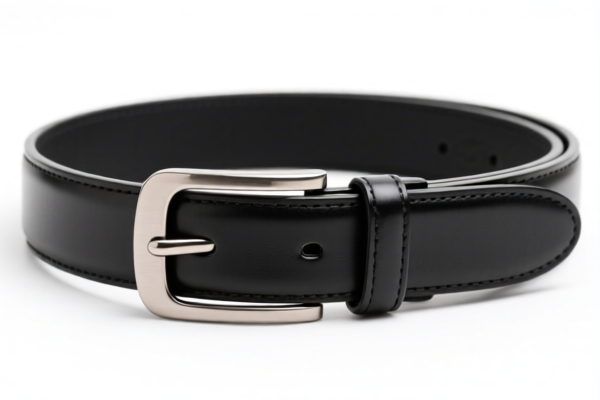
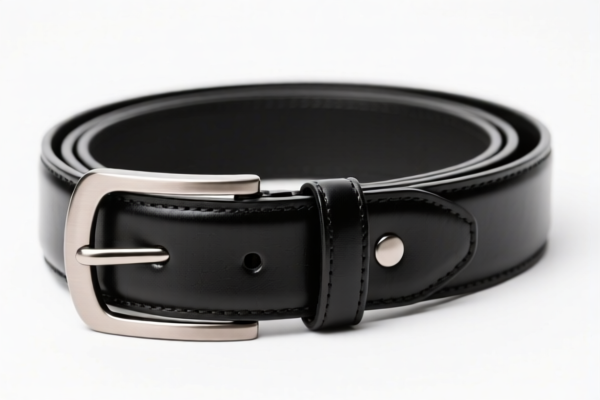
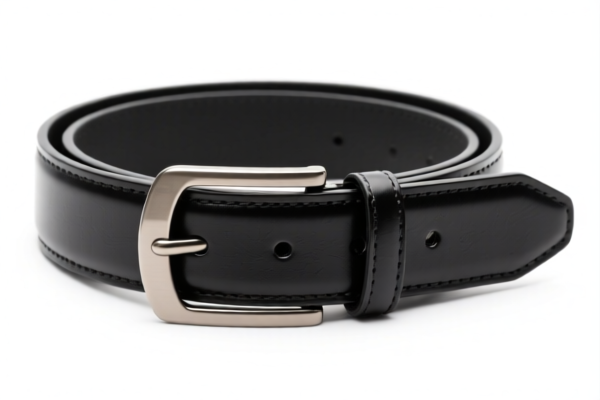
AI Analysis
🎀 Fashion Belts (Leather & Synthetic Accessories)
🌐 HS Code Reference & Customs Clearance Guide | 2026 Latest Tariff Analysis | Professional Clearance Strategy
📌 I. Product Definition & Classification: Do You Really Understand “Fashion Belts”?
Fashion belts are versatile accessories categorized based on their material composition and intended use. In international trade, they are generally divided into two main categories:
- Leather Apparel Accessories (4203 Series): Belts made primarily of leather, classified as parts of apparel or clothing accessories.
- Jewelry/Imitation Jewelry (7117 Series): Belts or accessories made of non-precious materials (including synthetic leather) intended for adornment, falling under the category of imitation jewelry.
⚠️ Key Distinction Point:
- If the belt is made of leather and viewed as a clothing accessory, it may fall under 4203.40.60.00 or 4203.30.00.00.
- If the belt is made of synthetic leather or non-precious materials and viewed as an adornment/jewelry item, it may fall under 7117.90.90.00.
- Note: The specific classification heavily depends on the primary material (real leather vs. synthetic) and the customs officer’s interpretation of "jewelry" vs. "apparel accessory."
📦 II. HS Code Classification Details (2026 Latest Tariff Authority Comparison)
| HS Code | Product Description | Applicable Scenario | Material/Category |
|---|---|---|---|
4203.40.60.00 |
Fashion belts classified as clothing accessories, material is leather, meeting classification requirements. | Leather belts for fashion/clothing. | ✅ Leather (Apparel Accessory) |
7117.90.90.00 |
Fashion belts classified as jewelry/accessories, material is leather or synthetic leather, fitting the imitation jewelry category. | Synthetic/leather belts viewed as adornment/jewelry. | ⚠️ Leather/Synthetic (Jewelry) |
4203.30.00.00 |
Leather belt with buckle, classification fits the usage and form in the category. | Belts with buckles, made of leather. | ✅ Leather (Belt with Buckle) |
🔍 Important Reminder:
-4203.40.60.00: Focuses on "Clothing Accessories". If the belt is clearly part of an outfit (e.g., denim belt, suit belt), this is the most direct fit for leather items.
-7117.90.90.00: Focuses on "Jewelry/Adornment". If the belt is decorative, made of synthetic materials, or marketed as a fashion jewelry piece, this code applies.
-4203.30.00.00: Specifically mentions "Belt with Buckle". If the belt has a distinct buckle component and is leather, this code is often used for precise technical classification.
💰 III. 2026 Latest Tariff Rate Details (Including Surtaxes, Policy Surcharges)
✅ Applicable Country: United States (US)
✅ Origin: China (CN)
✅ Effective Date: Current trade policies (Section 301 & IEEPA applicable)
🎯 1. 4203.40.60.00 — Fashion Belts (Clothing Accessories, Leather)
| Item | Content |
|---|---|
| Base Tariff | 0.0% (ad valorem) |
| Surtax (Section 301) | +25.0% |
| IEEPA Surtax (Section 122) | +10.0% |
| Total Tariff Rate | 35.0% |
| Tax Calculation | CIF Value × 35.0% |
| De Minimis Exemption | ❌ Not Eligible (High tariff rate excludes it from $800 de minimis benefits in most practical scenarios, though technically de minimis applies to duties under certain conditions, high rates make it less viable for small parcels without proper declaration). |
| Legal Basis Path | USITC:4203.40.60.00 → Surtax:25% → IEEPA:10% |
📌 Explanation:
- Although the base tariff is 0%, the 25% Section 301 surtax and 10% IEEPA (Section 122) surtax apply to Chinese-origin goods.
- Total 35% is a significant cost. This code assumes the item is strictly classified as a "clothing accessory" made of leather.
🎯 2. 7117.90.90.00 — Fashion Belts (Jewelry/Imitation Jewelry)
| Item | Content |
|---|---|
| Base Tariff | 11.0% |
| Surtax (Section 301) | +7.5% |
| IEEPA Surtax (Section 122) | +10.0% |
| Total Tariff Rate | 28.5% |
| Tax Calculation | CIF Value × 28.5% |
| De Minimis Exemption | ❌ Not Eligible (High effective rate). |
| Legal Basis Path | USITC:7117.90.90.00 → Surtax:7.5% → IEEPA:10% |
📌 Explanation:
- This code has a higher base tariff (11%) but a lower surtax (7.5%) compared to other apparel accessories.
- Total 28.5% is the lowest total tariff rate among the three options.
- Key Strategy: If the belt can be reasonably classified as "imitation jewelry" (due to decorative nature, synthetic material, or marketing), this code saves 6.5% compared to4203.40.60.00.
🎯 3. 4203.30.00.00 — Leather Belt with Buckle
| Item | Content |
|---|---|
| Base Tariff | 2.7% |
| Surtax (Section 301) | +25.0% |
| IEEPA Surtax (Section 122) | +10.0% |
| Total Tariff Rate | 37.7% |
| Tax Calculation | CIF Value × 37.7% |
| De Minimis Exemption | ❌ Not Eligible |
| Legal Basis Path | USITC:4203.30.00.00 → Surtax:25% → IEEPA:10% |
📌 Explanation:
- This code has the highest total tariff rate (37.7%).
- It combines a moderate base tariff (2.7%) with the full 25% Section 301 surtax.
- Avoid this code unless specifically required by customs inspection, as it is the most expensive option.
🛠️ IV. Customs Clearance Practical Advice (Battle-Tested Pitfall Avoidance)
✅ 1. Preparation Checklist (All Required)
| Material | Must Provide | Description |
|---|---|---|
| ✅ Product Composition Report | ✔️ | Specify if material is genuine leather, PU, PVC, or synthetic. Critical for HS Code selection. |
| ✅ Product Photos | ✔️ | Clear images of the belt, buckle, and packaging. Show if it looks like "jewelry" or "clothing accessory." |
| ✅ Commercial Invoice | ✔️ | Describe as "Fashion Belt" or "Decorative Belt Accessory." Avoid vague terms like "Leather Goods." |
| ✅ Packaging List | ✔️ | Detail items included (e.g., belt, extra buckle). |
| ✅ Material Certificate | ✔️ | If claiming synthetic (for 7117), provide proof it is not precious metal/stone. |
✅ 2. Declaration Tips (Key Mnemonic)
🔥 “Material Dictates Code, Jewelry Lowers Rate!”
| Scenario | Correct HS Code | Why? | Total Tax |
|---|---|---|---|
| Genuine Leather Belt, Apparel Use | 4203.40.60.00 |
Classified as clothing accessory. | 35.0% |
| Synthetic/Fashion Belt, Jewelry Use | 7117.90.90.00 |
Classified as imitation jewelry. Best Rate! | 28.5% |
| Leather Belt with Buckle (Technical) | 4203.30.00.00 |
Specific belt type with buckle. | 37.7% |
| Mixed Material Belt | Consult Expert | Depends on primary material. | Variable |
⚠️ Crucial Warning:
- Do not randomly select7117.90.90.00if the belt is clearly genuine leather and marketed as a clothing accessory. Customs may reclassify it to4203, leading to penalties.
- However, if the belt is decorative, made of PU/synthetic, or styled as jewelry,7117.90.90.00is the most cost-effective choice (28.5% vs 35%+).
✅ 3. Special Circumstances Handling
| Scenario | Handling Advice |
|---|---|
| OEM/Private Label | Provide brand authorization. If marketed as "Luxury Jewelry," argue for 7117. |
| Belt Set (Belt + Pouch) | Declare as a set. The principal component determines the code. |
| Digital/Smart Belts | If electronic components are present, may fall under 8517 (Communications), not fashion accessories. |
| Sample Shipments | Clearly mark as "Sample, No Commercial Value" to potentially reduce duties, but still declare HS Code correctly. |
🌍 V. Global Market Comparison (2026 Latest)
| Country/Region | Recommended HS Code | Tariff (China Origin) | Certification | Notes |
|---|---|---|---|---|
| 🇺🇸 USA | 7117.90.90.00 |
28.5% | N/A | Lowest rate if classified as jewelry. |
| 🇺🇸 USA | 4203.40.60.00 |
35.0% | N/A | Standard for leather accessories. |
| 🇪🇺 EU | 4203.29 |
~4% | CE (if synthetic) | No Section 301/IEEPA surtaxes. |
| 🇨🇳 China | 4203.29 |
~10% | N/A | Domestic sales. |
| 🇬🇧 UK | 4203.29 |
~10% | UKCA | Post-Brexit rules apply. |
📌 Conclusion:
- USA is the most complex due to Section 301 & IEEPA surtaxes.
- Classification Strategy: Attempt to classify fashion belts as "Imitation Jewelry" (7117) if materials allow, to save 6.5% in tariffs.
- EU/Other Markets: Do not have these high surtaxes, so the base rate matters more.
📌 VI. Common Errors & Pitfall Guide (Lessons Learned)
❌ Error 1: Classifying all leather belts as 4203.40.60.00 without considering 7117.90.90.00.
👉 Consequence: Paying 35% instead of 28.5%. You overpaid by 6.5% unnecessarily.
❌ Error 2: Classifying synthetic belts as 4203.30.00.00 (Leather Belt with Buckle).
👉 Consequence: Customs may reject the "leather" claim, leading to delays, reclassification, and 37.7% rate or higher penalties.
❌ Error 3: Ignoring the IEEPA 10% Surcharge.
👉 Consequence: Under-declaring taxes. Total liability increases significantly if not accounted for in cost planning.
❌ Error 4: Vague Description: "Belt" on Invoice.
👉 Consequence: Customs may assign a default code with the highest possible rate or request additional documentation, causing delays.
✅ Correct Approach:
“Fashion Accessory Belt, PU Material, Decorative Style, Model XYZ, Classified as Imitation Jewelry.”
🎯 VII. Conclusion: Precise Classification, Maximize Profit!
🎯 Remember the Mnemonic:
🔹 “Jewelry 28.5%, Leather Accessory 35%, Buckle Belt 37.7%!”
🔹 “If it’s fake jewelry, use 7117; if it’s real leather, use 4203. Avoid 4203.30 if you can!”
📌 Pro Tip:
- If your product is synthetic leather or fabric-based, strongly argue for
7117.90.90.00to save 6.5% in tariffs.- Always provide clear material descriptions and photos to support your classification.
- Consider applying for a Pre-Ruling from U.S. Customs if you are shipping high volumes, to lock in the lower
7117rate legally.
📣 Act Now:
📞 Contact a professional customs broker + Provide material specs + Argue for "Jewelry" classification if applicable.
🚀 Clear your goods smoothly, reduce costs, and boost your margins!
✨ Professional Customs Clearance Starts with Accurate Classification!
💼 Every percentage point counts!
Customer Reviews
About HS Code Classification
The Harmonized System (HS) is an internationally standardized nomenclature developed by the World Customs Organization (WCO) to classify traded products. Over 200 countries use the HS system as the basis for customs tariffs, trade statistics, and import/export regulations.
Each HS code follows a hierarchical structure:
- Chapter (2 digits) — Broad category of goods (e.g., Chapter 84: Machinery and Mechanical Appliances)
- Heading (4 digits) — More specific grouping within the chapter
- Subheading (6 digits) — Internationally standardized breakdown, used by all WCO member countries
- National subdivisions (8-10 digits) — Country-specific extensions for further classification, such as US HTSUS 10-digit codes
Correct HS code classification is essential for smooth customs clearance, accurate duty payment, and compliance with trade regulations. Misclassification can lead to customs delays, overpayment of duties, or penalties.
When importing from CN to US, the applicable tariff rates may include:
- Most-Favored-Nation (MFN) rate — The standard duty rate applied to WTO members
- General rate — Applied to countries without trade agreements
- Trade remedy duties — Additional tariffs such as Section 301 (anti-dumping), Section 232 (national security), or countervailing duties
The information provided on this page is for reference purposes only. For official classification, please consult with your local customs authority or a licensed customs broker.