明信片收藏册
CN → US| HS Code | Tariff Rate | Origin | Destination | Doc |
|---|---|---|---|---|
| 4909002000 | 17.5% | CN | US | Official Doc |
| 4909004000 | 10.0% | CN | US | Official Doc |
| 4820500000 | 35.0% | CN | US | Official Doc |
| 4820900000 | 35.0% | CN | US | Official Doc |
| 3926904800 | 13.4% | CN | US | Official Doc |
| 3926100000 | 15.3% | CN | US | Official Doc |
Product Images
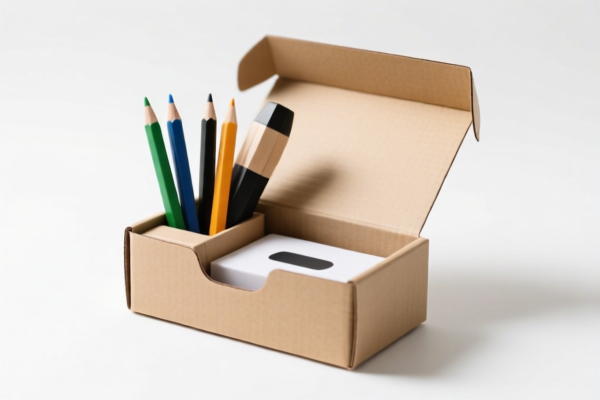
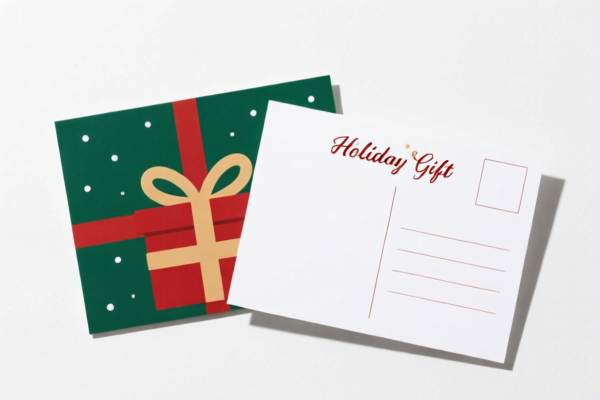

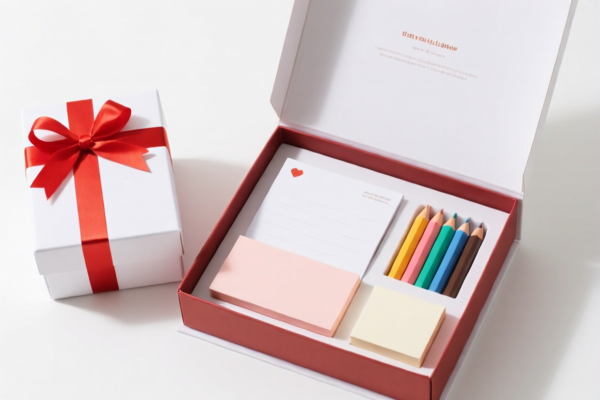
AI Analysis
📬 Postcard Collectors' Albums
🌐 HS Code & Tariff Guide | 2026 Updated Customs Classification | Expert Clearing Strategies
📌 One Product, Five Classifications – Know Your Code, Avoid the Tax Trap!
📦 1. Product Definition & Classification: What Really Is a Postcard Collector’s Album?
A postcard collector’s album is a storage or display device designed specifically for organizing, preserving, and showcasing postcards — whether for personal enjoyment, educational use, or commercial exhibition. It is not a standalone postcard, nor is it a general-purpose notebook.
⚠️ Key Distinction: - If it's made of paper/paperboard and used solely for collecting or displaying postcards, it falls under paper-based albums. - If it's made of plastic or synthetic materials, it may be classified as a plastic storage accessory or office/school supply. - If it's printed with images or text related to postcards, it may qualify as a printed accessory to a printed product.
✅ Core Rule:
The primary purpose determines the classification — collection, preservation, or display — not just the material.
📚 2. HS Code Classification Breakdown (2026 Official Tariff Schedule)
| HS Code | Product Description | Material | Primary Use | Tax Rate |
|---|---|---|---|---|
4820.50.00.00 |
Postcard collector’s album, made of paper, used for collecting, fits “album for samples or collections” | Paper | Collecting, preservation, display | 35.0% |
4820.90.00.00 |
Postcard collector’s album, made of paper or paperboard, used for collecting, fits “album for samples or collections” | Paper/Paperboard | Collecting, archival, educational | 35.0% |
3926.10.00.00 |
Postcard collector’s album, made of plastic, used as office/school supply (collection/organization) | Plastic | Office, school, desk organization | 15.3% |
4909.00.40.00 |
Postcard collector’s album, as a carrier/attachment to printed postcards, core function matches printed card | Paper | Printed product accessory | 10.0% |
3926.90.48.00 |
Postcard collector’s album, made of plastic or other materials, shaped as a collector’s album | Plastic/Others | Collection, display, storage | 13.4% |
🔍 Critical Insight:
- Paper-based albums are treated as "albums for samples or collections" → higher tax. - Plastic-based albums are treated as office/school supplies or plastic containers → lower tax. - Printed albums (with images/text) may qualify for lower tariff under 4909.00.40.00 if they are integral to printed postcard systems.
💰 3. 2026 Tariff Breakdown (U.S. Customs – China Origin)
✅ Applicable Country: United States (US)
✅ Origin: China (CN)
✅ Effective Date: November 10, 2025 (including subsequent imports)
🎯 1. 4820.50.00.00 — Paper Album for Postcard Collection
| Item | Detail |
|---|---|
| Base Duty | 0.0% (ad valorem) |
| Section 301 Tariff (USITC) | +25.0% |
| Section 122 Tariff (IEEPA) | +10.0% |
| Total Duty | 35.0% |
| Tax Calculation | CIF Value × 35.0% |
| De Minimis Exemption | ❌ Not eligible (denied under U.S. law) |
| Legal Basis Path | IEEPA:9903.01.25 → USITC:4820.50.00.00 → FOOTNOTE:9903.88.01 |
📌 Explanation:
- 25% USITC Tariff: From Section 301 of the U.S. Trade Act — targets Chinese goods deemed to have unfair trade practices. - 10% IEEPA Tariff: From the International Emergency Economic Powers Act — applies to goods from China, Hong Kong, and Macau. - Total: 35% — one of the highest tariffs in the category.
🎯 2. 4820.90.00.00 — Paper or Paperboard Album for Collection
| Item | Detail |
|---|---|
| Base Duty | 0.0% |
| Section 301 Tariff (USITC) | +25.0% |
| Section 122 Tariff (IEEPA) | +10.0% |
| Total Duty | 35.0% |
| Tax Calculation | CIF × 35.0% |
| De Minimis Exemption | ❌ Not eligible |
| Legal Basis Path | IEEPA:9903.01.25 → USITC:4820.90.00.00 → FOOTNOTE:9903.88.01 |
📌 Note:
- Same as above — no difference in tax despite different subheadings. - Both are paper-based collection albums, so identical treatment under U.S. law.
🎯 3. 3926.10.00.00 — Plastic Album for Office/School Use (Collection)
| Item | Detail |
|---|---|
| Base Duty | 5.3% |
| Section 301 Tariff (USITC) | 0.0% |
| Section 122 Tariff (IEEPA) | +10.0% |
| Total Duty | 15.3% |
| Tax Calculation | CIF × 15.3% |
| De Minimis Exemption | ❌ Not eligible |
| Legal Basis Path | IEEPA:9903.01.24 → 3926.10.00.00 → FOOTNOTE:9903.88.01 |
📌 Why Lower?
- Plastic material → not classified as "paper album" → not subject to 301 tariff. - But still subject to IEEPA 10% due to Chinese origin. - Base rate is 5.3%, so total = 5.3% + 10% = 15.3%.
🎯 4. 4909.00.40.00 — Printed Album as Accessory to Printed Postcards
| Item | Detail |
|---|---|
| Base Duty | 0.0% |
| Section 301 Tariff (USITC) | 0.0% |
| Section 122 Tariff (IEEPA) | +10.0% |
| Total Duty | 10.0% |
| Tax Calculation | CIF × 10.0% |
| De Minimis Exemption | ❌ Not eligible |
| Legal Basis Path | IEEPA:9903.01.24 → 4909.00.40.00 → FOOTNOTE:9903.88.01 |
📌 Key Advantage:
- No 301 tariff — because it’s considered a printed product accessory, not a standalone album. - Only IEEPA 10% applies. - Lowest possible rate for this product type — if eligible.✅ Eligibility Condition:
- Must be clearly part of a printed postcard system (e.g., sold with postcards, has printed layout, or is a direct carrier). - Not a generic album — must show functional integration with printed cards.
🎯 5. 3926.90.48.00 — Plastic or Other Material Album for Collection
| Item | Detail |
|---|---|
| Base Duty | 3.4% |
| Section 301 Tariff (USITC) | 0.0% |
| Section 122 Tariff (IEEPA) | +10.0% |
| Total Duty | 13.4% |
| Tax Calculation | CIF × 13.4% |
| De Minimis Exemption | ❌ Not eligible |
| Legal Basis Path | IEEPA:9903.01.24 → 3926.90.48.00 → FOOTNOTE:9903.88.01 |
📌 Why This Rate?
- Plastic or other material → not paper → exempt from 301 tariff. - Base duty 3.4% → low. - IEEPA 10% applies → total 13.4%. - Better than paper-based albums, but higher than 4909.00.40.00.
🛠️ 4. Customs Clearance Tips (Real-World Pro Advice)
✅ 1. Must-Have Documentation (No Exceptions!)
| Document | Required? | Why It Matters |
|---|---|---|
| ✅ Product Specification Sheet | ✔️ | Shows material, size, function, and purpose |
| ✅ Product Photos (Front, Back, Interior) | ✔️ | Proves it’s a collector’s album, not a notebook |
| ✅ Commercial Invoice | ✔️ | Must clearly state: “Postcard Collector’s Album” |
| ✅ Packing List | ✔️ | Shows contents, packaging, and whether sold with postcards |
| ✅ Certificate of Origin (CO) | ✔️ | Critical for tariff eligibility |
| ✅ Third-Party Test Reports | ✔️ | Optional but helpful (e.g., for plastic safety, flammability) |
✅ 2.申报技巧(申报口诀)
🔥 “Material Matters, Purpose Rules, Paper = 35%, Plastic = 13–15%, Printed = 10%!”
| Scenario | Correct HS Code | Wrong Code | Result |
|---|---|---|---|
| Paper album, no printing | 4820.50.00.00 |
3926.10.00.00 |
Tax jumps from 35% → 15.3% |
| Plastic album, used in school | 3926.10.00.00 |
4820.50.00.00 |
Tax drops from 35% → 15.3% |
| Album sold with printed postcards | 4909.00.40.00 |
4820.50.00.00 |
Tax drops from 35% → 10% |
| Generic plastic album | 3926.90.48.00 |
3926.10.00.00 |
May be rejected if not matching |
| Album with no clear purpose | ❌ Not eligible for any low-rate code | — | Risk of audit or rejection |
✅ 3. Special Cases & How to Handle Them
| Case | Solution |
|---|---|
| Album sold with postcards | Use 4909.00.40.00 if printed and functional part of the system |
| Album with custom printing | Still eligible for 4909.00.40.00 if it’s an accessory to printed cards |
| Album with no printing, but plastic | Use 3926.10.00.00 or 3926.90.48.00 depending on material |
| Album with mixed materials | Use dominant material (e.g., plastic > paper) |
| Album for museum/archival use | Still taxed at 35% if paper-based — no exemption |
🌍 5. Global Market Comparison (2026)
| Country/Region | Recommended HS Code | Tariff | Certification | Notes |
|---|---|---|---|---|
| 🇺🇸 United States | 4909.00.40.00 |
10.0% (if eligible) | None required | High risk if misclassified |
| 🇨🇳 China | 4820.50.00.00 |
5.0% | CCC | No extra tariffs |
| 🇪🇺 European Union | 4820.50.00.00 |
0% (if CE) | CE | No 301/IEEPA |
| 🇦🇺 Australia | 3926.10.00.00 |
5.0% | RCM | No extra tariffs |
| 🇯🇵 Japan | 4820.50.00.00 |
0% | PSE | No additional duties |
📌 Takeaway:
- U.S. is the only market with 301/IEEPA tariffs. - China, EU, AU, JP have no extra tariffs — but HS Code still matters.
📌 6. Common Mistakes & How to Avoid Them (Avoid Costly Penalties!)
❌ Mistake 1: Calling a plastic album a paper album
👉 Result: Pay 35% instead of 15.3% → huge loss
❌ Mistake 2: Using 4820.50.00.00 for a plastic album
👉 Result: Wrong classification → penalties + audit risk
❌ Mistake 3: Not proving functional integration with printed postcards
👉 Result: Can’t claim 4909.00.40.00 → pay 35% instead of 10%
❌ Mistake 4: Using vague description like “album” or “notebook”
👉 Result: Customs may assume it’s a general-purpose item → higher risk of rejection
✅ Correct Description:
“Plastic Postcard Collector’s Album, 120-page, with transparent sleeves, used for organizing printed postcards, sold with postcard set, model ABC123”
🎯 7. Final Verdict: Choose Your Code, Save Your Profit!
🎯 Golden Rule:
🔹 Paper → 35%
🔹 Plastic → 13.4%–15.3%
🔹 Printed + Functional → 10.0%✅ Best Strategy:
- If plastic and used for office/school →3926.10.00.00or3926.90.48.00
- If printed and part of a postcard set → aim for4909.00.40.00
- Never misclassify plastic as paper — save thousands in tariffs
📣 Action Now!
📞 Contact a U.S. Customs Broker + Submit Product Photos + Request HS Code Pre-Ruling
🚀 Avoid surprise tariffs, prevent delays, and protect your profit margin!
✨ Professional Clearing Starts with Precision Classification!
💼 Your product’s tax rate is only as good as your HS Code!
Customer Reviews
About HS Code Classification
The Harmonized System (HS) is an internationally standardized nomenclature developed by the World Customs Organization (WCO) to classify traded products. Over 200 countries use the HS system as the basis for customs tariffs, trade statistics, and import/export regulations.
Each HS code follows a hierarchical structure:
- Chapter (2 digits) — Broad category of goods (e.g., Chapter 84: Machinery and Mechanical Appliances)
- Heading (4 digits) — More specific grouping within the chapter
- Subheading (6 digits) — Internationally standardized breakdown, used by all WCO member countries
- National subdivisions (8-10 digits) — Country-specific extensions for further classification, such as US HTSUS 10-digit codes
Correct HS code classification is essential for smooth customs clearance, accurate duty payment, and compliance with trade regulations. Misclassification can lead to customs delays, overpayment of duties, or penalties.
When importing from CN to US, the applicable tariff rates may include:
- Most-Favored-Nation (MFN) rate — The standard duty rate applied to WTO members
- General rate — Applied to countries without trade agreements
- Trade remedy duties — Additional tariffs such as Section 301 (anti-dumping), Section 232 (national security), or countervailing duties
The information provided on this page is for reference purposes only. For official classification, please consult with your local customs authority or a licensed customs broker.