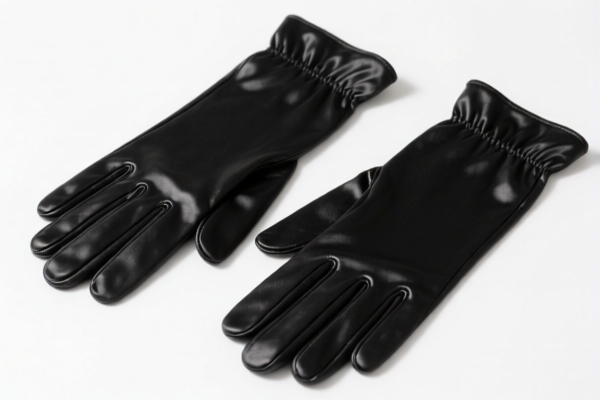
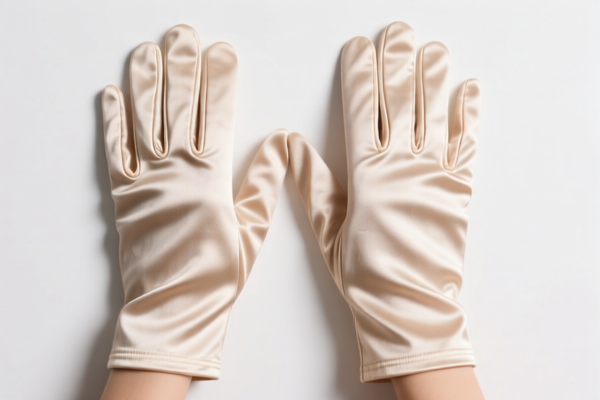
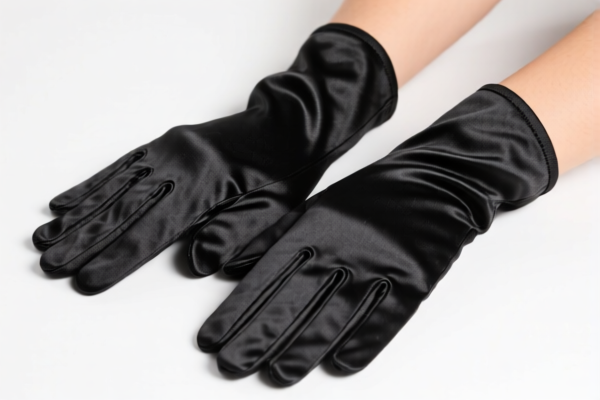
晚礼服缎面手套 玫瑰红
CN → US| HS Code | Tariff Rate | Origin | Destination | Doc |
|---|---|---|---|---|
| 6216002930 | 30.5% | CN | US | Official Doc |
| 6216003100 | 24.5% | CN | US | Official Doc |
| 6116994800 | 0.0% | CN | US | Official Doc |
| 6116995400 | 0.0% | CN | US | Official Doc |
| 4202329300 | 52.6% | CN | US | Official Doc |
| 4202329900 | 52.6% | CN | US | Official Doc |
Product Images

AI Analysis
🧤 Evening Gown Satin Gloves (Rose Red)
🌐 HS Code Reference & Customs Clearance Guide | 2026 Latest Tariff Analysis | Professional Entry Strategy
📌 1. Product Definition & Classification: Do You Really Understand "Gloves"?
Evening Gown Satin Gloves (Rose Red) are specialized accessories designed for formal wear, characterized by a smooth satin finish and a specific rose-red hue. In international trade, the classification of gloves hinges primarily on material composition and knitting method:
- Knitted or Crocheted (Chapter 61): If the gloves are made from synthetic fibers (like polyester/viscose) and are knitted or crocheted, they fall under Chapter 61. Key distinctions exist within this chapter based on whether the fingers are separate (fitted) or not.
- Made Up of Textile Materials (Chapter 62): If the gloves are made from fabric (even if the main fiber is synthetic) but are not knitted/crocheted in the specific manner defined for Chapter 61, or if they contain a high percentage of cotton/blended fibers treated as "other textile gloves," they may fall under Chapter 62.
⚠️ Key Distinction Point:
- If the material is synthetic fiber (e.g., polyester) and knitted/crocheted → Likely Chapter 61.
- If the material is blended (≥50% cotton/synthetic) or classified as "other made-up textile goods" → Likely Chapter 62.
- Rose Red is just a color attribute; it does not change the HS code but is crucial for commercial invoices to avoid customs scrutiny on "generic" descriptions.
📦 2. HS Code Classification Details (Based on Provided Data)
The provided data offers three distinct classifications for "Evening Gown Satin Gloves." Here is the detailed breakdown:
| HS Code | Product Description & Logic | Total Tax Rate | Tax Breakdown |
|---|---|---|---|
| 6216.00.29.30 | Satin Gloves (Blended/Other): Made of satin (artificial/polyester fibers), contains ≥50% cotton or man-made fibers. Classified under "Other" categories in Chapter 62. | 30.5% | Base Tariff: 13.0% Section 301 (Added): 7.5% Section 122 (Added): 10% |
| 6116.99.54.00 | Synthetic Knitted Gloves: Made of artificial fibers (e.g., polyester), features finger separation structure (fitted). Classified under "Articles of artificial textile materials." | 28.8% | Base Tariff: 18.8% Section 301 (Added): 0.0% Section 122 (Added): 10% |
| 6116.99.48.00 | Synthetic Knitted Gloves: Made of artificial fibers (e.g., polyester), no finger separation conflict (e.g., mittens or simple gloves). Classified under "Articles of artificial textile materials." | 28.8% | Base Tariff: 18.8% Section 301 (Added): 0.0% Section 122 (Added): 10% |
🔍 Critical Note:
- 6216.00.29.30 has a higher total tax (30.5%) due to the inclusion of Section 301 tariffs (7.5%) in addition to Section 122.
- 6116.99.54.00 and 6116.99.48.00 have a lower total tax (28.8%) because Section 301 does not apply (0%), but Section 122 (10%) still applies.
- The choice between 6116.99.54.00 and 6116.99.48.00 depends on the finger structure (separate vs. combined/no conflict).
💰 3. 2026 Latest Tariff Rate Details (Including Surtaxes)
✅ Applicable Country: United States (US)
✅ Origin: China (CN)
✅ Effective Date: 2025/2026 (Current Trade War Context)
🎯 1. 6216.00.29.30 —— Other Made-up Textile Gloves (High Tax Tier)
| Item | Detail |
|---|---|
| Base Tariff | 13.0% |
| Section 301 Surtax | +7.5% (Specific to this subheading under current lists) |
| Section 122 Surtax | +10% (Mandatory addition for textile/apparel items) |
| Total Tax Rate | 30.5% |
| Tax Calculation | CIF Value × 30.5% |
| De Minimis Exemption? | ❌ No (High tariff goods are generally excluded) |
| Legal Basis | USITC:6216.00.29.30 → Section 301 List 4A → Section 122 Statute |
📌 Explanation:
- This classification attracts the highest tax because it is subject to both Section 301 (7.5%) and Section 122 (10%).
- Suitable for gloves that are not purely knitted/crocheted synthetic items or are blends meeting Chapter 62 criteria.
🎯 2. 6116.99.54.00 —— Artificial Fiber Gloves, Fingered (Optimized Tax Tier)
| Item | Detail |
|---|---|
| Base Tariff | 18.8% |
| Section 301 Surtax | +0.0% (Exempt from this specific surtax) |
| Section 122 Surtax | +10% |
| Total Tax Rate | 28.8% |
| Tax Calculation | CIF Value × 28.8% |
| De Minimis Exemption? | ❌ No |
| Legal Basis | USITC:6116.99.54.00 → Section 122 Statute |
📌 Note:
- This code applies to knitted/crocheted gloves made of artificial fibers (e.g., polyester satin) where fingers are separate.
- Savings: $1.7\%$ lower than Chapter 62 classification.
🎯 3. 6116.99.48.00 —— Artificial Fiber Gloves, Non-Fingered/Mittens (Optimized Tax Tier)
| Item | Detail |
|---|---|
| Base Tariff | 18.8% |
| Section 301 Surtax | +0.0% |
| Section 122 Surtax | +10% |
| Total Tax Rate | 28.8% |
| Tax Calculation | CIF Value × 28.8% |
| De Minimis Exemption? | ❌ No |
| Legal Basis | USITC:6116.99.48.00 → Section 122 Statute |
📌 Note:
- Applies if the gloves do not have separate finger compartments (e.g., mittens) or if there is "no finger conflict" in classification logic.
- Savings: $1.7\%$ lower than Chapter 62 classification.
🛠️ 4. Customs Clearance Practical Advice (Avoiding Pitfalls)
✅ 1. Documentation Checklist (Non-Negotiable)
| Document | Required? | Description |
|---|---|---|
| ✅ Commercial Invoice | ✔️ | Must specify: "Evening Gown Satin Gloves, Rose Red, Material: 100% Polyester Satin" |
| ✅ Product Photos | ✔️ | Clear images showing finger separation (critical for 6116.99.54.00 vs 48.00) and satin texture |
| ✅ Material Composition Sheet | ✔️ | Confirm % of artificial fibers vs. cotton to determine Chapter 61 vs. 62 |
| ✅ Packing List | ✔️ | Unit count, weight, dimensions |
| ✅ Country of Origin | ✔️ | Must declare China to accurately apply Section 301/122 taxes |
✅ 2. Declaration Tips (Key Strategy)
🔥 "Material First, Finger Second, Tax Optimization Last!"
| Scenario | Correct HS Code | Tax Rate | Risk |
|---|---|---|---|
| Knitted, Polyester, Fingers Separated | 6116.99.54.00 |
28.8% | ✅ Low (Optimal for knitted synthetics) |
| Knitted, Polyester, No Separate Fingers | 6116.99.48.00 |
28.8% | ✅ Low (Optimal for mittens/simple styles) |
| Non-Knitted / Blended (≥50% Cotton) | 6216.00.29.30 |
30.5% | ⚠️ Higher Tax (Avoid if possible) |
| Misclassified as "Accessories" (Chapter 62) | Incorrect | 30.5%+ | ❌ High Risk: Audit for duty evasion |
✅ 3. Special Considerations
| Situation | Handling Advice |
|---|---|
| "Satin" Material Ambiguity | Define if satin is a weave (Chapter 62) or knit structure (Chapter 61). Satin weave often leads to Chapter 62 (higher tax). Satin knit leads to Chapter 61 (lower tax). |
| Rose Red Color | Not a tax factor, but must match invoice description exactly. Customs may hold goods if color doesn't match sample. |
| Section 122 Impact | Applies to all textile/apparel gloves from China. No exemption. Factor this into cost. |
| Pre-Ruling Recommendation | If unsure whether the glove is "knitted" or "made up," apply for an Advance Ruling with the CBP to lock in the 28.8% rate. |
🌍 5. Global Market Comparison (2026)
| Country | Recommended HS Code | Tax Rate | Notes |
|---|---|---|---|
| 🇺🇸 USA | 6116.99.54.00 / 6116.99.48.00 |
28.8% | Includes Section 122 (10%). Avoid Chapter 62 if possible. |
| 🇺🇸 USA | 6216.00.29.30 |
30.5% | Higher due to Section 301 (7.5%). |
| 🇨🇳 China | 6116.99.54.00 |
~5-10% | No Section 122/301. Low duty for export to China (if applicable). |
| 🇪🇺 EU | 6116.99.54.00 |
0-4% | No Section 122/301. Standard MFN rates apply. |
📌 Conclusion:
- USA Market: The 1.7% difference between Chapter 61 and Chapter 62 is significant for high-volume shipments.
- Strategy: Ensure the gloves are knitted and 100% synthetic (or classified as such) to qualify for6116.99.*codes and save 1.7% in duties.
- Warning: If the gloves are woven satin (common in formal wear), they may be forced into6216.00.29.30(30.5%). Verify the manufacturing process (knitting vs. weaving).
📌 6. Common Mistakes & Pitfalls
❌ Mistake 1: Assuming all "Satin Gloves" are Chapter 62.
👉 Reality: If they are knitted, they are Chapter 61 (lower tax).
✅ Fix: Provide knitting pattern or production process documents.
❌ Mistake 2: Ignoring Section 122.
👉 Reality: Section 122 (10%) applies to all textile gloves from China, regardless of HS code.
✅ Fix: Budget for 10% Surtax in cost calculations.
❌ Mistake 3: Misdeclaring "Finger Structure."
👉 Reality: Confusing 6116.99.54.00 (Fingered) with 6116.99.48.00 (Non-Fingered) leads to misclassification.
✅ Fix: Clearly state "Five-Finger Gloves" or "Mittens" on the invoice.
🎯 7. Conclusion: Professional Declaration Saves Money!
🎯 Key Takeaway:
🔹 "Knit it, Synthetic it, Save 1.7%!"
🔹 "Woven or Blended? Expect 30.5%."
🔹 "Section 122 is Mandatory: 10% Always."
📌 Pro Tip:
If your "Rose Red Satin Gloves" are knitted and made of 100% polyester, immediately classify them under 6116.99.54.00 to achieve the 28.8% rate. Avoid the 30.5% rate unless they are woven or blended.
📣 Immediate Action:
📞 Consult with your customs broker to verify the knitting vs. weaving process.
📄 Prepare detailed product photos showing finger separation.
🚀 Declare accurately, pay less, clear faster!
✨ Precision Classification = Maximum Savings!
💼 Every percentage point matters in global trade.
Customer Reviews
About HS Code Classification
The Harmonized System (HS) is an internationally standardized nomenclature developed by the World Customs Organization (WCO) to classify traded products. Over 200 countries use the HS system as the basis for customs tariffs, trade statistics, and import/export regulations.
Each HS code follows a hierarchical structure:
- Chapter (2 digits) — Broad category of goods (e.g., Chapter 84: Machinery and Mechanical Appliances)
- Heading (4 digits) — More specific grouping within the chapter
- Subheading (6 digits) — Internationally standardized breakdown, used by all WCO member countries
- National subdivisions (8-10 digits) — Country-specific extensions for further classification, such as US HTSUS 10-digit codes
Correct HS code classification is essential for smooth customs clearance, accurate duty payment, and compliance with trade regulations. Misclassification can lead to customs delays, overpayment of duties, or penalties.
When importing from CN to US, the applicable tariff rates may include:
- Most-Favored-Nation (MFN) rate — The standard duty rate applied to WTO members
- General rate — Applied to countries without trade agreements
- Trade remedy duties — Additional tariffs such as Section 301 (anti-dumping), Section 232 (national security), or countervailing duties
The information provided on this page is for reference purposes only. For official classification, please consult with your local customs authority or a licensed customs broker.