服装一对
CN → US| HS Code | Tariff Rate | Origin | Destination | Doc |
|---|---|---|---|---|
| 6110202069 | 34.0% | CN | US | Official Doc |
| 6109100027 | 34.0% | CN | US | Official Doc |
| 6109100070 | 34.0% | CN | US | Official Doc |
| 6203499045 | 20.3% | CN | US | Official Doc |
Product Images
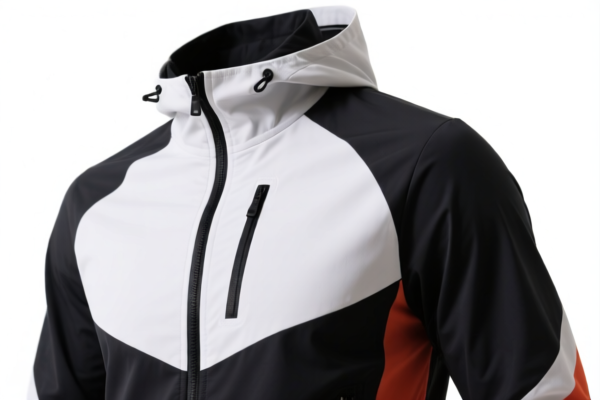
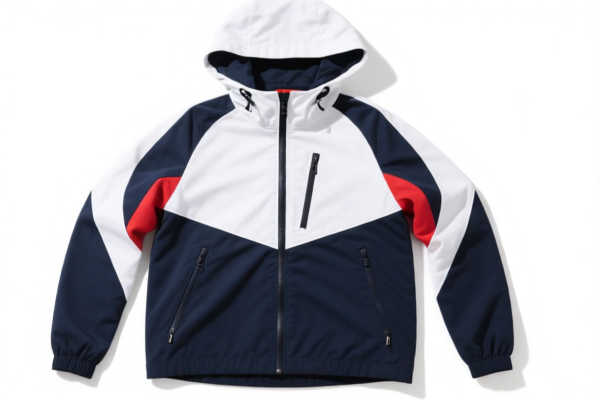
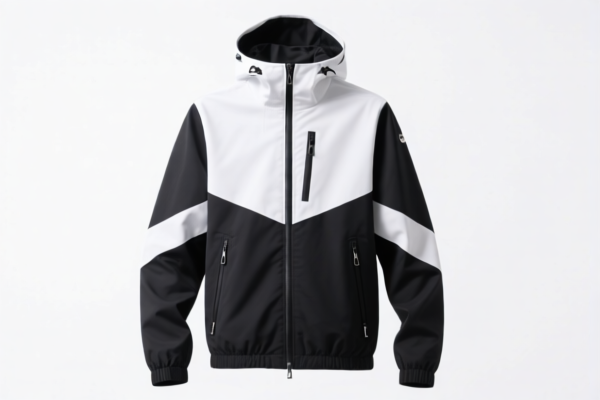
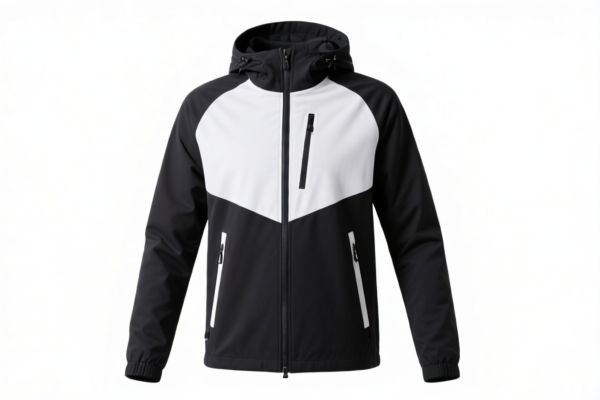
AI Analysis
👕 Apparel: "A Pair of Clothing" (Garments)
🌐 HS Code Reference & Customs Clearance Guide | 2026 Latest Tariff Analysis | Professional Clearance Strategy
📌 I. Product Definition & Classification: What Exactly is "A Pair of Clothing"?
"A pair of clothing" is a colloquial or ambiguous term in international trade that typically refers to Knit or Crocheted Garments or Woven Garments. In the Harmonized System (HS), there is no single code for "a pair." Instead, classification depends strictly on: 1. Construction Method: Knitted (e.g., T-shirts, sweaters) vs. Woven (e.g., trousers, suits). 2. Material: Cotton, synthetic fibers, or others. 3. Item Type: Tops, bottoms, or general apparel.
⚠️ Key Classification Logic:
- Knitted/Crocheted: Falls under Chapter 61.
- Woven/Not Knitted: Falls under Chapter 62.
- "A Pair" Ambiguity: If it means a set (e.g., shirt + pants), customs may require splitting the declaration. If it means one item (e.g., a pair of pants), it is declared as a single unit.
📦 II. HS Code Classification Details (2026 Latest Tariff Authority Comparison)
Based on the provided data, we analyze the specific HS codes for garment-related imports.
| HS Code | Product Description | Applicable Scenario | Construction/Material |
|---|---|---|---|
6110.20.20.69 |
Knitted or crocheted garments, of cotton or other textile materials | Sweaters, pullovers, cardigans, knitted tops | ✅ Knitted/Crocheted |
6109.10.00.27 |
T-shirts, singlets, and other vests, knitted or crocheted | Casual tops, athletic shirts, base layers | ✅ Knitted, likely Cotton |
6109.10.00.70 |
T-shirts, singlets, and other vests, knitted or crocheted | General knitted vests/tops, fallback for unclarified knitted tops | ✅ Knitted |
6203.49.90.45 |
Men's or boys' trousers, bib and brace overalls, breeches and shorts (other than swimwear), not knitted | Pants, slacks, chinos, woven trousers | ✅ Woven, Fallback for bottom wear |
🔍 Critical Distinction:
- Chapter 61 (Knitted): Items like6110,6109are typically softer, stretchier, and manufactured via knitting.
- Chapter 62 (Woven): Items like6203(trousers) are structured, often made of woven fabric.
- "A Pair" Interpretation:
- If "a pair" means one pair of pants →6203.49.90.45.
- If "a pair" means two shirts or a set → Each item declared separately under6109or6110.
💰 III. 2026 Latest Tariff Rate Breakdown (Including Additional Taxes & Policy Surcharges)
✅ Applicable Country: United States (US)
✅ Country of Origin: China (CN)
✅ Effective Date: 2025/2026 Import Period
🎯 1. 6110.20.20.69 — Knitted Garments (Sweaters/Tops)
| Item | Content |
|---|---|
| Base Tariff Rate | 16.5% (ad valorem) |
| Section 301 Additional Tariff | +7.5% (Trade war surcharge) |
| Section 122 Tariff | +10% (Specific trade remedy/surcharge) |
| Total Tariff Rate | 34.0% |
| Tax Calculation | CIF Value × 34.0% |
| De Minimis Eligibility | ❌ Not Eligible (Denied) |
| Legal Basis Path | Base Tariff: 16.5% → Section 301: 7.5% → Section 122: 10% |
📌 Explanation:
- Knitted garments from China face a cumulative tariff burden of 34%.
- This includes the standard Most Favored Nation (MFN) rate plus multiple layers of retaliatory and specific trade tariffs.
- High Cost Alert: This rate significantly impacts the landed cost of knitted apparel.
🎯 2. 6109.10.00.27 — T-shirts & Vests (Knitted)
| Item | Content |
|---|---|
| Base Tariff Rate | 16.5% |
| Section 301 Additional Tariff | +7.5% |
| Section 122 Tariff | +10% |
| Total Tariff Rate | 34.0% |
| Tax Calculation | CIF Value × 34.0% |
| De Minimis Eligibility | ❌ Not Eligible (Denied) |
| Legal Basis Path | Base Tariff: 16.5% → Section 301: 7.5% → Section 122: 10% |
📌 Note:
- T-shirts and knit tops are subject to the same 34% total rate as sweaters.
- Whether it is6109.10.00.27(specific cotton/blend) or6109.10.00.70(other), the tariff structure remains identical in this dataset.
🎯 3. 6109.10.00.70 — General Knitted Vests/Tops
| Item | Content |
|---|---|
| Base Tariff Rate | 16.5% |
| Section 301 Additional Tariff | +7.5% |
| Section 122 Tariff | +10% |
| Total Tariff Rate | 34.0% |
| Tax Calculation | CIF Value × 34.0% |
| De Minimis Eligibility | ❌ Not Eligible (Denied) |
| Legal Basis Path | Base Tariff: 16.5% → Section 301: 7.5% → Section 122: 10% |
📌 Consistency:
- All Chapter 61 (Knitted) items in the provided data share the 34% total tariff.
- Do not assume lower rates for "generic" knit tops; the surcharges apply uniformly.
🎯 4. 6203.49.90.45 — Woven Trousers/Pants (Fallback)
| Item | Content |
|---|---|
| Base Tariff Rate | 2.8% |
| Section 301 Additional Tariff | +7.5% |
| Section 122 Tariff | +10% |
| Total Tariff Rate | 20.3% |
| Tax Calculation | CIF Value × 20.3% |
| De Minimis Eligibility | ❌ Not Eligible (Denied) |
| Legal Basis Path | Base Tariff: 2.8% → Section 301: 7.5% → Section 122: 10% |
📌 Key Difference:
- Woven garments (Chapter 62) have a much lower base tariff (2.8%) compared to knitted (16.5%).
- Even with the same surcharges (+7.5% + 10%), the total rate is 20.3%, which is 13.7 percentage points lower than knitted items.
- Strategic Insight: If the product is ambiguous, correct classification is critical. Misclassifying woven pants as knit could lead to underpayment, but misclassifying knit tops as woven could lead to overpayment or scrutiny.
🛠️ IV. Customs Clearance Operational Advice (Practical Pitfall Avoidance Guide)
✅ 1. Documentation Checklist (Non-Negotiable)
| Document | Must Provide | Description |
|---|---|---|
| ✅ Product Specification Sheet | ✔️ | Detail: Material composition (e.g., 100% Cotton, 80% Polyester/20% Spandex), knit/weave type, weight. |
| ✅ Front/Back Photos | ✔️ | Clear images showing collar, cuffs, labels, and overall structure to distinguish knit vs. woven. |
| ✅ Commercial Invoice | ✔️ | Must explicitly state: "Knitted Cotton T-Shirt" or "Woven Cotton Trousers". Avoid vague terms like "Clothing Pair." |
| ✅ Packing List | ✔️ | Detail quantity per package, net/gross weight. |
| ✅ Certificate of Origin (CO) | ✔️ | Required for origin verification to apply correct surcharges. |
| ✅ Tariff Classification Ruling | ✔️ | Optional but recommended for high-value shipments to secure HS code. |
✅ 2. Declaration Tips (Key Mantras)
🔥 "Knit vs. Weave Matters, Base Rate Dictates Cost!"
| Scenario | Correct Declaration | Wrong Practice |
|---|---|---|
| "A Pair of Pants" | Declare as Woven Trousers (6203...) if woven |
Misdeclare as Knit (61xx) → Higher Risk of Audit |
| "A Pair of T-Shirts" | Declare each as Knitted T-Shirt (6109...) |
Combining into one line item without unit clarity |
| "A Sweater" | Declare as Knitted Garment (6110...) |
Misdeclare as Woven → Base rate drop but factual error penalty |
| "Clothing Set" | Split Declaration: Shirt + Pants separately | Single HS Code for set → Incorrect Classification |
📌 Note:
- The term "A Pair" is not a valid HS description.
- Always specify: Item Type (T-Shirt, Trousers) + Construction (Knitted/Woven) + Material (Cotton/Synthetic).
✅ 3. Special Situations Handling
| Situation | Handling Advice |
|---|---|
| Ambiguous "Clothing Pair" | Provide physical samples or detailed tech packs to Customs Broker for pre-classification. |
| Mixed Container (Knit + Woven) | Declare each item under its correct HS code (61xx vs 62xx). Do not average tariffs. |
| Section 122 Applicability | Confirm if the product falls under specific trade remedies. The data indicates 10% surcharge applies to all listed codes. |
| De Minimis Exemption | ❌ Do not expect $800 de minimis exemption for these items from China due to total tax rates >20% and policy restrictions. |
🌍 V. Global Main Market Clearance Comparison (2026 Latest)
| Country/Region | Recommended HS Code | Total Tariff (China Origin) | Certification Requirements | Notes |
|---|---|---|---|---|
| 🇺🇸 USA | 6109.10.00.27 / 6203.49.90.45 |
34.0% (Knit) / 20.3% (Woven) | No specific certs, but accurate classification | High surcharges (301 + 122) |
| 🇨🇳 China | 6109.10.00.27 / 6203.49.90.45 |
5% - 12% (Import Duty) | CCC (if applicable), Quality Inspection | No Section 301/122 |
| 🇪🇺 EU | 6109.10 / 6203.49 |
12% - 16.5% (MFN) | CE (if functional), REACH (chemicals) | No Section 301 surcharges |
| 🇬🇧 UK | 6109.10 / 6203.49 |
12% - 16.5% (MFN) | UKCA (if applicable) | Post-Brexit tariffs apply |
| 🇯🇵 Japan | 6109.10 / 6203.49 |
18.5% - 20.5% (MFN) | PSE (if electrical, N/A here) | CPTPP may offer reductions if origin qualifies |
📌 Conclusion:
- USA is the most challenging market for Chinese apparel due to Section 301 and Section 122 surcharges.
- Woven garments (6203) are significantly cheaper to import into the US than knitted ones (6110,6109).
- Always verify if the product can be classified under a lower base tariff category within the correct chapter.
📌 VI. Common Mistakes & Pitfall Guide (Lessons from the Field)
❌ Mistake 1: Using "Clothing Pair" as the HS Description
👉 Consequence: Customs rejects the entry or reclassifies, leading to delays and penalties.
✅ Fix: Use precise terms like "Men's Cotton Woven Trousers" or "Women's Knitted Polyester T-Shirt."
❌ Mistake 2: Misclassifying Woven Pants as Knitted
👉 Consequence: Overpaying tariffs (34% vs 20.3%) or Underpaying (if reversed) leading to audits.
✅ Fix: Confirm fabric construction (Knit = loops/stretch; Woven = crisscross threads).
❌ Mistake 3: Ignoring Section 122 Tariff
👉 Consequence: Underestimating landed cost by 10%.
✅ Fix: Always include the +10% surcharge in cost models for US imports from China.
❌ Mistake 4: Assuming De Minimis Applies
👉 Consequence: Package seized or taxed upon entry.
✅ Fix: For China-origin garments, assume full duty applies. Do not rely on de minimis.
🎯 VII. Conclusion: Professional Classification, Save Costs, Ensure Smooth Clearance!
🎯 Remember the Mantra:
🔹 "Knit vs. Weave, Base Rate Differs; 34% for Knit, 20% for Weave; Surcharges Apply, Plan Ahead!"
🔹 "HS Code Determines Tax, Vague Descriptions Cause Delays!"
📌 Pro Tip:
If your apparel is originating from Vietnam, Bangladesh, or India, you may qualify for lower or zero Section 301/122 surcharges in the US.
✅ Recommendation:
- Apply for Advance Ruling if importing large volumes.
- Use Precise HS Codes (6109.10.00.27 vs 6203.49.90.45) to optimize tax liability.
- Consult a Licensed Customs Broker to verify material composition and construction method.
📣 Immediate Action:
📞 Contact Customs Broker + Provide Product Photos + Verify Material Content
🚀 Ensure your "Pair of Clothing" is Correctly Classified, Taxed, and Cleared!
✨ Professional Clearance Starts with Accurate Classification!
💼 Every Tax Dollar Should Be Accurately Calculated!
Customer Reviews
About HS Code Classification
The Harmonized System (HS) is an internationally standardized nomenclature developed by the World Customs Organization (WCO) to classify traded products. Over 200 countries use the HS system as the basis for customs tariffs, trade statistics, and import/export regulations.
Each HS code follows a hierarchical structure:
- Chapter (2 digits) — Broad category of goods (e.g., Chapter 84: Machinery and Mechanical Appliances)
- Heading (4 digits) — More specific grouping within the chapter
- Subheading (6 digits) — Internationally standardized breakdown, used by all WCO member countries
- National subdivisions (8-10 digits) — Country-specific extensions for further classification, such as US HTSUS 10-digit codes
Correct HS code classification is essential for smooth customs clearance, accurate duty payment, and compliance with trade regulations. Misclassification can lead to customs delays, overpayment of duties, or penalties.
When importing from CN to US, the applicable tariff rates may include:
- Most-Favored-Nation (MFN) rate — The standard duty rate applied to WTO members
- General rate — Applied to countries without trade agreements
- Trade remedy duties — Additional tariffs such as Section 301 (anti-dumping), Section 232 (national security), or countervailing duties
The information provided on this page is for reference purposes only. For official classification, please consult with your local customs authority or a licensed customs broker.