服装记号
CN → US| HS Code | Tariff Rate | Origin | Destination | Doc |
|---|---|---|---|---|
| 4821102000 | 35.0% | CN | US | Official Doc |
| 4821104000 | 35.0% | CN | US | Official Doc |
| 5807100510 | 42.9% | CN | US | Official Doc |
| 5807900510 | 42.9% | CN | US | Official Doc |
| 3926909989 | 22.8% | CN | US | Official Doc |
Product Images

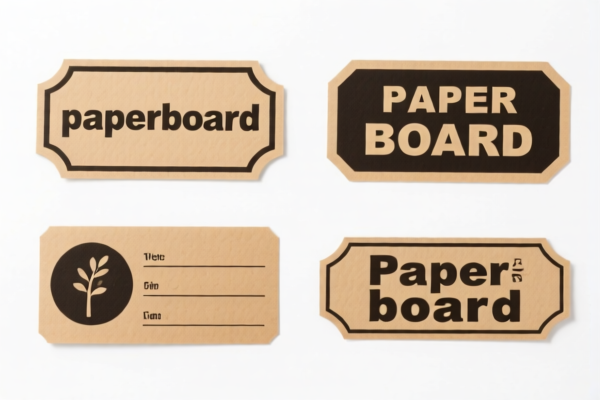
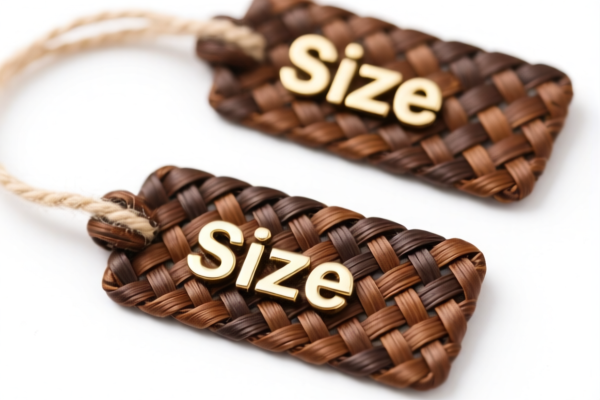
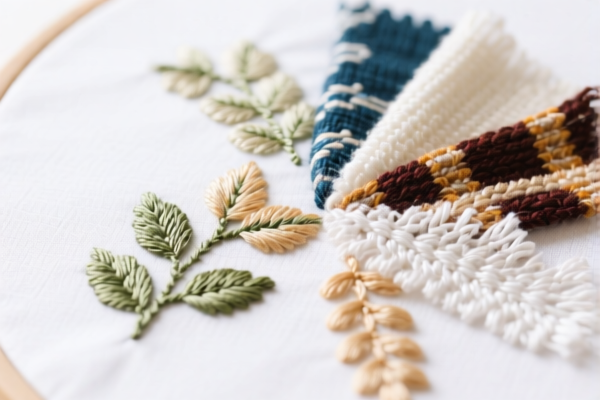
AI Analysis
🧵 Clothing Labels (Fashion Accessories & Identification Tags)
🌐 HS Code Reference & Customs Clearance Guide | 2026 Latest Tariff Breakdown | Pro-Level Import Strategy
📌 One, Product Definition & Classification: What Exactly Is a "Clothing Label"?
A clothing label is a small but critical component used for product identification, brand branding, care instructions, size information, or material composition on garments. In international trade, it’s not just a piece of fabric or paper — its material, structure, and function determine its HS Code classification.
⚠️ Key Differentiator:
- If made of paper/paperboard and used solely as a label → 4821.10.20.00 / 4821.10.40.00
- If made of cotton or synthetic fibers and sewn into garments → 5807.10.05.10 / 5807.90.05.10
- If made of plastic (PP/PET) and used as a durable tag → 3926.90.99.89📌 Important Note:
- Labels are not classified under general textile fabrics (e.g., 5208 or 5407) unless they are large enough to be considered fabric components.
- Even if the label has printing, material type is the deciding factor.
📦 Two, HS Code Classification Breakdown (2026 Official Tariff Matrix)
| HS Code | Product Description | Use Case | Material Type | Attached to Garment? |
|---|---|---|---|---|
4821.10.20.00 |
Paper or paperboard labels, not printed or with minimal printing | Basic brand labels, size tags, care labels | Paper / Paperboard | ✅ Yes |
4821.10.40.00 |
Other paper or paperboard labels, including printed or decorative ones | Fashion labels, logo tags, promotional tags | Paper / Paperboard | ✅ Yes |
5807.10.05.10 |
Labels made of cotton or man-made fibers, sewn into garments | Premium clothing labels, woven labels, branded tags | Cotton / Synthetic Fiber | ✅ Yes |
5807.90.05.10 |
Other labels made of cotton or man-made fibers | Reusable tags, durable fabric labels | Cotton / Synthetic Fiber | ✅ Yes |
3926.90.99.89 |
Other plastic articles, including PP/PET tags, plastic name tags, or durable labels | Durable tags, RFID tags, waterproof labels | Plastic (PP/PET) | ✅ Yes |
🔍 Critical Insight:
- Plastic labels are not considered textiles — they fall under plastics even if they look like fabric tags.
- Printed paper labels are still paper-based, not textile — so not classified under 5807.
- Woven cotton labels → 5807.10.05.10, not 5208 (which is for fabric rolls).
💰 Three, 2026 Latest Tariff & Duty Breakdown (With Full Tax Clause Explanation)
✅ Applicable Country: United States (US)
✅ Origin: China (CN)
✅ Effective Date: November 10, 2025 (including subsequent imports)
🎯 1. 4821.10.20.00 — Paperboard Labels (Non-Printed or Minimal Printing)
| Item | Detail |
|---|---|
| Base Tariff | 0% (ad valorem) |
| USITC Section 301 Tariff | +25% (from U.S. Trade Act 301) |
| IEEPA Section 122 Tariff | +10% (under International Emergency Economic Powers Act) |
| Total Duty Rate | 35.0% |
| Tax Calculation | CIF Value × 35% |
| De Minimis Exemption? | ❌ No (denied under U.S. de minimis rule) |
| Legal Basis Path | IEEPA:9903.01.25 → IEEPA:9903.01.24 → USITC:4821.10.20.00 → FOOTNOTE:9903.88.01 |
📌 Explanation:
- 25% USITC Tariff: Imposed under Section 301 of the U.S. Trade Act due to unfair trade practices by China.
- 10% IEEPA Tariff: Enforced under IEEPA for national security concerns, targeting goods from China/Hong Kong.
- Total: 35% — High but lower than textile labels.
🎯 2. 4821.10.40.00 — Printed or Decorative Paper Labels
| Item | Detail |
|---|---|
| Base Tariff | 0% |
| USITC Section 301 Tariff | +25% |
| IEEPA Section 122 Tariff | +10% |
| Total Duty Rate | 35.0% |
| Tax Calculation | CIF × 35% |
| De Minimis Exemption? | ❌ No |
| Legal Basis Path | IEEPA:9901.25 → IEEPA:9903.01.24 → USITC:4821.10.40.00 → FOOTNOTE:9903.88.01 |
📌 Note:
- Even if the label has colorful printing, logos, or QR codes, as long as it’s paper-based, it falls under this code.
- No difference in tax vs.4821.10.20.00.
🎯 3. 5807.10.05.10 — Cotton or Man-Made Fiber Labels (Woven/Embroidered)
| Item | Detail |
|---|---|
| Base Tariff | 7.9% |
| USITC Section 301 Tariff | +25% |
| IEEPA Section 122 Tariff | +10% |
| Total Duty Rate | 42.9% |
| Tax Calculation | CIF × 42.9% |
| De Minimis Exemption? | ❌ No |
| Legal Basis Path | IEEPA:9903.01.25 → IEEPA:9903.01.24 → USITC:5807.10.05.10 → FOOTNOTE:9903.88.01 |
📌 Why Higher?
- 7.9% base tariff applies because this is a textile product under the U.S. Harmonized Tariff Schedule.
- Plus 25% + 10% from trade sanctions → 42.9% total.
🎯 4. 5807.90.05.10 — Other Cotton or Man-Made Fiber Labels
| Item | Detail |
|---|---|
| Base Tariff | 7.9% |
| USITC Section 301 Tariff | +25% |
| IEEPA Section 122 Tariff | +10% |
| Total Duty Rate | 42.9% |
| Tax Calculation | CIF × 42.9% |
| De Minimis Exemption? | ❌ No |
| Legal Basis Path | IEEPA:9901.25 → IEEPA:9903.01.24 → USITC:5807.90.05.10 → FOOTNOTE:9903.88.01 |
📌 Note:
- Applies to non-woven fabric labels, knitted labels, or embroidered tags made from cotton/synthetic fibers.
- Same tax rate as 5807.10.05.10 — no distinction in duty.
🎯 5. 3926.90.99.89 — Plastic Labels (PP/PET) – The “Catch-All” for Durable Tags
| Item | Detail |
|---|---|
| Base Tariff | 5.3% |
| USITC Section 301 Tariff | +7.5% (reduced due to lower risk profile) |
| IEEPA Section 122 Tariff | +10% |
| Total Duty Rate | 22.8% |
| Tax Calculation | CIF × 22.8% |
| De Minimis Exemption? | ❌ No |
| Legal Basis Path | IEEPA:9903.01.25 → IEEPA:9903.01.24 → USITC:3926.90.99.89 → FOOTNOTE:9903.88.01 |
📌 Why Lower?
- Plastic is not a textile, so it doesn’t trigger the full 25% USITC tariff.
- 7.5% USITC instead of 25% → significantly lower total.
- Best option for high-volume, durable labels.
🛠️ Four, Customs Clearance Best Practices (Pro Tips to Avoid Penalties)
✅ 1. Required Documentation (Must-Have Checklist)
| Document | Required? | Purpose |
|---|---|---|
| ✅ Product Specification Sheet | ✔️ | Material, size, thickness, printing type |
| ✅ Material Certificate (PP/PET / Cotton / Paper) | ✔️ | Prove material type for correct HS Code |
| ✅ High-Res Product Photos (with label details) | ✔️ | Show stitching, printing, material |
| ✅ Commercial Invoice | ✔️ | Must state: “Clothing Label, [Material], [HS Code]” |
| ✅ Certificate of Origin (CO) | ✔️ | If from Vietnam/Mexico, may qualify for lower tariffs |
| ✅ Packing List | ✔️ | Show quantity per package, total weight |
| ✅ Test Report (if plastic) | ✔️ | RoHS, FDA (if food-contact), flammability |
✅ 2.申报技巧(Key Tips)
🔥 “Material First, Form Second — Label Type Defines Tax!”
| Scenario | Correct HS Code | Wrong Code | Risk |
|---|---|---|---|
| Paper label with logo | 4821.10.40.00 |
5807.10.05.10 |
Higher tax + penalties |
| Woven cotton label | 5807.10.05.10 |
4821.10.40.00 |
Underpaid duty → audit risk |
| PP plastic tag | 3926.90.99.89 |
4821.10.40.00 |
Overpaying by 12% |
| PET RFID tag | 3926.90.99.89 |
5807.90.05.10 |
Tax up to 42.9% vs. 22.8% |
✅ 3. Special Cases & Solutions
| Situation | Recommended Action |
|---|---|
| Mixed shipment (paper + plastic labels) | Separate by HS Code — declare in different invoices |
| Labels with embedded RFID chips | Still 3926.90.99.89 — not electronic devices |
| Labels made in Vietnam/Mexico | Apply for IEEPA exemption → 0% tariff |
| Custom-designed labels | Provide design proof + material test report to avoid misclassification |
🌍 Five, Global Market Tariff Comparison (2026 Update)
| Country/Region | Recommended HS Code | Tariff | Certification | Notes |
|---|---|---|---|---|
| 🇺🇸 USA | 4821.10.40.00 / 3926.90.99.89 |
22.8%–42.9% | None (but must prove material) | High risk if misclassified |
| 🇨🇳 China | 4821.10.40.00 |
5% | CCC (if plastic) | No extra tariffs |
| 🇪🇺 EU | 4821.10.40.00 |
0% (if CE) | CE | No 301/IEEPA tariffs |
| 🇦🇺 Australia | 3926.90.99.89 |
5% | RCM | Plastic tags exempt from textile rules |
| 🇯🇵 Japan | 4821.10.40.00 |
0% | PSE | No additional tariffs |
📌 Takeaway:
- The U.S. is the only market with high附加 taxes on clothing labels.
- Plastic labels are the most cost-effective for U.S. importers.
📌 Six, Common Mistakes & How to Avoid Them (Real-World Pitfalls)
❌ Mistake 1: Calling a plastic label a “fabric tag” → declared as 5807.10.05.10
👉 Result: Pay 42.9% instead of 22.8% → Extra cost: 19.1% on every shipment!
❌ Mistake 2: Using “Clothing Label” as the product name without specifying material
👉 Result: Customs can reclassify → audit, delay, or seizure
❌ Mistake 3: Not providing material test reports for plastic labels
👉 Result: Customs may refuse entry or demand re-testing
❌ Mistake 4: Merging paper and plastic labels into one shipment under one HS Code
👉 Result: Incorrect classification → fines + penalties
✅ Correct Way to Declare:
“Plastic Clothing Label, PP Material, 2.5 cm x 1.5 cm, Sewn-in, Model XYZ, RoHS Certified, HS Code: 3926.90.99.89”
🎯 Seven, Final Verdict: Smart Classification = Big Savings!
🎯 Golden Rule:
🔹 “Material Dictates Code — Paper = 35%, Fabric = 42.9%, Plastic = 22.8%”
🔹 “Never assume — verify material, declare accurately, avoid penalties!”🚨 Warning:
- U.S. Customs will audit if duty is underpaid.
- No de minimis for clothing labels — even $100 worth triggers full tariff.
📣 Act Now: Optimize Your Label Import Strategy!
📞 Contact a U.S. Customs Broker + Request HS Code Pre-Ruling
🚀 Switch to PP/PET labels if shipping to the U.S. → save 15–20% in duty
🌐 Source from Vietnam/Mexico → qualify for IEEPA exemption → 0% tariff
✨ Professional Clearance Starts with Accurate Classification!
💼 Your label cost isn’t just material — it’s HS Code + Tax + Risk.
✅ Get it right the first time — avoid delays, fines, and lost profits!
Customer Reviews
About HS Code Classification
The Harmonized System (HS) is an internationally standardized nomenclature developed by the World Customs Organization (WCO) to classify traded products. Over 200 countries use the HS system as the basis for customs tariffs, trade statistics, and import/export regulations.
Each HS code follows a hierarchical structure:
- Chapter (2 digits) — Broad category of goods (e.g., Chapter 84: Machinery and Mechanical Appliances)
- Heading (4 digits) — More specific grouping within the chapter
- Subheading (6 digits) — Internationally standardized breakdown, used by all WCO member countries
- National subdivisions (8-10 digits) — Country-specific extensions for further classification, such as US HTSUS 10-digit codes
Correct HS code classification is essential for smooth customs clearance, accurate duty payment, and compliance with trade regulations. Misclassification can lead to customs delays, overpayment of duties, or penalties.
When importing from CN to US, the applicable tariff rates may include:
- Most-Favored-Nation (MFN) rate — The standard duty rate applied to WTO members
- General rate — Applied to countries without trade agreements
- Trade remedy duties — Additional tariffs such as Section 301 (anti-dumping), Section 232 (national security), or countervailing duties
The information provided on this page is for reference purposes only. For official classification, please consult with your local customs authority or a licensed customs broker.