木底皮革凉鞋
CN → US| HS Code | Tariff Rate | Origin | Destination | Doc |
|---|---|---|---|---|
| 6405100030 | 27.5% | CN | US | Official Doc |
| 6405100060 | 27.5% | CN | US | Official Doc |
| 6403511100 | 10.0% | CN | US | Official Doc |
| 6403992060 | 18.0% | CN | US | Official Doc |
| 6405100030 | 27.5% | CN | US | Official Doc |
Product Images
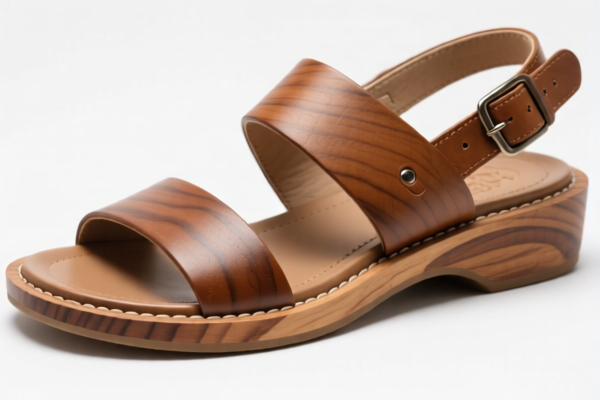
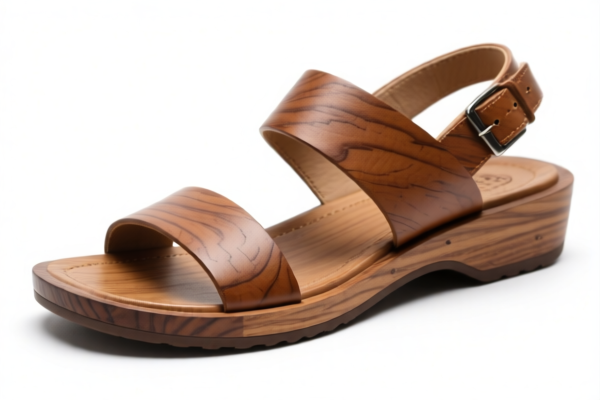
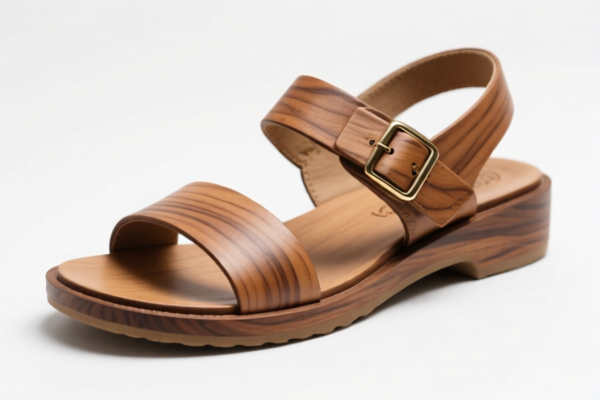
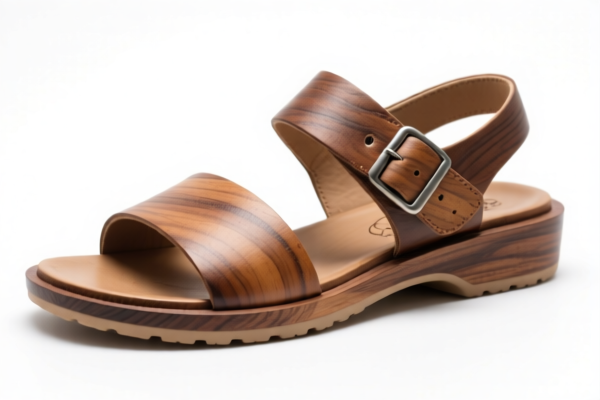
AI Analysis
👡 Leather Wood-Soled Sandals (Leather Upper, Wood Sole)
🌐 HS Code Reference & Customs Clearance Guide | 2026 Latest Tariff Analysis | Professional Entry Strategies
📌 I. Product Definition & Classification: What Exactly Are "Wood-Soled Leather Sandals"?
Leather wood-soled sandals are a specific category of footwear characterized by a leather upper and a wooden sole. In international trade, classification depends heavily on the specific material composition of the outsole and upper, as well as the product's structural design. The following HS Codes cover the various interpretations and structural requirements for these items.
⚠️ Key Distinction Points:
- If the upper is leather but classified under "Other footwear" (generic leather upper), it often falls under 6405.10.00.30 or .60.
- If the sole AND upper are BOTH leather, and the sole is wooden, it may qualify for 6403.51.11.00.
- If the structure meets specific material/structural requirements for mixed materials, it may fall under 6403.99.20.60.
- Misclassification Alert: Treating a leather-upper/wood-sole shoe as a generic leather shoe can lead to higher tariffs if not properly justified under specific subheadings.
📦 II. HS Code Classification Details (2026 Latest Tariff Authority Comparison)
| HS Code | Product Description | Applicable Scenario | Material/Structure Key |
|---|---|---|---|
6405.10.00.30 |
Leather wood-soled sandals, upper is leather, classified under "Other footwear" | Generic leather-upper sandals, standard commercial classification | ✅ Upper: Leather, Sole: Wood |
6405.10.00.60 |
Leather wood-soled sandals, upper is leather, classified as "Women's/General Footwear" | Women’s specific models or general-purpose leather sandals | ✅ Upper: Leather, Sole: Wood |
6403.51.11.00 |
Leather wood-soled sandals, outsole and upper are leather, sole is wooden | High-end, traditional craftsmanship, full leather construction | ✅ Outsole: Leather, Upper: Leather, Midsole: Wood |
6403.99.20.60 |
Leather wood-soled sandals, upper is leather, sole is wooden, meets specific material & structural requirements | Specialized structural designs meeting detailed customs criteria | ✅ Upper: Leather, Sole: Wood, Specific Compliance |
🔍 Important Note:
-6405.10.00.30/.60and6403.99.20.60carry significantly higher tax burdens due to additional duties.
-6403.51.11.00has a much lower base tariff but requires strict proof that both the outsole and upper are leather.
- Do not mix up "leather upper" with "leather outsole." The presence of wood in the sole often pushes classification to Chapter 64 subheadings depending on the exact layering.
💰 III. 2026 Latest Tariff Rate Breakdown (Including Surcharges, Policy Add-ons)
✅ Applicable Country: United States (US)
✅ Origin: China (CN)
✅ Effective Time: 2025年11月10日起 (Includes subsequent imports)
🎯 1. 6405.10.00.30 —— Leather Wood-Soled Sandals (Generic "Other Footwear" Classification)
| Item | Content |
|---|---|
| Base Tariff | 10.0% (ad valorem) |
| Section 301 Surcharge | +7.5% |
| Section 122 Tariff | +10.0% |
| Total Tariff Rate | 27.5% |
| Tax Calculation | CIF Value × 27.5% |
| De Minimis Exemption Eligible? | ❌ NO (Denied) |
| Legal Basis Path | Base: 10.0% → 301: 7.5% → 122: 10.0% |
📌 Explanation:
- This classification treats the item as a generic leather-upper shoe, triggering the Section 122 tariff (10%) and Section 301 surcharge (7.5%) on top of the 10% base duty.
- Total 27.5% is a moderate-to-high rate for footwear.
🎯 2. 6405.10.00.60 —— Leather Wood-Soled Sandals (Women’s/General Classification)
| Item | Content |
|---|---|
| Base Tariff | 10.0% |
| Section 301 Surcharge | +7.5% |
| Section 122 Tariff | +10.0% |
| Total Tariff Rate | 27.5% |
| Tax Calculation | CIF Value × 27.5% |
| De Minimis Exemption Eligible? | ❌ NO (Denied) |
| Legal Basis Path | Base: 10.0% → 301: 7.5% → 122: 10.0% |
📌 Note:
- Identical tax treatment to.30. The distinction is purely statistical/classificatory for women’s vs. general inventory.
- No benefit is gained by splitting inventory into women’s vs. general categories regarding tax.
🎯 3. 6403.51.11.00 —— Leather Wood-Soled Sandals (Outsole & Upper Both Leather)
| Item | Content |
|---|---|
| Base Tariff | 0.0% |
| Section 301 Surcharge | 0.0% |
| Section 122 Tariff | +10.0% |
| Total Tariff Rate | 10.0% |
| Tax Calculation | CIF Value × 10.0% |
| De Minimis Exemption Eligible? | ❌ NO (Denied) |
| Legal Basis Path | Base: 0.0% → 301: 0.0% → 122: 10.0% |
📌 Critical Advantage:
- This is the most tax-efficient classification provided in the data.
- Why? If you can prove the outsole is leather (even if wooden underneath or combined), it falls under Chapter 64.03 (Footwear with outer soles of leather).
- Result: Base duty is 0%, and Section 301 surcharge is 0%. Only the Section 122 10% applies.
- Total Savings: 17.5% less than the other classifications!
🎯 4. 6403.99.20.60 —— Leather Wood-Soled Sandals (Specific Structural Compliance)
| Item | Content |
|---|---|
| Base Tariff | 8.0% |
| Section 301 Surcharge | 0.0% |
| Section 122 Tariff | +10.0% |
| Total Tariff Rate | 18.0% |
| Tax Calculation | CIF Value × 18.0% |
| De Minimis Exemption Eligible? | ❌ NO (Denied) |
| Legal Basis Path | Base: 8.0% → 301: 0.0% → 122: 10.0% |
📌 Explanation:
- This code applies when the product meets specific material/structural requirements but doesn’t fully qualify for the 0% base rate of.51.
- Note: Section 301 surcharge is 0% here, which is a benefit, but the base duty is 8%, leading to a 18% total.
- Optimization Tip: Try to qualify for.51instead of.99to save 8% on base duty.
🛠️ IV. Customs Clearance Practical Advice (Real-World Pitfall Guide)
✅ 1. Documentation Checklist (Essential)
| Document | Required | Explanation |
|---|---|---|
| ✅ Product Specification Sheet | ✔️ | Must detail: Upper material (Leather), Sole material (Wood + Leather outsole if claiming .51), Insole material |
| ✅ Cross-Sectional Diagram | ✔️ | Critical for 6403.51.11.00: Must show the leather outsole layer explicitly. |
| ✅ Product Photos (Clear) | ✔️ | Side view showing sole layers, top view showing upper |
| ✅ Commercial Invoice | ✔️ | Must accurately describe "Sandals, Leather Upper, Wood Sole, Leather Outsole" |
| ✅ Packing List | ✔️ | Standard format |
| ✅ Third-Party Test Report | ✔️ | Material composition analysis (Leather content %) |
✅ 2. Declaration Strategy (Key Mantra)
🔥 "Prove Leather Outsole, Save 17.5% Tax!"
| Scenario | Correct Declaration | Wrong Practice |
|---|---|---|
| Full Leather Construction (Upper + Outsole) | 6403.51.11.00 (10% Total) |
Mislabel as "Other Footwear" → 27.5% |
| Leather Upper, Wood Sole, No Leather Outsole | 6405.10.00.30/.60 (27.5% Total) |
Claim .51 without proof → Seizure/Fine |
| Specific Structural Compliance | 6403.99.20.60 (18% Total) |
Generic description → Delay |
| Mixed Materials | Ensure "Leather Outsole" is stated | Hide wood/leather mix → Risk of audit |
📌 Crucial Point:
- For6403.51.11.00, the outsole must be leather. If the wood is the direct contact surface with the ground, it might be classified under different rules. However, the data suggests6403.51.11.00allows for "sole is wooden" while having a leather outsole (likely a leather layer on wood, or traditional clog construction). Verify with customs broker if the wood is exposed.
- If the wood is the primary sole material without a leather layer,6405(Other) may be the only option, but6403codes generally require leather outsoles. Check specific US Customs rulings for "Leather Upper, Wood Sole" to see if wood counts as "leather" in any form or if a leather layer is mandatory.
✅ 3. Special Situations
| Situation | Handling Advice |
|---|---|
| OEM Custom Shoes | Provide design sketches showing sole layers. If leather outsole is present, claim 6403.51.11.00. |
| "Wooden" Sandals | If the sole is 100% wood with no leather, it may fall outside Chapter 64.03. Consult broker. |
| Mixed Upper (Leather + Textile) | May fall under 6403.99.20.60 or 6405. Avoid 6403.51 if upper is not 100% leather. |
| Pre-shipment Inspection | Use SGS/Intertek to verify material composition. |
🌍 V. Global Market Comparison (2026 Latest)
| Country/Region | Recommended HS Code | Tariff (CN Origin) | Notes |
|---|---|---|---|
| 🇺🇸 USA | 6403.51.11.00 |
10.0% (Total) | Best option if leather outsole exists. |
| 🇺🇸 USA | 6405.10.00.30 |
27.5% (Total) | Default for leather-upper, non-leather-outsole. |
| 🇨🇳 China | 6403.51.11.00 |
~10-15% | Import duty varies. |
| 🇪🇺 EU | 6403.51.11.00 |
~10% | No Section 301/122 equivalents, but anti-dumping may apply. |
📌 Conclusion:
- USA is the key market for these specific surcharges (Section 122 + 301).
- Optimization Goal: Aim for6403.51.11.00to reduce tariff from 27.5% to 10.0%.
📌 VI. Common Mistakes & Pitfalls (Lessons Learned)
❌ Mistake 1: Declaring "Leather Sandals" without specifying sole structure.
👉 Consequence: Customs defaults to highest tax rate category (27.5%).
❌ Mistake 2: Claiming 6403.51.11.00 when the outsole is actually rubber or synthetic.
👉 Consequence: Audited, back taxes + penalties + seizure.
❌ Mistake 3: Ignoring Section 122 Tariff.
👉 Consequence: Underestimating landing cost by 10%. All listed HS codes include 122.
❌ Mistake 4: Assuming "Wood Sole" exempts from Section 301.
👉 Consequence: Section 301 applies to 6405 but NOT to 6403.51/99. This is a major optimization opportunity!
✅ Correct Action:
"Sandals, Women's, Leather Upper, Leather Outsole over Wood Midsole, Model XYZ, Certified Leather Content."
🎯 VII. Conclusion: Smart Classification Saves Money!
🎯 Remember:
🔹 "Leather Outsole = 0% Section 301!"
🔹 "Total Tax Drops from 27.5% to 10%!"
🔹 "Document the Leather Layer!"
📌 Pro Tip:
If your sandals have a leather outsole (even if thin), always declare under 6403.51.11.00.
If the sole is pure wood or synthetic, use 6405.10.00.30 but budget for 27.5%.
Always apply for an Advance Ruling if the sole structure is ambiguous.
📣 Immediate Action:
📞 Contact Customs Broker + Provide Sole Cross-Section Image + Verify Leather Content
🚀 Maximize Profit by Minimizing Tariff!
✨ Professional Clearance Starts with Accurate Classification!
💼 Every Percentage Point Saved is Profit Added!
Customer Reviews
About HS Code Classification
The Harmonized System (HS) is an internationally standardized nomenclature developed by the World Customs Organization (WCO) to classify traded products. Over 200 countries use the HS system as the basis for customs tariffs, trade statistics, and import/export regulations.
Each HS code follows a hierarchical structure:
- Chapter (2 digits) — Broad category of goods (e.g., Chapter 84: Machinery and Mechanical Appliances)
- Heading (4 digits) — More specific grouping within the chapter
- Subheading (6 digits) — Internationally standardized breakdown, used by all WCO member countries
- National subdivisions (8-10 digits) — Country-specific extensions for further classification, such as US HTSUS 10-digit codes
Correct HS code classification is essential for smooth customs clearance, accurate duty payment, and compliance with trade regulations. Misclassification can lead to customs delays, overpayment of duties, or penalties.
When importing from CN to US, the applicable tariff rates may include:
- Most-Favored-Nation (MFN) rate — The standard duty rate applied to WTO members
- General rate — Applied to countries without trade agreements
- Trade remedy duties — Additional tariffs such as Section 301 (anti-dumping), Section 232 (national security), or countervailing duties
The information provided on this page is for reference purposes only. For official classification, please consult with your local customs authority or a licensed customs broker.