木碗
CN → US| HS Code | Tariff Rate | Origin | Destination | Doc |
|---|---|---|---|---|
| 4421999880 | 38.3% | CN | US | Official Doc |
| 4421919880 | 38.3% | CN | US | Official Doc |
| 4420110090 | 13.2% | CN | US | Official Doc |
| 4419901100 | 15.3% | CN | US | Official Doc |
| 4419909100 | 20.7% | CN | US | Official Doc |
| 4420110010 | 13.2% | CN | US | Official Doc |
Product Images
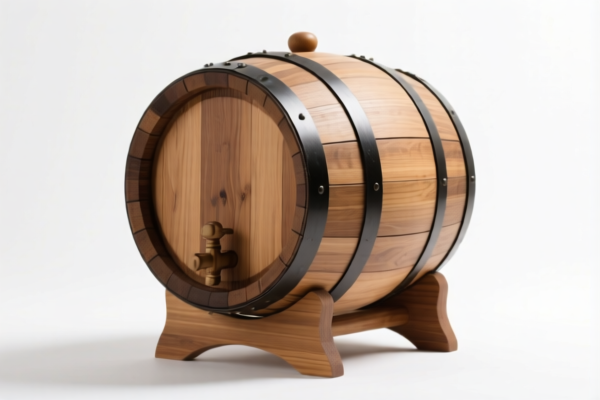
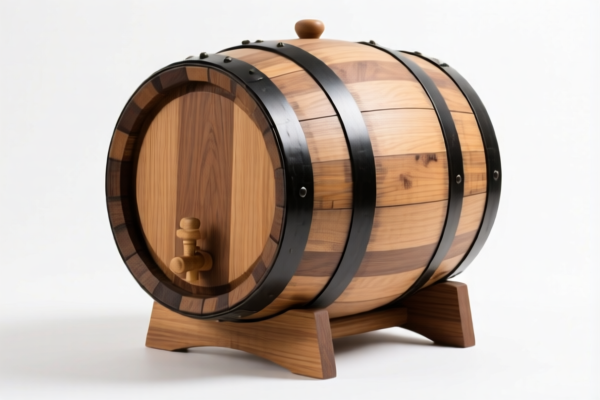
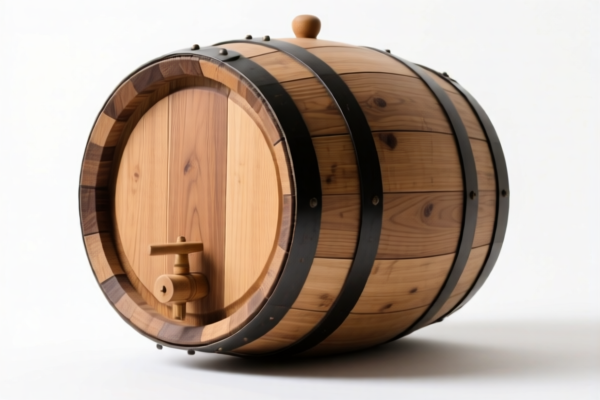
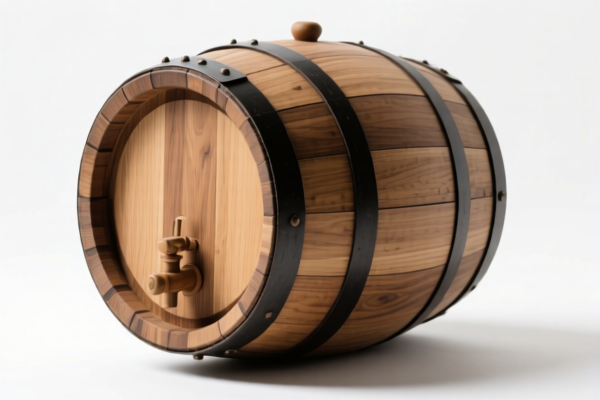
AI Analysis
🥣 Wooden Bowls (Wooden Tableware/Kitchen Utensils)
🌐 HS Code Reference & Customs Clearance Guide | 2026 Latest Tariff Analysis | Professional Customs Strategy
📌 I. Product Definition & Classification: Do You Really Understand "Wooden Bowls"?
Wooden bowls, a classic category in kitchenware and tableware, are classified based on their material (Wood) and primary use (Tableware/Kitchen Utensils). In international trade, the classification depends heavily on whether the item is recognized specifically as "tableware" or falls under broader "other wood products."
Key Classification Logic: * Tableware/Kitchenware Focus: Items explicitly defined as bowls, plates, or cutlery used for dining or food preparation. * Material Constraint: Must be made of wood (or primarily wood). * Specificity: If the specific type of wood is not stated, customs may default to "Other" (General) categories under Chapter 44.
⚠️ Critical Distinction Point:
- If the bowl is explicitly identified as wooden tableware, it typically falls under 4419 (Wooden Tableware or Kitchenware).
- If the classification focuses on the generic wooden vessel nature without strict tableware definition, it may fall under 4420 (Decorative woodwork) or 4421 (Other articles of wood).
- Impact: The HS code choice drastically changes the tax burden due to different base rates and Section 301/122 tariffs.
📦 II. HS Code Classification Details (2026 Latest Tariff Authority Comparison)
| HS Code | Product Description | Application Scenario | Tariff Category |
|---|---|---|---|
4419.90.11.00 |
Wooden tableware or kitchenware (Other than bamboo) | Wooden bowls, plates, chopsticks, cutting boards | Tableware/Kitchen |
4419.90.91.00 |
Wooden tableware or kitchenware (Bamboo) | Bamboo bowls, bamboo utensils | Tableware/Kitchen |
4420.11.00.10 |
Wood inlays and marquetry (Other than wood veneers) | Decorative wooden items, often used as a catch-all for unspecified wood articles | Other Woodwork |
4420.11.00.90 |
Wood inlays and marquetry (Other than wood veneers) | Similar to above, generic "other" wood articles | Other Woodwork |
4421.91.98.80 |
Other articles of wood (Other than furniture, footwear, etc.) | Generic wooden vessels, non-tableware wood products | Other Wood Products |
4421.99.98.80 |
Other articles of wood (Other than furniture, footwear, etc.) | Generic wooden vessels, non-tableware wood products | Other Wood Products |
🔍 Key Insight:
- 4419 Codes: Specifically for tableware/kitchenware. Usually lower base tariffs but subject to specific trade remedies.
- 4420/4421 Codes: Used when the item is considered a generic wood article rather than specific tableware. Often higher tariffs due to "Other" classifications.
- Bamboo vs. Wood: Note that4419.90.91.00is for Bamboo. If the bowl is truly wood (not bamboo), do not use this code.
💰 III. 2026 Latest Tariff Rate Breakdown (Including Additional Taxes, Policy Surcharges)
✅ Applicable Country: USA (US)
✅ Country of Origin: China (CN)
✅ Effective Time: Post-November 2025 (Including subsequent imports)
🎯 1. 4419.90.11.00 —— Wooden Tableware/Kitchenware (Non-Bamboo)
| Item | Content |
|---|---|
| Base Tariff | 5.3% (ad valorem) |
| Section 301 Surcharge | 0.0% (No additional 25% tariff for this specific subheading under current data) |
| Section 122 Tariff | 10.0% (Additional surcharge for specific countries/origins) |
| Total Tariff Rate | 15.3% |
| Tax Calculation | CIF Value × 15.3% |
| De Minimis Eligibility | ❌ Not Applicable (Direct shipment from China usually subject to full duties) |
| Legal Basis Path | USITC:4419.90.11.00 → Section 122: 10% |
📌 Explanation:
- This is often the most favorable code for wooden bowls if clearly classified as tableware.
- The 15.3% total includes a 5.3% base and a 10% Section 122 surcharge.
- Crucial: No 25% Section 301 tariff applies here, making it significantly cheaper than other "wood" categories.
🎯 2. 4419.90.91.00 —— Wooden Tableware/Kitchenware (Bamboo)
| Item | Content |
|---|---|
| Base Tariff | 3.2% (ad valorem) |
| Section 301 Surcharge | 7.5% (Partial Section 301 inclusion) |
| Section 122 Tariff | 10.0% |
| Total Tariff Rate | 20.7% |
| Tax Calculation | CIF Value × 20.7% |
| De Minimis Eligibility | ❌ Not Applicable |
| Legal Basis Path | USITC:4419.90.91.00 → Section 122: 10% → Section 301: 7.5% |
📌 Note:
- WARNING: This code is for Bamboo. If your product is Wood, do NOT use this code. Misclassification leads to penalties.
- The rate is 20.7%, which is higher than the non-bamboo wood tableware (15.3%) due to the 7.5% Section 301 component.
- Ensure the material is correctly identified. If it’s wood, use4419.90.11.00(15.3%).
🎯 3. 4420.11.00.10 & 4420.11.00.90 —— Other Wood Articles (Generic)
| Item | Content |
|---|---|
| Base Tariff | 3.2% (ad valorem) |
| Section 301 Surcharge | 0.0% |
| Section 122 Tariff | 10.0% |
| Total Tariff Rate | 13.2% |
| Tax Calculation | CIF Value × 13.2% |
| De Minimis Eligibility | ❌ Not Applicable |
| Legal Basis Path | USITC:4420.11.00.10/90 → Section 122: 10% |
📌 Explanation:
- This code has the lowest total rate (13.2%).
- It applies when the item is considered a generic wood article rather than specific tableware.
- Risk: Customs may challenge this if the item is clearly a "bowl" used for eating. However, if classified as "other wood products," it avoids higher Section 301 taxes.
- Strategy: Use this if you can justify the item as "decorative" or "generic vessel" rather than "tableware," but be prepared for customs inquiry.
🎯 4. 4421.99.98.80 & 4421.91.98.80 —— Other Articles of Wood (High Tariff)
| Item | Content |
|---|---|
| Base Tariff | 3.3% (ad valorem) |
| Section 301 Surcharge | 25.0% (Full Section 301 application) |
| Section 122 Tariff | 10.0% |
| Total Tariff Rate | 38.3% |
| Tax Calculation | CIF Value × 38.3% |
| De Minimis Eligibility | ❌ Not Applicable |
| Legal Basis Path | USITC:4421.99.98.80 → Section 301: 25% → Section 122: 10% |
📌 Note:
- This is the highest tariff category (38.3%).
- It applies to generic wooden products not classified as tableware or inlays.
- Avoid this code if your product is a bowl, as it attracts the full 25% Section 301 tariff plus 10% Section 122.
- Only use if the item is clearly not tableware (e.g., a wooden sculpture, non-food-contact wooden item).
🛠️ IV. Customs Clearance Practical Advice (Pitfall Avoidance Guide)
✅ 1. Required Documentation Checklist
| Document | Must Provide | Description |
|---|---|---|
| ✅ Product Specification Sheet | ✔️ | Material (Wood type if possible), Usage (Tableware vs. Decorative), Dimensions |
| ✅ Product Photos | ✔️ | Clear images showing the bowl, label, and any markings |
| ✅ Commercial Invoice | ✔️ | Clearly state "Wooden Bowls" or "Wooden Tableware" |
| ✅ Packing List | ✔️ | Quantity, weight, and packaging details |
| ✅ Material Declaration | ✔️ | Confirm if the material is Wood or Bamboo (Critical for HS Code selection) |
✅ 2. Declaration Tips (Key Mantras)
🔥 "Material First, Usage Second, Tariff Depends on Choice!"
| Scenario | Correct Declaration | Incorrect Action |
|---|---|---|
| Wooden Bowls (Tableware) | 4419.90.11.00 (15.3%) |
Use 4421.99.98.80 → 38.3% |
| Bamboo Bowls | 4419.90.91.00 (20.7%) |
Use 4419.90.11.00 → Misclassification |
| Generic Wooden Vessels | 4420.11.00.10 (13.2%) |
If clearly tableware, risk of customs rejection |
| Decorative Wooden Items | 4421.91.98.80 (38.3%) |
Use if non-food-contact, but high tax |
📌 Key Reminder:
- If the bowl is used for eating, it is Tableware →4419.
- If the bowl is Bamboo, it is4419.90.91.00→ 20.7%.
- If the bowl is Wood, it is4419.90.11.00→ 15.3%.
- If the bowl is Generic/Decorative, it might be4420→ 13.2%, but risky.
✅ 3. Special Cases Handling
| Case | Handling Advice |
|---|---|
| OEM Custom Wooden Bowls | Provide design drawings to prove material and usage |
| Mixed Wood & Bamboo | Declare separately if possible; otherwise, use the higher tariff code |
| Wooden Bowls with Metal Parts | Still classified under 4419 if wood is primary material |
| Bamboo vs. Wood Dispute | Provide botanical analysis if challenged; Bamboo has different tariff structure |
🌍 V. Global Market Clearance Comparison (2026 Latest)
| Country/Region | Recommended HS Code | Tariff | Certification | Notes |
|---|---|---|---|---|
| 🇺🇸 USA | 4419.90.11.00 |
15.3% (Wood) | FDA (if food contact) | 15.3% is optimal for wooden tableware |
| 🇨🇳 China | 4419.90.11.00 |
5.3% | CCC (if applicable) | No Section 122/301 |
| 🇪🇺 EU | 4419.00.10 |
0-4% | CE, LFGB | Low tariff, focus on food safety |
| 🇬🇧 UK | 4419.00.10 |
0-4% | UKCA | Post-Brexit rules apply |
| 🇦🇺 Australia | 4419.00.10 |
5% | ACCC | No major surcharges |
📌 Conclusion:
- USA is the most complex market for wooden bowls due to Section 122 and Section 301 tariffs.
- China-produced wooden tableware in the US faces a 15.3% effective rate if correctly classified under4419.90.11.00.
- Bamboo products face a 20.7% rate, so ensure material accuracy.
📌 VI. Common Errors & Pitfall Guide (Lessons Learned)
❌ Error 1: Classifying wooden bowls as 4421.99.98.80
👉 Consequence: 38.3% tariff instead of 15.3% → Cost increase of 23%!
❌ Error 2: Using bamboo code (4419.90.91.00) for wooden bowls
👉 Consequence: Misclassification penalty + potential audit. Also, rate is 20.7% vs 15.3%.
❌ Error 3: Not specifying "Tableware" in description
👉 Consequence: Customs may reclassify to 4421 → 38.3% or 4420 → 13.2% (risky).
❌ Error 4: Assuming all wood products have the same tariff
👉 Consequence: Failure to distinguish between Tableware (4419) and Other Wood (4420/4421).
✅ Correct Action:
"Wooden Bowl, Tableware, Non-Bamboo, Food-Contact Safe, Model XYZ, Certified for US Import"
🎯 VII. Conclusion: Precise Classification Saves Money!
🎯 Remember the Mantra:
🔹 "Wooden Tableware: 15.3% (4419.90.11.00)"
🔹 "Bamboo Tableware: 20.7% (4419.90.91.00)"
🔹 "Generic Wood: 38.3% (4421.99.98.80) – AVOID!"
🔹 "Material Matters: Wood vs. Bamboo Changes Tariff!"
📌 Pro Tip:
- If your product is 100% Wood and used for dining, use 4419.90.11.00 for the lowest compliant rate (15.3%).
- Always include product photos and material declarations in your initial submission to prevent customs delays.
- Consider applying for a Pre-Ruling (Advance Ruling) from US Customs if you have large volumes, to lock in the 15.3% rate.
📣 Immediate Action:
📞 Consult a licensed customs broker + Provide product specs + Apply for HS Code Pre-Ruling
🚀 Ensure your wooden bowls clear customs smoothly, minimize costs, and maximize profits!
✨ Professional Customs, Starting with Accurate Classification!
💼 Every cent of tax cost is worth precise calculation!
Customer Reviews
About HS Code Classification
The Harmonized System (HS) is an internationally standardized nomenclature developed by the World Customs Organization (WCO) to classify traded products. Over 200 countries use the HS system as the basis for customs tariffs, trade statistics, and import/export regulations.
Each HS code follows a hierarchical structure:
- Chapter (2 digits) — Broad category of goods (e.g., Chapter 84: Machinery and Mechanical Appliances)
- Heading (4 digits) — More specific grouping within the chapter
- Subheading (6 digits) — Internationally standardized breakdown, used by all WCO member countries
- National subdivisions (8-10 digits) — Country-specific extensions for further classification, such as US HTSUS 10-digit codes
Correct HS code classification is essential for smooth customs clearance, accurate duty payment, and compliance with trade regulations. Misclassification can lead to customs delays, overpayment of duties, or penalties.
When importing from CN to US, the applicable tariff rates may include:
- Most-Favored-Nation (MFN) rate — The standard duty rate applied to WTO members
- General rate — Applied to countries without trade agreements
- Trade remedy duties — Additional tariffs such as Section 301 (anti-dumping), Section 232 (national security), or countervailing duties
The information provided on this page is for reference purposes only. For official classification, please consult with your local customs authority or a licensed customs broker.