机油阀开关
CN → US| HS Code | Tariff Rate | Origin | Destination | Doc |
|---|---|---|---|---|
| 8481200010 | 37.0% | CN | US | Official Doc |
| 8481200030 | 37.0% | CN | US | Official Doc |
| 8708996890 | 87.5% | CN | US | Official Doc |
| 8708407580 | 37.5% | CN | US | Official Doc |
Product Images
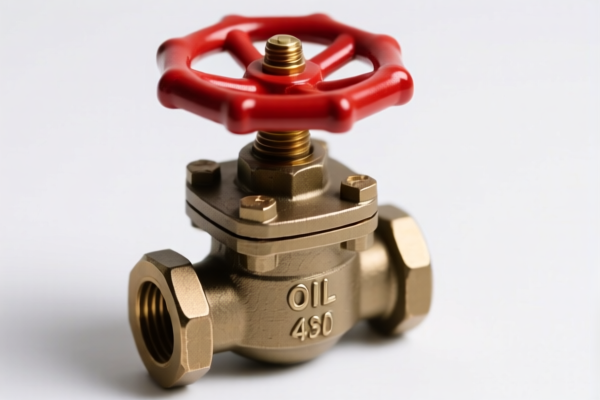
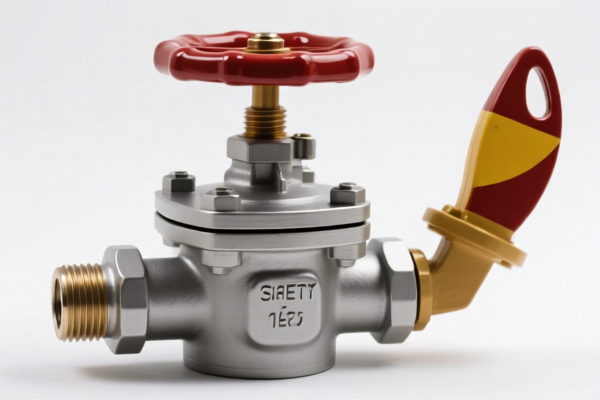
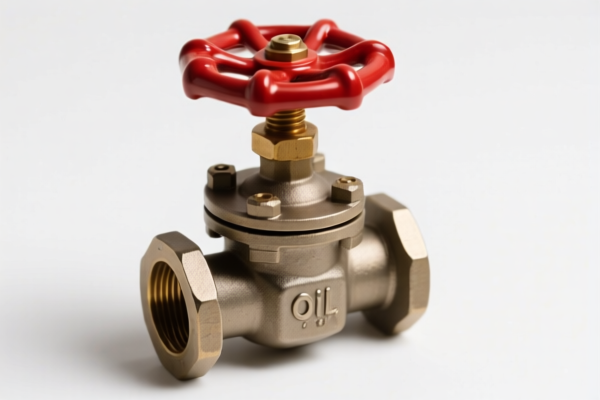
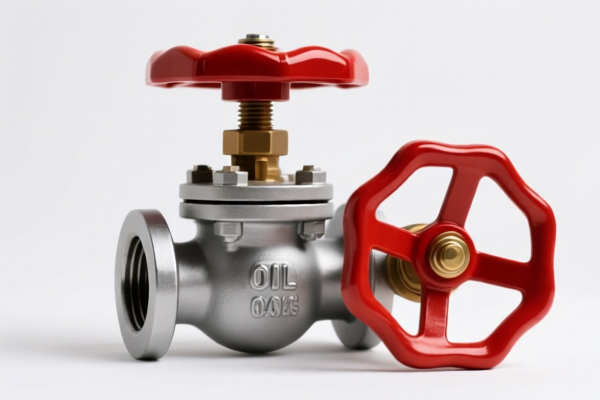
AI Analysis
🛢️ Oil Valve & Switches (Automotive Fluid Control Components)
🌐 HS Code Reference & Customs Clearance Guide | 2026 Latest Tariff Analysis | Professional通关 Strategy
📌 One, Product Definition & Classification: Do You Really Understand "Oil Valves & Switches"?
"Oil Valve Switch" is a collective term in automotive engineering referring to components within the engine's lubrication, cooling, or hydraulic systems. These parts are critical for pressure regulation, flow direction, or safety cutoff. In international trade, they are strictly classified based on their primary function and system integration.
1. Hydraulic/Pneumatic Control Valves (8481 Series):
Used for controlling pressure or flow in hydraulic/pneumatic systems. Common materials are metal or oil-resistant plastics.
2. Vehicle Transmission/Gearbox Parts (8708 Series):
Parts related to power transmission or gearbox control (e.g., selector switches, pressure switches integrated into the gearbox).
⚠️ Critical Distinction Point:
- If the part is a standalone valve for fluid pressure/flow control (not specific to a vehicle's gearbox mechanism) →归类 to 8481.20 (Valves).
- If the part is a switch or component specifically for a gearbox/transmission system (e.g., a selector valve or pressure switch for auto-transmission) → 归类 to 8708.40 or 8708.99 (Vehicle Parts).
📦 二、HS Code Classification Details (2026 Latest Tariff Authority Comparison)
Based on the provided data, here are the precise classifications for "Oil Valve/Switch" products:
| HS Code | Product Description | Applicability Scenario | Material Inference |
|---|---|---|---|
8481.20.00.30 |
Valves for hydraulic/pneumatic systems (Pressure/Flow Control) | Standalone oil pressure relief valves, flow control valves in hydraulic systems | Metal or Oil-resistant Plastic |
8481.20.00.10 |
Valves for hydraulic/oil transmission (Directional/Manual Control) | Manual directional control valves, hydraulic directional valves | Metal or Plastic |
8708.40.75.80 |
Parts for Gearboxes (Switch-type Parts) | Gearbox selector switches, pressure switches integrated into transmission housing | Metal or Plastic |
8708.99.68.90 |
Other Vehicle Power Transmission Parts | Non-standard transmission components, hydraulic pumps for power transfer | Metal, Aluminum, Copper, or Plastic |
8708.99.81.80 |
Other Auto Parts (Engine System Components) | Engine oil filters, oil pump components, general engine accessories | Metal or Plastic |
🔍 Key Reminder:
- 8481 vs. 8708: The core difference is specificity. If the valve is a general hydraulic component used in various machinery (including cars), it may fall under 8481. If it is a part specifically designed for a vehicle's gearbox or transmission system, it falls under 8708.
- Material Impact: For HS Code8708.99.68.90, if the product contains Steel, Aluminum, or Copper, an additional 50% tariff is applied under "Section 122" rules. This drastically increases the tax burden.
💰 三、2026 Latest Tariff Rate Breakdown (Including Surcharges, Policy Add-ons)
✅ Applicable Country: United States (US)
✅ Origin: China (CN)
✅ Effective Time: From November 10, 2025 (for subsequent imports)
🎯 1. 8481.20.00.30 & 8481.20.00.10 — Hydraulic/Pneumatic Valves
These codes are classified as Valves for hydraulic/pneumatic systems.
| Item | Content |
|---|---|
| Base Tariff | 2.0% (ad valorem) |
| Section 301 Surcharge | +25.0% |
| Section 122 Surcharge | +10.0% |
| Total Tax Rate | 37.0% |
| Tax Calculation | CIF Value × 37.0% |
| De Minimis Exemption | ❌ Not Eligible (High risk of denial) |
| Legal Basis Path | Section 301: 9903.01.25 → Section 122: 9903.01.24 → USITC: 8481.20.00.10/30 → FOOTNOTE: 9903.88.01 |
📌 Explanation:
- The 25% is the standard Section 301 tariff on Chinese imports.
- The 10% is the Section 122 tariff (national security/emergency powers).
- Base rate is 2%, not 0%. This is higher than many electronics but lower than specific metal parts.
- Total Effective Rate: 37%.
🎯 2. 8708.40.75.80 — Gearbox Parts (Switches)
This code is classified as Parts for Gearboxes, specifically switch-type components.
| Item | Content |
|---|---|
| Base Tariff | 2.5% (ad valorem) |
| Section 301 Surcharge | +25.0% |
| Section 122 Surcharge | +10.0% |
| Total Tax Rate | 37.5% |
| Tax Calculation | CIF Value × 37.5% |
| De Minimis Exemption | ❌ Not Eligible |
| Legal Basis Path | Section 301: 9903.01.25 → Section 122: 9903.01.24 → USITC: 8708.40.75.80 |
📌 Note:
- Slightly higher than 8481 codes due to a 2.5% base rate instead of 2.0%.
- Applies to parts like transmission selector switches or oil pressure switches for gearboxes.
🎯 3. 8708.99.68.90 — Other Power Transmission Parts (High Risk: Metal Content)
This code is for Other Vehicle Power Transmission Parts.
| Item | Content |
|---|---|
| Base Tariff | 2.5% |
| Section 301 Surcharge | +25.0% |
| Section 122 Surcharge | +10.0% |
| Steel/Aluminum/Copper Surcharge | +50.0% (If applicable) |
| Total Tax Rate | 87.5% (If metal/copper/aluminum content triggers surcharge) OR 37.5% (If non-metallic/plastic) |
| Tax Calculation | CIF Value × 87.5% (High) or 37.5% (Low) |
| De Minimis Exemption | ❌ Not Eligible |
| Legal Basis Path | Section 301 + Section 122 + Steel/Aluminum/Copper Specific Footnote |
📌 Critical Warning:
- This code has a dual-track tariff.
- If your "Oil Valve Switch" contains Steel, Aluminum, or Copper, the additional 50% surcharge applies.
- Total Rate: 87.5%. This is extremely high.
- If the product is entirely Plastic/Ceramic/Composite, the surcharge may not apply, resulting in 37.5%.
- Action Required: Carefully analyze the Bill of Materials (BOM). If it contains any metal, assume the 87.5% rate to be safe.
🎯 4. 8708.99.81.80 — Other Auto Parts (Engine System)
This code is for Other Auto Parts, specifically engine-related accessories.
| Item | Content |
|---|---|
| Base Tariff | 2.5% |
| Section 301 Surcharge | +25.0% |
| Section 122 Surcharge | +10.0% |
| Total Tax Rate | 37.5% |
| Tax Calculation | CIF Value × 37.5% |
| De Minimis Exemption | ❌ Not Eligible |
📌 Note:
- Applies to general engine oil components (e.g., oil pumps, filter housings) that don't fit into gearbox or specific valve categories.
- Same tax structure as8708.40.75.80.
🛠️ 四、Customs Clearance Practical Advice (实战避坑指南)
✅ 1. Preparation Checklist (Must-Haves)
| Document | Required? | Description |
|---|---|---|
| ✅ Product Specifications | ✔️ | Must include function (valve/switch), pressure rating, flow rate, material composition. |
| ✅ Technical Diagrams | ✔️ | Show internal structure to prove if it's a "Valve" (8481) or "Gearbox Part" (8708). |
| ✅ Product Photos (with Label) | ✔️ | Clear view of model number, material markings. |
| ✅ Material Declaration | ✔️ | Crucial for 8708.99.68.90. Must specify % of Steel/Aluminum/Copper. |
| ✅ Commercial Invoice | ✔️ | Describe accurately: e.g., "Hydraulic Pressure Valve for Automotive System" vs. "Gearbox Switch". |
| ✅ Packing List | ✔️ | Show all accessories to prevent "missing parts" claims. |
✅ 2. Declaration Tips (Key Rules)
🔥 "Function Defines Code, Material Determines Rate!"
| Scenario | Correct Declaration | Wrong Practice |
|---|---|---|
| Standalone Hydraulic Valve | 8481.20.00.30 |
Misdeclare as "Auto Part" → 37.5% (Slight overpay) or risk of audit. |
| Gearbox Pressure Switch | 8708.40.75.80 |
Misdeclare as "General Valve" → Risk of rejection if function is clearly transmission-related. |
| Mixed Metal Valve (Aluminum/Steel) | 8708.99.68.90 (with 50% surcharge) |
Declare as Plastic → Fraud Penalty + Back Taxes + 87.5% Rate. |
| Plastic Oil Filter Housing | 8708.99.81.80 |
Misdeclare as "Metal Valve" → Incorrect tax base. |
✅ 3. Special Case Handling
| Situation | Handling Advice |
|---|---|
| OEM Custom Valves | Provide customer PO + design specs to prove specific vehicle integration (supports 8708). |
| Hydraulic Pump for Engine | If it's a pump, not a valve, check if it falls under 8413 or 8708.99.81.80. |
| Valve with Electrical Switch | If it controls flow AND has an electrical switch, it's complex. Usually, if the primary function is fluid control, 8481 is safer unless it's a gearbox-specific switch (8708.40). |
| Transshipment | If goods are re-shipped from Vietnam/Mexico, ensure substantial transformation occurred to avoid Section 301/122 tariffs. |
🌍 五、Global Market Comparison (2026 Latest)
| Country/Region | Recommended HS Code | Tariff (China Origin) | Certification | Notes |
|---|---|---|---|---|
| 🇺🇸 USA | 8481.20.00.30 or 8708.40.75.80 |
37.0% - 87.5% | None specific, but documentation is key | High risk of Section 122/301. Metal content is critical. |
| 🇨🇳 China | 8481.20.00.30 |
5% - 8% | None | No additional surcharges. |
| 🇪🇺 EU | 8481.20.00.30 |
2.7% | REACH/RoHS | No anti-dumping for these specific codes generally. |
| 🇲🇽 Mexico | 8481.20.00.30 |
0% - 5% | Under USMCA | If assembled in Mexico, may qualify for 0% under USMCA. |
📌 Conclusion:
- USA is the most complex market due to the 50% metal surcharge and Section 122/301 layers.
- Material composition is the single biggest factor for HS Code8708.99.68.90.
- For8481codes, the tax is stable at 37%, but requires precise functional description.
📌 六、Common Mistakes & Pitfalls (Blood Lessons)
❌ Mistake 1: Declaring a Steel Oil Valve under 8708.99.68.90 as "Plastic" to avoid the 50% surcharge.
👉 Consequence: 87.5% Tariff + Heavy Fines + Possible Criminal Charges for Customs Fraud.
❌ Mistake 2: Using a generic name like "Auto Part" for a Gearbox Switch.
👉 Consequence: Customs may misclassify it, leading to delays, audits, and potential back-taxes.
❌ Mistake 3: Ignoring Section 122 (10%) for hydraulic valves.
👉 Consequence: Underestimating costs. The rate is 37%, not 27%. This 10% is often overlooked.
❌ Mistake 4: Splitting a "Valve + Wiring Harness" into two separate shipments.
👉 Consequence: Customs may deem them a single unit, leading to misdeclaration of the valve and higher scrutiny.
✅ Correct Approach:
"Hydraulic Pressure Control Valve, Model XYZ, Material: Steel Body/Plastic Seal, For Automotive Hydraulic System, HS Code: 8481.20.00.30"
🎯 七、Conclusion: Precision Classification Saves Money!
🎯 Remember the Golden Rules:
🔹 "Valve for Flow? Think 8481 (37%)."
🔹 "Switch for Gearbox? Think 8708.40 (37.5%)."
🔹 "Other Transmission Part? Check Material! Steel/Al/Cu = 87.5%. Plastic = 37.5%."
🔹 "Section 122 is always 10% on Chinese Imports for these codes."
📌 Pro Tip:
If your product contains Steel, Aluminum, or Copper, and you are shipping to the US, consider:
1. Re-engineering to use plastic/composites if possible (to drop to 37.5%).
2. Applying for an Exclusion (if available) under Section 301 or 122.
3. Obtaining an Advance Ruling from US Customs to confirm the HS Code and material-based tax rate before shipping.
📣 Immediate Action:
📞 Consult a Customs Broker + Provide BOM (Bill of Materials) + Verify Material Content
🚀 Avoid the 87.5% Trap!
💼 Your Profit Margin Depends on Correct Classification!
✨ Professional Customs Clearance Starts with Accurate Classification!
💼 Every Cent of Tax Saved is Pure Profit!
Customer Reviews
About HS Code Classification
The Harmonized System (HS) is an internationally standardized nomenclature developed by the World Customs Organization (WCO) to classify traded products. Over 200 countries use the HS system as the basis for customs tariffs, trade statistics, and import/export regulations.
Each HS code follows a hierarchical structure:
- Chapter (2 digits) — Broad category of goods (e.g., Chapter 84: Machinery and Mechanical Appliances)
- Heading (4 digits) — More specific grouping within the chapter
- Subheading (6 digits) — Internationally standardized breakdown, used by all WCO member countries
- National subdivisions (8-10 digits) — Country-specific extensions for further classification, such as US HTSUS 10-digit codes
Correct HS code classification is essential for smooth customs clearance, accurate duty payment, and compliance with trade regulations. Misclassification can lead to customs delays, overpayment of duties, or penalties.
When importing from CN to US, the applicable tariff rates may include:
- Most-Favored-Nation (MFN) rate — The standard duty rate applied to WTO members
- General rate — Applied to countries without trade agreements
- Trade remedy duties — Additional tariffs such as Section 301 (anti-dumping), Section 232 (national security), or countervailing duties
The information provided on this page is for reference purposes only. For official classification, please consult with your local customs authority or a licensed customs broker.