机油防冻液
CN → US| HS Code | Tariff Rate | Origin | Destination | Doc |
|---|---|---|---|---|
| 3403191000 | 35.2% | CN | US | Official Doc |
| 3820000000 | 24.0% | CN | US | Official Doc |
| 3819000090 | 16.5% | CN | US | Official Doc |
Product Images
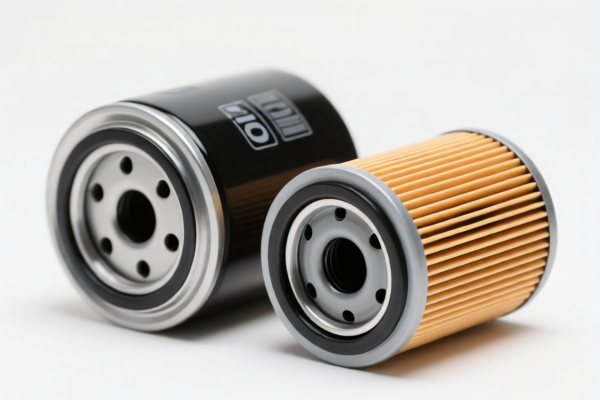
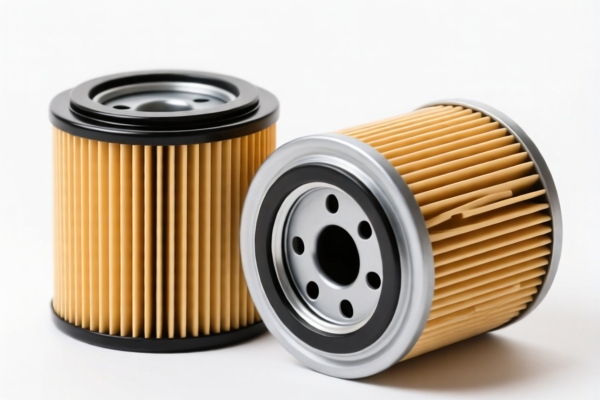
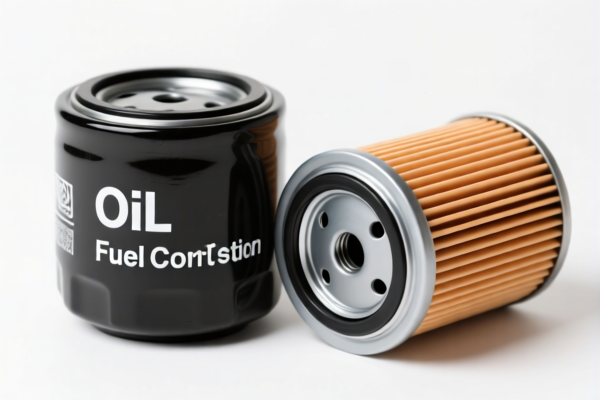
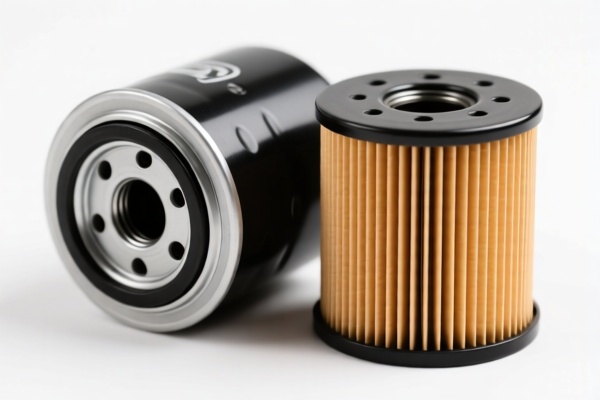
AI Analysis
🛢️ Engine Oil & Antifreeze (Lubricants & Cooling Agents)
🌐 HS Code Reference & Customs Clearance Guide | 2026 Latest Tariff Analysis | Professional Clearance Strategy
📌 I. Product Definition & Classification: Do You Really Understand "Engine Oil & Antifreeze"?
In international trade, "Engine Oil & Antifreeze" is a composite concept referring to two distinct but commonly associated automotive chemical products. To ensure accurate customs classification and minimize tax liabilities, it is crucial to distinguish between Lubricants and Cooling Agents.
1. Engine Oil (机油):
A lubricating oil designed to reduce friction between moving parts in an internal combustion engine. It is primarily composed of mineral oils, synthetic base oils, and additives.
2. Antifreeze/Coolant (防冻液):
A liquid added to water-based coolants to lower their freezing point and raise their boiling point. It is typically an ethylene glycol or propylene glycol-based solution with corrosion inhibitors.
⚠️ Key Distinction Point:
- If the product is primarily a lubricant (reduces friction), it falls under Chapter 34 (Soap, Organic Surface-Active Agents...) or Chapter 27 (Mineral Fuels).
- If the product is primarily an anti-freeze/anti-icing agent (temperature control), it falls under Chapter 38 (Miscellaneous Chemical Products).
- Crucial Warning: Do not mix these categories. Misclassification leads to significant duty discrepancies and customs delays.
📦 II. HS Code Classification Details (2026 Latest Tariff Authority Comparison)
Based on the provided data, here are the four most likely HS Codes for "Engine Oil & Antifreeze" products, along with their specific tax implications.
| HS Code | Product Description | Application Scenario | Material/Chemical Nature |
|---|---|---|---|
3811.19.00.00 |
Anti-knock preparations, anti-oxidants, anti-corrosion preparations and other prepared additives | Chemical additives for liquids; used to enhance fuel or oil performance | Chemical additives; no material conflict |
3820.00.00.00 |
Anti-freezing preparations and de-icing fluids | Coolants/Antifreeze for engines or windshields | Chemical blend; liquid form |
3403.19.10.00 |
Lubricating preparations containing petroleum oils or bituminous minerals | Lubricants; engine oils, brake fluids (if petroleum-based) | Contains petroleum/mineral oil components |
3819.00.00.90 |
Hydraulic brake fluids and other liquids for hydraulic transmission systems (not water-based) | Brake fluids (often grouped with engine maintenance fluids) | Liquid hydraulic transmission fluid |
🔍 Key Reminder:
- "Antifreeze" is most directly classified under 3820.00.00.00 (Anti-freezing preparations).
- "Engine Oil" is most directly classified under 3403.19.10.00 (Lubricating preparations with petroleum oil).
- "Brake Fluid" (often confused with antifreeze in maintenance kits) may fall under 3819.00.00.90 or 3403.19.10.00 depending on composition.
💰 III. 2026 Latest Tariff Rate Details (Including Additional Duties & Policy Surcharges)
✅ Applicable Country: United States (US)
✅ Country of Origin: China (CN)
✅ Effective Date: From November 10, 2025 (including subsequent imports)
🎯 1. 3811.19.00.00 —— Chemical Additives (e.g., Anti-oxidants, Corrosion Inhibitors)
| Item | Content |
|---|---|
| Base Duty Rate | 6.5% (ad valorem) |
| Section 301 Additional Duty | +25.0% (USITC Footnote 9903.88.01) |
| Section 122 Duty | +10.0% (IEEPA - International Emergency Economic Powers Act) |
| Total Tax Rate | 41.5% |
| Tax Calculation | CIF Value × 41.5% |
| De Minimis Exemption | ❌ Not Available (deny_de_minimis) |
| Legal Basis Path | USITC:3811.19.00.00 → SECTION301:9903.88.01 → IEEPA:9903.01.24 → SECTION122 |
📌 Explanation:
- This code applies to chemical additives used in liquids.
- The 41.5% total rate is high due to the combination of base duty, Section 301 tariffs, and the Section 122 surcharge.
- Suitable for standalone chemical additives rather than ready-to-use engine oil blends.
🎯 2. 3820.00.00.00 —— Anti-freezing Preparations & De-icing Fluids
| Item | Content |
|---|---|
| Base Duty Rate | 6.5% (ad valorem) |
| Section 301 Additional Duty | +7.5% (USITC Footnote 9903.88.01) |
| Section 122 Duty | +10.0% (IEEPA) |
| Total Tax Rate | 24.0% |
| Tax Calculation | CIF Value × 24.0% |
| De Minimis Exemption | ❌ Not Available (deny_de_minimis) |
| Legal Basis Path | USITC:3820.00.00.00 → SECTION301:9903.88.01 → IEEPA:9903.01.24 → SECTION122 |
📌 Note:
- This is the most accurate code for "Antifreeze/Coolant".
- The total tax rate is 24.0%, which is lower than other codes due to a lower Section 301 surcharge (7.5% vs 25%).
- Ideal for ethylene glycol/propylene glycol-based coolants.
🎯 3. 3403.19.10.00 —— Lubricating Preparations (Petroleum-based)
| Item | Content |
|---|---|
| Base Duty Rate | 0.2% (ad valorem) |
| Section 301 Additional Duty | +25.0% (USITC Footnote 9903.88.01) |
| Section 122 Duty | +10.0% (IEEPA) |
| Total Tax Rate | 35.2% |
| Tax Calculation | CIF Value × 35.2% |
| De Minimis Exemption | ❌ Not Available (deny_de_minimis) |
| Legal Basis Path | USITC:3403.19.10.00 → SECTION301:9903.88.01 → IEEPA:9903.01.24 → SECTION122 |
📌 Explanation:
- This code is typically used for Engine Oils or Brake Fluids if they contain significant petroleum/mineral oil content.
- Although the base duty is very low (0.2%), the 25% Section 301 duty pushes the total to 35.2%.
- Suitable for lubricants but not for pure anti-freeze solutions.
🎯 4. 3819.00.00.90 —— Hydraulic Brake Fluids & Other Transmission Liquids
| Item | Content |
|---|---|
| Base Duty Rate | 6.5% (ad valorem) |
| Section 301 Additional Duty | +25.0% (USITC Footnote 9903.88.01) |
| Section 122 Duty | +10.0% (IEEPA) |
| Total Tax Rate | 41.5% |
| Tax Calculation | CIF Value × 41.5% |
| De Minimis Exemption | ❌ Not Available (deny_de_minimis) |
| Legal Basis Path | USITC:3819.00.00.90 → SECTION301:9903.88.01 → IEEPA:9903.01.24 → SECTION122 |
📌 Note:
- This code is a "catch-all" for hydraulic fluids not specifically classified elsewhere.
- Often used for Brake Fluids.
- The tax rate is 41.5%, similar to chemical additives, due to high Section 301 and Section 122 duties.
🛠️ IV. Customs Clearance Practical Advice (Battle-Tested Pitfall Avoidance Guide)
✅ 1. Documentation Checklist (No Exceptions)
| Document | Required | Explanation |
|---|---|---|
| ✅ Product Specification Sheet | ✔️ | Must clearly state: Base fluid type (petroleum, glycol, synthetic), additives, and intended use (cooling, lubricating, braking). |
| ✅ Safety Data Sheet (SDS) | ✔️ | Critical for chemical products. Must classify hazard levels and composition. |
| ✅ Product Photos (Labeling) | ✔️ | Clear view of the label showing "Antifreeze," "Engine Oil," or "Brake Fluid," and ingredients. |
| ✅ Commercial Invoice | ✔️ | Must explicitly state the HS Code and product description. Avoid vague terms like "Auto Fluids." |
| ✅ Certificate of Origin (CO) | ✔️ | To verify China origin and apply correct Section 301/122 duties. |
| ✅ Packing List | ✔️ | Detail the quantity, net weight, and gross weight. Chemicals often have weight restrictions. |
✅ 2. Declaration Tips (Key Mantra)
🔥 "Clarify Function, Specify Composition, Avoid Vague Terms!"
| Scenario | Correct Declaration | Wrong Practice |
|---|---|---|
| Antifreeze/Coolant | 3820.00.00.00 - "Antifreeze Solution for Internal Combustion Engines" |
Mislabel as "Lubricant" → 35.2% or 41.5% |
| Engine Oil | 3403.19.10.00 - "Lubricating Oil Containing Petroleum" |
Mislabel as "Additive" → 41.5% |
| Brake Fluid | 3819.00.00.90 or 3403.19.10.00 - "Hydraulic Brake Fluid" |
Mislabel as "General Chemical" → Higher risk |
| Mixed Kit (Oil + Coolant) | Split Declaration | Combine into one line item → Customs rejection |
✅ 3. Special Situation Handling
| Situation | Handling Advice |
|---|---|
| Chemical Mixtures | If a product contains both lubricating oil and antifreeze, it may be classified based on the essential character. However, it's safer to declare them separately if possible. |
| Non-Petroleum Based | If the lubricant is synthetic (not petroleum-based), it may still fall under 3403 but requires detailed technical data. |
| Hazardous Goods | Both engine oils and antifreezes may be classified as Hazmat. Ensure proper UN packaging and labeling. |
| OEM Custom Fluids | Provide the client's specification sheet to prove the exact composition and intended use. |
🌍 V. Global Market Comparison (2026 Latest)
| Country/Region | Recommended HS Code | Tariff Rate | Certification Requirements | Notes |
|---|---|---|---|---|
| 🇺🇸 USA | 3820.00.00.00 (Antifreeze) |
24.0% | SDS, Hazmat Labeling | High additional duties (301+122) |
| 🇨🇳 China | 3820.00.00.00 |
~6.5% | CCC (if applicable) | No Section 301/122 |
| 🇪🇺 EU | 3820.00.00 |
0-4% | REACH, CLP | No Section 301/122 |
| 🇬🇧 UK | 3820.00.00 |
0-4% | UK REACH | Post-Brexit rules apply |
| 🇦🇺 Australia | 3820.00.00 |
5% | AICIS | No Section 301/122 |
📌 Conclusion:
- The USA imposes the highest total tax rate due to Section 301 and Section 122 duties.
- Antifreeze (3820.00.00.00) has the lowest total rate among the options (24.0%), making it the most cost-effective classification for cooling fluids.
- Engine Oils (3403.19.10.00) are taxed at 35.2%, which is higher than antifreeze.
📌 VI. Common Mistakes & Pitfalls (Blood-Teaching Lessons)
❌ Mistake 1: Declaring "Antifreeze" as "Lubricating Oil" (3403.19.10.00)
👉 Consequence: Tax increases from 24.0% to 35.2% → Extra cost!
❌ Mistake 2: Using generic terms like "Auto Fluid" on the invoice
👉 Consequence: Customs cannot classify → Delay, Inspection, or Return
❌ Mistake 3: Ignoring the Section 122 Duty (+10%)
👉 Consequence: Underpayment of duties → Penalties and Back Taxes
❌ Mistake 4: Treating Brake Fluid and Antifreeze as the same
👉 Consequence: Brake fluid may be classified under 3819 (41.5%) or 3403 (35.2%), while Antifreeze is 3820 (24.0%). Misclassification leads to overpayment.
✅ Correct Approach:
"Engine Coolant/Antifreeze, Ethylene Glycol Based, with Corrosion Inhibitors, for Internal Combustion Engines, Model XYZ, SDS Available"
🎯 VII. Conclusion: Professional Declaration, Save Time and Money!
🎯 Remember the Mantra:
🔹 "Antifreeze is 24%, Oil is 35.2%, Additives are 41.5%!"
🔹 "Clarify Function, Avoid Vague Terms, and Check Section 122!"
📌 Tips:
- If your product is originating from Vietnam, Mexico, Thailand, or Malaysia, you may be eligible for Section 301 exemptions, reducing the tax rate to 0%~5%.
- Apply for an Advance Ruling (Pre-classification) with US Customs (CBP) to avoid clearance risks.
📣 Immediate Action:
📞 Contact a professional customs broker + Provide Product SDS + Apply for HS Code Advance Ruling
🚀 Let your Engine Oil & Antifreeze Clear Customs Smoothly, Export Efficiently, and Maximize Profit!
✨ Professional Clearance Starts with Accurate Classification!
💼 Every cent of your cost deserves precise calculation!
Customer Reviews
About HS Code Classification
The Harmonized System (HS) is an internationally standardized nomenclature developed by the World Customs Organization (WCO) to classify traded products. Over 200 countries use the HS system as the basis for customs tariffs, trade statistics, and import/export regulations.
Each HS code follows a hierarchical structure:
- Chapter (2 digits) — Broad category of goods (e.g., Chapter 84: Machinery and Mechanical Appliances)
- Heading (4 digits) — More specific grouping within the chapter
- Subheading (6 digits) — Internationally standardized breakdown, used by all WCO member countries
- National subdivisions (8-10 digits) — Country-specific extensions for further classification, such as US HTSUS 10-digit codes
Correct HS code classification is essential for smooth customs clearance, accurate duty payment, and compliance with trade regulations. Misclassification can lead to customs delays, overpayment of duties, or penalties.
When importing from CN to US, the applicable tariff rates may include:
- Most-Favored-Nation (MFN) rate — The standard duty rate applied to WTO members
- General rate — Applied to countries without trade agreements
- Trade remedy duties — Additional tariffs such as Section 301 (anti-dumping), Section 232 (national security), or countervailing duties
The information provided on this page is for reference purposes only. For official classification, please consult with your local customs authority or a licensed customs broker.