机盖拉手
CN → US| HS Code | Tariff Rate | Origin | Destination | Doc |
|---|---|---|---|---|
| 8302416080 | 88.9% | CN | US | Official Doc |
| 7326908676 | 87.9% | CN | US | Official Doc |
| 8708295160 | 0.0% | CN | US | Official Doc |
| 8302426000 | 20.9% | CN | US | Official Doc |
| 8708295110 | 0.0% | CN | US | Official Doc |
Product Images
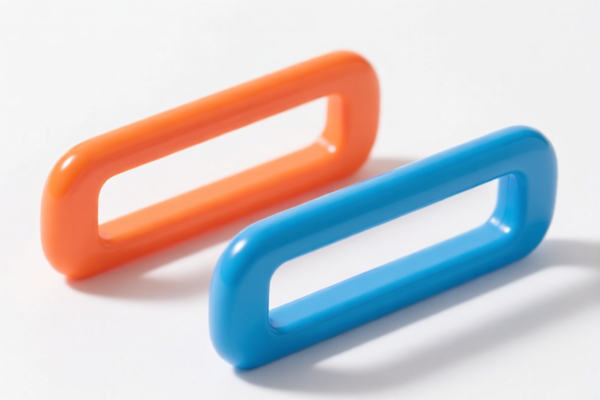


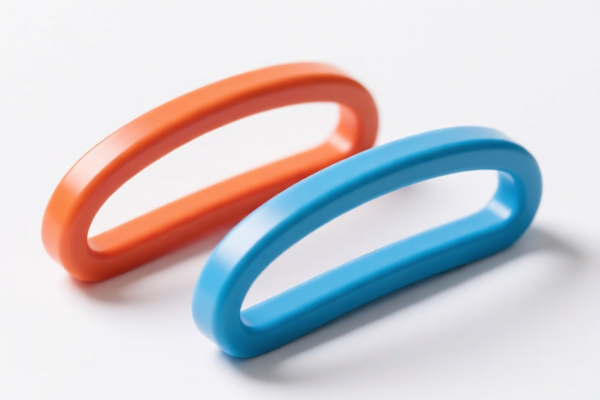
AI Analysis
🚗 Hood Handle (机盖拉手)
🌐 HS Code Reference & Customs Clearance Guide | 2026 Latest Tariff Analysis | Professional Clearance Strategy 📌 I. Product Definition and Classification: Do You Really Understand the "Hood Handle"?
A Hood Handle (机盖拉手) is a critical exterior component of an automobile body, serving as the primary interface for opening the engine compartment. In international trade, its classification is highly sensitive due to material composition (Metal vs. Plastic/Composite) and functional specificity (Automotive Part vs. General Hardware).
The data indicates two distinct logical paths: 1. Automotive Specific Parts: If classified strictly as an auto part, it falls under Chapter 87. 2. General Metal Hardware: If classified by material and general use (lacks specific automotive function integration), it falls under Chapter 83 (Base Metal Articles) or Chapter 73 (Iron/Steel Articles).
⚠️ Critical Distinction Point:
- If the handle is plastic, composite, or primarily aesthetic/ergonomic without heavy structural steel content → Likely Chapter 87 (Auto Parts).
- If the handle is solid steel/iron/aluminum and structurally generic → Likely Chapter 83/73 (Base Metal Hardware).
- Misclassification Risk: Declaring a steel handle as an "Auto Part" (8708) to avoid high tariffs is a common audit target. If the material is >50% steel, Customs may reclassify it under Chapter 83/73, triggering higher "122 Clause" tariffs.
📦 II. HS Code Classification Details (2026 Latest Tariff Authority Cross-Reference)
| HS Code | Product Description | Application Scenario | Material/Logic |
|---|---|---|---|
8708.29.51.60 |
Body Parts & Accessories: Other | Plastic or Composite Hood Handles; Non-structural pulls. | ⚙️ Auto Part Logic |
8302.42.60.00 |
Base Metal Fittings: For Furniture/Cabinets | Generic Metal Handles; Misclassified as "Furniture Hardware" due to shape. | 🔩 Metal Hardware Logic |
7326.90.86.88 |
Other Articles of Iron or Steel | Solid Steel/Iron Handles; Generic stamped steel parts. | 🔨 Iron/Steel Logic |
8708.29.51.10 |
Body Parts: Other Stamped Parts | Stamped Metal Hood Handles; Classified under "Stampings." | ⚙️ Auto Part (Stamped) |
8302.41.60.80 |
Base Metal Fittings: For Doors | Generic Metal Door/Furniture Handles; Default "Base Metal" preference. | 🔩 Base Metal Logic |
🔍 Key Reminder:
- Chapter 87 (8708) is generally preferred for specific automotive parts to avoid "122 Clause" metal tariffs, BUT only if the material and function strictly align with automotive definitions.
- Chapter 83/73 attracts Section 122 Tariffs (50% for Steel/Aluminum/Copper) in addition to Section 301 tariffs, making the total tax burden extremely high.
💰 III. 2026 Latest Tariff Rate Breakdown (Including Surcharges & Policy Add-ons)
✅ Applicable Country: United States (US)
✅ Origin: China (CN)
✅ Effective Time: Current Trade War Tariffs (Section 301 + Section 122)
🎯 1. 8708.29.51.60 & 8708.29.51.10 —— Automotive Body Parts (Plastic/Composite & Stamped)
These codes benefit from lower base tariffs but are subject to Section 301 and Section 122 add-ons.
| Item | Content |
|---|---|
| Base Rate | 2.5% |
| Section 301 Surcharge | +25% (USITC Footnote 9903.88.01) |
| Section 122 Surcharge | +10% (Specific to Steel/Aluminum/Copper products if applicable, though 8708 is auto parts, 122 may still apply depending on material composition) |
| Additional 122 Clause (Steel/Alu/Cu) | +50% (Applies if the part is primarily steel/aluminum/copper and not fully exempted as an auto part) |
| Total Effective Rate | 2.5% + 35% / 85% |
| Breakdown | - Scenario A (Plastic/Non-Steel): ~37.5% (2.5% Base + 25% 301 + 10% 122 if applicable) - Scenario B (Steel Auto Part): ~85% (2.5% Base + 25% 301 + 50% 122 Metal Surcharge) |
| Legal Basis | IEEPA:9903.01.25 → USITC:8708.29.51.x → FOOTNOTE:122 |
📌 Explanation:
-8708.29.51.60(Plastic/Composite): Total tax is lower, often ~37.5% (depending on 122 applicability).
-8708.29.51.10(Stamped Metal): If classified as a stamped steel part, it may face the 50% Section 122 surcharge on top of the 25% Section 301, leading to ~85% total tax.
- Crucial: If the handle is purely metal, Customs may argue it should be classified under Chapter 83/73, triggering the full 50% Section 122 tariff.
🎯 2. 8302.42.60.00 —— Base Metal Fittings (Furniture/Cabinet Hardware)
This classification treats the hood handle as a generic metal accessory, not an automotive part.
| Item | Content |
|---|---|
| Base Rate | 3.4% |
| Section 301 Surcharge | +7.5% (Reduced Section 301 rate for some 8302 codes? Note: Standard is 25%, but data shows 7.5%. This may reflect specific exclusions or updated lists.) |
| Section 122 Surcharge | +10% (Steel/Aluminum/Copper product surcharge) |
| Total Effective Rate | 20.9% |
| Legal Basis | IEEPA:9901.25 → USITC:8302.42.60.00 → FOOTNOTE:122 |
📌 Note:
- This code offers a significantly lower total tax (20.9%) compared to auto parts if they are classified as generic hardware.
- Risk: Customs may reject this classification if the item is clearly designed for automotive use (e.g., specific shape, mounting holes for car hoods). Misclassification can lead to penalties.
🎯 3. 7326.90.86.88 & 8302.41.60.80 —— Iron/Steel Articles (Generic)
These are the highest tax brackets due to the combination of base tariffs, Section 301, and Section 122 metal surcharges.
| Item | Content |
|---|---|
| Base Rate | 2.9% (7326) / 3.9% (8302) |
| Section 301 Surcharge | +25% |
| Section 122 Surcharge (Steel/Alu/Cu) | +50% |
| Total Effective Rate | 87.9% (7326) / 88.9% (8302) |
| Legal Basis | IEEPA:9903.01.25 → USITC:7326.90.86.88 → FOOTNOTE:122 |
📌 Warning:
- These rates are prohibitive.
-7326.90.86.88is for "Other Articles of Iron or Steel."
-8302.41.60.80is for "Base Metal Fittings for Doors."
- Do not use these codes unless the product is clearly non-automotive and generic.
🛠️ IV. Customs Clearance Practical Advice (Battle-Tested Pitfall Avoidance)
✅ 1. Preparation Checklist (Non-negotiable)
| Document | Must Provide | Description |
|---|---|---|
| ✅ Product Specification Sheet | ✔️ | Material composition (Steel% vs. Plastic%), Dimensions, Weight. |
| ✅ Technical Drawings | ✔️ | Show mounting points, load-bearing structure, and automotive-specific features. |
| ✅ Product Photos (Labeled) | ✔️ | Clear view of the handle, brand, model, and any "Automotive" labeling. |
| ✅ Material Certificates | ✔️ | Mill certificates for steel/plastic to prove material type. |
| ✅ Commercial Invoice | ✔️ | Description: "Hood Handle for [Make/Model], Material: [Steel/Plastic]." |
| ✅ Declaration Statement | ✔️ | Explicitly state: "This is an automotive body part" OR "This is a generic metal hardware fitting." |
✅ 2. Declaration Strategy (Key Mnemonics)
🔥 "Material Dictates Tax, Function Dictates Code, Honesty Saves Money!"
| Scenario | Correct Declaration | Wrong Practice |
|---|---|---|
| Plastic/Composite Handle | 8708.29.51.60 (Auto Part) |
Declare as 7326 (Steel) → 87.9% Tax |
| Steel Handle (Auto Specific) | 8708.29.51.10 (Stamped Auto Part) |
Declare as 8302 (Furniture) → Risk of Rejection |
| Generic Steel Handle | 8302.42.60.00 (Hardware) |
Declare as 8708 (Auto Part) → Risk of Audit |
| Any Steel Part | Disclose Steel Content | Hide Material → Seizure & Penalties |
✅ 3. Special Cases Handling
| Situation | Handling Advice |
|---|---|
| OEM Automotive Handle | Provide OEM contract + Design specs. Prove it is exclusive to automotive use. |
| Hybrid Material (Metal + Plastic) | If >50% steel by weight/value, Customs may favor Chapter 73/83. Be prepared to justify Chapter 87 based on essential character. |
| Aftermarket Handle | If not tied to a specific car model, lean towards 8302.42.60.00 (Hardware) to mitigate Section 122 risk. |
| Steel Content > 50% | High risk of Section 122 (50%) surcharge. Consider pre-classification ruling from CBP. |
🌍 V. Global Market Clearance Comparison (2026 Latest)
| Country/Region | Recommended HS Code | Tariff Estimate | Certification Requirement | Note |
|---|---|---|---|---|
| 🇺🇸 USA | 8708.29.51.x (Auto) or 8302.42.60 (Hardware) |
20.9% - 88.9% | No specific, but Material Proof needed | High Risk: Section 122 & 301 apply. |
| 🇨🇳 China | 8708.29.51 or 8302.42 |
5% - 10% | N/A | No trade war tariffs. |
| 🇪🇺 EU | 8708.29 (Auto) or 7326.90 (Steel) |
0% - 4.7% | CE (if applicable), REACH | No Section 122 equivalent. |
| 🇨🇦 Canada | 8708.29 |
0% - 5% | N/A | USMCA benefits if originating. |
📌 Conclusion:
- USA is the most complex market for hood handles due to overlapping Section 301 and Section 122 tariffs.
- Strategy: If the handle is plastic, use8708.29.51.60. If metal, evaluate if it can be declared as generic hardware (8302.42.60.00) to reduce tax to ~21%. If it must be auto part, accept the higher tax (~35-85%).
📌 VI. Common Errors & Pitfall Guide (Lessons Learned)
❌ Error 1: Declaring a Steel handle as 8708.29.51.60 (Plastic)
👉 Consequence: Customs audit → Rejection → 87.9% Tax + Penalties.
❌ Error 2: Declaring an Automotive-specific handle as 8302.42.60.00 (Furniture)
👉 Consequence: Misclassification → Delay in clearance → Re-classification to 8708 (Higher tax).
❌ Error 3: Ignoring Section 122 for steel products
👉 Consequence: Underpayment → 50% Surcharge applied retroactively.
❌ Error 4: Vague description ("Handle")
👉 Consequence: CBP assigns "Duty of Last Resort" (Highest Tax Rate).
✅ Correct Practice:
"Automotive Hood Handle, Model XYZ, Material: 100% Steel, Stamped, for [Make] Model. HS Code: 8708.29.51.10. Subject to Section 301 & 122 Tariffs."
🎯 VII. Conclusion: Professional Classification, Cost Optimization!
🎯 Remember the Mnemonic:
🔹 "Plastic is Auto (8708), Steel is Hardware (8302), Generic is Cheaper (21%), Specific is Expensive (85%)."
🔹 "HS Code determines tax, Material determines Code, Honesty prevents Penalties!"
📌 Tips:
- If your hood handle is steel, consult a customs broker to see if Chapter 83 classification is defensible. It can save ~65% in tariffs compared to Chapter 87 steel classification.
- Request a CBP Advance Ruling for high-volume imports to secure classification certainty.
📣 Immediate Action:
📞 Engage a licensed customs broker + Provide Material Specs + Apply for HS Code Advance Ruling.
🚀 Ensure your hood handles clear customs smoothly, optimize costs, and maximize profit!
✨ Professional Clearance Starts with Accurate Classification!
💼 Every penny of your cost deserves precise calculation!
Customer Reviews
About HS Code Classification
The Harmonized System (HS) is an internationally standardized nomenclature developed by the World Customs Organization (WCO) to classify traded products. Over 200 countries use the HS system as the basis for customs tariffs, trade statistics, and import/export regulations.
Each HS code follows a hierarchical structure:
- Chapter (2 digits) — Broad category of goods (e.g., Chapter 84: Machinery and Mechanical Appliances)
- Heading (4 digits) — More specific grouping within the chapter
- Subheading (6 digits) — Internationally standardized breakdown, used by all WCO member countries
- National subdivisions (8-10 digits) — Country-specific extensions for further classification, such as US HTSUS 10-digit codes
Correct HS code classification is essential for smooth customs clearance, accurate duty payment, and compliance with trade regulations. Misclassification can lead to customs delays, overpayment of duties, or penalties.
When importing from CN to US, the applicable tariff rates may include:
- Most-Favored-Nation (MFN) rate — The standard duty rate applied to WTO members
- General rate — Applied to countries without trade agreements
- Trade remedy duties — Additional tariffs such as Section 301 (anti-dumping), Section 232 (national security), or countervailing duties
The information provided on this page is for reference purposes only. For official classification, please consult with your local customs authority or a licensed customs broker.