束口袋
CN → US| HS Code | Tariff Rate | Origin | Destination | Doc |
|---|---|---|---|---|
| 6307909891 | 24.5% | CN | US | Official Doc |
| 3923290000 | 38.0% | CN | US | Official Doc |
| 4202923900 | 52.6% | CN | US | Official Doc |
| 3923210085 | 38.0% | CN | US | Official Doc |
| 4202929700 | 52.6% | CN | US | Official Doc |
Product Images
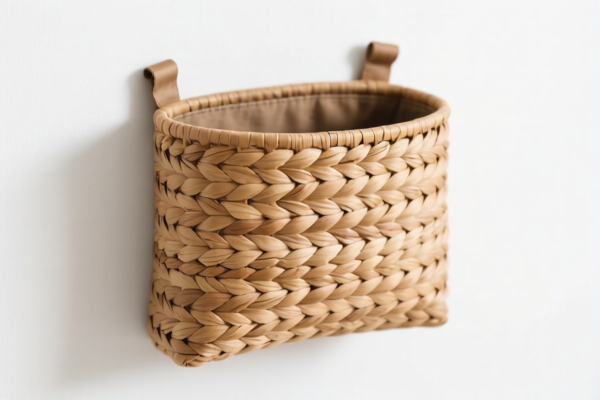
AI Analysis
🎒 束口袋 (Drawstring Bags)
🌐 HS Code Classification & Customs Clearance Guide | 2026 Tariff Breakdown | Strategic Shipping Strategies
📌 I. Product Definition: What Exactly is a "Drawstring Bag"?
A Drawstring Bag is a versatile soft container featuring a cord or rope that tightens the opening for closure. In international trade, its classification does not depend on its shape, but rather on its primary material composition and intended function.
The Critical Material Divide: * Textile Bags: Made primarily of woven or non-woven fabrics (e.g., cotton, polyester, nylon). * Plastic Bags: Made primarily of plastic polymers (e.g., LDPE, PVC, woven plastic). * Composite/Leather Bags: Made of textile surfaces with plastic linings or leather components.
⚠️ Key Classification Trigger:
- If the main surface is Fabric/Textile → Likely Chapter 63 or 4202.
- If the main surface is Plastic Film/Polymer → Likely Chapter 39.
- Function Matters: Retail packaging vs. general storage changes the code.
📦 II. HS Code Classification Details (2026 Tariff Authority)
| HS Code | Product Description | Material Composition | Classification Logic |
|---|---|---|---|
6307.90.98.91 |
Drawstring Bag, "Other Made Up" | Textile/Fabric (Woven/Non-woven) | Classified as a general "made up textile article" not elsewhere specified. |
3923.29.00.00 |
Drawstring Bag, "Sack/Bag" | Plastic (Inferred polymer) | Classified under "Plastic articles for the conveyance or packing of goods." |
4202.92.39.00 |
Drawstring Bag, "Bag" | Textile Outer Surface | Classified as "Other containers," specifically with an outer surface of textile materials. |
3923.21.00.85 |
Drawstring Bag, Retail/Packaging | Plastic (Ethylene Polymer) | Specific subheading for "Sacks and bags" used for retail/packaging purposes. |
4202.92.97.00 |
Drawstring Bag, "Container" | Textile OR Plastic Sheets | Classified as "Other containers," covers mixed or sheet-based materials not covered elsewhere. |
🔍 Critical Distinction:
- Plastic vs. Fabric: Even if the drawstring is rope, if the body is plastic film, it falls under 3923.
- Retail Use: If the bag is explicitly designed as a single-use shopping carrier (plastic), it often falls under 3923.21.00.85.
- General Use: If it's a reusable gym/sports bag (fabric), it usually falls under 6307 or 4202.
💰 III. 2026 Tariff Rate Breakdown (Detailed Tax & Policy Analysis)
✅ Applicable Context: Import into the United States (US) from China (CN)
✅ Effective Date: 2025/2026 Tariff Structure
✅ Tax Components: Base Tariff + 301 Section (Add-on) + 122 Tariff (Retaliatory/Specific)
🎯 1. 6307.90.98.91 —— Textile Drawstring Bags (Lowest Risk)
| Item | Content |
|---|---|
| Base Tariff | 7.0% |
| Section 301 Add-on | 7.5% (Additional duty) |
| 122 Tariff | 10.0% (Specific Chinese goods add-on) |
| Total Duty Rate | 24.5% |
| Calculation | CIF Value × 24.5% |
| De Minimis | ❌ Not Eligible (High tariff triggers restrictions) |
| Legal Path | HTSUS:6307.90.98 → 301:7.5% → 122:10% |
📌 Interpretation:
- This is the most favorable classification for reusable fabric bags.
- The total rate (24.5%) is high but significantly lower than the 38% or 52% of other categories.
- Strategy: Maximize textile content; avoid plastic coatings that might shift classification.
🎯 2. 3923.29.00.00 & 3923.21.00.85 —— Plastic Drawstring Bags
| Item | Content |
|---|---|
| Base Tariff | 3.0% |
| Section 301 Add-on | 25.0% (Heavy penalty on plastics) |
| 122 Tariff | 10.0% |
| Total Duty Rate | 38.0% |
| Calculation | CIF Value × 38.0% |
| De Minimis | ❌ Not Eligible |
| Legal Path | HTSUS:3923.2x → 301:25% → 122:10% |
📌 Interpretation:
- 3923.21.00.85 is for plastic retail bags (e.g., grocery sacks).
- 3923.29.00.00 is for plastic sacks (general storage).
- 301 Add-on (25%) is the killer here. Even though the base rate is only 3%, the total hits 38%.
- Risk: Very high cost for plastic products. Consider material substitution or sourcing from non-China countries to avoid 301/122.
🎯 3. 4202.92.39.00 & 4202.92.97.00 —— Composite/Textile Outer Bags (Highest Risk)
| Item | Content |
|---|---|
| Base Tariff | 17.6% |
| Section 301 Add-on | 25.0% (Aggressive penalty) |
| 122 Tariff | 10.0% |
| Total Duty Rate | 52.6% |
| Calculation | CIF Value × 52.6% |
| De Minimis | ❌ Not Eligible |
| Legal Path | HTSUS:4202.92 → 301:25% → 122:10% |
📌 Interpretation:
- These codes apply to bags with Textile Outer Surfaces but classified under Chapter 42 (Leather/Textile containers).
- Why so high? The combination of a high Base Tariff (17.6%) + 25% 301 + 10% 122 results in 52.6%.
- Caution: If your "fabric" bag has a heavy plastic lamination or coating that makes it look more like a "plastic bag," Customs might shift it to 4202, INCREASING the tax burden from 24.5% to 52.6%!
🛠️ IV. Customs Clearance Practical Advice (Avoiding Pitfalls)
✅ 1. Documentation Checklist (Must-Have)
| Document | Requirement | Why? |
|---|---|---|
| ✅ Material Composition Certificate | ✔️ Critical | Proves if it's 100% Textile (6307), Plastic (3923), or Mixed (4202). |
| ✅ Product Photos | ✔️ Critical | Shows the texture of the main body vs. the drawstring. |
| ✅ Usage Intent | ✔️ Critical | Is it for "Retail Packaging" (3923.21) or "General Storage" (6307/4202)? |
| ✅ Commercial Invoice | ✔️ | Must state "Drawstring Bag" + Material % (e.g., "100% Polyester"). |
| ✅ Packing List | ✔️ | Weight must match material density (plastic is lighter than fabric). |
✅ 2. Classification Strategy (The Golden Rules)
🔥 "Material is King, Function is Queen!"
| Scenario | Recommended HS Code | Risk Level | Action |
|---|---|---|---|
| Reusable Gym/Sports Bag (100% Nylon/Cotton) | 6307.90.98.91 |
🟢 Lowest (24.5%) | Ensure NO plastic lining. |
| Single-Use Grocery Bag (Plastic Film) | 3923.21.00.85 |
🟠 High (38%) | Accept the cost; no alternative. |
| Luxury Cosmetic Bag (Fabric + Plastic Coating) | 4202.92.39.00 |
🔴 Highest (52.6%) | Challenge material classification if possible. |
| Retail Packaging Bag (Plastic) | 3923.29.00.00 |
🟠 High (38%) | Verify if it's strictly "Retail". |
✅ 3. Special Handling Scenarios
| Situation | Handling Advice |
|---|---|
| Hybrid Bags (Fabric exterior + Plastic interior) | Customs may classify as 4202. Strategy: Provide lab reports proving the exterior is the dominant structural element, or consider 6307 if the plastic layer is negligible. |
| Drawstring Material | Does not change the code. A plastic bag with a cotton rope is still 3923. |
| Logo Printing | Printing does not change classification, but ensure the design doesn't make it a "textile article" if it's actually plastic. |
| Country of Origin | If shipped from Vietnam/Mexico, 301 and 122 tariffs might be waived. This could drop 38% → 3% (Base only) or 52.6% → 17.6%. |
🌍 V. Global Market Comparison (2026 Snapshot)
| Region | Recommended Code | Effective Rate (China) | Key Strategy |
|---|---|---|---|
| 🇺🇸 USA | 6307.90.98.91 (Textile) |
24.5% | Use Textile to avoid 3923/4202 penalties. |
| 🇨🇳 China | 6307.90.98.91 |
~6-8% | Lower domestic tax, but focus on export. |
| 🇪🇺 EU | 6307.90 |
~4-6% | No 301/122, but strict environmental rules. |
| 🇯🇵 Japan | 6307.90 |
~6-8% | High quality standards required. |
📌 Conclusion:
- USA is the most expensive market due to the 301/122 combo.
- Textile (6307) is the "Sweet Spot" (24.5%) vs. Plastic/Composite (38% / 52.6%).
- Diversify Supply Chain: Move production to non-China countries to escape the 25% + 10% surcharges.
📌 VI. Common Errors & Pitfalls (Learn from Mistakes)
❌ Error 1: Calling a Plastic Bag a "Textile Bag" because of the rope.
👉 Result: Classification shifted to 3923 (38%). Misdeclaration = Penalty.
❌ Error 2: Calling a Laminated Fabric Bag (Plastic coated) as 6307.
👉 Result: Customs may reclassify to 4202 (52.6%).
✅ Fix: Declare "Plastic Lamination > 50%" if applicable.
❌ Error 3: Ignoring the "Retail" function.
👉 Result: If a plastic bag is used for retail, it falls under 3923.21 (38%), not 3923.29.
✅ Correct Declaration Example:
"Drawstring Draw Bag, 100% Recycled Polyester, Reusable, No Plastic Lining, For Sports Use, Model XYZ"
(Target Code: 6307.90.98.91)
🎯 VII. Final Strategy: Optimize Your Costs!
🎯 Remember the Formula:
🔹 Textile Body = 24.5% (Best Option)
🔹 Plastic Body = 38.0% (Middle Option)
🔹 Coated/Laminated Textile = 52.6% (Worst Option)🔹 "Material Composition is Destiny. Don't let a 301 tariff eat your margins!"
🔹 "Base 3% + 25% = 28%? No, it's 38%! Check the add-ons."
📌 Pro Tip:
If your business relies on Plastic Bags, consider sourcing from Vietnam or India to bypass the 301 (25%) and 122 (10%) tariffs, reducing the effective rate to just the Base (3.0% or 17.6%).
📣 Take Action Now:
📞 Audit your Bill of Materials: Is the "body" fabric or plastic?
📝 Update your HS Code: Ensure your invoice matches the material reality.
🚀 Diversify: Plan for non-China supply chains to save 25%+ in taxes!
✨ Professional Classification = Profit Protection!
💼 Your bag's value is determined by its material, not its style.
Customer Reviews
About HS Code Classification
The Harmonized System (HS) is an internationally standardized nomenclature developed by the World Customs Organization (WCO) to classify traded products. Over 200 countries use the HS system as the basis for customs tariffs, trade statistics, and import/export regulations.
Each HS code follows a hierarchical structure:
- Chapter (2 digits) — Broad category of goods (e.g., Chapter 84: Machinery and Mechanical Appliances)
- Heading (4 digits) — More specific grouping within the chapter
- Subheading (6 digits) — Internationally standardized breakdown, used by all WCO member countries
- National subdivisions (8-10 digits) — Country-specific extensions for further classification, such as US HTSUS 10-digit codes
Correct HS code classification is essential for smooth customs clearance, accurate duty payment, and compliance with trade regulations. Misclassification can lead to customs delays, overpayment of duties, or penalties.
When importing from CN to US, the applicable tariff rates may include:
- Most-Favored-Nation (MFN) rate — The standard duty rate applied to WTO members
- General rate — Applied to countries without trade agreements
- Trade remedy duties — Additional tariffs such as Section 301 (anti-dumping), Section 232 (national security), or countervailing duties
The information provided on this page is for reference purposes only. For official classification, please consult with your local customs authority or a licensed customs broker.