松土鞋
CN → US| HS Code | Tariff Rate | Origin | Destination | Doc |
|---|---|---|---|---|
| 6405909060 | 22.5% | CN | US | Official Doc |
| 6403999071 | 20.0% | CN | US | Official Doc |
| 6403999015 | 20.0% | CN | US | Official Doc |
| 6405909030 | 22.5% | CN | US | Official Doc |
Product Images
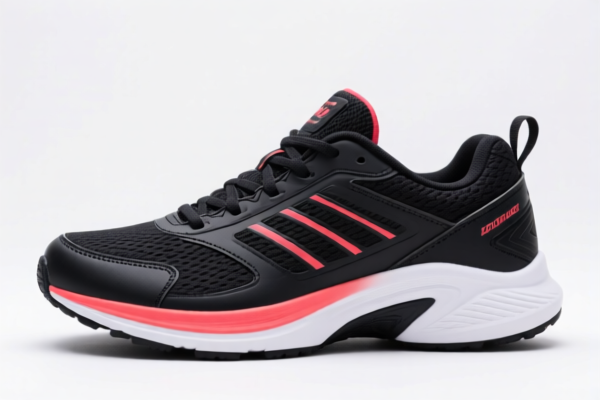
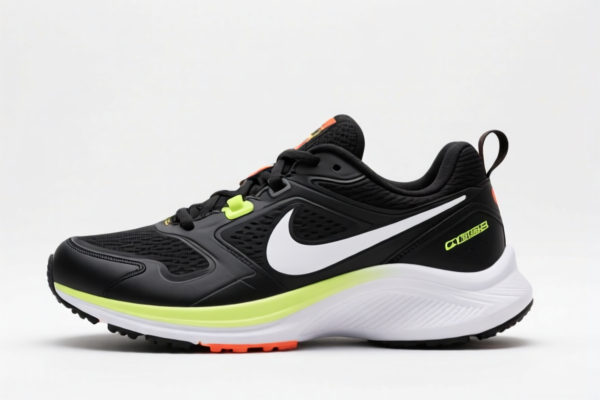
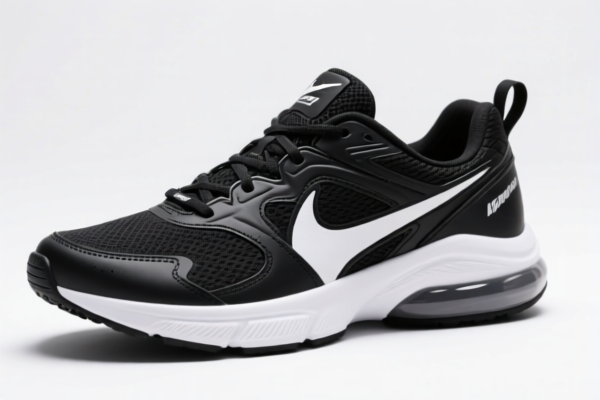
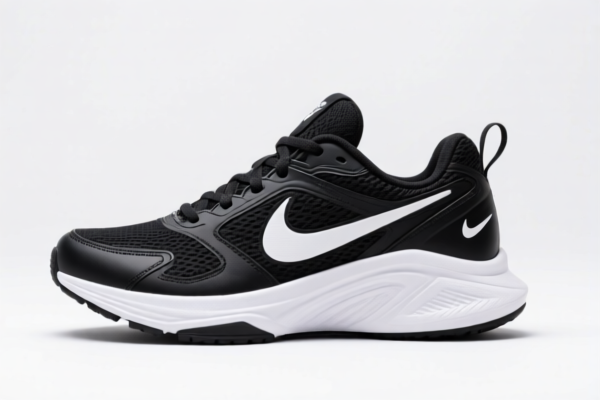
AI Analysis
🥾 Soil Loosening Boots (Agricultural Footwear)
🌐 HS Code Reference & Customs Clearance Guide | 2026 Latest Tariff Analysis | Professional Clearance Strategy
📌 I. Product Definition & Classification: Do You Really Understand "Soil Loosening Boots"?
Soil Loosening Boots, also known as agricultural cleats, garden tillers, or spade boots, are specialized footwear designed for farming, landscaping, and construction tasks. Their defining feature is the spiked or cleated outsole that penetrates soil to prevent slipping and assist in loosening earth.
In international trade, they are NOT classified as standard shoes. They are categorized under Footwear with outer soles of rubber, plastics, leather, or composition leather. The key distinction lies in the material of the upper and the structure of the sole.
⚠️ Key Classification Logic:
- If the boot is made primarily of Leather/Synthetic Leather → It falls under Chapter 64, Heading 64.03.
- If the boot is made primarily of Rubber/Plastic → It falls under Chapter 64, Heading 64.05.
- Infant Shoes: Excluded. These are for adults/teenagers.
- Functional vs. Generic: The specific "loosening" function pushes them into "Other" subheadings if they don't fit sports or medical categories.
📦 II. HS Code Classification Details (2026 Latest Tariff Authority Cross-Reference)
Based on the provided <DATA>, here are the four precise HS Codes for Soil Loosening Boots, broken down by material and structure:
| HS Code | Product Description | Application Scenario | Material Composition | Tax Rate |
|---|---|---|---|---|
6405.90.90.60 |
Other Footwear: Generic footwear not elsewhere specified | General-purpose agricultural boots, rubber rain boots with cleats | Rubber/Plastic outer sole & upper | 22.5% |
6403.99.90.71 |
Functional Footwear: Other footwear with rubber/plastic/leather upper | High-performance tiller boots, hybrid material work boots | Mixed materials (Rubber/Plastic/Leather) | 20.0% |
6403.99.90.15 |
Work Boots: Outer sole of rubber/plastic, upper of leather/synthetic leather | Standard safety boots, leather agricultural boots with cleated sole | Leather upper + Rubber sole | 20.0% |
6405.90.90.30 |
Other Footwear: Rubber/Plastic material, finished footwear form | Pure rubber/plastic agricultural boots | Rubber/Plastic outer sole & upper | 22.5% |
🔍 Critical Distinction:
- Leather Upper (6403...): Generally carries a lower base tariff (10%) than rubber/plastic counterparts, but still subject to the same surcharges. This is why6403codes often have a slightly lower total effective rate in some contexts, but here the total is 20% vs 22.5% for6405.
- Rubber/Plastic (6405...): These are "catch-all" categories for non-sport, non-medical footwear made of plastic/rubber. They carry a higher base tariff (12.5%), leading to the 22.5% total.
💰 III. 2026 Latest Tariff Rate Breakdown (Including Surcharges & Policy Add-ons)
✅ Applicable Country: United States (US)
✅ Origin: China (CN)
✅ Effective Time: Post-2025 (Current Trade Environment)
🎯 1. 6405.90.90.60 & 6405.90.90.30 —— Rubber/Plastic Soil Loosening Boots
These codes fall under Chapter 64, Heading 6405 ("Other footwear"). They are subject to the "Most Favored Nation" (MFN) base rate plus specific US surcharges.
| Item | Detail |
|---|---|
| Base Tariff (MFN) | 12.5% (ad valorem) |
| Section 301 / 122 Clause Surcharge | +10% |
| Other Surcharges | 0.0% (No Section 232 or additional anti-dumping in this specific data context) |
| Total Tax Rate | 22.5% |
| Tax Calculation | CIF Value × 22.5% |
| De Minimis Exemption | ❌ Not Eligible (Value typically exceeds $800 threshold for duty-free entry, and even if under, agricultural footwear is often scrutinized) |
| Legal Path | USITC:6405.90.90 → Section 301: Footwear/Saddlery → 122 Clause: +10% |
📌 Explanation:
- The 12.5% is the standard WTO MFN rate for "Other footwear."
- The +10% is the 122 Clause Tariff (often associated with Section 301 retaliatory measures or specific US trade laws targeting Chinese manufactured goods).
- Total 22.5% is a high-cost barrier for plastic/rubber agricultural gear.
🎯 2. 6403.99.90.71 & 6403.99.90.15 —— Leather/Mixed Material Work/Functional Boots
These codes fall under Chapter 64, Heading 6403 ("Footwear with outer soles of rubber, plastics, leather, or composition leather; uppers which consist of leather over its entire surface"). Leather footwear traditionally enjoys a lower base rate.
| Item | Detail |
|---|---|
| Base Tariff (MFN) | 10.0% (ad valorem) |
| Section 301 / 122 Clause Surcharge | +10% |
| Other Surcharges | 0.0% |
| Total Tax Rate | 20.0% |
| Tax Calculation | CIF Value × 20.0% |
| De Minimis Exemption | ❌ Not Eligible |
| Legal Path | USITC:6403.99.90 → Section 301: Footwear/Saddlery → 122 Clause: +10% |
📌 Explanation:
- The 10.0% base rate is 2.5% lower than the rubber/plastic category.
- The +10% surcharge remains identical.
- Total 20.0% makes Leather/Mixed Material boots cheaper to import than pure rubber ones.
-6403.99.90.15specifically targets Work Boots (often leather upper, rubber sole).
-6403.99.90.71is a broader "Functional" catch-all for mixed materials.
🛠️ IV. Customs Clearance Practical Advice (Real-World Pitfall Guide)
✅ 1. Required Documentation Checklist (All or Nothing)
| Document | Mandatory? | Description |
|---|---|---|
| ✅ Product Specification Sheet | ✔️ | Must detail: Sole material (Rubber/Leather?), Upper material, Spike type (Molded vs. Attached), Intended Use (Agriculture/Construction). |
| ✅ Material Breakdown | ✔️ | Crucial! >50% Leather? → 6403. >50% Rubber? → 6405. Misclassification leads to 2.5% tax difference. |
| ✅ Product Photos | ✔️ | Clear shot of the sole pattern (cleats/spikes) and upper material texture (grain vs. smooth rubber). |
| ✅ Commercial Invoice | ✔️ | Must explicitly state: "Agricultural Soil Loosening Boots, [Material] Upper, Rubber Sole" – Do not just write "Shoes" or "Footwear." |
| ✅ Origin Certificate (CO) | ✔️ | If claiming non-US origin, proves China origin (triggering surcharges). |
| ✅ Packing List | ✔️ | Ensure quantity matches invoice. |
✅ 2. Declaration Strategy (Key Mantras)
🔥 “Material is King: Leather saves 2.5%, Rubber pays 2.5% more!”
| Scenario | Correct Declaration | Wrong Declaration | Consequence |
|---|---|---|---|
| Leather Upper + Rubber Sole | 6403.99.90.15 (Work Boot) |
6405.90.90.30 (Rubber Boot) |
Overpay 2.5% |
| All-Rubber/Plastic Boot | 6405.90.90.60 (Other) |
6403.99.90.71 (Leather) |
Misclassification Risk → Fine/Seizure |
| Mixed Material (e.g., Fabric + Rubber) | Check %: If Rubber >50% → 6405. If Leather >50% → 6403. |
Vague "Textile Boot" | Delayed Clearance |
| Infant Soil Loosening Boots | N/A (Not in Data) | Adult Code | Wrong HS Code → Penalty |
⚠️ Warning:
- Do not declare as "Sports Shoes" (e.g.,6404). Agricultural cleats are not for athletic use.
- Do not declare as "Safety Shoes" unless they have met specific ANSI/ASTM safety standards (steel toe, puncture resistance). If not certified, they are General Work Boots (6403.99.90.15).
✅ 3. Special Case Handling
| Situation | Advice |
|---|---|
| OEM Custom Cleats | Provide design sketches showing the spike pattern. If spikes are removable/attached, clarify this in specs. |
| Leather vs. Synthetic Leather | Both fall under 6403. Synthetic leather (PU/PVC) is still "Leather" for HS purposes if it meets the definition. Still 20% Total. |
| Combined Shipment (Shoes + Tools) | Separate Invoices! Do not lump soil loosening boots with hoes/shovels. Different HS Codes, different tariffs. |
| High-Value Imported Boots | Consider Pre-Ruling (Advance Ruling) from CBP. Spend $500–$1,000 on a ruling to lock in the 20% vs 22.5% classification. |
🌍 V. Global Market Comparison (2026 Snapshot)
| Region | Recommended HS Code | Base Tariff | Surcharge | Total Est. Rate | Note |
|---|---|---|---|---|---|
| 🇺🇸 USA | 6403.99.90.15 |
10% | +10% (122 Clause) | 20.0% | Best Option: Leather/Mixed |
| 🇺🇸 USA | 6405.90.90.30 |
12.5% | +10% (122 Clause) | 22.5% | Higher Cost: Pure Rubber |
| 🇪🇺 EU | 6403.99 |
~12% | 0% | ~12% | No Section 301 equivalent |
| 🇨🇳 China | 6403.99 |
~20% | 0% | ~20% | High entry tariff |
| 🇬🇧 UK | 6403.99 |
~5-10% | 0% | ~5-10% | Post-Brexit adjustments vary |
📌 Conclusion:
- USA is the most expensive market due to the 122 Clause (+10%).
- Choosing Leather/Synthetic Leather (6403) saves 2.5% compared to Pure Rubber (6405).
- EU/UK have lower total tariffs, making them attractive for high-margin agricultural gear.
📌 VI. Common Errors & Pitfalls (Lessons Learned)
❌ Error 1: Calling them "Cleats" (Athletic Term)
👉 Result: CBP may classify as 6404 (Footwear with textile uppers) or reject.
👉 Fix: Use "Agricultural Boots" or "Work Footwear."
❌ Error 2: Ignoring the "122 Clause"
👉 Result: Underpaying 10% of the value.
👉 Fix: Always check for Section 301/122 applicability. It applies to most footwear from China.
❌ Error 3: Mixing Leather and Rubber Descriptions
👉 Result: Confusion over 6403 vs 6405.
👉 Fix: If the upper is leather (even synthetic), use 6403. If the upper is rubber, use 6405.
❌ Error 4: Assuming "De Minimis" ($800) Applies
👉 Result: Trying to ship small batches duty-free.
👉 Fix: Footwear is rarely eligible for de minimis if it’s commercial quantity or if specific anti-dumping duties apply. Check carefully.
✅ Correct Practice:
"Agricultural Soil Loosening Boots, Leather Upper, Rubber Cleated Sole, Unisex, Model AG-100, HS 6403.99.90.15"
🎯 VII. Conclusion: Professional Declaration, Cost Optimization!
🎯 Remember the Mantra:
🔹 "Leather Upper = 20% Total, Rubber Upper = 22.5% Total!"
🔹 "Always add the 10% 122 Clause!"
🔹 "Specify 'Agricultural', not 'Sports'!"
📌 Pro Tip:
If you are importing large volumes, consider manufacturing in Vietnam or India to avoid Section 301/122 Surcharges. Tariffs could drop from 20-22.5% to 0-10% (MFN only).
Pre-Arrangement (Pre-Ruling) is highly recommended for new suppliers.
📣 Immediate Action:
📞 Contact a Customs Broker + Provide Material Specs + Apply for CBP Ruling
🚀 Save 2.5% per pair, and avoid 10% surprises!
✨ Professional Clearance, Start with Precise Classification!
💼 Your Bottom Line Depends on the HS Code!
Customer Reviews
About HS Code Classification
The Harmonized System (HS) is an internationally standardized nomenclature developed by the World Customs Organization (WCO) to classify traded products. Over 200 countries use the HS system as the basis for customs tariffs, trade statistics, and import/export regulations.
Each HS code follows a hierarchical structure:
- Chapter (2 digits) — Broad category of goods (e.g., Chapter 84: Machinery and Mechanical Appliances)
- Heading (4 digits) — More specific grouping within the chapter
- Subheading (6 digits) — Internationally standardized breakdown, used by all WCO member countries
- National subdivisions (8-10 digits) — Country-specific extensions for further classification, such as US HTSUS 10-digit codes
Correct HS code classification is essential for smooth customs clearance, accurate duty payment, and compliance with trade regulations. Misclassification can lead to customs delays, overpayment of duties, or penalties.
When importing from CN to US, the applicable tariff rates may include:
- Most-Favored-Nation (MFN) rate — The standard duty rate applied to WTO members
- General rate — Applied to countries without trade agreements
- Trade remedy duties — Additional tariffs such as Section 301 (anti-dumping), Section 232 (national security), or countervailing duties
The information provided on this page is for reference purposes only. For official classification, please consult with your local customs authority or a licensed customs broker.