柴油卡车
CN → US| HS Code | Tariff Rate | Origin | Destination | Doc |
|---|---|---|---|---|
| 8704230100 | 60.0% | CN | US | Official Doc |
| 8704210100 | 60.0% | CN | US | Official Doc |
| 8708506100 | 37.5% | CN | US | Official Doc |
| 8708506500 | 0.0% | CN | US | Official Doc |
Product Images
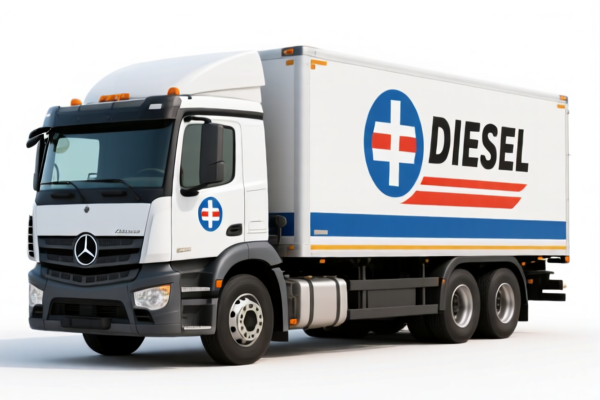
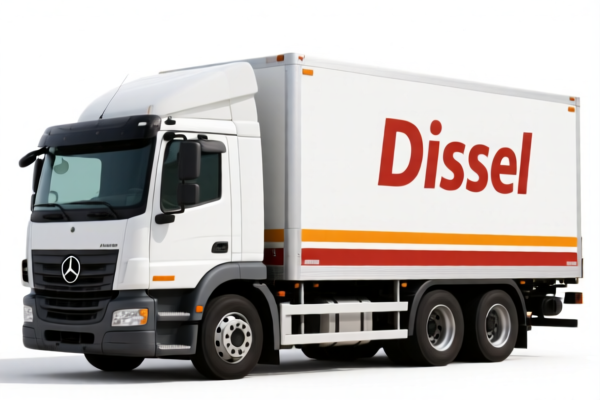
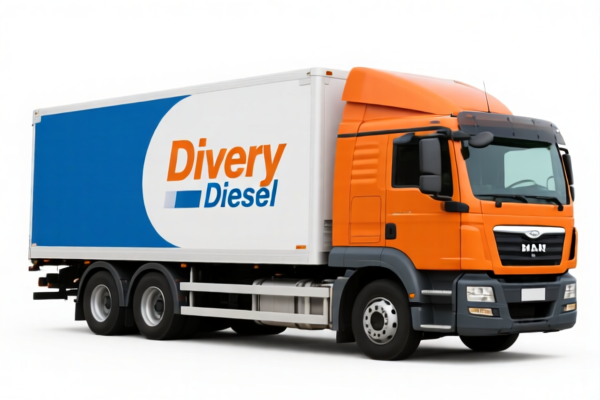
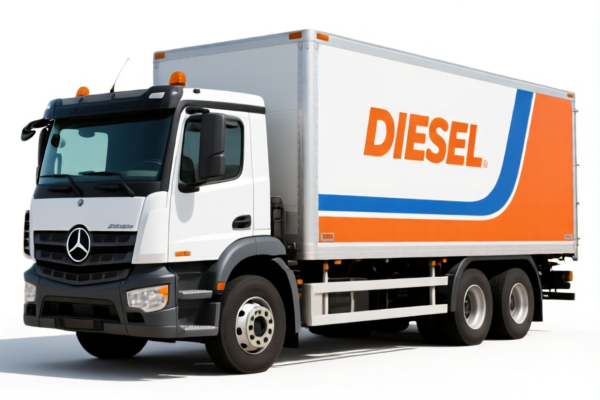
AI Analysis
🚛 Diesel Trucks (Heavy Goods Vehicles with Compression-Ignition Engines)
🌐 HS Code Reference & Clearance Guide | 2026 Latest Tariff Analysis | Professional Customs Strategy
📌 1. Product Definition & Classification: What Exactly is a "Diesel Truck"?
In international trade, "Diesel Trucks" are strictly categorized based on their engine type and cargo capacity. The key differentiator is the Compression-Ignition Internal Combustion Engine (commonly known as Diesel Engine).
Two Main Categories: 1. Passenger Transport Vehicles (HS 8702): Vehicles designed primarily to carry people, even if they have some cargo space. 2. Goods Transport Vehicles (HS 8704): Vehicles designed primarily to carry freight/goods (e.g., standard trucks, lorries, container carriers).
⚠️ Critical Distinction Point:
- If the vehicle is primarily for carrying people (e.g., buses, vans modified for passengers) → Classified under 8702.10.61.00.
- If the vehicle is primarily for carrying goods (e.g., standard trucks, dump trucks, container trucks) → Classified under 8704.21.01.00 or 8704.23.01.00 depending on weight/power.
📦 2. HS Code Classification Details (2026 Latest Tariff Authority Reference)
| HS Code | Product Description | Application Scenario | Key Identifier |
|---|---|---|---|
8702.10.61.00 |
Transport vehicles, for the transport of persons or goods, with compression-ignition internal combustion piston engine (diesel) | Passenger buses, multi-purpose vehicles primarily for people | Passenger Priority |
8704.21.01.00 |
Goods transport vehicles with compression-ignition internal combustion engine, weighing ≤ 5 tons | Light-duty diesel trucks, small box trucks | Light Duty (<5t) |
8704.23.01.00 |
Goods transport vehicles with compression-ignition internal combustion engine, weighing > 5 tons | Heavy-duty trucks, semi-trailers, standard freight trucks | Heavy Duty (>5t) |
🔍 Key Reminder:
- The term "Diesel" in the product name directly corresponds to "Compression-Ignition Internal Combustion Engine" in customs terminology. - The term "Truck" typically implies Goods Transport, directing classification to 8704. - Misclassifying a Goods Truck as a Passenger Vehicle (or vice versa) can lead to significant tax discrepancies and penalties.
💰 3. 2026 Latest Tariff Rate Breakdown (Including Surtaxes & Policy Add-ons)
✅ Applicable Country: United States (US)
✅ Country of Origin: China (CN)
✅ Effective Date: From November 10, 2025 onwards
🎯 1. 8702.10.61.00 – Passenger Transport Vehicles (Diesel)
| Item | Content |
|---|---|
| Base Duty Rate | 2.0% (Ad Valorem) |
| Section 301 Surcharge | +25.0% |
| Section 122 Surcharge | +10.0% |
| Total Tax Rate | 37.0% |
| Tax Calculation | CIF Value × 37% |
| De Minimis Exemption | ❌ Not Available (deny_de_minimis) |
| Legal Basis Path | Base Duty → Section 301 (Footnote 9903.88.01) → Section 122 |
📌 Explanation:
- "Base Duty 2%": Standard MFN (Most Favored Nation) rate for diesel passenger vehicles. - "Section 301 Surcharge 25%": Additional tariff imposed under U.S. Trade Law Section 301 against Chinese goods. - "Section 122 Surcharge 10%": Additional tariff imposed under Section 122 of the Trade Expansion Act of 1962 (for national security reasons). - Total 37%: High cost for importing diesel passenger vehicles from China to the US.
🎯 2. 8704.21.01.00 & 8704.23.01.00 – Goods Transport Vehicles (Diesel Trucks)
| Item | Content |
|---|---|
| Base Duty Rate | 25.0% (Ad Valorem) |
| Section 301 Surcharge | +25.0% |
| Section 122 Surcharge | +10.0% |
| Total Tax Rate | 60.0% |
| Tax Calculation | CIF Value × 60% |
| De Minimis Exemption | ❌ Not Available (deny_de_minimis) |
| Legal Basis Path | Base Duty → Section 301 → Section 122 |
📌 Critical Note:
- Base Duty 25%: Unlike passenger vehicles, the base duty for Chinese-origin trucks is significantly higher (25% vs 2%). - Total 60%: The combination of base duty, Section 301, and Section 122 results in a very high total tariff of 60%. - Applicable to Both Weights: Whether it's a light truck (≤5 tons) or heavy truck (>5 tons), the tariff structure remains identical under the provided data. - Strict Compliance: The product description must clearly state "Compression-Ignition Engine (Diesel)" and "Goods Transport Vehicle" to avoid misclassification.
🛠️ 4. Customs Clearance Practical Advice (Pitfall Avoidance Guide)
✅ 1. Required Documentation Checklist (Mandatory)
| Document | Mandatory? | Description |
|---|---|---|
| ✅ Product Specifications Sheet | ✔️ | Must include engine type (Diesel/Compression-Ignition), payload capacity, gross vehicle weight. |
| ✅ Engine Certificates | ✔️ | Proof of compression-ignition engine specification. |
| ✅ Product Photos (Exterior & Interior) | ✔️ | Must show cab, cargo bed/trailer, and license plate area. |
| ✅ Commercial Invoice | ✔️ | Must explicitly state: "Diesel Truck for Goods Transport" or "Diesel Bus for Passenger Transport". |
| ✅ Bill of Lading / Air Waybill | ✔️ | Standard shipping documents. |
| ✅ Country of Origin Certificate | ✔️ | Essential for verifying Chinese origin and applying surcharges. |
✅ 2. Declaration Techniques (Key Mantra)
🔥 "Engine Type First, Cargo Purpose Clear, Name Precise, Tax Accurate!"
| Scenario | Correct Declaration | Wrong Practice |
|---|---|---|
| Standard Freight Truck | 8704.21.01.00 / 8704.23.01.00 + "Diesel Truck" |
Misclassifying as passenger vehicle → Tax drop? No, compliance risk! |
| Passenger Bus | 8702.10.61.00 + "Diesel Bus" |
Calling it a "Truck" → Potential rejection or audit. |
| Mixed Use Vehicle | Primary Purpose Rule: If primarily for goods → 8704; If primarily for people → 8702. |
Ambiguous description like "Utility Vehicle" without clarification. |
| Diesel vs. Gasoline | Must specify "Compression-Ignition" or "Diesel". | Just saying "Truck" without fuel type → Unclear classification. |
✅ 3. Special Cases Handling
| Situation | Handling Advice |
|---|---|
| Electric Hybrid Diesel Trucks | If primary engine is diesel → Still classified under 8704/8702 with diesel surcharges. |
| Used Trucks | Same HS code applies, but additional age/condition documentation may be required by US Customs. |
| Chassis Cabs | If sold without cargo body, still classified under 8704 if intended for goods transport. Provide clear intent declaration. |
| Military/Special Purpose | If for military use, may require additional permits, but HS code remains based on function. |
🌍 5. Global Market Comparison (2026 Latest)
| Country/Region | Recommended HS Code | Tariff Rate (China Origin) | Certification Requirements | Notes |
|---|---|---|---|---|
| 🇺🇸 USA | 8704.21.01.00 / 8704.23.01.00 |
60% (Total) | EPA + DOT Safety Standards | Highest Tariff; Section 122 applies. |
| 🇺🇸 USA | 8702.10.61.00 |
37% (Total) | EPA + DOT Safety Standards | Lower base duty, but still high. |
| 🇨🇳 China | 8704.21.01.00 / 8704.23.01.00 |
0% (Import Duty) | CCC Certification | No surcharges for domestic market. |
| 🇪🇺 EU | 8704.21.00 / 8704.23.00 |
10% (Base) | Euro 6 Emissions | No Section 301/122 equivalent. |
| 🇬🇧 UK | 8704.21.00 / 8704.23.00 |
10% (Base) | WVTA Certification | Post-Brexit rules apply. |
📌 Conclusion:
- USA is the most challenging market due to the 60% total tariff on diesel trucks. - Section 122 (10%) is a critical factor often overlooked, adding to the cost. - EU and UK have much lower tariffs (10%) but stricter environmental (Euro 6) and safety certifications.
📌 6. Common Mistakes & Pitfall Guide (Lessons Learned)
❌ Mistake 1: Declaring a Diesel Truck as a "Trailer" (HS 8716)
👉 Consequence: Incorrect classification → Penalties + Back Taxes. Trailers are not motorized.
❌ Mistake 2: Omitting "Diesel" or "Compression-Ignition" in description
👉 Consequence: Customs may query the engine type → Delays + Demurrage Fees. If found to be diesel after inspection, surcharges apply retroactively.
❌ Mistake 3: Confusing Passenger (8702) and Goods (8704) categories
👉 Consequence: If a goods truck is declared as passenger, you might underpay initially, but US Customs will audit and demand the difference + penalties.
❌ Mistake 4: Ignoring Section 122 impact
👉 Consequence: Underestimating total landed cost by 10%.
✅ Correct Practice:
"Heavy Duty Diesel Truck, Compression-Ignition Engine, 10-Ton Payload, EPA Certified, Model XYZ"
🎯 7. Conclusion: Professional Declaration, Cost Control, Efficiency!
🎯 Remember the Mantra:
🔹 "Diesel Engine = Compression-Ignition, Goods = 8704, People = 8702."
🔹 "US Tariff is High: 60% for Trucks, 37% for Buses. Plan Ahead!"
🔹 "Section 122 Adds 10%. Don't Forget It!"
📌 Pro Tip:
If your diesel trucks are manufactured in Vietnam, Mexico, or Thailand, they may be eligible for preferential tariffs under USMCA or other FTAs, potentially avoiding Section 301/122 surcharges.
Recommend pre-classification ruling (Advance Ruling) with US Customs (CBP) to confirm HS code and tax liability before shipment.
📣 Immediate Action:
📞 Consult a Licensed Customs Broker + Provide Engine Specs + Apply for CBP Ruling
🚀 Ensure your diesel trucks clear customs smoothly, minimize costs, and maximize profit!
✨ Professional Clearance Starts with Accurate Classification!
💼 Every Dollar of Tariff Matters – Calculate Precisely!
Customer Reviews
About HS Code Classification
The Harmonized System (HS) is an internationally standardized nomenclature developed by the World Customs Organization (WCO) to classify traded products. Over 200 countries use the HS system as the basis for customs tariffs, trade statistics, and import/export regulations.
Each HS code follows a hierarchical structure:
- Chapter (2 digits) — Broad category of goods (e.g., Chapter 84: Machinery and Mechanical Appliances)
- Heading (4 digits) — More specific grouping within the chapter
- Subheading (6 digits) — Internationally standardized breakdown, used by all WCO member countries
- National subdivisions (8-10 digits) — Country-specific extensions for further classification, such as US HTSUS 10-digit codes
Correct HS code classification is essential for smooth customs clearance, accurate duty payment, and compliance with trade regulations. Misclassification can lead to customs delays, overpayment of duties, or penalties.
When importing from CN to US, the applicable tariff rates may include:
- Most-Favored-Nation (MFN) rate — The standard duty rate applied to WTO members
- General rate — Applied to countries without trade agreements
- Trade remedy duties — Additional tariffs such as Section 301 (anti-dumping), Section 232 (national security), or countervailing duties
The information provided on this page is for reference purposes only. For official classification, please consult with your local customs authority or a licensed customs broker.