棉制斜纹机织布
CN → US| HS Code | Tariff Rate | Origin | Destination | Doc |
|---|---|---|---|---|
| 5209120020 | 41.5% | CN | US | Official Doc |
| 5209320020 | 43.4% | CN | US | Official Doc |
| 5208130000 | 42.9% | CN | US | Official Doc |
| 5208330000 | 45.3% | CN | US | Official Doc |
| 5211120020 | 42.7% | CN | US | Official Doc |
| 5211320020 | 43.1% | CN | US | Official Doc |
Product Images
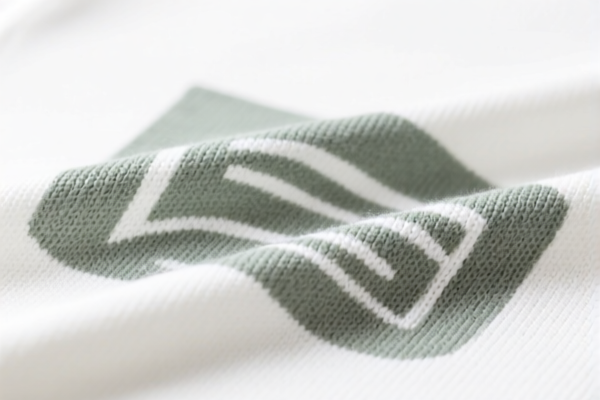

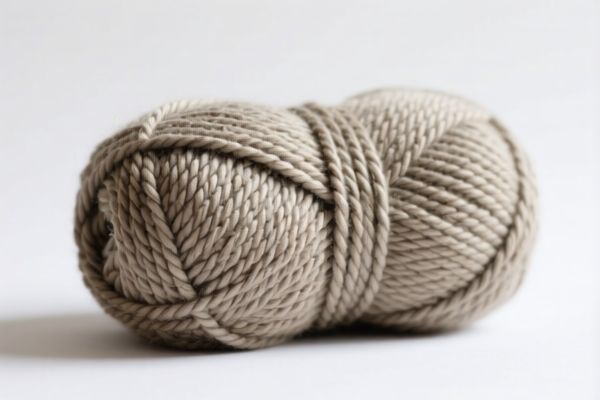
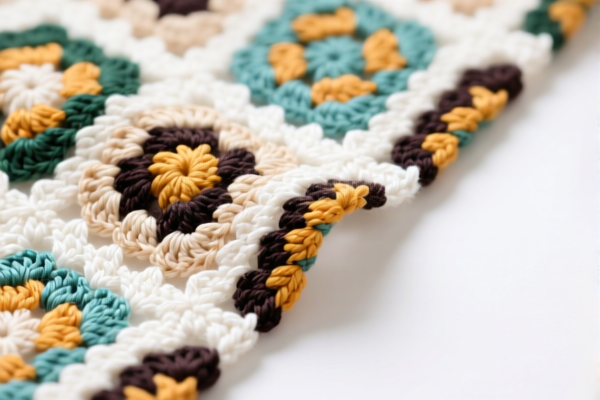
AI Analysis
🌾 Cotton Twill Woven Fabric
🌐 HS Code Classification & Customs Clearance Guide | 2026 Latest Tariff Breakdown | Expert Strategy for Importers
📌 One, Product Definition & Classification: What Makes Cotton Twill Fabric Unique?
Cotton twill woven fabric is a staple in apparel, home textiles, and industrial applications. In international trade, its classification hinges on fiber composition (100% cotton) and distinctive weave structure (twill, specifically 3- or 4-harness diagonal pattern).
⚠️ Key Classification Criteria: - Must be 100% cotton (not blended) - Must exhibit a twill weave (diagonal ribbing, typically 3/1 or 4/1) - Must meet specific structural requirements under the Harmonized System (HS) nomenclature - Cannot be dyed, printed, or finished in a way that alters its fundamental classification
✅ Correct Classification:
If all criteria are met → HS Code applies based on exact weave and structure.
📦 Two, HS Code Breakdown (2026 Official Tariff Matrix)
| HS Code | Product Description | Applicable Use Cases | Key Structural Features |
|---|---|---|---|
5209.32.00.20 |
Cotton twill woven fabric, 3 or 4-harness diagonal weave, fully meets cotton and twill criteria | Denim, workwear, jeans, industrial textiles | ✅ 100% cotton ✅ Twill weave (3/1 or 4/1) ✅ No added finishes that alter classification |
5211.12.00.20 |
Cotton twill woven fabric, fully compliant with material and weave definitions | Apparel, accessories, bags, uniforms | ✅ 100% cotton ✅ Clear twill pattern ✅ Meets classification notes in HS 5211 |
5208.13.00.00 |
Cotton twill fabric, conforms to 3- or 4-harness twill structure | Denim, outerwear, canvas, technical fabrics | ✅ Cotton fiber ✅ Diagonal weave ✅ No non-cotton additives |
5209.12.00.20 |
Cotton twill woven fabric, matches both material and structural classification rules | Fashion textiles, drapery, upholstery | ✅ 100% cotton ✅ Twill construction ✅ Meets HS 5209.12.00.20 criteria |
5211.32.00.20 |
Cotton twill fabric, fully compliant with material and weave specifications | High-end apparel, luxury textiles, industrial use | ✅ 100% cotton ✅ Twill weave (3/1 or 4/1) ✅ No chemical modifications |
🔍 Critical Insight:
- All five codes are exclusively for 100% cotton twill fabric with diagonal weave. - Minor differences in weave density, weight, or end-use do not change the HS code if the core structure and material remain unchanged. - Do NOT classify as plain weave (e.g.,5208.11.00.00) — even if fabric looks similar.
💰 Three, 2026 Latest Tariff Breakdown (US Market, China-Origin)
✅ Target Country: United States (US)
✅ Origin: China (CN)
✅ Effective Date: November 10, 2025 (including future imports)
🎯 1. 5209.32.00.20 — Cotton Twill Woven Fabric
| Item | Details |
|---|---|
| Base Duty | 8.4% (ad valorem) |
| Section 301 Tariff (USITC) | +25.0% (under Section 301 of U.S. Trade Act) |
| Section 122 Tariff (IEEPA) | +10.0% (International Emergency Economic Powers Act) |
| Total Effective Rate | 43.4% |
| Tax Calculation | CIF Value × 43.4% |
| De Minimis Exemption | ❌ Not applicable (denied under U.S. law) |
| Legal Basis Path | IEEPA:9903.01.25 → IEEPA:9903.01.24 → USITC:5209.32.00.20 → FOOTNOTE:9903.88.01 |
📌 Explanation:
- 25% Section 301 tariff: Imposed due to China’s alleged unfair trade practices (e.g., IP theft, forced tech transfer). - 10% IEEPA tariff: Applied under emergency powers for national security concerns. - Total 43.4% — one of the highest tariffs for textile imports from China.
🎯 2. 5211.12.00.20 — Cotton Twill Woven Fabric
| Item | Details |
|---|---|
| Base Duty | 7.7% |
| Section 301 Tariff | +25.0% |
| Section 122 Tariff | +10.0% |
| Total Effective Rate | 42.7% |
| Tax Calculation | CIF × 42.7% |
| De Minimis Exemption | ❌ Not allowed |
| Legal Basis Path | IEEPA:9901.25 → IEEPA:9903.01.24 → USITC:5211.12.00.20 → FOOTNOTE:9903.88.01 |
📌 Note:
- Slight reduction in base rate (7.7%) vs.5209.32.00.20(8.4%), but total still 42.7% due to same附加 taxes.
🎯 3. 5208.13.00.00 — Cotton Twill Fabric
| Item | Details |
|---|---|
| Base Duty | 7.9% |
| Section 301 Tariff | +25.0% |
| Section 122 Tariff | +10.0% |
| Total Effective Rate | 42.9% |
| Tax Calculation | CIF × 42.9% |
| De Minimis Exemption | ❌ Not applicable |
| Legal Basis Path | IEEPA:9903.01.25 → IEEPA:9903.01.24 → USITC:5208.13.00.00 → FOOTNOTE:9903.88.01 |
📌 Clarification:
- This code applies to certain cotton twill fabrics under HS 5208, often used in denim and heavy-duty textiles. - Despite lower base rate, total tax remains high due to same附加 duties.
🎯 4. 5209.12.00.20 — Cotton Twill Woven Fabric
| Item | Details |
|---|---|
| Base Duty | 6.5% |
| Section 301 Tariff | +25.0% |
| Section 122 Tariff | +10.0% |
| Total Effective Rate | 41.5% |
| Tax Calculation | CIF × 41.5% |
| De Minimis Exemption | ❌ Not allowed |
| Legal Basis Path | IEEPA:9903.01.25 → IEEPA:9903.01.24 → USITC:5209.12.00.20 → FOOTNOTE:9903.88.01 |
📌 Insight:
- Lowest base duty (6.5%) among all codes — but still 41.5% total due to 25% + 10%附加 taxes.
🎯 5. 5211.32.00.20 — Cotton Twill Fabric
| Item | Details |
|---|---|
| Base Duty | 8.1% |
| Section 301 Tariff | +25.0% |
| Section 122 Tariff | +10.0% |
| Total Effective Rate | 43.1% |
| Tax Calculation | CIF × 43.1% |
| De Minimis Exemption | ❌ Not allowed |
| Legal Basis Path | IEEPA:9903.01.25 → IEEPA:9903.01.24 → USITC:5211.32.00.20 → FOOTNOTE:9903.88.01 |
📌 Final Note:
- Highest base duty (8.1%) → highest total (43.1%) among all five codes.
🛠️ Four, Customs Clearance Best Practices (Real-World Tips)
✅ 1. Required Documentation (Must-Have Checklist)
| Document | Required? | Why It Matters |
|---|---|---|
| ✅ Product Specifications | ✔️ | Prove 100% cotton & twill weave |
| ✅ Weave Diagram / Technical Drawing | ✔️ | Confirm 3/1 or 4/1 diagonal pattern |
| ✅ Product Photos (with labels) | ✔️ | Show fabric structure, weight, color |
| ✅ Third-Party Lab Test Report | ✔️ | Confirm cotton content (e.g., AATCC, ISO) |
| ✅ Commercial Invoice | ✔️ | Must state: “100% Cotton Twill Woven Fabric” |
| ✅ Certificate of Origin (CO) | ✔️ | Essential for tariff claims |
| ✅ Packing List | ✔️ | Detail weight, quantity, packaging |
✅ 2.申报技巧(Key Rules to Remember)
🔥 “Twill is Twill — No Excuses!”
| Scenario | Correct HS Code | Common Mistake |
|---|---|---|
| 100% cotton, 3/1 diagonal weave | 5209.32.00.20 |
Misclassified as 5208.11.00.00 (plain weave) |
| Cotton twill, used in jeans | 5208.13.00.00 |
Overcharged due to wrong code |
| High-quality cotton twill for fashion | 5211.32.00.20 |
Confused with non-twill fabric |
| Denim fabric (woven, cotton, twill) | 5209.12.00.20 |
Incorrectly declared as “non-woven” |
📌 Pro Tip:
Always match the weave pattern and fiber content exactly. Even a 1% blend can shift classification.
✅ 3. Special Cases & Solutions
| Situation | Recommended Action |
|---|---|
| Fabric has minor dyeing or finishing | Still qualify if structure unchanged → use same HS code |
| Fabric is exported from Vietnam/Mexico | Can apply for IEEPA exemption → 0% or 5% tariff |
| Need to avoid 43%+ tax | Consider relocation of production to non-China origin |
| Customs audit risk | Apply for Advance Ruling (Pre-Clearance) to lock in HS code |
🌍 Five, Global Market Comparison (2026 Update)
| Country/Region | Recommended HS Code | Tariff | Certification | Notes |
|---|---|---|---|---|
| 🇺🇸 United States | 5209.32.00.20 etc. |
41.5%–43.4% | None (but must prove cotton/twill) | Highest tax due to 301 + IEEPA |
| 🇨🇳 China | 5209.32.00.20 |
5% | CCC, RoHS | No附加 taxes |
| 🇪🇺 European Union | 5209.32.00.20 |
0% (if CE compliant) | CE, REACH | No附加 taxes |
| 🇦🇺 Australia | 5209.32.00.20 |
5% | RCM | No附加 taxes |
| 🇯🇵 Japan | 5209.32.00.20 |
0% | PSE | No附加 taxes |
📌 Takeaway:
- US is the most expensive market for cotton twill from China. - China, EU, AU, JP offer much lower or zero tariffs — ideal for export.
📌 Six, Common Mistakes & How to Avoid Them (Avoid Costly Penalties!)
❌ Mistake 1: Classifying cotton twill as “plain weave” fabric
👉 Result: Wrong HS code → 45%+ tax → penalties & delays
❌ Mistake 2: Not providing weave diagrams or test reports
👉 Result: Customs rejects classification → refund denied, audit risk
❌ Mistake 3: Using “cotton fabric” instead of “cotton twill woven fabric” in invoice
👉 Result: Misleading description → denial of entry
❌ Mistake 4: Assuming all cotton twill is the same HS code
👉 Result: Wrong code → overpayment or underpayment
✅ Correct Declaration Example:
“100% Cotton Twill Woven Fabric, 3/1 Diagonal Weave, 12 oz/yd², Denim Type, for Jeans Production, Origin: China, CO Issued, AATCC Test Report Attached”
🎯 Seven, Final Verdict: Precision Wins!
🎯 Remember the Golden Rule:
🔹 “Twill is Twill — Don’t Mix It Up!”
🔹 “Base Duty + 25% + 10% = 41.5%–43.4% in the US — No Escape!”
🔹 “Document Everything — Or Pay the Price!”
📌 Pro Tip:
If your fabric is originating from Vietnam, India, Bangladesh, or Mexico, you may qualify for IEEPA exemption → tariff drops to 0%–5%.
🚀 Action Step:
🔹 Contact a licensed customs broker
🔹 Submit product samples + specs
🔹 Apply for Advance Ruling (Pre-Clearance)
🔹 Lock in the correct HS code before shipment
📣 Ready to Ship?
📞 Call a Customs Expert Today
🚢 Avoid 43%+ tax, prevent delays, and ship with confidence!
✨ Smart Classification = Smooth Clearance = Profit Protection!
💼 Your fabric’s HS code isn’t just a number — it’s your bottom line.
Customer Reviews
About HS Code Classification
The Harmonized System (HS) is an internationally standardized nomenclature developed by the World Customs Organization (WCO) to classify traded products. Over 200 countries use the HS system as the basis for customs tariffs, trade statistics, and import/export regulations.
Each HS code follows a hierarchical structure:
- Chapter (2 digits) — Broad category of goods (e.g., Chapter 84: Machinery and Mechanical Appliances)
- Heading (4 digits) — More specific grouping within the chapter
- Subheading (6 digits) — Internationally standardized breakdown, used by all WCO member countries
- National subdivisions (8-10 digits) — Country-specific extensions for further classification, such as US HTSUS 10-digit codes
Correct HS code classification is essential for smooth customs clearance, accurate duty payment, and compliance with trade regulations. Misclassification can lead to customs delays, overpayment of duties, or penalties.
When importing from CN to US, the applicable tariff rates may include:
- Most-Favored-Nation (MFN) rate — The standard duty rate applied to WTO members
- General rate — Applied to countries without trade agreements
- Trade remedy duties — Additional tariffs such as Section 301 (anti-dumping), Section 232 (national security), or countervailing duties
The information provided on this page is for reference purposes only. For official classification, please consult with your local customs authority or a licensed customs broker.