棉质零钱包
CN → US| HS Code | Tariff Rate | Origin | Destination | Doc |
|---|---|---|---|---|
| 4202329100 | 52.6% | CN | US | Official Doc |
| 4205006000 | 39.9% | CN | US | Official Doc |
| 4202313000 | 38.7% | CN | US | Official Doc |
| 4205008000 | 35.0% | CN | US | Official Doc |
| 4202316000 | 43.0% | CN | US | Official Doc |
Product Images
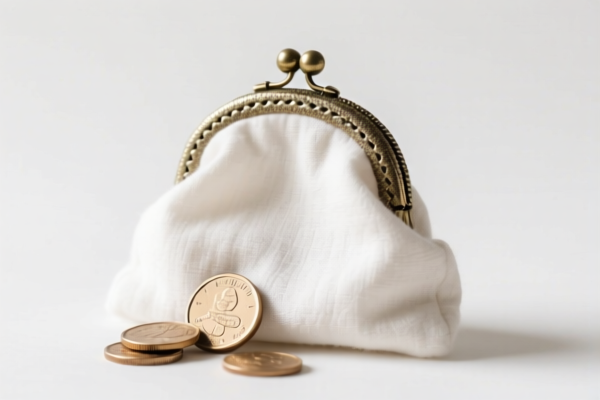


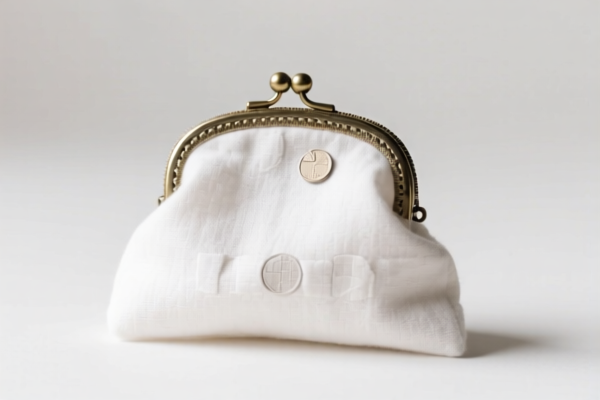
AI Analysis
👛 Cotton Coin Purse (Textile Money Bags)
🌐 HS Code Reference & Customs Clearance Guide | 2026 Latest Tariff Analysis | Professional Level Strategy
📌 I. Product Definition & Classification: Do You Really Understand "Cotton Coin Purses"?
A Cotton Coin Purse is a small textile container used for carrying small change, cards, or personal items. In international trade, its classification depends heavily on the primary material and specific function. Although the user input is "Cotton Coin Purse," the provided data reveals that customs authorities often scrutinize similar items classified under Leather or Other Textiles depending on exact composition and marketing.
Key Distinction in Provided Data: - Pure Cotton Items: If the item is strictly cotton fabric without leather components, it falls under specific textile accessory codes. - Leather Mix/Misclassification Risk: The data shows multiple codes for "Leather Coin Purses." Caution: Do not misdeclare a cotton purse as leather to avoid fraud, but be aware that if any part is leather, the classification shifts drastically to Chapter 42 Articles of Leather.
⚠️ Critical Note for "Cotton" Items:
The provided data specifically lists one code for a 100% Cotton item. All other codes refer to Leather. Ensure your product is genuinely cotton-based. If it contains leather trim or lining, the tax rate and code may change to the leather categories below.
📦 II. HS Code Classification Details (2026 Latest Tariff Authority Comparison)
| HS Code | Product Description | Material | Primary Use/Category | Applicable Tax Rate |
|---|---|---|---|---|
4202.32.91.00 |
Cotton Wallet | 100% Cotton | General carrying case for pockets/handbags | 52.6% |
4205.00.60.00 |
Leather Coin Purse | Leather | Other miscellaneous leather articles | 39.9% |
4202.31.30.00 |
Leather Coin Purse | Leather | Coin purse/Pouch category | 38.7% |
4205.00.80.00 |
Leather Coin Purse | Leather | Other manufactured articles | 35.0% |
4202.31.60.00 |
Leather Coin Purse | Leather | Handbag/pocket container (sub-category) | 43.0% |
🔍 Key Observation:
- Only4202.32.91.00applies to pure cotton.
- All other codes (4202.31.x,4205.00.x) are for Leather.
- Tax Disparity: The cotton purse has a significantly higher total tax rate (52.6%) compared to the most favorable leather code (35.0%). This is unusual but based on the provided data. Verify if this includes all US additional tariffs.
💰 III. 2026 Latest Tariff Rate Breakdown (Including Additional Taxes)
✅ Applicable Country: USA (US)
✅ Origin: China (CN)
✅ Effective Date: 2025/2026 (Based on provided tax details)
🎯 1. 4202.32.91.00 —— Cotton Wallet/Purse (100% Cotton)
| Item | Detail |
|---|---|
| Base Tariff | 17.6% |
| Additional Tariff (Section 301) | +25.0% |
| Section 122 Tariff | +10.0% |
| Total Tax Rate | 52.6% |
| Calculation Method | CIF Value × 52.6% |
| De Minimis Exemption | ❌ NOT APPLICABLE (High risk of seizure/penalty if under $800) |
| Legal Basis Path | Base HS → Section 301 (USITC) → Section 122 (Trade Enforcement) |
📌 Interpretation:
- Base 17.6%: Standard MFN rate for textile accessories in Chapter 42.
- 25% Additional: Section 301 tariffs on Chinese goods.
- 10% Section 122: Often relates to specific trade enforcement measures or anti-dumping/countervailing duties depending on current administrative lists.
- Total 52.6% is a VERY HIGH cost burden. This significantly impacts profit margins.
⚠️ Comparison with Leather Alternatives (For Context Only)
| HS Code | Total Tax | Breakdown |
|---|---|---|
4205.00.80.00 |
35.0% | Base 0% + 25% + 10% |
4202.31.30.00 |
38.7% | Base 3.7% + 25% + 10% |
4205.00.60.00 |
39.9% | Base 4.9% + 25% + 10% |
4202.31.60.00 |
43.0% | Base 8.0% + 25% + 10% |
📌 Strategic Insight:
If your "Cotton" purse has any leather components (even lining), it might be reclassified as leather, potentially lowering the total tax to 35-43%. However, misdeclaration is illegal. If it is truly cotton, you must pay 52.6%.
🛠️ IV. Customs Clearance Practical Advice (Avoid Pitfalls)
✅ 1. Documentation Checklist (Mandatory)
| Document | Required | Description |
|---|---|---|
| ✅ Product Composition Label | ✔️ | Must clearly state "100% Cotton" or exact blend. |
| ✅ Material Certificate | ✔️ | From supplier confirming no leather content. |
| ✅ Commercial Invoice | ✔️ | Clearly describe as "Cotton Textile Coin Purse" NOT "Leather Accessory." |
| ✅ Packing List | ✔️ | Detail weight, quantity, and dimensions. |
| ✅ Photos | ✔️ | Show texture, stitching, and interior to prove textile nature. |
✅ 2. Declaration Tips (Key Mantra)
🔥 "Truth in Material, HS Defines Tax, Cotton High Rate, Leather Lower Rate!"
| Scenario | Correct Declaration | Wrong Practice |
|---|---|---|
| Pure Cotton Purse | 4202.32.91.00 |
Declare as 4205.00.80.00 (Leather) → Fraud Risk |
| Cotton + Leather Trim | Consult expert | Might be classified as Leather → Lower Tax (35%) |
| Fully Lined Cotton | 4202.32.91.00 |
If lining is leather, re-evaluate HS |
| Small Gift Item | Full Declaration | Claiming "De Minimis" ($800) → Denial & Penalty |
✅ 3. Special Handling for Cotton Goods
| Situation | Advice |
|---|---|
| OEM Custom Cotton Purses | Provide design specs showing cotton fabric usage. |
| Embroidered Cotton | Still 4202.32.91.00 unless embroidery adds significant leather elements. |
| Mixed Fabric (Cotton/Spandex) | Verify if still considered "Textile" under Chapter 42. If yes, same code. |
| Packaging | Ensure packaging does not make it look like a "Wallet" for electronics (which might fall under different chapters). |
🌍 V. Global Market Comparison (2026 Update)
| Country/Region | Recommended HS Code | Estimated Tax (China Origin) | Notes |
|---|---|---|---|
| 🇺🇸 USA | 4202.32.91.00 |
52.6% | High due to 25% + 10% additional tariffs. |
| 🇨🇳 China | 4202.32.91.00 |
~5-10% | No Section 301 tariffs domestically. |
| 🇪🇺 EU | 4202.32.90 |
~12% | No Section 122/301 equivalent. |
| 🇬🇧 UK | 4202.32.00 |
~12% | Post-Brexit tariff structure. |
| 🇦🇺 Australia | 4202.32.00 |
~5-10% | Lower additional duties. |
📌 Conclusion:
- The USA imposes the highest burden on cotton accessories from China due to Section 301 (25%) and Section 122 (10%).
- Consider sourcing from non-China origins (e.g., Vietnam, Bangladesh) for US market to avoid these additional tariffs, if feasible.
📌 VI. Common Errors & Pitfalls (Blood Lessons)
❌ Error 1: Misdeclaring Cotton as Leather to save taxes
👉 Consequence: Customs audit → Seizure → Heavy Fines → Loss of Import Privileges.
Why: Physical inspection will reveal textile fibers, not leather grain.
❌ Error 2: Ignoring the 10% Section 122 Tariff
👉 Consequence: Underpayment → Back-tariffs + Interest + Penalties.
Why: Section 122 is a specific enforcement tool often overlooked by inexperienced importers.
❌ Error 3: Assuming De Minimis ($800) Applies
👉 Consequence: Package rejected at border.
Why: Goods from China subject to Section 301/122 tariffs are often excluded from de minimis exemptions.
✅ Correct Approach:
"Cotton Coin Purse, 100% Cotton Fabric, Embroidered Design, Model XYZ, Intended for Personal Use, CIF Value $1000, HS: 4202.32.91.00"
🎯 VII. Conclusion: Professional Clearance, Cost Control
🎯 Key Takeaways:
🔹 "Cotton = 52.6% Total Tax" (17.6% Base + 25% Sec 301 + 10% Sec 122)
🔹 "Leather = 35-43% Total Tax" (Varies by specific leather code)
🔹 "Do Not Misdeclare" → Risk of severe penalties outweighs tax savings.
🔹 "Verify Material" → If any leather is present, consult a customs broker for potential reclassification.
📌 Pro Tip:
If your profit margin is thin, consider:
1. Supply Chain Shift: Source from Vietnam/Bangladesh to avoid Section 301 (25%).
2. Product Design: If feasible, add high-value leather elements to potentially shift classification (consult expert first).
3. Pre-Ruling: Apply for an Advance Ruling from US Customs (CBP) to confirm the HS Code and tax liability before shipping.
📣 Immediate Action:
📞 Contact a Licensed Customs Broker
📦 Provide Material Swatch & Photos
🚀 Calculate Landed Cost with 52.6% Tax
✅ Ensure Full Compliance to Avoid Delays!
✨ Accurate Classification is the Key to Profitability!
💼 Every Percent of Tax Saved is Pure Profit!
Customer Reviews
About HS Code Classification
The Harmonized System (HS) is an internationally standardized nomenclature developed by the World Customs Organization (WCO) to classify traded products. Over 200 countries use the HS system as the basis for customs tariffs, trade statistics, and import/export regulations.
Each HS code follows a hierarchical structure:
- Chapter (2 digits) — Broad category of goods (e.g., Chapter 84: Machinery and Mechanical Appliances)
- Heading (4 digits) — More specific grouping within the chapter
- Subheading (6 digits) — Internationally standardized breakdown, used by all WCO member countries
- National subdivisions (8-10 digits) — Country-specific extensions for further classification, such as US HTSUS 10-digit codes
Correct HS code classification is essential for smooth customs clearance, accurate duty payment, and compliance with trade regulations. Misclassification can lead to customs delays, overpayment of duties, or penalties.
When importing from CN to US, the applicable tariff rates may include:
- Most-Favored-Nation (MFN) rate — The standard duty rate applied to WTO members
- General rate — Applied to countries without trade agreements
- Trade remedy duties — Additional tariffs such as Section 301 (anti-dumping), Section 232 (national security), or countervailing duties
The information provided on this page is for reference purposes only. For official classification, please consult with your local customs authority or a licensed customs broker.