棉长袖t恤
CN → US| HS Code | Tariff Rate | Origin | Destination | Doc |
|---|---|---|---|---|
| 6109100012 | 34.0% | CN | US | Official Doc |
| 6109100004 | 34.0% | CN | US | Official Doc |
| 6209205050 | 26.8% | CN | US | Official Doc |
| 6209202000 | 32.4% | CN | US | Official Doc |
| 6109100012 | 34.0% | CN | US | Official Doc |
Product Images
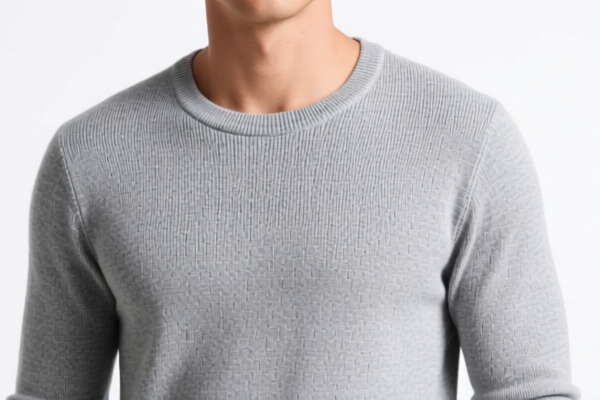
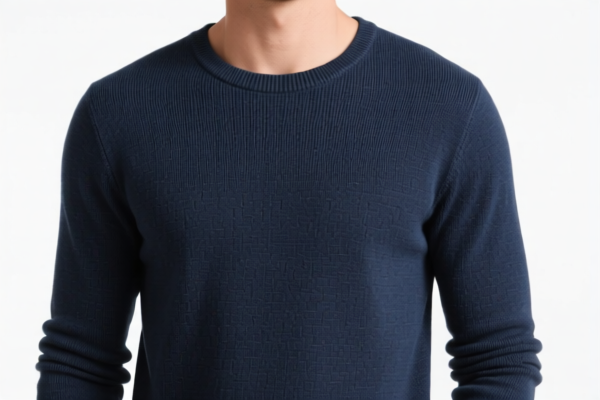
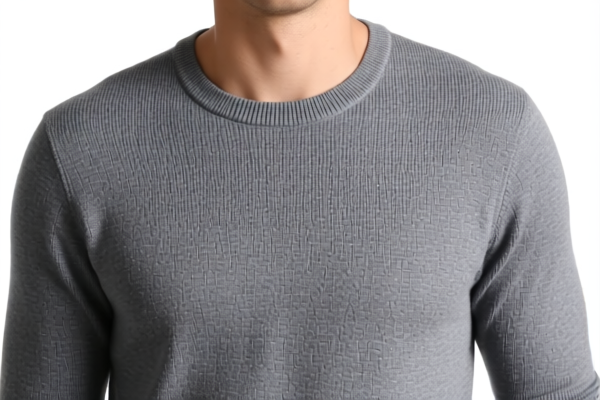
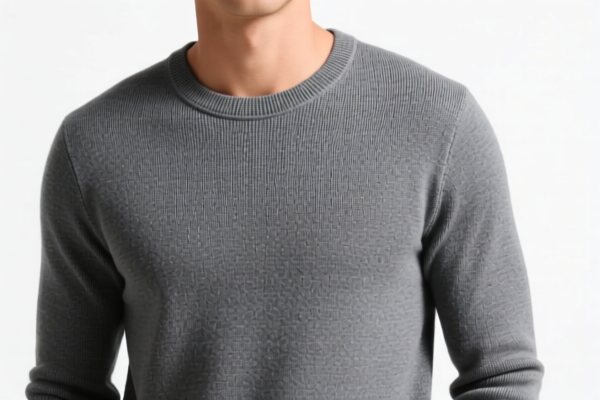
AI Analysis
👕 Long-Sleeve Cotton T-Shirt (Knitted/Weaved Classification)
🌐 HS Code Reference & Customs Clearance Guide | 2026 Latest Tariff Analysis | Professional Strategy for US Imports from China
📌 I. Product Definition & Classification: Do You Know "Cotton Long-Sleeve T-Shirts" Inside Out?
A cotton long-sleeve T-shirt seems simple, but in international trade, its knitting vs. weaving and target demographic (Adult vs. Infant) determine whether you pay 34% or 26.8% in taxes. Misclassification is the #1 cause of unexpected duties and customs delays.
Key Distinction Logic: 1. Knitted (Jersey/Mesh): Falls under Chapter 61 (Articles of Apparel and Clothing Accessories, Knitted or Crocheted). Usually lower base tariffs but still subject to heavy附加 taxes. 2. Woven (Shirt/Blouse style): Falls under Chapter 62 (Articles of Apparel and Clothing Accessories, Not Knitted or Crocheted). Often misclassified as T-shirts but carries different tariff structures. 3. Infant vs. Adult: Chapter 62 has specific subheadings for infants (e.g., 6209.20...). Infant goods often have lower base tariffs (9.3% vs 14.9%+), which can slightly reduce the overall burden, though the total tax rate remains high due to附加 charges.
⚠️ Critical Warning:
- Do NOT assume all "T-shirts" are Ch. 61. If the fabric is woven (e.g., Oxford cloth, flannel woven structure), it MUST be Ch. 62. - Do NOT mix Adult and Infant classifications. An infant T-shirt woven like a shirt must use the infant-specific code.
📦 II. HS Code Classification Details (2026 Latest Tariff Authority Comparison)
Based on your input data, here is the precise mapping for Cotton Long-Sleeve T-Shirts:
| HS Code | Product Description & Category | Key Identification Features | Tax Profile |
|---|---|---|---|
6109.10.00.12 |
Knitted Cotton T-Shirt (Adult/General) | Knitted jersey fabric; classic T-shirt neckline/sleeves; not specifically infant. | 34.0% Total Tax |
6109.10.00.04 |
Knitted Cotton T-Shirt (Alternative Knit Code) | Knitted cotton tee; specific sub-classification within Ch. 61. | 34.0% Total Tax |
6209.20.50.50 |
Cotton Infant T-Shirt (Woven/General Infant) | Infant garment; woven cotton; falls under infant apparel category. | 26.8% Total Tax |
6209.20.20.00 |
Cotton T-Shirt (Woven/Shirt Category) | Woven fabric; classified as shirt/blouse rather than T-shirt; adult/general use. | 32.4% Total Tax |
6109.10.00.12 |
Knitted Cotton T-Shirt (Material/Shape Specific) | Knitted; meets material and shape requirements for Ch. 61 T-shirts. | 34.0% Total Tax |
🔍 Detailed Analysis of Your Specific Codes: 1.
6109.10.00.12&6109.10.00.04: These are for Knitted T-shirts. Despite being "T-shirts," they are subject to the 16.5% Base Tariff. 2.6209.20.50.50: This is for Infant wear. The base tariff is lower (9.3%) because infant goods often enjoy preferential base rates, but the total is still high due to附加 taxes. 3.6209.20.20.00: This is for Woven garments classified as shirts. The base tariff is higher (14.9%) than infant goods but slightly lower than some knitted tees in certain contexts, leading to a 32.4% total.
💰 III. 2026 Latest Tariff Rate Breakdown (Including Add-ons & Policy Surcharges)
✅ Applicable Country: United States (US)
✅ Origin: China (CN)
✅ Effective Date: 2025/2026 (Current Trade War Status)
All products below are subject to the same tripartite tariff structure in your data:
🎯 The "34% / 32.4% / 26.8%" Formula Explained
For China-origin apparel, the total tax is calculated as: $$ \text{Total Tax} = \text{Base Rate} + \text{Section 301 (7.5%)} + \text{Section 122 (10%)} $$
1. For Knitted T-Shirts (6109.10.00.12 / 6109.10.00.04)
| Component | Rate | Source |
|---|---|---|
| Base Tariff (MFN) | 16.5% | Standard US MFN rate for Knitted Cotton T-Shirts |
| Section 301 Add-on | 7.5% | US Trade Representative (USTR) List 3/4 tariffs |
| Section 122 Add-on | 10% | Specific 122 Clause Tariff (often for strategic/retail goods) |
| TOTAL EFFECTIVE RATE | 34.0% | High Cost Category |
2. For Woven/Shirt Category (6209.20.20.00)
| Component | Rate | Source |
|---|---|---|
| Base Tariff (MFN) | 14.9% | Standard US MFN rate for Woven Cotton Shirts |
| Section 301 Add-on | 7.5% | USTR List 3/4 tariffs |
| Section 122 Add-on | 10% | Specific 122 Clause Tariff |
| TOTAL EFFECTIVE RATE | 32.4% | Medium-High Cost Category |
3. For Infant Cotton T-Shirt (6209.20.50.50)
| Component | Rate | Source |
|---|---|---|
| Base Tariff (MFN) | 9.3% | Preferential base rate for Infant Apparel |
| Section 301 Add-on | 7.5% | USTR List 3/4 tariffs |
| Section 122 Add-on | 10% | Specific 122 Clause Tariff |
| TOTAL EFFECTIVE RATE | 26.8% | Lowest Cost Category (Among these 4) |
📌 Key Insight:
- The 7.5% and 10% portions are fixed penalties for China origin. - To lower your total tax, you must lower the Base Rate. - Infant goods (9.3% base) save you 7.2% in total tax compared to adult knitted tees (16.5% base).
🛠️ IV. Customs Clearance Practical Advice (Avoid Pitfalls)
✅ 1. Preparation Checklist (Non-Negotiable)
| Document | Must Provide? | Why It Matters |
|---|---|---|
| ✅ Product Composition Label | ✔️ | Must clearly state "100% Cotton" or blend %. Incorrect fiber content = Misclassification = Penalty. |
| ✅ Knitting vs. Weaving Photo | ✔️ | Crucial! Show the fabric cross-section. Knitted = loops (stretchy); Woven = grid (stiffer). This determines Ch. 61 vs. 62. |
| ✅ Size/Target Age Label | ✔️ | Must state "Adult" or "Infant/Toddler". If marked "Infant," you MUST use 6209 or 6111 codes to get the lower base rate. |
| ✅ Commercial Invoice | ✔️ | Description must match HS Code exactly. E.g., "Knitted Cotton T-Shirt, Adult" for 6109. |
| ✅ Packing List | ✔️ | Confirm quantity and weight. |
✅ 2. Classification Strategy (The "Save Money" Logic)
| Scenario | Recommended HS Code | Total Tax | Reason |
|---|---|---|---|
| Adult Knitted Tee | 6109.10.00.12 |
34.0% | Standard classification for adult cotton knits. |
| Infant Knitted Woven | 6209.20.50.50 |
26.8% | BEST OPTION if eligible. Infant goods have lower base tariffs. |
| Adult Woven Shirt | 6209.20.20.00 |
32.4% | Use if fabric is woven (e.g., heavy cotton, oxford). |
| Infant Knitted | Not in Data | N/A | Typically 6111.20.xxxx. If available, likely <30%. |
🚀 Pro Tip:
If your "Long-Sleeve T-Shirt" is for children under 14 months, INSIST on the Infant Classification (6209.20.50.50or similar). The 7.2% savings is significant on large volumes.
✅ 3. Common Errors & Consequences
❌ Error 1: Calling a Woven Shirt a "T-Shirt"
👉 Result: Customs may reclassify as 6209.20.20.00 (32.4%) or higher if they think it's a dress shirt. Ensure description matches fabric structure.
❌ Error 2: Ignoring "Infant" Label
👉 Result: Even if it's a baby shirt, if you classify as Adult (6109), you pay 34% instead of 26.8%. Loss of $7,200 per $100k shipment.
❌ Error 3: Missing "Knitted" Verification
👉 Result: If you declare 6109 (Knitted) but customs finds woven fabric, they may penalize for fraudulent declaration or reclassify with higher duties + penalties.
🌍 V. Global Market Comparison (Quick Reference)
| Market | Typical HS Code | Base Tariff | Total with US Sanctions? | Note |
|---|---|---|---|---|
| 🇺🇸 USA | 6109.10.00.12 |
16.5% | 34.0% | Highest Cost due to Section 301 + 122 |
| 🇪🇺 EU | 6109.10.00 |
12% | ~12% | No Section 301/122. Lower total tax. |
| 🇨🇳 China | 6109.10.00 |
11.5% | 11.5% | No import tariffs for foreign goods into China (export duty applies). |
📌 Conclusion for US Importers:
The US market is extremely tax-sensitive for Chinese apparel.
- Knitted Adult: 34%
- Woven Adult: 32.4%
- Infant: 26.8%
Strategy: Maximize use of Infant Categories if product fits, and ensure accurate fabric structure declaration to avoid reclassification penalties.
🎯 VI. Final Checklist for Clearance
- Verify Fabric: Is it Knitted (Ch. 61) or Woven (Ch. 62)?
- Verify Age Group: Adult or Infant? (Infant = Lower Base Tax).
- Select Code:
- Knitted Adult →
6109.10.00.12(34%) - Woven Adult →
6209.20.20.00(32.4%) - Infant (Woven) →
6209.20.50.50(26.8%)
- Knitted Adult →
- Document: Ensure label says "Cotton" and "Infant/Adult" clearly.
- Calculate: CIF Value × Total Tax Rate = Duty Payable.
✨ Professional Customs Clearance, Starts with Precise Classification!
💼 Every 1% of tax saved is pure profit. Don't leave money on the table!
Customer Reviews
About HS Code Classification
The Harmonized System (HS) is an internationally standardized nomenclature developed by the World Customs Organization (WCO) to classify traded products. Over 200 countries use the HS system as the basis for customs tariffs, trade statistics, and import/export regulations.
Each HS code follows a hierarchical structure:
- Chapter (2 digits) — Broad category of goods (e.g., Chapter 84: Machinery and Mechanical Appliances)
- Heading (4 digits) — More specific grouping within the chapter
- Subheading (6 digits) — Internationally standardized breakdown, used by all WCO member countries
- National subdivisions (8-10 digits) — Country-specific extensions for further classification, such as US HTSUS 10-digit codes
Correct HS code classification is essential for smooth customs clearance, accurate duty payment, and compliance with trade regulations. Misclassification can lead to customs delays, overpayment of duties, or penalties.
When importing from CN to US, the applicable tariff rates may include:
- Most-Favored-Nation (MFN) rate — The standard duty rate applied to WTO members
- General rate — Applied to countries without trade agreements
- Trade remedy duties — Additional tariffs such as Section 301 (anti-dumping), Section 232 (national security), or countervailing duties
The information provided on this page is for reference purposes only. For official classification, please consult with your local customs authority or a licensed customs broker.