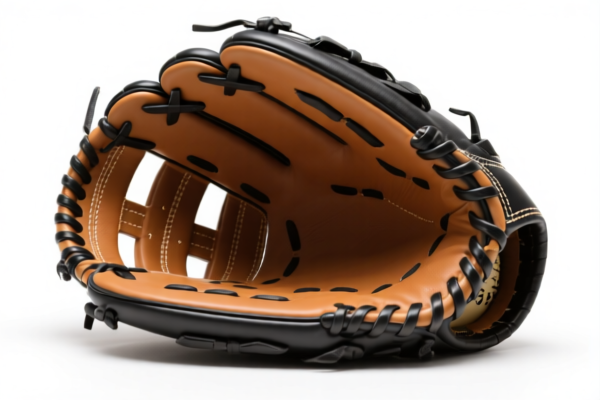
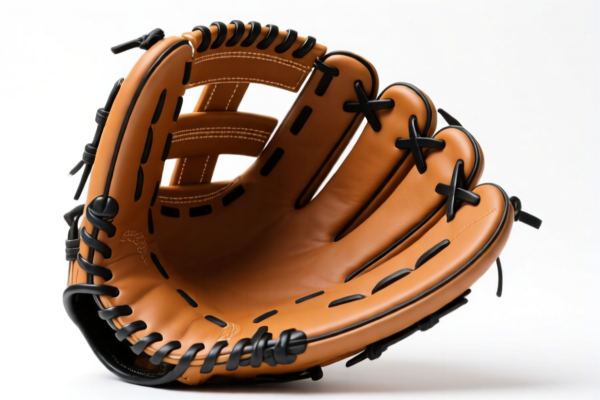
棒球击球手套
CN → US| HS Code | Tariff Rate | Origin | Destination | Doc |
|---|---|---|---|---|
| 6116100800 | 20.3% | CN | US | Official Doc |
| 6216000800 | 18.3% | CN | US | Official Doc |
| 6116930800 | 20.3% | CN | US | Official Doc |
| 4203212000 | 38.0% | CN | US | Official Doc |
| 4203214000 | 35.0% | CN | US | Official Doc |
| 6216004600 | 20.3% | CN | US | Official Doc |
Product Images


AI Analysis
🎾 Baseball Batting Gloves – HS Code & Tariff Guide 2026 | Expert Classification & Customs Clearance Strategy
🌐 HS Code Reference & Customs Clearance Blueprint | 2026 Updated Tariff Rules | Pro-Level Import Strategy
📦 One: Product Definition & Classification – What Exactly Is a "Baseball Batting Glove"?
A baseball batting glove is a specialized handwear designed to enhance grip, reduce vibration, and protect the batter’s hands during swing impact. While primarily used in baseball, it is functionally and structurally classified as a glove due to its form, fit, and purpose.
⚠️ Key Distinction:
- If it’s only a hand cover with no structural reinforcement or sport-specific design → may be classified under textile gloves
- If it includes leather, synthetic leather, or coated materials, with sport-specific shaping and reinforcement → clearly falls under sporting goods or leather goods categories✅ Core Insight:
Based on common knowledge of baseball gear, batting gloves are not just fabric covers — they typically feature leather or synthetic leather palms, reinforced stitching, padding, and coated surfaces for grip. This makes them functionally distinct from simple textile gloves.
🔍 Two: HS Code Classification Breakdown (2026 Official Tariff Matching)
| HS Code | Product Description | Matching Logic | Tax Rate |
|---|---|---|---|
6116.10.08.00 |
Gloves, knitted or crocheted, of man-made fibers, for sports use | ✅ Form: Glove-shaped ✅ Use: Baseball batting ✅ Material: Commonly made with synthetic fibers or coated fabrics |
20.3% |
4203.21.20.00 |
Gloves, of leather or composition leather, for sports use | ✅ Form: Glove ✅ Use: Baseball ✅ Material: Leather/synthetic leather common in pro-grade gloves |
38.0% |
6116.93.08.00 |
Other gloves, not knitted or crocheted, of man-made fibers, for sports use | ✅ Form: Glove ✅ Use: Sports (baseball) ✅ Material: Synthetic fibers or blended materials |
20.3% |
4203.21.40.00 |
Gloves, of leather or composition leather, for sports use (other) | ✅ Form: Glove ✅ Use: Baseball ✅ Material: Leather/synthetic leather, fits category |
35.0% |
6216.00.08.00 |
Gloves, not knitted or crocheted, of textile materials, for sports use | ✅ Form: Glove ✅ Use: Sports (baseball) ✅ Material: Coated fabric, leather, or rubber surface common in batting gloves |
18.3% |
🔍 Why These Codes Apply?
All five HS codes are valid based on product form, function, and material commonality. The correct choice depends on material composition — this is the critical differentiator.
💰 Three: 2026 Tariff Breakdown – Detailed Tax Clause Analysis (U.S. Focus)
✅ Applicable Country: United States (US)
✅ Origin: China (CN)
✅ Effective Date: November 10, 2025 (and onward)
🎯 1. 6116.10.08.00 – Man-Made Fiber Gloves, Sports Use
| Item | Detail |
|---|---|
| Base Duty | 2.8% (ad valorem) |
| Section 301 (USITC) Additional Duty | +7.5% |
| Section 122 (IEEPA) Additional Duty | +10% |
| Total Tariff | 20.3% |
| Tax Calculation | CIF Value × 20.3% |
| De Minimis Threshold | ❌ Not applicable (denied) |
| Legal Basis Path | IEEPA:9903.01.25 → USITC:6116.10.08.00 → FOOTNOTE:9903.88.01 |
📌 Explanation:
- Section 301 (USITC): Tariff imposed under U.S. Trade Act of 1974, targeting Chinese goods with unfair trade practices
- Section 122 (IEEPA): Emergency economic powers law targeting China, effective since 2025
- Total 20.3% — moderate but still high for importers
🎯 2. 4203.21.20.00 – Leather Gloves, Sports Use
| Item | Detail |
|---|---|
| Base Duty | 3.0% |
| Section 301 (USITC) Additional Duty | +25.0% |
| Section 122 (IEEPA) Additional Duty | +10% |
| Total Tariff | 38.0% |
| Tax Calculation | CIF Value × 38.0% |
| De Minimis Threshold | ❌ Not applicable |
| Legal Basis Path | IEEPA:9903.01.25 → USITC:4203.21.20.00 → FOOTNOTE:9903.88.01 |
📌 Explanation:
- Highest tariff among all codes — due to leather material triggering 25% Section 301 duty
- Even if only partially leather, if palm or surface is leather/synthetic leather, this code applies
- Critical for high-end or pro-grade gloves
🎯 3. 6116.93.08.00 – Other Man-Made Fiber Gloves, Sports Use
| Item | Detail |
|---|---|
| Base Duty | 2.8% |
| Section 301 (USITC) | +7.5% |
| Section 122 (IEEPA) | +10% |
| Total Tariff | 20.3% |
| Tax Calculation | CIF × 20.3% |
| De Minimis | ❌ Not applicable |
| Legal Basis | IEEPA:9903.01.25 → USITC:6116.93.08.00 → FOOTNOTE:9903.88.01 |
📌 Note:
- Applies to non-knitted gloves made from synthetic fibers
- Common for budget or youth batting gloves with coated fabric palms
🎯 4. 4203.21.40.00 – Leather Gloves, Sports Use (Other)
| Item | Detail |
|---|---|
| Base Duty | 0.0% |
| Section 301 (USITC) | +25.0% |
| Section 122 (IEEPA) | +10% |
| Total Tariff | 35.0% |
| Tax Calculation | CIF × 35.0% |
| De Minimis | ❌ Not applicable |
| Legal Basis | IEEPA:9903.01.25 → USITC:4203.21.40.00 → FOOTNOTE:9903.88.01 |
📌 Key Difference:
- No base duty, but 25% Section 301 still applies
- Lower base, but higher total than4203.21.20.00due to no base tariff offset
🎯 5. 6216.00.08.00 – Textile Gloves, Sports Use
| Item | Detail |
|---|---|
| Base Duty | 0.8% |
| Section 301 (USITC) | +7.5% |
| Section 122 (IEEPA) | +10% |
| Total Tariff | 18.3% |
| Tax Calculation | CIF × 18.3% |
| De Minimis | ❌ Not applicable |
| Legal Basis | IEEPA:9903.01.25 → USITC:6216.00.08.00 → FOOTNOTE:9903.88.01 |
📌 Why It’s the Best Option?
- Lowest total tariff among all codes
- Applies when gloves are textile-based with coatings (e.g., rubber/plastic on palm)
- Ideal for entry-level or youth gloves
🛠️ Four: Customs Clearance Best Practices (Pro Tips to Avoid Penalties)
✅ 1. Essential Documentation (Must-Have List)
| Document | Required? | Notes |
|---|---|---|
| ✅ Product Specifications | ✔️ | Include material composition (e.g., “synthetic leather palm”, “polyester knit body”) |
| ✅ Material Test Report | ✔️ | Confirm if leather, synthetic leather, or coated fabric |
| ✅ Product Photos (Front, Back, Palm, Stitching) | ✔️ | Show material texture and construction |
| ✅ Commercial Invoice | ✔️ | Clearly state: “Baseball Batting Gloves, for Sports Use, [Material]” |
| ✅ Certificate of Origin (CO) | ✔️ | Critical for tariff eligibility |
| ✅ Packing List | ✔️ | Show quantity, packaging, and unit weight |
| ✅ Test Reports (FCC, CE, REACH, etc.) | ✔️ (if applicable) | For safety compliance |
✅ 2.申报技巧 (Key Tips for Accurate Classification)
🔥 "Material First, Form Second, Use Last!"
| Scenario | Correct HS Code | Wrong Code | Why? |
|---|---|---|---|
| Gloves with leather/synthetic palm, textile body | 4203.21.20.00 or 4203.21.40.00 |
6116.10.08.00 |
Leather triggers leather glove code |
| Gloves with coated fabric palm, no leather | 6216.00.08.00 |
4203.21.20.00 |
No leather → no leather code |
| Gloves made entirely of synthetic fibers, knitted | 6116.10.08.00 |
6216.00.08.00 |
Knitted → use 6116 |
| Gloves with rubber/plastic coating on palm | 6216.00.08.00 |
6116.93.08.00 |
Not knitted → use 6216 |
✅ Golden Rule:
Material determines the code.
Don’t guess — test, document, and declare.
✅ 3. Special Cases & Risk Mitigation
| Situation | Recommended Action |
|---|---|
| Mixed-material gloves (leather palm + textile body) | Use 4203.21.20.00 or 4203.21.40.00 — leather dominates |
| Gloves with 50% leather, 50% fabric | Still classify as leather gloves — leather is the primary material |
| Gloves with no visible leather, but coated | Use 6216.00.08.00 — lowest tariff |
| Custom OEM batting gloves | Provide design drawings + material specs to avoid misclassification |
| Gloves used in training, not competition | Still classified the same — use matters less than material and form |
🌍 Five: Global Market Tariff Comparison (2026 Update)
| Country | Recommended HS Code | Base Duty | Additional Duties | Total Tariff | Notes |
|---|---|---|---|---|---|
| 🇺🇸 United States | 6216.00.08.00 |
0.8% | +7.5% (301) +10% (IEEPA) | 18.3% | Lowest for coated textiles |
| 🇨🇳 China | 6216.00.08.00 |
5% | None | 5% | No extra tariffs |
| 🇪🇺 European Union | 6216.00.08.00 |
0% (if CE compliant) | None | 0% | No additional duties |
| 🇦🇺 Australia | 6216.00.08.00 |
5% | None | 5% | Standard rate |
| 🇯🇵 Japan | 6216.00.08.00 |
0% | None | 0% | No extra tariffs |
📌 Insight:
- U.S. has the highest tariffs — 18.3% is the best possible rate
- EU, Japan, Australia are much friendlier — ideal for export strategy
🚫 Six: Common Mistakes & Costly Errors (Avoid These!)
❌ Mistake 1: Misclassifying a leather-palmed glove as 6116.10.08.00
👉 Result: 38% tariff instead of 20.3% → +17.7% extra cost
❌ Mistake 2: Declaring coated fabric gloves as leather gloves
👉 Result: 25% Section 301 duty → 35%+ total → massive overpayment
❌ Mistake 3: Not providing material proof (test report, photos)
👉 Result: Customs delays, duty reassessment, penalties
❌ Mistake 4: Using generic name like “sports glove” or “baseball handwear”
👉 Result: Customs may default to highest tariff code
✅ Correct Name Format:
“Baseball Batting Gloves, Synthetic Leather Palm, Polyester Knit Body, Coated Surface, for Sports Use, Model XYZ”
🎯 Seven: Final Verdict – Smart Strategy for 2026
✅ Best HS Code for Cost Efficiency:
6216.00.08.00— 18.3% total tariff
✅ Best for coated textile gloves
✅ Lowest risk, lowest cost✅ Best for Leather Gloves:
4203.21.20.00— 38.0% (if unavoidable)
⚠️ Only use if glove has real leather palm✅ Avoid:
-6116.10.08.00for leather gloves → under-pays
-4203.21.40.00if base duty is 0% → still 35% → not optimal
📌 Pro Tip: Pre-Approval Saves Time & Money
📞 Apply for an Advance Ruling (Pre-Decision)
- Submit product photos, material test report, and invoice
- Get official HS Code confirmation from U.S. Customs
- Avoid disputes, delays, and penalties
🌟 Conclusion: Precision = Profit
🔹 "Material First, Form Second, Use Last"
🔹 "Leather = 35–38%, Textile + Coating = 18.3%"
🔹 "No material proof? No clearance!"
📣 Act Now!
🚀 Contact a customs broker + submit material test report + get pre-ruling
💼 Turn your batting gloves into a profitable export, not a tax trap!
✨ Professional Customs Starts with Accurate Classification!
💼 Your next shipment could save you thousands — if you get the code right.
Customer Reviews
About HS Code Classification
The Harmonized System (HS) is an internationally standardized nomenclature developed by the World Customs Organization (WCO) to classify traded products. Over 200 countries use the HS system as the basis for customs tariffs, trade statistics, and import/export regulations.
Each HS code follows a hierarchical structure:
- Chapter (2 digits) — Broad category of goods (e.g., Chapter 84: Machinery and Mechanical Appliances)
- Heading (4 digits) — More specific grouping within the chapter
- Subheading (6 digits) — Internationally standardized breakdown, used by all WCO member countries
- National subdivisions (8-10 digits) — Country-specific extensions for further classification, such as US HTSUS 10-digit codes
Correct HS code classification is essential for smooth customs clearance, accurate duty payment, and compliance with trade regulations. Misclassification can lead to customs delays, overpayment of duties, or penalties.
When importing from CN to US, the applicable tariff rates may include:
- Most-Favored-Nation (MFN) rate — The standard duty rate applied to WTO members
- General rate — Applied to countries without trade agreements
- Trade remedy duties — Additional tariffs such as Section 301 (anti-dumping), Section 232 (national security), or countervailing duties
The information provided on this page is for reference purposes only. For official classification, please consult with your local customs authority or a licensed customs broker.