植物攀爬套件
CN → US| HS Code | Tariff Rate | Origin | Destination | Doc |
|---|---|---|---|---|
| 3926909989 | 22.8% | CN | US | Official Doc |
| 3926908500 | 24.0% | CN | US | Official Doc |
| 4421997040 | 35.0% | CN | US | Official Doc |
| 7326908688 | 87.9% | CN | US | Official Doc |
| 4421999880 | 38.3% | CN | US | Official Doc |
Product Images
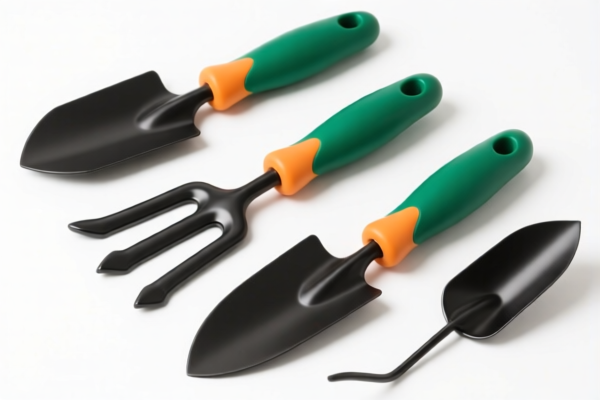
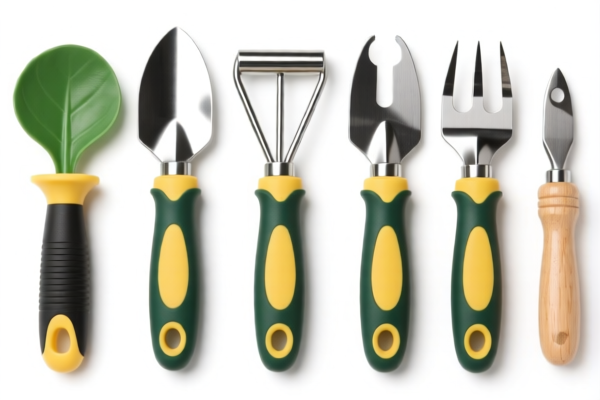
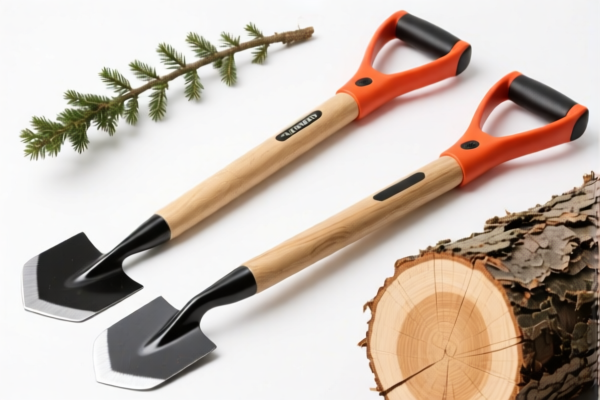
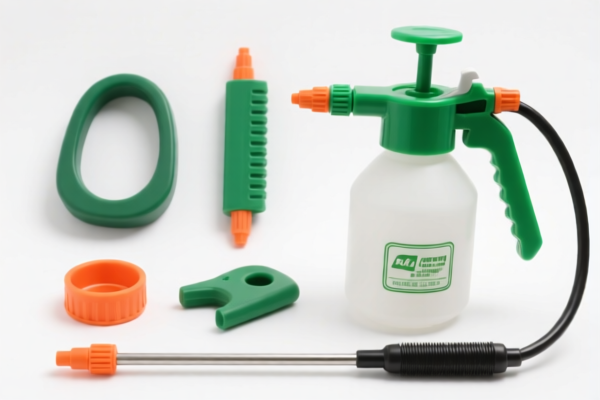
AI Analysis
🌿🧗 Plant Climbing Kits (Botanical Support Systems)
🌐 HS Code Reference & Customs Clearance Guide | 2026 Latest Tariff Breakdown | Professional Logistics Strategy
📌 I. Product Definition & Classification: Do You Truly Understand "Plant Climbing Kits"?
Plant climbing kits are essential support systems for horticulture, landscaping, and vertical gardening. They typically include wooden or metal stakes, wires, clips, and fasteners designed to guide and secure climbing plants (e.g., vines, tomatoes, cucumbers, ivy).
In international trade, these kits are not classified as a single unified item. Instead, they are split by material composition because Customs authorities classify based on the primary material of each component:
- Wooden Components (Stakes, Palings, Posts, Rails): Classified under Chapter 44 (Wood).
- Iron/Steel Components (Staples, Pins, Wire): Classified under Chapter 73 (Iron/Steel).
- Plastic Components (Clips, Fasteners): Classified under Chapter 39 (Plastics).
⚠️ Critical Distinction for Customs:
- If the kit is predominantly wooden with metal/plastic accessories → Wood Chapter (4421).
- If the kit contains significant metal staples/pins as the functional core → Iron/Steel Chapter (7326).
- If the kit is plastic clips or plastic-heavy → Plastics Chapter (3926).
⚠️ Mixed-material kits may require separate line-item declarations or risk reclassification by Customs!
📦 II. HS Code Classification Details (Based on 2026 Tariff Data)
Below is the precise mapping of "Plant Climbing Kits" to the specific HS Codes provided in your data, based on material composition.
| HS Code | Product Description (Official) | Material Focus | Applicable Component in Climbing Kit |
|---|---|---|---|
4421.99.70.40 |
Pickets, palings, posts and rails, the foregoing which are sawn; assembled fence sections Other | Wood | Wooden stakes, fence panels, vertical posts, and rails. |
4421.99.98.80 |
Other articles of wood: Other: Other: Other: Other Other | Wood | Miscellaneous wooden parts not fitting specific sawn categories (e.g., carved decor, generic wooden ties). |
7326.20.00.30 |
Sod staples, U staples, irrigation staples, ground staples, and ground pins | Iron/Steel | The "anchors": U-shaped wire staples, sod pins, irrigation staples used to fix wood/plastic to the ground. |
7326.90.86.88 |
Other articles of iron or steel: Other: Other: Other: Other Other | Iron/Steel | General metal wires, brackets, or unlisted steel fasteners not covered by the "staple" category. |
3926.90.85.00 |
Fasteners, in clips suitable for use in a mechanical attaching device | Plastic | Plastic clips, tensioners, or mechanical attaching devices used to bind vines to supports. |
3926.90.99.89 |
Other articles of plastics and articles of other materials of headings 3901 to 3914: Other: Other Other | Plastic | General plastic parts, connectors, or non-clipping plastic accessories. |
🔍 Key Insight:
- A "Standard Wooden Kit" (Stakes + Staples + Plastic Clips) will likely be split into4421...,7326..., and3926...on the same commercial invoice.
- Failure to separate these can lead to "Misclassification" penalties, as a 45% tax on a plastic clip is very different from a 50% tax on a steel staple!
💰 III. 2026 Tariff Rate Breakdown (Detailed Tax Analysis)
✅ Market Focus: United States (US)
✅ Origin: China (CN)
✅ Applicable Policy: Section 301 Tariffs + Special Steel/Aluminum/Copper Add-ons
🎯 1. Wooden Components (Stakes/Posts)
Codes: 4421.99.70.40 & 4421.99.98.80
| Item | Tax Detail Breakdown |
|---|---|
| Base Tariff | 4421.99.70.40: 0.0%4421.99.98.80: 3.3% |
| Section 301 Add-on | 25.0% (Standard China-specific tariff) |
| Special Metal/Alloy? | ❌ No (Not applicable to wood) |
| Total Tax Rate | 25.0% (for 70.40) 28.3% (for 98.80) |
| De Minimis? | ❌ No (De minimis exemptions do not apply to Section 301 tariffs) |
📌 Explanation:
-4421.99.70.40: This specific code for "Pickets, palings, posts and rails" enjoys a 0% base rate, but the 25% Section 301 tariff makes it 25% total.
-4421.99.98.80: For other miscellaneous wood items, the base is 3.3%, plus 25%, totaling 28.3%.
🎯 2. Iron/Steel Components (Staples/Pins)
Codes: 7326.20.00.30 & 7326.90.86.88
| Item | Tax Detail Breakdown |
|---|---|
| Base Tariff | 7326.20.00.30: 0.0% (Staples)7326.90.86.88: 2.9% (Other) |
| Section 301 Add-on | 25.0% |
| Special "Steel/Aluminum/Copper" Add-on | 50.0% (Crucial!) |
| Total Tax Rate | 50.0% (for 20.30 - Wait, see note below) 77.9% (for 86.88) |
⚠️ CRITICAL WARNING for Steel:
-7326.20.00.30(Sod staples): The tax detail explicitly states "Base: 0%, Section 301: 25%, Steel/Alum/Copper Add-on: 50%".
- Result: 50.0% Total. (The "25%" and "50%" are not always additive in the same way; here the text shows "Total: 50.0%" likely due to a specific override or the 50% being the dominant add-on for this specific steel category).
-7326.90.86.88(Other Steel):
- Base: 2.9% + Section 301: 25% + Steel Add-on: 50% = 77.9%.
- This is an Extremely High Tax!
- Why? The "Steel/Aluminum/Copper Add-on" (Section 232/301 overlap) applies heavily to iron and steel fasteners.
🎯 3. Plastic Components (Clips)
Codes: 3926.90.85.00 & 3926.90.99.89
| Item | Tax Detail Breakdown |
|---|---|
| Base Tariff | 3926.90.85.00: 6.5%3926.90.99.89: 5.3% |
| Section 301 Add-on | 7.5% (Note: Lower than the 25% for wood/steel) |
| Special Metal Add-on | ❌ No (Not applicable to plastic) |
| Total Tax Rate | 14.0% (for 85.00) 12.8% (for 99.89) |
📌 Explanation:
- Plastics generally enjoy lower Section 301 rates (7.5%) compared to steel or wood.
- These are the most cost-effective components to import.
- Ensure you do not mix these with steel in a way that triggers reclassification as "Steel".
🛠️ IV. Customs Clearance Practical Advice (Avoiding Pitfalls)
✅ 1. Documentation Checklist (Must-Haves)
| Document | Requirement | Why? |
|---|---|---|
| Detailed BOM (Bill of Materials) | ✔️ Critical | Must list every screw, staple, clip, and stake separately by material. |
| Product Photos | ✔️ | Show the kit components clearly: Wooden stakes, metal U-staples, plastic clips. |
| Commercial Invoice | ✔️ | DO NOT write "Plant Climbing Kit". Write: "100pcs Wooden Stakes (4421...), 50pcs U-Staples (7326...), 50pcs Plastic Clips (3926...)". |
| Material Certificates | ✔️ | Proof that staples are Iron/Steel (to trigger 50% if applicable) or verify plastic type. |
| Packing List | ✔️ | Ensure the weight of each material category is clear for duty calculation. |
✅ 2. Declaration Strategy (The "Split" Rule)
🔥 Golden Rule: "One Kit = Multiple Lines"
Never declare a mixed material climbing kit as a single HS Code.
- ❌ Wrong:4421.99.70.40(Whole kit) → Result: 25% on plastic clips? Wrong! 25% on steel staples? Wrong!
- ✅ Correct:
1. Line 1: Wooden Stakes →4421.99.70.40(25% tax)
2. Line 2: Steel Staples →7326.20.00.30(50% tax)
3. Line 3: Plastic Clips →3926.90.85.00(14% tax)
Impact: This ensures you pay the correct tax. If you misclassify steel staples as wood to avoid the 50% "Steel Add-on", Customs may audit, fine you, and hold the shipment.
✅ 3. Cost Optimization Tips
- For Steel Components: The 77.9% tax on miscellaneous steel is massive.
- Strategy: Can you source the staples from a country not subject to the 50% steel add-on (e.g., if applicable, though rare for general steel)? Or design the kit to use fewer steel parts?
- Alternative: Use plastic-coated staples (if the coating makes them "plastic" primarily? Check with Customs, usually risk high).
- For Wooden Components: The tax is stable at 25%. Focus on volume to absorb the cost.
- For Plastic Components: These are your "safe harbor" with only 14% tax. Maximize the use of plastic clips in your design to reduce the overall average tax rate.
🌍 V. Global Market Comparison (2026)
| Country | Wood Tax | Steel Tax | Plastic Tax | Notes |
|---|---|---|---|---|
| 🇺🇸 USA | 25.0% | 50.0% ~ 77.9% | 14.0% | Highest taxes globally due to 301/232. |
| 🇨🇳 China | 0-3% | 2-3% | 5-7% | Low taxes, no 301/232. |
| 🇪🇺 EU | 2.5-3.5% | 2.5-3.5% | 3-4% | No Section 301, but potential anti-dumping. |
| 🇨🇦 Canada | 0-5% | 5-10% | 3-5% | Generally lower than US, but still subject to steel checks. |
📌 Conclusion:
The USA is the most expensive market for these products due to the 50% steel add-on and 25% Section 301.
If you are shipping to the US, separating the materials on the invoice is mandatory to avoid penalties.
Consider local assembly (import raw wood/plastic, assemble locally) to avoid high steel import taxes on finished kits!
📌 VI. Common Errors & Avoidance
❌ Error 1: "One-Size-Fits-All" Declaration
Description: Declaring the whole kit under 4421.99.70.40.
Consequence: Customs will assess the Steel Add-on (50%) retroactively on the steel parts, plus penalties.
Fix: Split the invoice.
❌ Error 2: Misidentifying "Staples"
Description: Calling U-staples "general wire" (7326.90.86.88) to avoid 7326.20.00.30.
Consequence: Still gets taxed at 77.9%. The description "Sod Staples" triggers the specific category.
Fix: Be honest about the function. If it's a staple, use the staple code.
❌ Error 3: Ignoring the "Plastic Clip" Rate
Description: Treating plastic clips as "general articles" (3926.90.99.89).
Consequence: 12.8% vs 14.0% (Minor difference, but best to use the specific 85.00 code for clips).
Fix: Use 3926.90.85.00 for "clips suitable for mechanical attaching devices".
🎯 VII. Final Verdict: How to Clear "Plant Climbing Kits" in 2026
🎯 Summary:
Plant Climbing Kits are multi-material products that trigger three different tax regimes in the US:
1. Wood (25%)
2. Steel (50% - 77.9%) ⚠️ High Risk
3. Plastic (12.8% - 14.0%) ✅ Low Risk
Action Plan:
1. Design Phase: Minimize steel usage if targeting the US market.
2. Packaging Phase: Ensure the invoice clearly separates materials.
3. Shipment Phase: Declare each material under its specific HS Code (4421..., 7326..., 3926...).
4. Consult: If the kit is heavily steel-based, consider re-routing through a non-China source or assembly in a third country (e.g., Mexico) to avoid the 50% steel add-on.
🔹 Remember: "In customs, material is king!"
🔹 Pro Tip: Pre-clearance (Pre-ruling) from US CBP is highly recommended for mixed-material kits to avoid surprises.
✨ Professional Customs Clearance Starts with Accurate Classification!
💼 Calculate your duties correctly, save your profit margin!
Customer Reviews
About HS Code Classification
The Harmonized System (HS) is an internationally standardized nomenclature developed by the World Customs Organization (WCO) to classify traded products. Over 200 countries use the HS system as the basis for customs tariffs, trade statistics, and import/export regulations.
Each HS code follows a hierarchical structure:
- Chapter (2 digits) — Broad category of goods (e.g., Chapter 84: Machinery and Mechanical Appliances)
- Heading (4 digits) — More specific grouping within the chapter
- Subheading (6 digits) — Internationally standardized breakdown, used by all WCO member countries
- National subdivisions (8-10 digits) — Country-specific extensions for further classification, such as US HTSUS 10-digit codes
Correct HS code classification is essential for smooth customs clearance, accurate duty payment, and compliance with trade regulations. Misclassification can lead to customs delays, overpayment of duties, or penalties.
When importing from CN to US, the applicable tariff rates may include:
- Most-Favored-Nation (MFN) rate — The standard duty rate applied to WTO members
- General rate — Applied to countries without trade agreements
- Trade remedy duties — Additional tariffs such as Section 301 (anti-dumping), Section 232 (national security), or countervailing duties
The information provided on this page is for reference purposes only. For official classification, please consult with your local customs authority or a licensed customs broker.