橡胶钩编手套
CN → US| HS Code | Tariff Rate | Origin | Destination | Doc |
|---|---|---|---|---|
| 6116106500 | 24.5% | CN | US | Official Doc |
| 4015195100 | 49.0% | CN | US | Official Doc |
| 4015191150 | 38.0% | CN | US | Official Doc |
| 6116109500 | 24.5% | CN | US | Official Doc |
| 3926204050 | 16.5% | CN | US | Official Doc |
Product Images
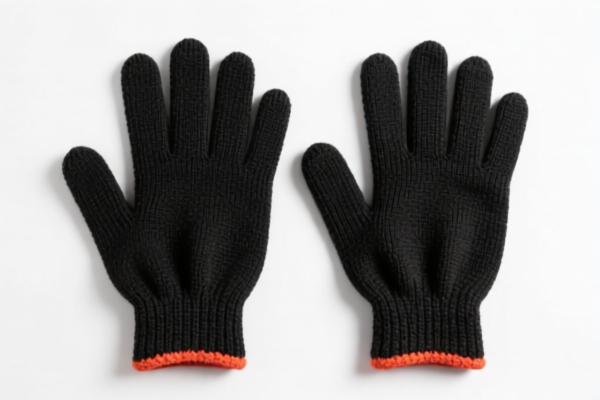
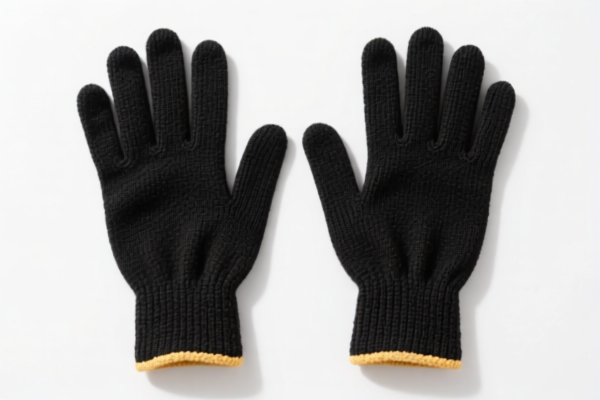
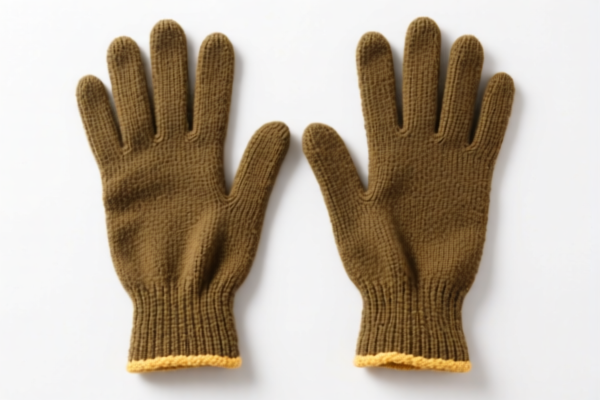

AI Analysis
🧤 Rubber-Coated Knitted Gloves (Rubber Crocheted Gloves)
🌐 HS Code Reference & Customs Clearance Guide | 2026 Latest Tariff Analysis | Professional-Level Clearance Strategy
📌 I. Product Definition & Classification: Do You Really Understand "Rubber Crocheted Gloves"?
Rubber Crocheted Gloves are protective handwear primarily used in agriculture, gardening, or light industrial tasks. In international trade, they are defined by two key characteristics: 1. Base Material: Knitted or crocheted fabric (usually cotton, nylon, or blend). 2. Coating/Impregnation: Coated or dipped in rubber or plastic (specifically natural rubber or synthetic rubber).
⚠️ Critical Distinction Point:
- If the gloves are purely rubber vulcanized (solid rubber shell, no fabric base) → They fall under Chapter 40 (Vulcanized Rubber Goods).
- If the gloves have a knitted/crocheted fabric base coated with rubber/plastic → They fall under Chapter 61 (Articles of Apparel and Clothing Accessories, Knitted or Crocheted).
- Misclassification Risk: Declaring a knitted-glove with rubber coating as "Vulcanized Rubber" (4015) often leads to higher tariffs and customs rejection. Declaring a solid rubber glove as "Knitted" (6116) is also incorrect.
📦 II. HS Code Classification Details (2026 Latest Tariff Authority Comparison)
| HS Code | Product Description | Applicable Scenario | Total Tax Rate | Tariff Composition |
|---|---|---|---|---|
6116.10.65.00 |
Knitted/Crocheted Gloves, Rubber Impregnated/Coated | Agricultural/Gardening Rubber Gloves (Knitted Base) | 24.5% | Base: 7.0%, Added: 7.5%, Section 122: 10% |
6116.10.95.00 |
Knitted/Crocheted Gloves, Rubber Material, Plastic or Rubber | General Purpose Rubber-Coated Knitted Gloves | 24.5% | Base: 7.0%, Added: 7.5%, Section 122: 10% |
4015.19.51.00 |
Vulcanized Rubber Gloves, Rubber Material, Apparel & Accessories | Solid Rubber Gloves (Non-Knitted Base) | 49.0% | Base: 14.0%, Added: 25.0%, Section 122: 10% |
4015.19.11.50 |
Vulcanized Rubber Gloves, Rubber Material, Apparel & Accessories | Other Vulcanized Rubber Gloves | 38.0% | Base: 3.0%, Added: 25.0%, Section 122: 10% |
3926.20.40.50 |
Gloves, Rubber Material, Reasonable Inference under Plastic Products | Note: Inferential Classification | 16.5% | Base: 6.5%, Added: 0.0%, Section 122: 10% |
🔍 Key Reminder:
- Knitted Base + Rubber Coating = Chapter 61 (6116.10.xxxx). This is the standard and most common classification for "rubber-coated gardening/agricultural gloves." - Solid Rubber (no fabric) = Chapter 40 (4015.19.xxxx). These carry significantly higher taxes (38%-49%) due to higher base tariffs. - Plastic Inference (3926.20.40.50) is a risky/inferential category. Only use if the product is strictly plastic and not rubber, but even then, verification is crucial. For "Rubber Gloves," Chapter 61 or 40 is preferred.
💰 III. 2026 Latest Tariff Rate Breakdown (Including Additional Taxes, Policy Add-ons)
✅ Applicable Country: United States (US)
✅ Origin: China (CN)
✅ Effective Time: 2025/2026 Period (Subject to Current Trade Policies)
🎯 1. 6116.10.65.00 & 6116.10.95.00 — Knitted Rubber-Coated Gloves (Recommended for "Rubber Crocheted")
| Item | Content |
|---|---|
| Base Tariff | 7.0% (ad valorem) |
| Section 301 Added Tariff | +7.5% |
| Section 122 Tariff | +10% (Specific US Tariff) |
| Total Tax Rate | 24.5% |
| Tax Calculation | CIF Value × 24.5% |
| De Minimis Eligibility | ❌ No (Usually >$800 threshold or specific exclusions apply) |
| Legal Basis Path | USITC:6116.10.65.00 / 6116.10.95.00 → Section 301: 7.5% → Section 122: 10% |
📌 Explanation:
- These HS codes represent the most cost-effective and compliant classification for standard rubber-coated knitted gloves.
- The Section 122 tariff (10%) is a specific add-on for certain textile/garment categories.
- Total burden is 24.5%, which is significantly lower than vulcanized rubber gloves (49%).
🎯 2. 4015.19.51.00 & 4015.19.11.50 — Vulcanized Rubber Gloves (High Cost)
| Item | Content |
|---|---|
| Base Tariff | 14.0% (4015.19.51.00) / 3.0% (4015.19.11.50) |
| Section 301 Added Tariff | +25.0% (High Penalty Tier) |
| Section 122 Tariff | +10% |
| Total Tax Rate | 49.0% (4015.19.51.00) / 38.0% (4015.19.11.50) |
| Tax Calculation | CIF Value × 49% / 38% |
| De Minimis Eligibility | ❌ No |
| Legal Basis Path | USITC:4015.19.xxxx → Section 301: 25% → Section 122: 10% |
📌 Warning:
- If you mistakenly declare knitted gloves as "Vulcanized Rubber," your tax jumps from 24.5% to 49%.
- The 25% Section 301 tariff is applied to most rubber goods of Chinese origin.
🎯 3. 3926.20.40.50 — Plastic Gloves (Inferential, Low Cost but High Risk)
| Item | Content |
|---|---|
| Base Tariff | 6.5% |
| Section 301 Added Tariff | 0.0% (Exempt or Lower Tier) |
| Section 122 Tariff | +10% |
| Total Tax Rate | 16.5% |
| Tax Calculation | CIF Value × 16.5% |
| De Minimis Eligibility | ❌ Check Specific Rules |
| Legal Basis Path | USITC:3926.20.40.50 → Section 122: 10% |
📌 Critical Note:
- This classification is only for plastic gloves, not rubber.
- If your product is "Rubber Crocheted Gloves," using this HS Code is incorrect and may lead to customs penalties for misdeclaration.
- However, if you can prove the coating is plastic (e.g., PVC) and not rubber, this is the cheapest option (16.5%).
🛠️ IV. Customs Clearance Practical Advice (Real-World Pitfall Guide)
✅ 1. Document Preparation Checklist (Mandatory)
| Document | Required | Description |
|---|---|---|
| ✅ Product Specification Sheet | ✔️ | Must state: Base Material (Knitted/Crocheted), Coating Material (Rubber/Plastic), Thickness. |
| ✅ Material Composition | ✔️ | E.g., "95% Cotton Knitted Fabric + 5% Natural Rubber Coating." |
| ✅ Product Photos | ✔️ | Show the fabric texture on the inside/back to prove it's knitted, not solid rubber. |
| ✅ Commercial Invoice | ✔️ | Clearly describe as "Knitted Rubber Coated Gloves" NOT "Vulcanized Rubber Gloves." |
| ✅ Packaging List | ✔️ | Indicate net/gross weight and quantity. |
✅ 2. Declaration Tips (Key Mnemonic)
🔥 "Knitted Base = Chapter 61, Solid Rubber = Chapter 40, Name It Right, Save Half!"
| Scenario | Correct HS Code | Incorrect Practice |
|---|---|---|
| Gardening Glove (Fabric inside, Rubber outside) | 6116.10.65.00 / 6116.10.95.00 |
Declaring as 4015.19.51.00 → 49% Tax! |
| Solid Rubber Glove (No fabric) | 4015.19.51.00 |
Declaring as 6116.10.65.00 → Misdeclaration Risk |
| PVC Coated Glove (Plastic, not Rubber) | 3926.20.40.50 (if eligible) |
Using rubber HS Code → Missed Savings |
✅ 3. Special Case Handling
| Scenario | Advice |
|---|---|
| OEM Custom Gloves | Provide the design spec showing the knitted liner. |
| Mixed Pack (Rubber + Plastic) | Separate declarations required. Do not mix. |
| Labeling | Ensure labels say "Rubber Coated Knitted Gloves" to support Chapter 61. |
| Origin Marking | "Made in China" must be clearly visible. |
🌍 V. Global Market Comparison (2026 Latest)
| Country/Region | Recommended HS Code | Tariff (China Origin) | Certification | Note |
|---|---|---|---|---|
| 🇺🇸 USA | 6116.10.65.00 |
24.5% | No Special Cert | High Section 122 & 301 tariffs apply. |
| 🇨🇳 China | 6116.10.65.00 |
7% | None | Low base tariff, no US add-ons. |
| 🇪🇺 EU | 6116.10.65.00 |
0-4% (Depends on FTA) | CE (if PPE) | No Section 122/301. |
| 🇬🇧 UK | 6116.10.65.00 |
0-4% | UKCA (if PPE) | Post-Brexit rules. |
| 🇦🇺 Australia | 6116.10.65.00 |
5% | None | No major add-on tariffs. |
📌 Conclusion:
- USA is the most expensive market due to Section 301 (7.5%) and Section 122 (10%) add-ons.
- Correct Classification (Chapter 61) saves ~25% tax compared to misclassifying as Chapter 40.
- EU/UK/Australia are much more tariff-friendly, with no punitive add-on tariffs.
📌 VI. Common Errors & Pitfall Guide (Blood & Tears Lessons)
❌ Error 1: Declaring "Rubber Gloves" as 4015.19.51.00 when they are knitted.
👉 Consequence: Tax jumps from 24.5% to 49%. Overpay $24.5 on every $100!
❌ Error 2: Declaring "PVC Gloves" as Rubber.
👉 Consequence: May face 16.5% vs 24.5% discrepancy. If audited, penalties + back taxes.
❌ Error 3: Vague Description "Gloves" on Invoice.
👉 Consequence: Customs delays, requests for additional documents, possible detention.
❌ Error 4: Not proving the knitted base.
👉 Consequence: Customs may reclassify to 4015 if they suspect solid rubber.
✅ Correct Declaration Example:
"Knitted Rubber Coated Gloves, Cotton Base, Natural Rubber Coating, for Gardening, Model ABC, 12 Pairs per Box"
🎯 VII. Conclusion: Professional Declaration, Save Time, Cut Costs!
🎯 Remember the Mnemonic:
🔹 "Knitted Base = 61, Solid Rubber = 40, Name It Right, Save 25%!"
🔹 "HS Code Decides Tax, 24.5% vs 49%, Declaration Matters!"
📌 Tips:
- If your gloves are PVC/Plastic coated, try to qualify for 3926.20.40.50 (16.5%) for further savings.
- For USA imports, consider Advance Ruling if the product structure is complex (e.g., hybrid materials).
- Always highlight the knitted/fabric component in your documentation to justify Chapter 61.
📣 Immediate Action:
📞 Contact a Licensed Customs Broker + Provide Product Specs + Verify HS Code
🚀 Let your gloves Clear Customs Smoothly, Export Efficiently, Profit Maximally!
✨ Professional Clearance Starts with Accurate Classification!
💼 Every Cent of Your Cost Deserves Precise Calculation!
Customer Reviews
About HS Code Classification
The Harmonized System (HS) is an internationally standardized nomenclature developed by the World Customs Organization (WCO) to classify traded products. Over 200 countries use the HS system as the basis for customs tariffs, trade statistics, and import/export regulations.
Each HS code follows a hierarchical structure:
- Chapter (2 digits) — Broad category of goods (e.g., Chapter 84: Machinery and Mechanical Appliances)
- Heading (4 digits) — More specific grouping within the chapter
- Subheading (6 digits) — Internationally standardized breakdown, used by all WCO member countries
- National subdivisions (8-10 digits) — Country-specific extensions for further classification, such as US HTSUS 10-digit codes
Correct HS code classification is essential for smooth customs clearance, accurate duty payment, and compliance with trade regulations. Misclassification can lead to customs delays, overpayment of duties, or penalties.
When importing from CN to US, the applicable tariff rates may include:
- Most-Favored-Nation (MFN) rate — The standard duty rate applied to WTO members
- General rate — Applied to countries without trade agreements
- Trade remedy duties — Additional tariffs such as Section 301 (anti-dumping), Section 232 (national security), or countervailing duties
The information provided on this page is for reference purposes only. For official classification, please consult with your local customs authority or a licensed customs broker.