毛绒小狗玩具
CN → US| HS Code | Tariff Rate | Origin | Destination | Doc |
|---|---|---|---|---|
| 9503000071 | 10.0% | CN | US | Official Doc |
| 6307907500 | 14.3% | CN | US | Official Doc |
| 6307909891 | 24.5% | CN | US | Official Doc |
| 9503000073 | 10.0% | CN | US | Official Doc |
| 3926400090 | 15.3% | CN | US | Official Doc |
Product Images
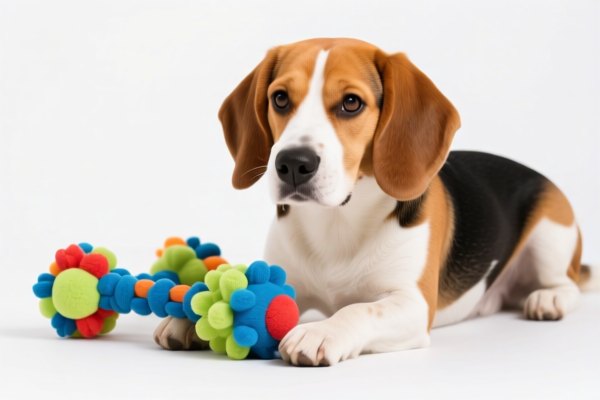
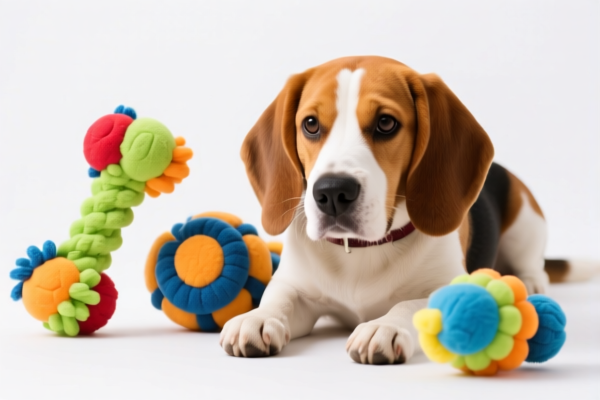
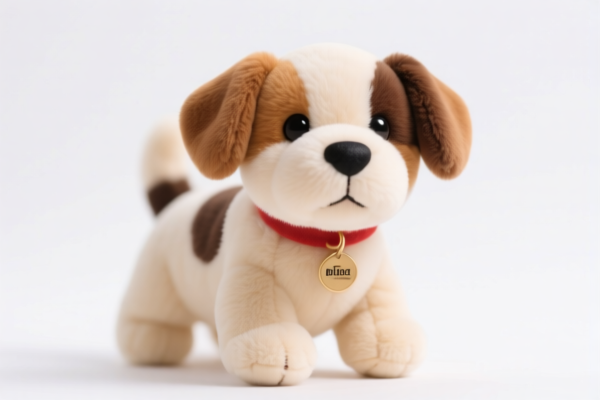
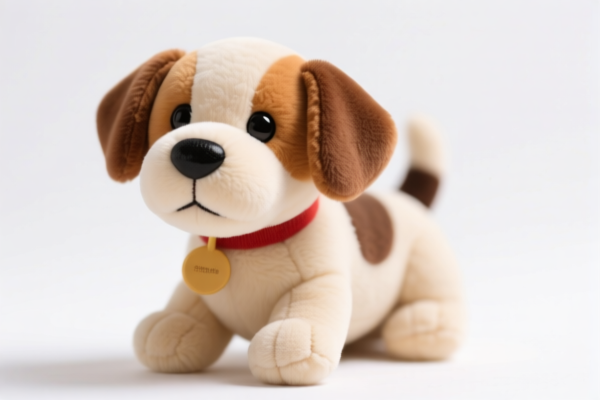
AI Analysis
🧸 Plush Puppy Toy (毛绒小狗玩具)
🌐 HS Code Reference & Customs Clearance Guide | 2026 Latest Tariff Analysis | Professional Clearance Strategy
📌 I. Product Definition: What Exactly is a "Plush Puppy"?
A Plush Puppy Toy is a stuffed animal made of fabric (usually short-pile or long-pile fiber) filled with synthetic or natural materials (polyester fiber, foam, etc.). In international trade, the classification depends heavily on intended use (toy vs. pet accessory vs. decoration) and material composition.
⚠️ Key Classification Dilemma:
- Is it a toy for children/humans? → Chapter 95 (Toys)
- Is it a pet accessory (for dogs/cats to chew/play)? → Chapter 63 (Other Made-Up Textile Articles)
- Is it a general decoration or plastic-based figure? → Chapter 63 or 39
Misclassification can lead to massive duty differences (from 0% to 24.5%).
📦 II. HS Code Classification Details (2026 Latest Tariff Authority Comparison)
Based on the provided data, here are the four valid classification paths for Plush Puppy Toys:
| HS Code | Product Description | Applicable Scenario | Tax Rate |
|---|---|---|---|
9503.00.00.71 |
Plush Toy (Classified as Toy) Material: Plush/Fabric |
✅ Most Common Intended for children/humans as a plaything |
10.0% |
6307.90.75.00 |
Textile Pet Toy/Accessory Material: Textile Plush |
🐶 Pet Use Specifically marketed as a toy for pets (dogs/cats) |
14.3% |
6307.90.98.91 |
Other Made-Up Textile Article Material: Fiber/Plush |
🏠 General Use/Decoration Not primarily a toy or pet item; e.g., decorative pillow, general stuffing |
24.5% |
3926.40.00.90 |
Other Ornament/Decoration Material: Plastic or Other |
🎨 Plastic-Dominant If the main body is plastic with plush accents, or considered a decorative ornament rather than a textile toy |
15.3% |
🔍 Critical Distinction:
- Chapter 95 (Toys) is generally the lowest duty path if the item is explicitly a toy.
- Chapter 63 (Textiles) carries higher duties due to base tariffs + Section 301/122 tariffs.
- Chapter 39 (Plastics) is only applicable if the primary material is plastic, not plush fabric.
💰 III. 2026 Latest Tariff Rate Breakdown (Including Surcharges)
✅ Applicable Country: United States (US)
✅ Origin: China (CN)
✅ Effective Date: Current policies apply (Section 301 & 122 Tariffs)
🎯 1. 9503.00.00.71 & 9503.00.00.73 —— Plush Toys (Lowest Duty!)
These two codes are functionally identical for plush toys. 9503.00.00.71 specifies "Plush," while 9503.00.00.73 specifies "Plush or Fabric." Both fall under Chapter 95.
| Item | Detail |
|---|---|
| Base Tariff | 0.0% |
| Section 301 Surcharge | 0.0% (Note: Some toy categories may have exemptions, but data shows 0%) |
| Section 122 Tariff | +10.0% (Special tariff for certain goods from China) |
| Total Effective Rate | 10.0% |
| Calculation | CIF Value × 10% |
| Legal Basis | HTSUS 9503.00.00 + 122 Tariff Clause |
📌 Explanation:
- This is the most cost-effective classification if the product is unequivocally a toy for humans/children.
- The 10% rate comes solely from the 122 Tariff.
- Advantage: No base duty, no Section 301 tax.
🎯 2. 6307.90.75.00 —— Pet Toys/Accessories
| Item | Detail |
|---|---|
| Base Tariff | 4.3% |
| Section 301 Surcharge | 0.0% |
| Section 122 Tariff | +10.0% |
| Total Effective Rate | 14.3% |
| Calculation | CIF Value × 14.3% |
| Legal Basis | HTSUS 6307.90 + 122 Tariff Clause |
📌 Explanation:
- If you label it as a "Dog Toy" or "Pet Chew Toy", it may be forced into Chapter 63.
- Risk: Higher than toy classification. Ensure marketing materials don't contradict "Pet Use" if you want the 10% rate.
🎯 3. 3926.40.00.90 —— Plastic/Ornamental Items
| Item | Detail |
|---|---|
| Base Tariff | 5.3% |
| Section 301 Surcharge | 0.0% |
| Section 122 Tariff | +10.0% |
| Total Effective Rate | 15.3% |
| Calculation | CIF Value × 15.3% |
📌 Explanation:
- Only use this if the toy is primarily plastic (e.g., hard body with plush ears).
- If it's 100% fabric/plush, this classification is incorrect and risks audit penalties.
🎯 4. 6307.90.98.91 —— Other Textile Articles (Highest Duty!)
| Item | Detail |
|---|---|
| Base Tariff | 7.0% |
| Section 301 Surcharge | +7.5% |
| Section 122 Tariff | +10.0% |
| Total Effective Rate | 24.5% |
| Calculation | CIF Value × 24.5% |
| Legal Basis | HTSUS 6307.90 + 301 + 122 |
📌 Explanation:
- This is the worst-case scenario.
- Occurs if customs views the item as a generic textile product (e.g., a stuffed cushion not explicitly a toy) and applies all surcharges.
- Avoid unless the item is clearly non-toy and non-pet specific.
🛠️ IV. Customs Clearance Practical Advice
✅ 1. Recommended HS Code: 9503.00.00.71 or 9503.00.00.73
Why?
- Lowest Duty (10%) vs. 14.3% or 24.5%.
- Most accurate for "Plush Puppy" marketed as a children's toy or collectible plush.
How to Justify?
- Product Name: "Plush Puppy Toy" (Not "Dog Chew Toy" or "Pet Accessory").
- Marketing Materials: Show images of children playing, not dogs chewing.
- Age Grading: Include "Ages 3+" or similar on packaging.
- Certifications: Mention CPC (Children's Product Certificate) if applicable in the US.
✅ 2. Declaration Tips (Crucial!)
| Scenario | Correct Declaration | Wrong Declaration |
|---|---|---|
| Standard Plush Puppy | "Plush Puppy Toy, 100% Polyester, For Children" | "Pet Toy" or "Stuffed Animal Cushion" |
| Plush with Plastic Parts | "Plush Puppy Toy, Plastic Eyes/Nose" | "Plastic Ornament" (unless >50% plastic) |
| Pet-Specific Toy | "Indestructible Dog Toy, Plush" | "Plush Toy" (Misleading) |
🔥 Golden Rule:
"If it's a toy for humans, declare as Toy (9503). If it's for pets, declare as Textile Pet Accessory (6307). Never declare a plush toy as 'Other Textile Article' (6307.98.91) unless forced – it costs 2.5x more!"
✅ 3. Special Considerations
| Issue | Solution |
|---|---|
| Material Mix | If >50% by weight is textile, use Chapter 63. If it's a toy, Chapter 95 often overrides material rules for classification. |
| Packaging | Include "Toys" in the commercial invoice description. |
| Section 122 Impact | All these codes carry the 10% 122 tariff. No exemption available for plush toys from China. |
| Audit Risk | Customs may question 9503 if the item lacks typical "toy" features (e.g., rattles, interactive parts). Provide product specs showing it's designed for play. |
🌍 V. Global Market Comparison (2026)
| Country | Recommended HS Code | Total Duty Rate | Notes |
|---|---|---|---|
| 🇺🇸 USA | 9503.00.00.71 |
10% | Includes 122 Tariff. Best rate for plush toys. |
| 🇺🇸 USA | 6307.90.98.91 |
24.5% | Highest rate. Avoid unless misclassified intentionally (risky). |
| 🇪🇺 EU | 9503.00.00 |
~4.9% | Lower base duty, no Section 122/301. |
| 🇨🇳 China | 9503.00.00 |
0% | Import duty is 0%, but check VAT (13%). |
📌 Conclusion for US Market:
- Stick to9503.00.00.71or9503.00.00.73.
- Cost Savings: Compared to6307.90.98.91(24.5%), you save 14.5% on the CIF value. On a $10,000 shipment, that's $1,450 saved.
📌 VI. Common Mistakes & Pitfalls
❌ Mistake 1: Declaring a plush puppy as a "Pet Toy" to avoid toy regulations, only to be taxed at 24.5% under 6307.90.98.91.
👉 Fix: If it's for pets, accept the 14.3% rate. If it's for humans, use 10%.
❌ Mistake 2: Using 3926.40.00.90 for a fully plush toy.
👉 Fix: Customs will reject this as "Incorrect Material." Plastic classification requires plastic dominance.
❌ Mistake 3: Ignoring Section 122 Tariff.
👉 Fix: All these codes have a 10% 122 tariff. Factor this into your landed cost calculation.
✅ Best Practice:
Use
9503.00.00.71for Plush Puppies.
Description: "Plush Puppy Toy, Polyester, Ages 3+"
Duty: 10% (0% Base + 0% 301 + 10% 122)
🎯 VII. Conclusion: Optimize Your Clearance Strategy
🎯 Key Takeaway:
- Plush Puppy = Toy (9503) → 10% Duty
- Plush Puppy = Pet Accessory (6307) → 14.3% Duty
- Plush Puppy = Other Textile (6307.98) → 24.5% Duty
💡 Pro Tip:
Always market and declare plush animals as Toys for Humans unless specifically designed and labeled for pets. The 14.5% duty difference between the best and worst classification is significant.
📣 Action Item:
📦 Update your product descriptions to "Plush Puppy Toy".
📄 Ensure your Commercial Invoice lists HS Code9503.00.00.71.
🚀 Clear customs smoothly and maximize profit margins!
✨ Professional Customs Clearance Starts with Accurate Classification!
💼 Every Percentage Point Saved is Pure Profit!
Customer Reviews
About HS Code Classification
The Harmonized System (HS) is an internationally standardized nomenclature developed by the World Customs Organization (WCO) to classify traded products. Over 200 countries use the HS system as the basis for customs tariffs, trade statistics, and import/export regulations.
Each HS code follows a hierarchical structure:
- Chapter (2 digits) — Broad category of goods (e.g., Chapter 84: Machinery and Mechanical Appliances)
- Heading (4 digits) — More specific grouping within the chapter
- Subheading (6 digits) — Internationally standardized breakdown, used by all WCO member countries
- National subdivisions (8-10 digits) — Country-specific extensions for further classification, such as US HTSUS 10-digit codes
Correct HS code classification is essential for smooth customs clearance, accurate duty payment, and compliance with trade regulations. Misclassification can lead to customs delays, overpayment of duties, or penalties.
When importing from CN to US, the applicable tariff rates may include:
- Most-Favored-Nation (MFN) rate — The standard duty rate applied to WTO members
- General rate — Applied to countries without trade agreements
- Trade remedy duties — Additional tariffs such as Section 301 (anti-dumping), Section 232 (national security), or countervailing duties
The information provided on this page is for reference purposes only. For official classification, please consult with your local customs authority or a licensed customs broker.