毛绒袜子
CN → US| HS Code | Tariff Rate | Origin | Destination | Doc |
|---|---|---|---|---|
| 6115959000 | 31.0% | CN | US | Official Doc |
| 6115969020 | 24.6% | CN | US | Official Doc |
| 6117809510 | 32.1% | CN | US | Official Doc |
| 6117809570 | 32.1% | CN | US | Official Doc |
| 6115969020 | 24.6% | CN | US | Official Doc |
Product Images
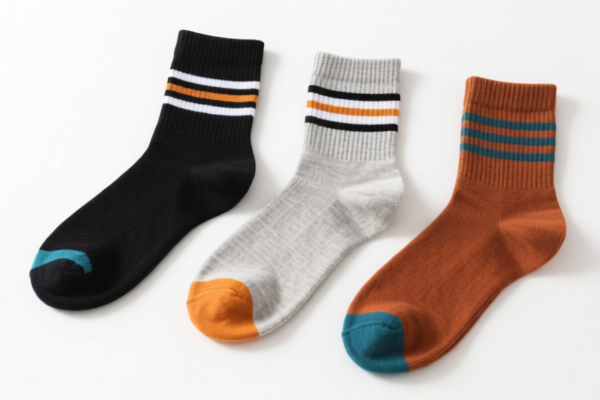
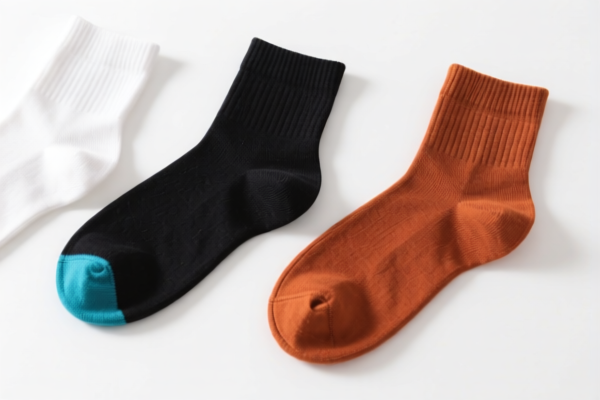
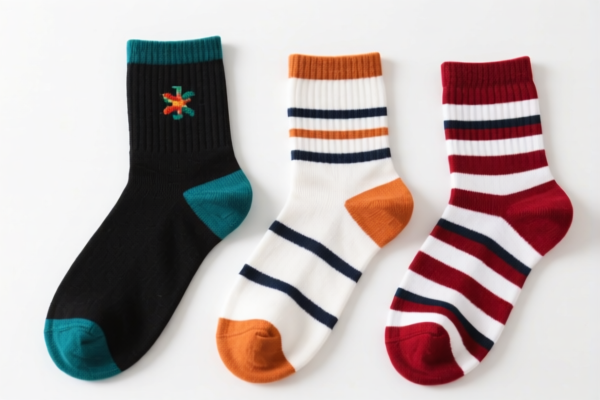
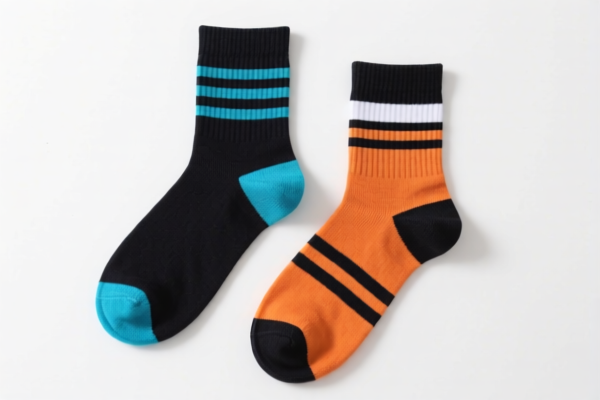
AI Analysis
🧦 Plush Socks & Cat Socks: HS Code Classification & Customs Clearance Guide (2026)
🌐 HS Code Reference & Customs Strategy | Latest 2026 Tariff Analysis | Professional Clearance Guide
📌 I. Product Definition & Classification: Do You Really Know "Plush Socks"?
Plush socks are primarily categorized by their form factor (socks vs. costume accessories) and material composition (cotton, synthetic fibers, or animal hair). In international trade, they are often split into two distinct categories:
1. Socks (Hosiery): Standard footwear items worn for warmth or fashion.
2. Costume Accessories / Apparel Accessories: Novelty items like "Cat Socks" (socks designed to look like cat paws or animal costumes), which are often classified as apparel accessories rather than standard hosiery.
⚠️ Key Distinction Point:
- If the item is a standard sock shape, regardless of material → Chapter 61 (Knitted/ Crocheted)
- If the item is a novelty "cat paw" design often sold as a costume accessory → Chapter 61 (Apparel Accessories)
- Material matters: The presence of wool vs. synthetic fibers significantly impacts the base tariff.
📦 II. HS Code Classification Details (2026 Latest Tariff Authority)
Based on the provided data, here are the specific HS Codes and their corresponding classifications:
| HS Code | Product Description | Material/Composition | Total Tax Rate | Key Tax Components |
|---|---|---|---|---|
6115.95.90.00 |
Plush Socks (Sock Form) | Cotton or Fiber Composition | 31.0% | Base: 13.5% + Sec 301: 7.5% + Sec 122: 10% |
6115.96.90.20 |
Plush Socks (Sock Form) | Synthetic Fiber or Mix (No Wool >23%) | 24.6% | Base: 14.6% + Sec 301: 0% + Sec 122: 10% |
6115.96.90.20 |
Plush Cat Socks (Sock Form) | Synthetic Fiber (No Wool/Fine Animal Hair) | 24.6% | Base: 14.6% + Sec 301: 0% + Sec 122: 10% |
6117.80.95.10 |
Plush Cat Socks (Apparel Accessory) | Cotton or Fiber Composition | 32.1% | Base: 14.6% + Sec 301: 7.5% + Sec 122: 10% |
6117.80.95.70 |
Plush Cat Socks (Apparel Accessory) | Non-Cotton, Non-Wool Synthetic/Artificial Fiber | 32.1% | Base: 14.6% + Sec 301: 7.5% + Sec 122: 10% |
🔍 Critical Reminder:
- "Cat Socks" can fall under two different headings depending on whether they are classified as Socks (6115) or Apparel Accessories (6117).
-6115is generally for standard hosiery.
-6117is for other made-up apparel accessories (often used for novelty/costume items).
- Tax Impact: The accessory classification (6117) often carries a higher base tariff (14.6%) compared to some sock categories, and critically, attracts Sec 301 tariffs (7.5%) if material is not fully synthetic eligible for exemption.
💰 III. 2026 Latest Tariff Rate Breakdown (Including Surtaxes)
✅ Applicable Country: United States (US)
✅ Origin: China (CN)
✅ Effective Date: Includes current import regulations (2025/2026)
🎯 1. 6115.95.90.00 – Plush Socks (Cotton/Fiber)
| Item | Content |
|---|---|
| Base Tariff | 13.5% |
| Sec 301 Surtax | +7.5% (Section 301 Tariffs) |
| Sec 122 Surtax | +10% (Section 122 Tariffs) |
| Total Rate | 31.0% |
| Calculation | CIF Value × 31.0% |
| De Minimis Exemption | ❌ Not Eligible |
| Legal Path | Section 301: 6115.95.90.00 → Section 122 |
📌 Explanation:
- This category applies to plush socks made primarily of cotton or unspecified fibers.
- It is subject to both Section 301 (7.5%) and Section 122 (10%) surtaxes.
- Total burden is high (31%).
🎯 2. 6115.96.90.20 – Plush Socks / Cat Socks (Synthetic, No Wool)
| Item | Content |
|---|---|
| Base Tariff | 14.6% |
| Sec 301 Surtax | +0.0% |
| Sec 122 Surtax | +10% |
| Total Rate | 24.6% |
| Calculation | CIF Value × 24.6% |
| De Minimis Exemption | ❌ Not Eligible |
| Legal Path | Section 122: 6115.96.90.20 |
📌 Note:
- This is the lowest tax rate among the options.
- It requires the product to be 100% synthetic or mixed, with NO wool or fine animal hair >23%.
- Key Advantage: 0% Section 301 surtax.
- Applicable to both standard plush socks and plush cat socks if classified as socks (6115).
🎯 3. 6117.80.95.10 & .70 – Plush Cat Socks (Apparel Accessory)
| Item | Content |
|---|---|
| Base Tariff | 14.6% |
| Sec 301 Surtax | +7.5% |
| Sec 122 Surtax | +10% |
| Total Rate | 32.1% |
| Calculation | CIF Value × 32.1% |
| De Minimis Exemption | ❌ Not Eligible |
| Legal Path | Section 301: 6117.80.95.xx → Section 122 |
📌 Warning:
- If "Cat Socks" are classified as Apparel Accessories (6117) rather than socks, they incur the 7.5% Section 301 surtax.
- Total rate is 32.1%, which is higher than the sock classification (6115).
- This applies regardless of whether the material is cotton (.10) or synthetic (.70).
🛠️ IV. Customs Clearance Practical Advice (Real-World Pitfall Guide)
✅ 1. Preparation Checklist (Essential)
| Document | Required | Explanation |
|---|---|---|
| ✅ Product Spec Sheet | ✔️ | Detail material composition (e.g., "80% Polyester, 20% Spandex"). Crucial for determining Sec 301 eligibility. |
| ✅ Material Composition | ✔️ | Must explicitly state if wool or fine animal hair is present and its percentage. |
| ✅ Product Photos | ✔️ | Show the "cat paw" design, sole, and overall shape. Helps determine if it's a sock or accessory. |
| ✅ Commercial Invoice | ✔️ | Clearly describe as "Plush Socks" or "Cat Paws Costume Accessory". |
| ✅ Packing List | ✔️ | Standard packing details. |
✅ 2. Classification Strategy (Key Tips)
🔥 "Material Determines Tariff, Form Determines Heading!"
| Scenario | Recommended HS Code | Reasoning |
|---|---|---|
| Standard Plush Socks (Cotton/Fiber) | 6115.95.90.00 |
Standard sock form, cotton base. |
| Standard Plush Socks (100% Synthetic) | 6115.96.90.20 |
Best Rate (24.6%). Avoids Sec 301. |
| Cat Paws Socks (Synthetic, No Wool) | 6115.96.90.20 |
Classify as Socks if they function as hosiery. Avoids Sec 301. |
| Cat Paws Socks (Any Material, Accessory) | 6117.80.95.10 or .70 |
Classify as Accessory if novelty/costume. Higher Rate (32.1%). |
📌 Strategic Advice:
- If your "Cat Socks" are functional hosiery (cover the foot like a sock), strive to classify them under6115.
- If they are 100% synthetic and classified as6115, you save 7.5% compared to accessory classification.
- Avoid6117unless the item is clearly not a sock (e.g., detached paw covers, costume parts).
✅ 3. Special Cases
| Situation | Handling Advice |
|---|---|
| Wool Content > 23% | May trigger different subheadings or higher base tariffs. Check wool rules. |
| Mixed Materials | Must declare exact percentages. "Synthetic" means no wool/fine animal hair. |
| Novelty Items | If the item is a "costume accessory" (e.g., detached paws), use 6117. |
| OEM Custom Socks | Provide design proofs to prove function as hosiery vs. accessory. |
🌍 V. Global Market Comparison (2026)
| Country/Region | Recommended HS Code | Tariff Rate | Certification | Notes |
|---|---|---|---|---|
| 🇺🇸 USA | 6115.96.90.20 (Synthetic Socks) |
24.6% | No special certs needed | Lowest US rate for synthetic. |
| 🇺🇸 USA | 6117.80.95.10 (Accessory) |
32.1% | No special certs needed | Higher due to Sec 301. |
| 🇨🇳 China | 6115.96.90.20 |
~13-15% | CCC (if applicable) | Lower base rates. |
| 🇪🇺 EU | 6115.96.90.20 |
~12-16% | CE/RoHS (if textile chemicals) | No Section 301/122. |
| 🇬🇧 UK | 6115.96.90.20 |
~12-16% | UKCA | Post-Brexit rules. |
📌 Conclusion:
- USA is the most complex market due to Section 301 and Section 122 surtaxes.
- Material composition is critical: Synthetic fibers can save you 7.5% (Sec 301) if classified correctly as socks.
- Form matters: Classifying as "Sock" (6115) vs. "Accessory" (6117) can change the rate by 7.5%.
📌 VI. Common Mistakes & Pitfalls (Lessons Learned)
❌ Mistake 1: Calling "Cat Socks" as "Accessories" when they are functional socks.
👉 Consequence: Higher tax rate (32.1% vs 24.6%).
👉 Fix: Emphasize function (hosiery) in description.
❌ Mistake 2: Misdeclaring synthetic content to avoid tariffs.
👉 Consequence: Customs audit, fines, retroactive taxes.
👉 Fix: Accurate material breakdown (e.g., "100% Polyester").
❌ Mistake 3: Ignoring Section 122 Tariffs.
👉 Consequence: Unexpected 10% charge at border.
👉 Fix: Factor 10% into cost model for ALL US imports.
✅ Correct Description Example:
"Plush Knitted Socks, Synthetic Fiber, 100% Polyester, Designed for Foot Wear, Cat Paw Design"
HS Code:6115.96.90.20
Rate: 24.6%
🎯 VII. Conclusion: Professional Classification Saves Money!
🎯 Remember These Rules:
🔹 "Synthetic Socks = 24.6% (Lowest)"
🔹 "Cotton Socks = 31.0%"
🔹 "Accessories = 32.1% (Highest)"
🔹 "Wool Content > 23% = Check Base Rate"
📌 Pro Tip:
If your product is 100% synthetic and functions as a sock, always aim for
6115.96.90.20.
Avoid the6117classification unless absolutely necessary for novelty items.
📣 Immediate Action:
📞 Contact a Licensed Customs Broker + Provide Material Composition + Request HS Code Pre-Ruling
🚀 Optimize Your Tariff, Clear Customs Smoothly, Maximize Profit!
✨ Professional Classification Starts with Precision!
💼 Every Percentage Point Counts!
Customer Reviews
About HS Code Classification
The Harmonized System (HS) is an internationally standardized nomenclature developed by the World Customs Organization (WCO) to classify traded products. Over 200 countries use the HS system as the basis for customs tariffs, trade statistics, and import/export regulations.
Each HS code follows a hierarchical structure:
- Chapter (2 digits) — Broad category of goods (e.g., Chapter 84: Machinery and Mechanical Appliances)
- Heading (4 digits) — More specific grouping within the chapter
- Subheading (6 digits) — Internationally standardized breakdown, used by all WCO member countries
- National subdivisions (8-10 digits) — Country-specific extensions for further classification, such as US HTSUS 10-digit codes
Correct HS code classification is essential for smooth customs clearance, accurate duty payment, and compliance with trade regulations. Misclassification can lead to customs delays, overpayment of duties, or penalties.
When importing from CN to US, the applicable tariff rates may include:
- Most-Favored-Nation (MFN) rate — The standard duty rate applied to WTO members
- General rate — Applied to countries without trade agreements
- Trade remedy duties — Additional tariffs such as Section 301 (anti-dumping), Section 232 (national security), or countervailing duties
The information provided on this page is for reference purposes only. For official classification, please consult with your local customs authority or a licensed customs broker.