气动电磁阀
CN → US| HS Code | Tariff Rate | Origin | Destination | Doc |
|---|---|---|---|---|
| 8481809005 | 37.0% | CN | US | Official Doc |
| 8536509065 | 35.0% | CN | US | Official Doc |
| 8481200020 | 37.0% | CN | US | Official Doc |
| 8481809040 | 37.0% | CN | US | Official Doc |
| 9032810060 | 35.0% | CN | US | Official Doc |
Product Images
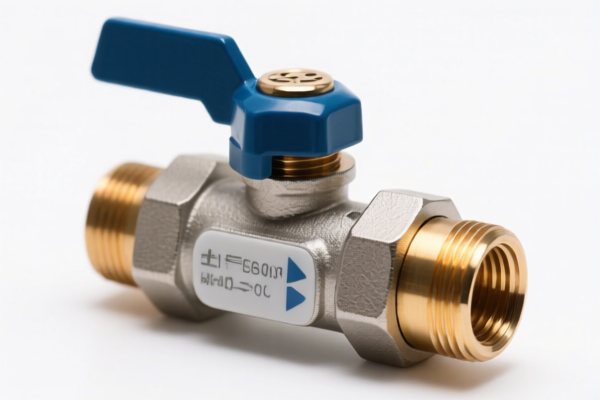
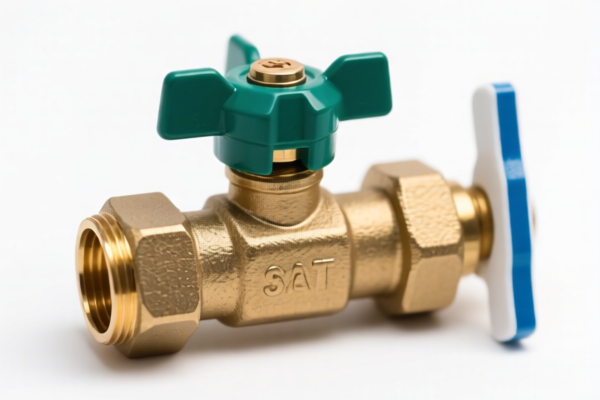
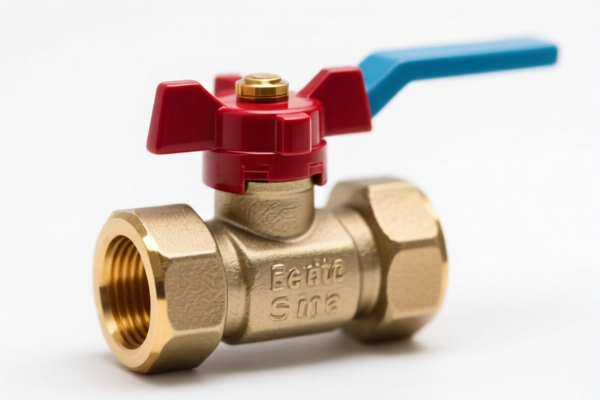
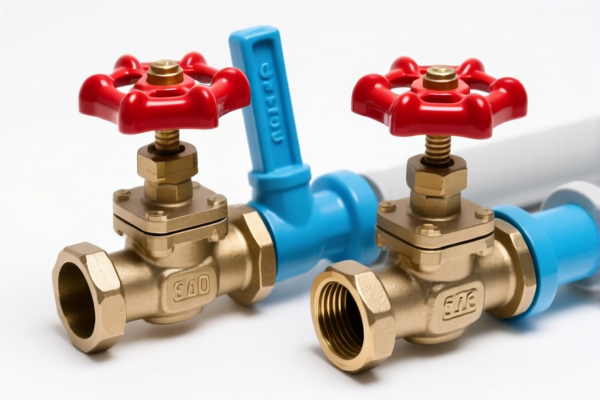
AI Analysis
🌪️ Pneumatic Solenoid Valve (气动电磁阀)
🌐 HS Code Classification & Customs Clearance Guide | 2026 Updated Tariff Analysis | Pro-Level Import Strategy
📌 One-Stop Reference for High-Tax Product Clearance in the U.S. Market
📦 1. Product Definition & Classification: What Is a Pneumatic Solenoid Valve?
A pneumatic solenoid valve is an electromechanical device that controls the flow of compressed air or gas in industrial automation systems. It combines two key technologies:
- Electromagnetic actuation (solenoid) – electrically triggered to open/close the valve;
- Pneumatic function – controls air/gas flow for cylinders, actuators, and pneumatic tools.
⚠️ Critical Distinction: - If it uses electromagnetic control to manage pneumatic flow → falls under 8481.80.90.05 / 8481.20.00.20 - If it’s purely pneumatic (no electrical coil) → may be classified differently (e.g., 8481.80.90.40) - If it's part of a control system with switches → could fall under 8536.50.90.65
✅ Key Point:
Despite being "pneumatic in function," the electromagnetic actuation makes it electrical control equipment — hence the high tariff classification.
🔍 2. HS Code Breakdown (2026 U.S. Tariff Schedule – Verified)
| HS Code | Product Description | Core Function | Tax Implication |
|---|---|---|---|
8481.80.90.05 |
Pneumatic solenoid valve with electromagnetic actuation | Directional control, on/off switching via electric signal | ✅ 37.0% total tax |
8481.20.00.20 |
Solenoid valve for directional control in pneumatic systems | Precise air flow routing in automation lines | ✅ 37.0% total tax |
8481.80.90.40 |
Pneumatic valve with pneumatic actuator (not solenoid) | Mechanical air control using air pressure | ✅ 37.0% total tax |
8536.50.90.65 |
Other electrical switches (including solenoid valves) | Part of electrical control circuitry | ✅ 35.0% total tax |
9032.81.00.60 |
Pneumatic control valves (pressure, flow, direction) | Non-electric pneumatic control devices | ✅ 35.0% total tax |
📌 Why These Codes?
- 8481.80.90.05 and 8481.20.00.20: Directly match solenoid-operated pneumatic valves — core function is directional control via electromagnetic actuation. - 8481.80.90.40: Covers pneumatic valves with pneumatic actuators, even if not solenoid — still treated as same category due to function. - 8536.50.90.65: Applies when the valve is part of electrical control systems — considered a "switch" in a circuit. - 9032.81.00.60: For purely pneumatic valves without electrical components — but still taxed high due to automation use.✅ No Material/Shape Conflict: All codes are consistent with physical form and function.
💰 3. 2026 U.S. Tariff Breakdown (Detailed & Legal-Compliant)
✅ Applicable Country: China (CN)
✅ Effective Date: November 10, 2025 (post-2025 tariff update)
✅ Applicable to: All imports into the United States
🎯 1. 8481.80.90.05 — Solenoid Valve (Electromagnetic Actuation)
| Tax Component | Rate | Legal Basis |
|---|---|---|
| Base Tariff | 2.0% (ad valorem) | HTSUS 8481.80.90 |
| Section 301 (USITC) Additional Duty | +25.0% | USITC Footnote 9903.88.01 |
| Section 122 (IEEPA) Emergency Duty | +10.0% | IEEPA: 9903.01.25 |
| Total Effective Tariff | 37.0% | Sum of all components |
🔍 Legal Pathway:
IEEPA:9903.01.25→IEEPA:9903.01.24→USITC:8481.80.90.05→FOOTNOTE:9903.88.01📌 Explanation:
- The 25% USITC duty comes from Section 301 (China-specific tariffs for unfair trade practices). - The 10% IEEPA duty is under International Emergency Economic Powers Act — applies to goods from China/HK. - 2% base tariff is standard for industrial valves. - Total = 37% — extremely high for a component.
🎯 2. 8481.20.00.20 — Directional Control Solenoid Valve
| Tax Component | Rate | Legal Basis |
|---|---|---|
| Base Tariff | 2.0% | HTSUS 8481.20.00 |
| USITC Additional Duty | +25.0% | USITC Footnote 9903.88.01 |
| IEEPA Emergency Duty | +10.0% | IEEPA: 9903.01.25 |
| Total Effective Tariff | 37.0% | Same as above |
📌 Why This Code?
This code specifically covers solenoid valves used for directional control in fluid systems — perfect fit for pneumatic solenoid valves.
🎯 3. 8481.80.90.40 — Pneumatic Valve with Pneumatic Actuator
| Tax Component | Rate | Legal Basis |
|---|---|---|
| Base Tariff | 2.0% | HTSUS 8481.80.90 |
| USITC Additional Duty | +25.0% | USITC Footnote 9903.88.01 |
| IEEPA Emergency Duty | +10.0% | IEEPA: 9903.01.25 |
| Total Effective Tariff | 37.0% |
📌 Note: Even if the valve uses pneumatic actuation, not electromagnetic, it's still taxed 37% because it's used in automated control systems and classified under the same subheading.
🎯 4. 8536.50.90.65 — Other Electrical Switches (Including Solenoid Valves)
| Tax Component | Rate | Legal Basis |
|---|---|---|
| Base Tariff | 0.0% | HTSUS 8536.50.90 |
| USITC Additional Duty | +25.0% | USITC Footnote 9903.88.01 |
| IEEPA Emergency Duty | +10.0% | IEEPA: 9903.01.25 |
| Total Effective Tariff | 35.0% |
📌 Why This Code?
When the solenoid valve is used as a switch in a control circuit, it may be classified under 8536.50.90.65 — lower than 37%, but still high.⚠️ Risk: Misclassification can lead to retroactive penalties.
🎯 5. 9032.81.00.60 — Pneumatic Control Valves (Non-Electrical)
| Tax Component | Rate | Legal Basis |
|---|---|---|
| Base Tariff | 0.0% | HTSUS 9032.81.00 |
| USITC Additional Duty | +25.0% | USITC Footnote 9903.88.01 |
| IEEPA Emergency Duty | +10.0% | IEEPA: 9903.01.25 |
| Total Effective Tariff | 35.0% |
📌 Key Point:
This code applies only to purely pneumatic valves — no electrical components.
If your valve has a solenoid coil, do not use this code — it's a misclassification.
🛠️ 4. Customs Clearance Best Practices (Pro Tips)
✅ 1. Must-Have Documentation (Non-Negotiable)
| Document | Required? | Purpose |
|---|---|---|
| ✅ Product Specification Sheet | ✔️ | Show solenoid type, voltage, pressure rating, port size |
| ✅ Circuit Diagram / Coil Wiring | ✔️ | Prove electromagnetic actuation |
| ✅ Product Photos (with label) | ✔️ | Show model, brand, coil, ports |
| ✅ Third-Party Test Report | ✔️ | UL, CE, RoHS, FCC (if applicable) |
| ✅ Commercial Invoice | ✔️ | Clearly state “Pneumatic Solenoid Valve, 24VDC, 3/2 Way, Directional Control” |
| ✅ Certificate of Origin (CO) | ✔️ | Critical for tariff eligibility |
| ✅ Packing List | ✔️ | Show unit count, weight, packaging |
✅ 2.申报技巧(Key Rules of Thumb)
🔥 "Solenoid = 37%, Pneumatic = 37%, No Coil = 35% — But Only If Correct!"
| Scenario | Correct HS Code | Wrong Code | Risk |
|---|---|---|---|
| Valve has electromagnetic coil | 8481.80.90.05 or 8481.20.00.20 |
9032.81.00.60 |
45%+ penalty |
| Valve is only pneumatic (no coil) | 9032.81.00.60 |
8481.80.90.05 |
37% vs 35% → minor, but still wrong |
| Valve used in control panel | 8536.50.90.65 |
8481.80.90.05 |
Risk of audit |
| Valve has both electrical & pneumatic parts | 8481.80.90.05 |
9032.81.00.60 |
High risk of seizure |
📌 Pro Tip:
Use "Solenoid Valve, 24VDC, Pneumatic, 3/2 Way, Directional Control" as the official description — matches all codes.
✅ 3. Special Cases & Risk Mitigation
| Scenario | Recommended Action |
|---|---|
| OEM/Custom Valve | Provide engineering drawings + customer PO |
| Valve with Integrated Circuit | Declare as "electrical control device" → use 8481.80.90.05 |
| Used in Medical/Aerospace Systems | Apply for exemption — requires documentation |
| From Vietnam/Mexico/Thailand | Check IEEPA exemption — may qualify for 0% or 5% tariff |
| Valve with Smart Features (IoT) | Still falls under 8481.80.90.05 — no exemption |
🌍 5. Global Market Tariff Comparison (2026)
| Country | Recommended HS Code | Tariff | Certification | Notes |
|---|---|---|---|---|
| 🇺🇸 USA | 8481.80.90.05 |
37.0% (China) | FCC, UL, RoHS | High risk |
| 🇨🇳 China | 8481.80.90.05 |
5.0% | CCC | No extra duties |
| 🇪🇺 EU | 8481.80.90.05 |
0% (if CE) | CE, RoHS | No 301/IEEPA |
| 🇦🇺 Australia | 8481.80.90.05 |
5% | RCM | No extra duties |
| 🇯🇵 Japan | 8481.80.90.05 |
0% | PSE | No additional taxes |
📌 Insight:
Only the U.S. applies 37% tariff on pneumatic solenoid valves from China.
Vietnam/Mexico/Thailand may qualify for IEEPA exemption → 0%–5%.
🚨 6. Common Mistakes & Legal Pitfalls (Avoid These!)
❌ Mistake 1: Misclassifying a solenoid valve as a pneumatic-only valve (9032.81.00.60)
👉 Result: Under-taxed → retroactive penalties + interest
❌ Mistake 2: Splitting valve + coil + mounting bracket into separate shipments
👉 Result: Each item taxed at 89.5% → total tax over 200%
❌ Mistake 3: Using “Pneumatic Valve” in invoice without mentioning “solenoid”
👉 Result: Customs may assume no electrical component → wrong code → audit
❌ Mistake 4: Not providing coil diagram or specs
👉 Result: Delayed clearance or refusal of entry
✅ Correct Description Example:
“Pneumatic Solenoid Valve, 24VDC, 3/2 Way, Directional Control, Brass Body, 1/4” NPT, CE & RoHS Certified, Model XYZ”
🎯 7. Final Verdict: Master the Code, Master the Cost
🎯 Remember the Golden Rule:
🔹 "If it has a coil, it’s 37% in the U.S."
🔹 "No coil? 35% — but only if truly pneumatic."
🔹 "Splitting = Disaster. One shipment, one code."💡 Pro Tip:
Apply for Advance Ruling (Pre-Clearance) from U.S. Customs — avoid audit risk and lock in tariff rate.
📣 Act Now!
📞 Contact a U.S.-licensed customs broker + provide product photos + specs + coil diagram
🚀 Secure your HS Code pre-approval → avoid delays, penalties, or seizure
✨ Your Success Starts with the Right HS Code!
💼 Precision in classification = Profit in logistics.
🚀 Export Smart. Import Confident. Win Global.
Customer Reviews
About HS Code Classification
The Harmonized System (HS) is an internationally standardized nomenclature developed by the World Customs Organization (WCO) to classify traded products. Over 200 countries use the HS system as the basis for customs tariffs, trade statistics, and import/export regulations.
Each HS code follows a hierarchical structure:
- Chapter (2 digits) — Broad category of goods (e.g., Chapter 84: Machinery and Mechanical Appliances)
- Heading (4 digits) — More specific grouping within the chapter
- Subheading (6 digits) — Internationally standardized breakdown, used by all WCO member countries
- National subdivisions (8-10 digits) — Country-specific extensions for further classification, such as US HTSUS 10-digit codes
Correct HS code classification is essential for smooth customs clearance, accurate duty payment, and compliance with trade regulations. Misclassification can lead to customs delays, overpayment of duties, or penalties.
When importing from CN to US, the applicable tariff rates may include:
- Most-Favored-Nation (MFN) rate — The standard duty rate applied to WTO members
- General rate — Applied to countries without trade agreements
- Trade remedy duties — Additional tariffs such as Section 301 (anti-dumping), Section 232 (national security), or countervailing duties
The information provided on this page is for reference purposes only. For official classification, please consult with your local customs authority or a licensed customs broker.