气压传感器
CN → US| HS Code | Tariff Rate | Origin | Destination | Doc |
|---|---|---|---|---|
| 9026204000 | 35.0% | CN | US | Official Doc |
| 9026208000 | 17.5% | CN | US | Official Doc |
| 9031808085 | 10.0% | CN | US | Official Doc |
| 9031909195 | 85.0% | CN | US | Official Doc |
| 8543709860 | 37.6% | CN | US | Official Doc |
Product Images
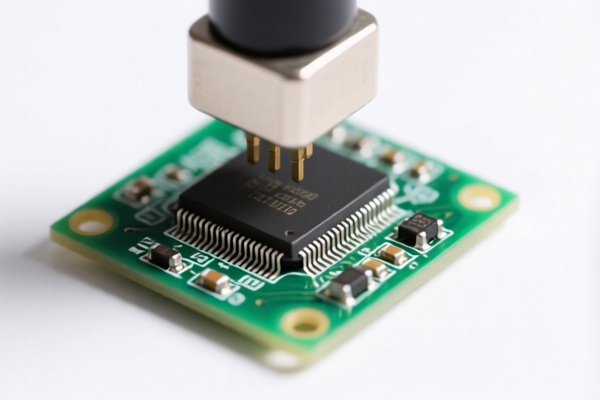
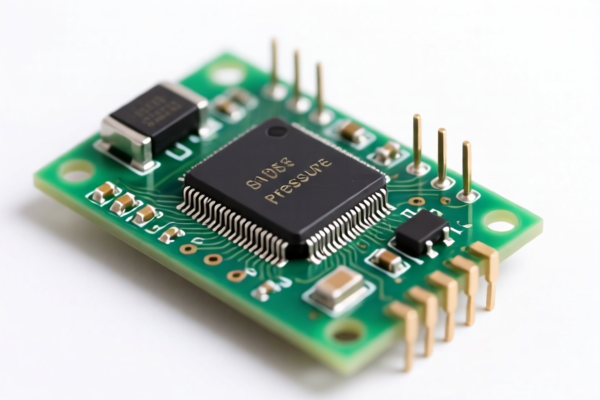
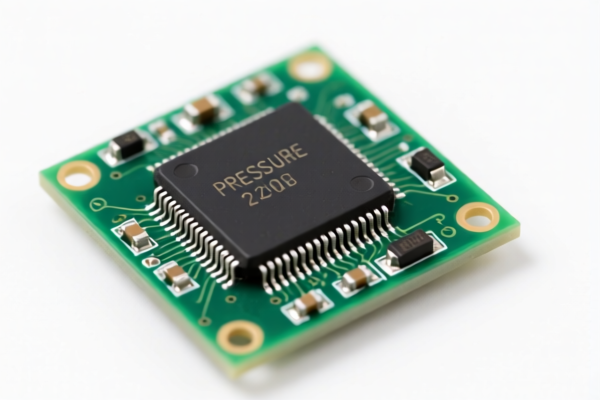
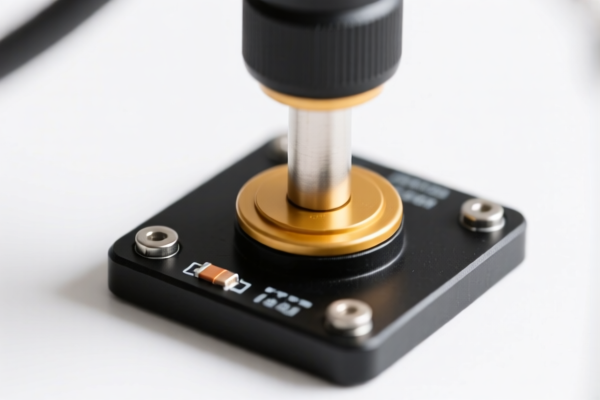
AI Analysis
🌬️ Pressure Sensors (气压/压力传感器)
🌐 HS Code Reference & Customs Clearance Guide | 2026 Latest Tariff Analysis | Professional Clearance Strategy
📌 I. Product Definition & Classification: What exactly is a "Pressure Sensor"?
Pressure sensors are critical components used to measure, monitor, or control pressure in various industrial, automotive, and electronic systems. In international trade, they are not a single monolithic category. Their classification depends heavily on function, application context, and structural integration.
Key Distinctions: * General Purpose Industrial Sensors: Standalone devices for measuring fluid or gas pressure, often classified under instrument chapters. * Specialized Electronic Devices: Such as Tire Pressure Monitoring Systems (TPMS), which are often classified under electrical signaling devices. * Components/Accessories: Sensors that serve as core parts or attachments to other measuring instruments may have different tariff treatments than standalone sensors.
⚠️ Critical Differentiator:
- If it is a standalone device for general measurement → Chapter 90 (Instruments).
- If it is a specialized electronic signaling device (e.g., TPMS) → Chapter 85 (Electrical Machinery).
- If it is an accessory/core part of another instrument → Chapter 90 (Accessories).
- Misclassification Risk: Declaring a TPMS as a general industrial sensor can lead to massive tariff discrepancies.
📦 II. HS Code Classification Details (2026 Authoritative Tariff Mapping)
Based on the provided data, here are the 5 specific HS Codes for Pressure Sensors, their summaries, and total tax rates.
| HS Code | Summary & Classification Logic | Total Tax Rate | Tax Detail Breakdown |
|---|---|---|---|
| 9026.20.40.00 | Pressure Sensors for Measurement Belongs to "Electrical Measuring or Checking Instruments." Used for general pressure measurement. |
35.0% | Base: 0.0% Add. (Section 301): 25.0% Section 122: 10% |
| 9026.20.80.00 | Other Pressure Sensors Pressure measurement/checking devices that fit other definitions within Heading 9026. |
17.5% | Base: 0.0% Add. (Section 301): 7.5% Section 122: 10% |
| 9031.80.80.85 | Other Measuring/Checking Instruments Classified under "Other instruments & appliances." Often for specialized or non-standard pressure testing equipment. |
10.0% | Base: 0.0% Add. (Section 301): 0.0% Section 122: 10% |
| 9031.90.91.95 | Parts/Accessories of Measuring Instruments Core components or attachments for measuring/checking instruments. |
85.0% | Base: 0.0% Add. (Section 301): 25.0% Section 122: 10% Steel/Al/Cu Products Surcharge: +50% |
| 8543.70.98.60 | Tire Pressure Sensors (TPMS) Electronic detection devices fitting "Other machines & apparatus." Specifically for automotive tire monitoring. |
37.6% | Base: 2.6% Add. (Section 301): 25.0% Section 122: 10% |
🔍 Key Insight:
- 9031.80.80.85 offers the lowest tariff (10%) but applies only to specific "other" instruments.
- 9031.90.91.95 has the highest tariff (85%) due to the 50% surcharge on metal components (steel/aluminum/copper) if classified as accessories.
- 8543.70.98.60 is specifically for TPMS (Tire Pressure Monitoring Systems). Do not mix general pressure sensors with TPMS.
💰 III. 2026 Tariff Rate Explanation (Detailed Breakdown)
✅ Applicable Country: United States (US)
✅ Origin: China (CN)
✅ Effective Time: Current Tariff Structure
🎯 1. 9026.20.40.00 – Pressure Sensors (Electrical Measuring)
| Item | Detail |
|---|---|
| Base Rate | 0% |
| Section 301 Surcharge | +25% |
| Section 122 Tariff | +10% |
| Total Rate | 35.0% |
| Calculation | CIF Value × 35% |
| De Minimis Exemption | ❌ Not Eligible |
📌 Explanation:
- This is the standard rate for general-purpose electrical pressure sensors.
- The 25% Section 301 tariff applies to most Chinese-made electrical instruments.
- The 10% Section 122 tariff is an additional levy on specific industrial goods.
🎯 2. 9026.20.80.00 – Other Pressure Sensors
| Item | Detail |
|---|---|
| Base Rate | 0% |
| Section 301 Surcharge | +7.5% |
| Section 122 Tariff | +10% |
| Total Rate | 17.5% |
| Calculation | CIF Value × 17.5% |
| De Minimis Exemption | ❌ Not Eligible |
📌 Explanation:
- This code is for pressure sensors that do not fit the specific "electrical measuring" definition of 9026.20.40 but are still in Chapter 90.
- The lower Section 301 surcharge (7.5%) makes this more competitive if the product description allows.
🎯 3. 9031.80.80.85 – Other Measuring Instruments
| Item | Detail |
|---|---|
| Base Rate | 0% |
| Section 301 Surcharge | 0% |
| Section 122 Tariff | +10% |
| Total Rate | 10.0% |
| Calculation | CIF Value × 10% |
| De Minimis Exemption | ❌ Not Eligible |
📌 Explanation:
- Lowest Tax Option: If your pressure sensor is considered a specialized "other" instrument under Chapter 90, this is the most cost-effective route.
- Requires careful justification to avoid being reclassified as a general sensor (9026) or accessory (9031.90).
🎯 4. 9031.90.91.95 – Parts & Accessories
| Item | Detail |
|---|---|
| Base Rate | 0% |
| Section 301 Surcharge | +25% |
| Section 122 Tariff | +10% |
| Material Surcharge (Steel/Al/Cu) | +50% |
| Total Rate | 85.0% |
| Calculation | CIF Value × 85% |
| De Minimis Exemption | ❌ Not Eligible |
📌 Explanation:
- Highest Tax Risk: Applies if the sensor is declared as a "part" or "accessory" to another instrument.
- The 50% surcharge is triggered if the product contains significant steel, aluminum, or copper components.
- Avoid this classification unless the product is strictly a replaceable core component without its own housing.
🎯 5. 8543.70.98.60 – Tire Pressure Sensors (TPMS)
| Item | Detail |
|---|---|
| Base Rate | 2.6% |
| Section 301 Surcharge | +25% |
| Section 122 Tariff | +10% |
| Total Rate | 37.6% |
| Calculation | CIF Value × 37.6% |
| De Minimis Exemption | ❌ Not Eligible |
📌 Explanation:
- Specifically for TPMS (Tire Pressure Monitoring Systems).
- The base rate is higher (2.6%) than other sensors, but the classification is distinct.
- Do not use this code for general industrial pressure sensors.
🛠️ IV. Customs Clearance Practical Advice (Real-World Pitfall Guide)
✅ 1. Preparation Checklist (Non-Negotiable)
| Document | Mandatory? | Description |
|---|---|---|
| ✅ Product Specifications | ✔️ | Must include type (piezoresistive, capacitive, etc.), range, output signal, material composition. |
| ✅ Technical Diagrams | ✔️ | To prove if it is a standalone instrument (Ch 90) or an accessory (Ch 90.31). |
| ✅ Product Photos | ✔️ | Clear images of the label, model number, and any metallic housing. |
| ✅ Third-Party Test Reports | ✔️ | ISO/IEC lab reports confirming pressure measurement functionality. |
| ✅ Commercial Invoice | ✔️ | Accurate description: "Pressure Sensor for [Specific Use]" – avoid vague terms like "Electronic Part." |
| ✅ Bill of Lading | ✔️ | Consistent with invoice and packing list. |
✅ 2. Classification Strategy (Key Mantras)
🔥 "Function Determines Chapter, Metal Triggers Penalty, TPMS Needs Special Code!"
| Scenario | Correct HS Code | Incorrect Code | Consequence |
|---|---|---|---|
| General Industrial Pressure Sensor | 9026.20.40.00 |
9031.80.80.85 |
Overpaying taxes (35% vs 10%) or Underpaying (Audit Risk) |
| Tire Pressure Monitor (TPMS) | 8543.70.98.60 |
9026.20.40.00 |
Misclassification; potential penalty for wrong tariff. |
| Sensor as Accessory to a Machine | 9031.90.91.95 |
9026.20.40.00 |
Disaster: 85% tariff due to 50% metal surcharge. |
| Specialized Non-Standard Sensor | 9031.80.80.85 |
9026.20.40.00 |
Savings: 10% vs 35%. Must justify "Other Instrument" status. |
✅ 3. Special Considerations
| Case | Handling Advice |
|---|---|
| Metal Housing | If the sensor has a stainless steel or aluminum casing, avoid 9031.90.91.95 unless absolutely necessary. The 50% surcharge on metals makes it 85% total. |
| TPMS vs. General Sensor | TPMS has specific electronic signaling functions. If it sends a signal to a car's ECU, use 8543.70.98.60. If it just measures pressure for a gauge, use 9026. |
| Kit Assembly | If a sensor is sold with a gauge and tubing, it may be considered a "set." Check if the set's essential character points to the sensor (9026) or the gauge (9026/9031). |
| Origin Documentation | Ensure the Certificate of Origin clearly states "China" to avoid surprise tariffs if claiming benefits from other FTAs (though most for China are subject to these surcharges). |
🌍 V. Global Market Comparison (2026 Snapshot)
| Country/Region | Recommended HS Code | Tariff (China Origin) | Key Certifications | Notes |
|---|---|---|---|---|
| 🇺🇸 USA | 9026.20.40.00 |
35.0% | FCC, NIST Traceable | High tariffs due to Section 301 & 122. |
| 🇺🇸 USA (TPMS) | 8543.70.98.60 |
37.6% | FMVSS 138, FCC | Specific to automotive tire sensors. |
| 🇪🇺 EU | 9026.20 |
~0-2% | CE, RoHS, REACH | Low base tariffs; no Section 301. |
| 🇨🇳 China | 9026.20 |
~2.5-5% | CCC (if applicable) | Lower import duties for raw sensors. |
📌 Conclusion:
- The US market is highly taxed for Chinese-made pressure sensors (10%–85%).
-9031.80.80.85(10%) is the optimal choice if product characteristics allow.
-9031.90.91.95(85%) must be avoided due to the metal surcharge.
📌 VI. Common Mistakes & Pitfalls (Lessons Learned)
❌ Mistake 1: Declaring a TPMS as a "General Pressure Sensor"
👉 Result: Incorrect HS code. May face penalties for wrong classification.
❌ Mistake 2: Declaring a sensor as a "Part" to avoid Section 301
👉 Result: Triggers the 50% metal surcharge under 9031.90.91.95, raising total tax to 85%.
❌ Mistake 3: Ignoring the "Section 122" tariff
👉 Result: Underestimating costs. The 10% Section 122 tariff applies to most of these codes.
❌ Mistake 4: Vague Description "Pressure Gauge"
👉 Result: Customs may classify it under different headings with higher duties or require additional inspections.
✅ Correct Practice:
"Industrial Pressure Transmitter, Stainless Steel Housing, 0-100 PSI, 4-20mA Output, Model XYZ, for HVAC System."
🎯 VII. Conclusion: Precision Saves Money!
🎯 Remember the Mantras:
🔹 "TPMS is
8543, General is9026, Accessories are9031."
🔹 "Metal Housing + Accessory Class = 85% Tax Trap!"
🔹 "Section 122 is always +10%, Budget for It!"
📌 Pro Tip:
If your pressure sensor can be justified as a "Other Measuring Instrument" (9031.80.80.85), you save 25% compared to the standard 9026.20.40.00. Provide technical documentation that highlights its specialized, non-standard function to support this classification.
📣 Take Action Now:
📞 Consult with a licensed customs broker for an Advance Ruling.
📄 Prepare detailed technical specs highlighting non-standard features to qualify for the 10% rate (9031.80.80.85) if possible.
🚀 Clear goods smoothly, minimize tariffs, maximize profit!
✨ Professional Customs Clearance Starts with Accurate Classification!
💼 Every percentage point matters in global trade!
Customer Reviews
About HS Code Classification
The Harmonized System (HS) is an internationally standardized nomenclature developed by the World Customs Organization (WCO) to classify traded products. Over 200 countries use the HS system as the basis for customs tariffs, trade statistics, and import/export regulations.
Each HS code follows a hierarchical structure:
- Chapter (2 digits) — Broad category of goods (e.g., Chapter 84: Machinery and Mechanical Appliances)
- Heading (4 digits) — More specific grouping within the chapter
- Subheading (6 digits) — Internationally standardized breakdown, used by all WCO member countries
- National subdivisions (8-10 digits) — Country-specific extensions for further classification, such as US HTSUS 10-digit codes
Correct HS code classification is essential for smooth customs clearance, accurate duty payment, and compliance with trade regulations. Misclassification can lead to customs delays, overpayment of duties, or penalties.
When importing from CN to US, the applicable tariff rates may include:
- Most-Favored-Nation (MFN) rate — The standard duty rate applied to WTO members
- General rate — Applied to countries without trade agreements
- Trade remedy duties — Additional tariffs such as Section 301 (anti-dumping), Section 232 (national security), or countervailing duties
The information provided on this page is for reference purposes only. For official classification, please consult with your local customs authority or a licensed customs broker.