氧气瓶
CN → US| HS Code | Tariff Rate | Origin | Destination | Doc |
|---|---|---|---|---|
| 7311000030 | 85.0% | CN | US | Official Doc |
| 7311000060 | 85.0% | CN | US | Official Doc |
| 7309000030 | 85.0% | CN | US | Official Doc |
| 7309000090 | 85.0% | CN | US | Official Doc |
| 9018907560 | 10.0% | CN | US | Official Doc |
Product Images
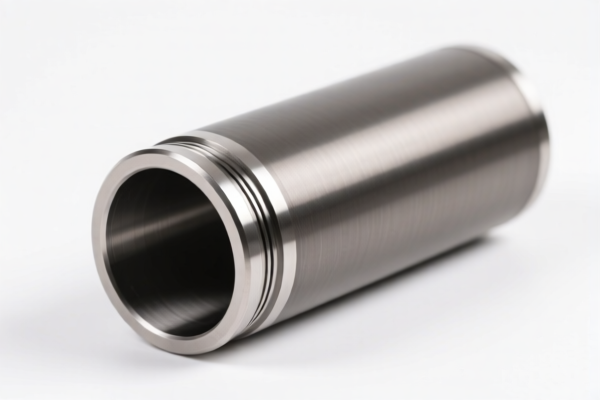
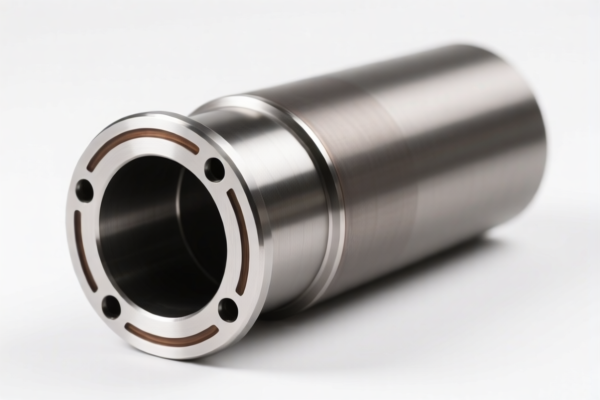
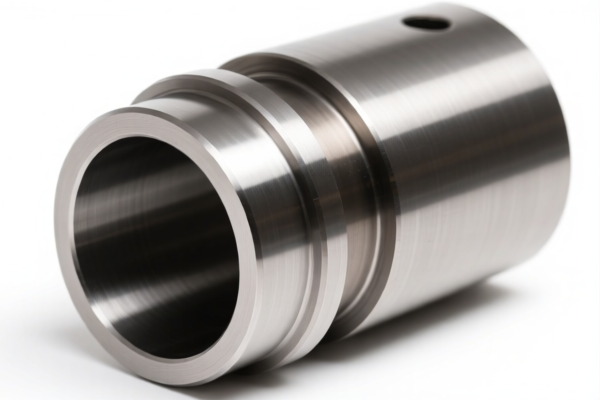
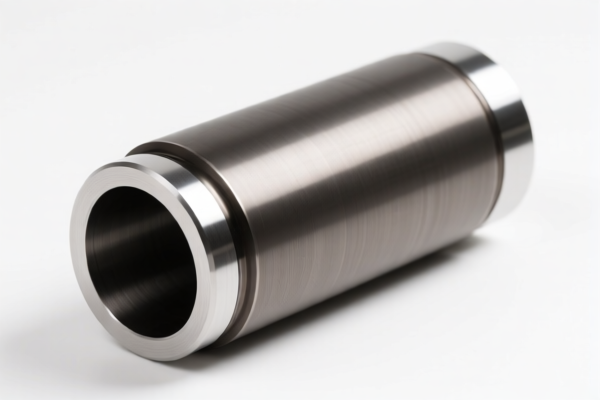
AI Analysis
🫁 Oxygen Cylinders: Precision Classification, High Tariffs & Clearance Survival Guide
🌐 HS Code Reference & Customs Clearance Guide | 2026 Latest Tariff Analysis | Professional-Level Strategy
📌 I. Product Definition & Classification: Do You Really Understand "Oxygen Cylinders"?
Oxygen cylinders are pressurized containers designed to store and transport compressed or liquefied gases, primarily medical or industrial oxygen. In international trade, their classification depends strictly on material, intended use, and construction.
Medical Oxygen Tanks: Used in healthcare settings, often integrated into medical devices → Classify under 9018.
Industrial/Steel Pressure Vessels: Used for storage/transport of compressed gases → Classify under 7311 or 7309.
⚠️ Key Distinction Point:
- If the cylinder is part of a medical treatment device (e.g., attached to a ventilator or used specifically for medical therapy) → 9018.90.75.60
- If it is a standalone steel/iron container for compressed gas → 7311.00.00.30 / 7311.00.00.60 / 7309.00.00.30 / 7309.00.00.90
📦 II. HS Code Classification Details (2026 Latest Tariff Authority Comparison)
| HS Code | Product Description | Application Scenario | Material/Function |
|---|---|---|---|
7311.00.00.30 |
Steel cylinders for compressed gas | Industrial oxygen storage, welding, bulk transport | ✅ Steel, Compressed Gas Vessel |
7311.00.00.60 |
Steel cylinders inferred as compressed gas containers | General industrial use, non-specific gas | ✅ Steel, Compressed Gas Vessel |
7309.00.00.30 |
Iron or steel gas containers | Industrial gas storage, non-liquid gas | ✅ Iron/Steel, Gas Container |
7309.00.00.90 |
Iron or steel non-liquefied gas containers | Industrial/non-medical gas storage | ✅ Iron/Steel, Non-Liquefied Gas |
9018.90.75.60 |
Medical oxygen tanks / Treatment equipment | Healthcare, hospitals, home medical use | ✅ Medical Device Component |
🔍 Critical Reminder:
- Medical use is the key differentiator. If the cylinder is intended for medical treatment and labeled as such, it may fall under 9018.90.75.60.
- Industrial use falls under 7311 or 7309.
- Misclassification risk: Declaring industrial cylinders as "medical" to avoid higher tariffs is considered fraud and can result in severe penalties.
💰 III. 2026 Latest Tariff Rate Breakdown (Including Additional Taxes, Policy Surcharges)
✅ Applicable Country: United States (US)
✅ Origin: China (CN)
✅ Effective Date: Ongoing (Section 301, Section 232, IEEPA)
🎯 1. 7311.00.00.30 —— Steel Cylinders for Compressed Gas (Industrial)
| Item | Content |
|---|---|
| Base Rate | 0% (ad valorem) |
| Section 301 Surcharge | +25% (Additional Tariff) |
| Section 232 Surcharge (122 Clause) | +10% (Steel/Aluminum/Copper Products) |
| Steel/Aluminum/Copper Surcharge | +50% (Specific to Steel Products under 232) |
| Total Tariff Rate | 85.0% |
| Tax Calculation | CIF Value × 85% |
| De Minimis Exemption | ❌ Not Applicable (deny_de_minimis) |
| Legal Basis Path | Section 301: 85% → Section 232: Steel Surcharge → HS Code 7311 |
📌 Explanation:
- The 25% is from the USITC Additional Tariff (Section 301) against Chinese goods.
- The 10% is from the "122 Clause" (Section 232) regarding steel/aluminum products.
- The 50% is the specific surcharge on steel products under Section 232.
- Total 85% is extremely high. Must be anticipated in cost structure!
🎯 2. 7311.00.00.60 —— Inferred Steel Cylinders for Compressed Gas
| Item | Content |
|---|---|
| Base Rate | 0% |
| Section 301 Surcharge | +25% |
| Section 232 Surcharge (122 Clause) | +10% |
| Steel/Aluminum/Copper Surcharge | +50% |
| Total Tariff Rate | 85.0% |
| Tax Calculation | CIF × 85% |
| De Minimis Exemption | ❌ Not Applicable |
| Legal Basis Path | Section 301: 85% → Section 232: Steel Surcharge → HS Code 7311 |
📌 Note:
- Same tariff structure as above.
- Even if the cylinder is "inferred" as steel/compressed gas, the tariff remains 85%.
🎯 3. 7309.00.00.30 —— Iron or Steel Gas Containers
| Item | Content |
|---|---|
| Base Rate | 0% |
| Section 301 Surcharge | +25% |
| Section 232 Surcharge (122 Clause) | +10% |
| Steel/Aluminum/Copper Surcharge | +50% |
| Total Tariff Rate | 85.0% |
| Tax Calculation | CIF × 85% |
| De Minimis Exemption | ❌ Not Applicable |
| Legal Basis Path | Section 301: 85% → Section 232: Steel Surcharge → HS Code 7309 |
📌 Note:
- Applies to iron/steel gas containers.
- Tariff is 85%, same as other steel cylinder codes.
🎯 4. 7309.00.00.90 —— Iron or Steel Non-Liquefied Gas Containers
| Item | Content |
|---|---|
| Base Rate | 0% |
| Section 301 Surcharge | +25% |
| Section 232 Surcharge (122 Clause) | +10% |
| Steel/Aluminum/Copper Surcharge | +50% |
| Total Tariff Rate | 85.0% |
| Tax Calculation | CIF × 85% |
| De Minimis Exemption | ❌ Not Applicable |
| Legal Basis Path | Section 301: 85% → Section 232: Steel Surcharge → HS Code 7309 |
📌 Note:
- For non-liquefied gas containers.
- Tariff remains 85%.
🎯 5. 9018.90.75.60 —— Medical Oxygen Tanks / Treatment Equipment
| Item | Content |
|---|---|
| Base Rate | 0% |
| Section 301 Surcharge | +25% |
| Section 232 Surcharge (122 Clause) | +10% |
| Total Tariff Rate | 35.0% |
| Tax Calculation | CIF × 35% |
| De Minimis Exemption | ❌ Not Applicable |
| Legal Basis Path | Section 301: 35% → HS Code 9018 |
📌 Explanation:
- Medical devices under 9018 do not incur the 50% steel surcharge.
- They still face 25% Section 301 and 10% Section 232 (if applicable to the specific medical category, but in this data, it totals 35%).
- Total 35% is significantly lower than industrial cylinders (85%).
- Crucial: Only apply if the cylinder is explicitly for medical use and meets medical device standards.
🛠️ IV. Customs Clearance Practical Advice (Battle-Tested Pitfall Avoidance Guide)
✅ 1. Required Documentation Checklist (None Can Be Omitted)
| Document | Required | Explanation |
|---|---|---|
| ✅ Product Specification Sheet | ✔️ | Material, capacity, pressure rating, valve type, usage (medical/industrial) |
| ✅ Certification (DOT/TPED/ISO) | ✔️ | Proof of compliance with safety standards (e.g., DOT for US) |
| ✅ Product Photos (Label/Nameplate) | ✔️ | Clear view of model, pressure, gas type, manufacturer |
| ✅ Medical Device License (if 9018) | ✔️ | FDA registration or equivalent for medical use |
| ✅ Commercial Invoice | ✔️ | Clearly state "Oxygen Cylinder" + "Intended Use: Medical/Industrial" |
| ✅ Packing List | ✔️ | Describe packaging, valves, caps, and accessories |
| ✅ Certificate of Origin (CO) | ✔️ | If non-Chinese origin, may qualify for lower rates |
✅ 2. Declaration Strategy (Key Mantras)
🔥 "Use Determines Code, Steel Adds 50%, Medical Saves Half!"
| Scenario | Correct Declaration | Wrong Practice |
|---|---|---|
| Industrial oxygen cylinder | 7311.00.00.30 or 7309.00.00.30 |
Misdeclare as medical → 35% (but audit risk) |
| Medical oxygen tank | 9018.90.75.60 |
Misdeclare as industrial → 85% (overpay) |
| Cylinder + Regulator | Declare as single unit | Split declaration → Each item taxed separately |
| Empty vs. Filled | Declare as empty if applicable | Declaring filled may require additional hazmat docs |
✅ 3. Special Case Handling
| Scenario | Handling Advice |
|---|---|
| OEM Medical Cylinders | Provide FDA/CE certificates + client agreement to justify 9018 classification |
| Cylinders with Valves/Regulators | Declare as a single unit under the primary cylinder HS code |
| Reusable vs. Disposable | Reusable cylinders under 7311/7309; Disposable may vary |
| Non-Chinese Origin | If made in Vietnam/Mexico, IEEPA exemptions may apply → 0-5% tariff |
🌍 V. Global Market Clearance Comparison (2026 Latest)
| Country/Region | Recommended HS Code | Tariff | Certification | Notes |
|---|---|---|---|---|
| 🇺🇸 United States | 7311.00.00.30 (Industrial) / 9018.90.75.60 (Medical) |
85% (Ind) / 35% (Med) | DOT, FDA (if medical) | Highest tariff globally for steel cylinders |
| 🇨🇳 China | 7311.00.00.30 |
5% | CCC | No additional surcharges |
| 🇪🇺 European Union | 7311.00.00.30 |
0% (if TPED compliant) | TPED, CE | No surcharges |
| 🇬🇧 United Kingdom | 7311.00.00.30 |
0% (if UKCA) | UKCA | Post-Brexit rules apply |
| 🇦🇺 Australia | 7311.00.00.30 |
5% | RCM | No surcharges |
| 🇯🇵 Japan | 7311.00.00.30 |
0% | JIS | No surcharges |
📌 Conclusion:
- The US is the only market imposing high additional tariffs on steel cylinders.
- Chinese-origin industrial cylinders face 85% tariff – cost structure must account for this.
- Medical cylinders are cheaper (35%) but require strict medical device documentation.
📌 VI. Common Mistakes & Pitfall Guide (Blood-Tears Lessons)
❌ Mistake 1: Declaring industrial cylinders as "medical" to avoid 85% tariff
👉 Consequence: Customs audit, fines, shipment rejection, or blacklisting.
❌ Mistake 2: Splitting cylinder + regulator into separate declarations
👉 Consequence: Higher total tax due to separate base rates and surcharges.
❌ Mistake 3: Omitting DOT/TPED certification
👉 Consequence: Shipment held at customs, returned, or destroyed.
❌ Mistake 4: Not specifying gas type (Oxygen vs. Nitrogen)
👉 Consequence: Customs may reclassify under hazardous materials, adding compliance costs.
✅ Correct Practice:
"Steel Oxygen Cylinder, 50L, DOT-3AA, Medical Grade, FDA Registered, Model XYZ, Valves Included"
🎯 VII. Conclusion: Precision Classification, Save Time, Reduce Costs!
🎯 Remember the Mantra:
🔹 "Use Determines Code: Industrial 85%, Medical 35%"
🔹 "Steel Surcharge is 50%: Only avoided by Medical Classification"
🔹 "Certification is Key: DOT/TPED/FDA Required"
🔹 "Origin Matters: Non-China Origins May Qualify for Exemptions"
📌 Pro Tip:
If your cylinders are originally manufactured in Vietnam, Mexico, Thailand, or Malaysia, you may apply for IEEPA Exemptions, reducing tariffs to 0%-5%.
Recommend applying for an Advance Ruling from US Customs to confirm classification and avoid clearance delays.
📣 Immediate Action:
📞 Contact a professional customs broker + Provide product photos + Apply for HS Code Advance Ruling
🚀 Ensure your oxygen cylinders pass customs smoothly, export efficiently, and maximize profits!
✨ Professional clearance starts with precise classification!
💼 Every cent of your cost deserves accurate calculation!
Customer Reviews
About HS Code Classification
The Harmonized System (HS) is an internationally standardized nomenclature developed by the World Customs Organization (WCO) to classify traded products. Over 200 countries use the HS system as the basis for customs tariffs, trade statistics, and import/export regulations.
Each HS code follows a hierarchical structure:
- Chapter (2 digits) — Broad category of goods (e.g., Chapter 84: Machinery and Mechanical Appliances)
- Heading (4 digits) — More specific grouping within the chapter
- Subheading (6 digits) — Internationally standardized breakdown, used by all WCO member countries
- National subdivisions (8-10 digits) — Country-specific extensions for further classification, such as US HTSUS 10-digit codes
Correct HS code classification is essential for smooth customs clearance, accurate duty payment, and compliance with trade regulations. Misclassification can lead to customs delays, overpayment of duties, or penalties.
When importing from CN to US, the applicable tariff rates may include:
- Most-Favored-Nation (MFN) rate — The standard duty rate applied to WTO members
- General rate — Applied to countries without trade agreements
- Trade remedy duties — Additional tariffs such as Section 301 (anti-dumping), Section 232 (national security), or countervailing duties
The information provided on this page is for reference purposes only. For official classification, please consult with your local customs authority or a licensed customs broker.