汽车储物盒
CN → US| HS Code | Tariff Rate | Origin | Destination | Doc |
|---|---|---|---|---|
| 3923102000 | 35.0% | CN | US | Official Doc |
| 4420902000 | 17.5% | CN | US | Official Doc |
| 4202999000 | 55.0% | CN | US | Official Doc |
| 4202929315 | 52.6% | CN | US | Official Doc |
| 3923109000 | 38.0% | CN | US | Official Doc |
| 4420908000 | 38.2% | CN | US | Official Doc |
Product Images
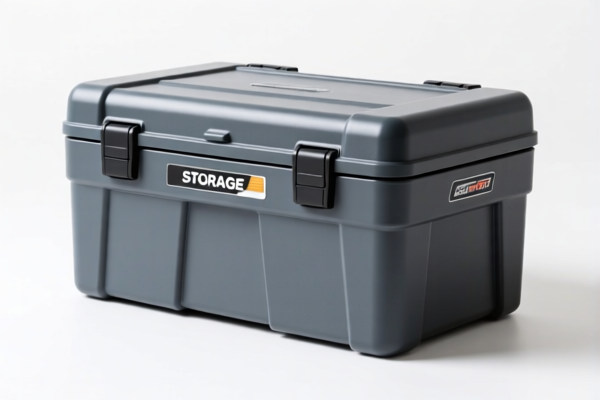
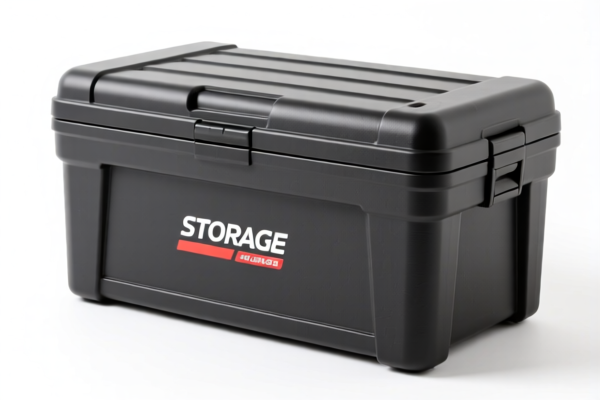
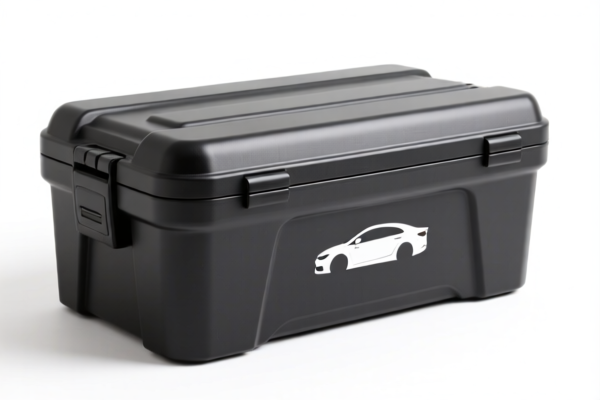
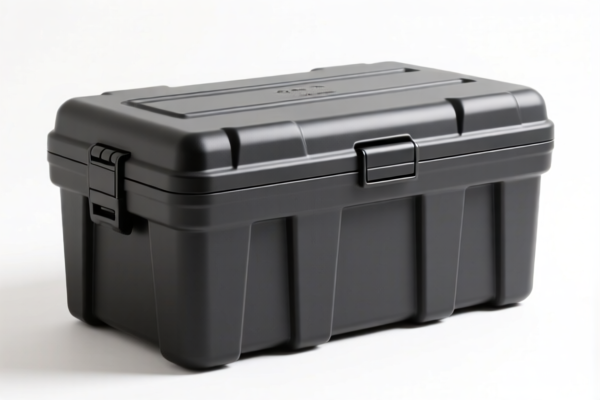
AI Analysis
🚗 Automotive Storage Boxes / Containers (Auto Stowage)
🌐 HS Code Reference & Customs Clearance Guide | 2026 Latest Tariff Structure | Professional Strategy for US Imports from China
📌 Part 1: Product Definition & Classification: What Exactly is an "Auto Storage Box"?
In the context of international trade and customs classification, "Automotive Storage Box" is a generic functional description, not a specific material-based category. The Harmonized System (HS) code depends entirely on the material composition and primary function of the item.
The product can be broadly categorized into three types based on material: 1. Plastic Storage Containers: Rigid, molded plastic bins (e.g., under-seat organizers, trunk storage boxes). 2. Wooden Storage/Cabinetry: Decorative wooden compartments or specialized wooden cargo boxes. 3. Other Material Containers: Made from textile, paperboard, leather, or mixed materials, often serving as general-purpose storage or "catch-all" categories.
⚠️ Key Distinction Point:
- If the item is a rigid plastic bin used for transport/packaging → Chapter 39 (Plastics)
- If the item is wooden (decorative or general storage) → Chapter 44 (Wood)
- If the item is made of textile, leather, or other materials (especially if it resembles a bag or soft container) → Chapter 42 (Articles of Leather/Textile)
📦 Part 2: Detailed HS Code Classification (2026 Tariff Concordance)
Based on the input data, here are the specific HS codes, their material deductions, and corresponding tax details.
| HS Code | Product Description & Material Inference | Application/Function | Total Tax Rate* |
|---|---|---|---|
| 3923.10.20.00 | Plastic Storage Box: Rigid plastic form, inferred as plastic material, used for transport or packaging. | Plastic bins, molded cases. | 35.0% |
| 4420.90.20.00 | Wooden Storage Box: Inferred as wooden material, used for decoration or as a fallback category. | Wooden crates, decorative storage units. | 17.5% |
| 4202.99.90.00 | Other Storage Container: Inferred as plastic, textile, or paperboard, used for container purposes. | Mixed material containers, general storage. | 55.0% |
| 4202.92.93.15 | Textile-Surface Storage Box: Exterior surface inferred as textile material, used for container purposes. | Fabric-covered organizers, soft-sided bins. | 52.6% |
| 3923.10.90.00 | Other Plastic Packaging: Inferred as plastic material, used for packaging or transport. | Generic plastic packaging containers. | 38.0% |
*Note: All tax rates include Base Duty, Additional Duty (Section 301), and Section 122 Tariffs. Origin: China to USA.
💰 Part 3: 2026 Latest Tariff Rate Breakdown (Detailed Policy)
✅ Applicable Country: United States (US)
✅ Origin: China (CN)
✅ Effective Time: 2025/2026 Trade Rules
🎯 1. 3923.10.20.00 & 3923.10.90.00 —— Plastic Containers/Packaging
A. Code 3923.10.20.00
- Summary: Plastic storage box, inferred as plastic material, for transport/packaging.
- Tax Details:
- Base Duty: 0.0%
- Additional Duty (Section 301): 25.0%
- Section 122 Tariff: 10.0%
- Total Tax: 35.0%
B. Code 3923.10.90.00
- Summary: Other plastic packaging/transport containers.
- Tax Details:
- Base Duty: 3.0%
- Additional Duty (Section 301): 25.0%
- Section 122 Tariff: 10.0%
- Total Tax: 38.0%
📌 Explanation:
- Plastic containers (Chapter 39) benefit from low or zero base duties but are heavily impacted by the 25% Section 301 tariff and the 10% Section 122 tariff. -3923.10.20.00is slightly cheaper than3923.10.90.00because its base duty is 0% vs 3%.
🎯 2. 4420.90.20.00 —— Wooden Storage/Decorative Items
- Summary: Wooden storage box, used for decoration or as a fallback category.
- Tax Details:
- Base Duty: 0.0%
- Additional Duty (Section 301): 7.5%
- Section 122 Tariff: 10.0%
- Total Tax: 17.5%
📌 Explanation:
- Lowest Tax Rate in the List! - Wooden items in this specific subheading (4420) often have lower Section 301 rates (7.5% vs 25%) if classified as decorative woodwork or specific woodworking articles. - Strategy: If the product is wooden and can be argued as "decorative woodwork" or falls under4420, this is the most cost-effective classification.
🎯 3. 4202.99.90.00 —— Other Material Containers (Plastic/Textile/Paper)
- Summary: Storage box inferred as plastic, textile, or paperboard, used for container purposes.
- Tax Details:
- Base Duty: 20.0%
- Additional Duty (Section 301): 25.0%
- Section 122 Tariff: 10.0%
- Total Tax: 55.0%
📌 Explanation:
- Highest Tax Rate. - Chapter 42 articles have a high 20% Base Duty. - Even with the same 25% + 10% surcharges, the total hits 55%. - Avoid this classification unless the product is strictly defined as an "article of leather or textile" that does not fit other specific container codes.
🎯 4. 4202.92.93.15 —— Textile-Surface Storage Box
- Summary: Storage box with exterior surface inferred as textile material, used for container purposes.
- Tax Details:
- Base Duty: 17.6%
- Additional Duty (Section 301): 25.0%
- Section 122 Tariff: 10.0%
- Total Tax: 52.6%
📌 Explanation:
- Very High Tax Rate. - Chapter 42 textile articles face a high base duty (17.6%). - If the "storage box" is essentially a fabric organizer or soft-sided container, this code applies. However, the tax burden is significantly higher than plastic or wooden alternatives.
🛠️ Part 4: Customs Clearance Practical Advice
✅ 1. Material Declaration is Critical
The HS code depends entirely on the material. - Plastic? → Use 3923 codes (35%-38% tax). - Wood? → Use 4420 code (17.5% tax). Recommendation: If wooden, this is the cheapest option. - Textile/Fabric? → Use 4202 codes (52.6%-55% tax). Avoid if possible due to high tax. - Mixed Materials? → Customs may classify based on the essential character material. If the box is plastic with fabric lining, it might still fall under Chapter 39 or 42 depending on structure. Clarity is key.
✅ 2.申报建议 (Declaration Strategy)
| Material | Recommended HS Code | Total Tax | Risk Level |
|---|---|---|---|
| Wood | 4420.90.20.00 |
17.5% | 🟢 Low (Best for cost) |
| Plastic (Molded) | 3923.10.20.00 |
35.0% | 🟡 Medium |
| Plastic (Packaging) | 3923.10.90.00 |
38.0% | 🟡 Medium |
| Textile Surface | 4202.92.93.15 |
52.6% | 🔴 High |
| Other/Mixed | 4202.99.90.00 |
55.0% | 🔴 High |
🔥 Golden Rule:
"Wood wins on tax, Plastic is moderate, Textile/Mixed is expensive!"
✅ 3. Required Documentation for Clearance
- Product Composition Certificate: Clearly state the material (e.g., "100% Polypropylene" or "Solid Wood with Veneer").
- Product Images: Show the exterior and interior to prove the material type.
- Function Statement: Describe as "Automotive Storage Container" or "Trunk Organizer." Avoid terms that imply it is a "bag" if it is rigid, as this affects Chapter 42 classification.
- Bill of Lading & Commercial Invoice: Must match the HS code description.
✅ 4. Special Considerations
- Section 122 Tariff (10%): This applies to almost all consumer goods from China imported by air/sea in certain categories. It is non-negotiable for these items.
- Section 301 Tariff (25% vs 7.5%): The difference between 25% and 7.5% is huge. If your product is wooden, ensure it is classified under
4420(woodwork) rather than a general wood box code that might attract higher tariffs. - Avoid Chapter 42 if Possible: The base duty (17.6%-20%) makes textile/mixed storage boxes very uncompetitive in price. If your product has a fabric cover but a rigid plastic core, consider arguing for Chapter 39 (Plastic) as the essential character.
🌍 Part 5: Global Market Comparison (2026)
| Market | Recommended HS Code (Example) | Est. Tax Rate (China Origin) | Notes |
|---|---|---|---|
| 🇺🇸 USA | 3923.10.20.00 (Plastic) |
35.0% | High Section 301 + 122 tariffs. |
| 🇺🇸 USA | 4420.90.20.00 (Wood) |
17.5% | Lowest tax option for US import. |
| 🇪🇺 EU | 3923.10 / 4420 | ~5-12% | No Section 301/122 equivalent. Lower overall cost. |
| 🇨🇳 China | 3923.10 / 4420 | 0-5% | Domestic trade benefits from lower duties. |
📌 Conclusion:
- For US Imports, wooden storage boxes (4420.90.20.00) are the most tax-efficient choice at 17.5%. - Plastic boxes (3923.10.20.00) are standard but cost 35%. - Textile/mixed boxes (4202) are expensive (52.6%+) and should be avoided unless required by design.
📌 Part 6: Common Mistakes & Pitfalls
❌ Mistake 1: Labeling a wooden box as "Plastic" to avoid Chapter 42 taxes.
👉 Consequence: Customs inspection reveals wood → Penalty + Back Tax + Delay.
❌ Mistake 2: Classifying a rigid plastic bin as "Textile Container" because it has a fabric liner.
👉 Consequence: Tax jumps from 35% to 52.6% or 55%. Unnecessary cost increase.
❌ Mistake 3: Ignoring Section 122 Tariff.
👉 Consequence: Under-declaring tax liability by 10% → Fines.
✅ Correct Approach:
"Verify Material First. Wood is King for Tax Savings (17.5%). Plastic is Standard (35%). Avoid Textile/Mixed (55%)."
🎯 Part 7: Final Recommendations
- If you can change the material: Choose Wood (
4420.90.20.00) for the lowest duty rate (17.5%). - If it is Plastic: Use
3923.10.20.00(35.0%) rather than3923.10.90.00(38.0%) if possible, as the base duty is lower. - If it is Textile/Fabric: Be prepared for 52.6%-55% tax. Consider if a rigid plastic version can meet customer needs to save ~17-20% in tax.
- Pre-Clearance: Submit product samples and material specs to a customs broker for a Binding Ruling before bulk shipment to confirm the HS code.
📣 Action Required:
📞 Contact Customs Broker: Provide material composition.
📄 Review Design: Can it be made of wood or plastic instead of textile?
💰 Calculate Cost: Wood (17.5%) vs Plastic (35%) vs Textile (55%).
✨ Smart Classification = Lower Costs = Higher Profit!
💼 Don't let tax uncertainty delay your automotive storage business!
Customer Reviews
About HS Code Classification
The Harmonized System (HS) is an internationally standardized nomenclature developed by the World Customs Organization (WCO) to classify traded products. Over 200 countries use the HS system as the basis for customs tariffs, trade statistics, and import/export regulations.
Each HS code follows a hierarchical structure:
- Chapter (2 digits) — Broad category of goods (e.g., Chapter 84: Machinery and Mechanical Appliances)
- Heading (4 digits) — More specific grouping within the chapter
- Subheading (6 digits) — Internationally standardized breakdown, used by all WCO member countries
- National subdivisions (8-10 digits) — Country-specific extensions for further classification, such as US HTSUS 10-digit codes
Correct HS code classification is essential for smooth customs clearance, accurate duty payment, and compliance with trade regulations. Misclassification can lead to customs delays, overpayment of duties, or penalties.
When importing from CN to US, the applicable tariff rates may include:
- Most-Favored-Nation (MFN) rate — The standard duty rate applied to WTO members
- General rate — Applied to countries without trade agreements
- Trade remedy duties — Additional tariffs such as Section 301 (anti-dumping), Section 232 (national security), or countervailing duties
The information provided on this page is for reference purposes only. For official classification, please consult with your local customs authority or a licensed customs broker.