汽车排气管
CN → US| HS Code | Tariff Rate | Origin | Destination | Doc |
|---|---|---|---|---|
| 8421320000 | 35.0% | CN | US | Official Doc |
| 8421390190 | 35.0% | CN | US | Official Doc |
| 8708925000 | 37.5% | CN | US | Official Doc |
| 8708921000 | 35.0% | CN | US | Official Doc |
| 7307995045 | 89.3% | CN | US | Official Doc |
| 7307933040 | 91.2% | CN | US | Official Doc |
Product Images
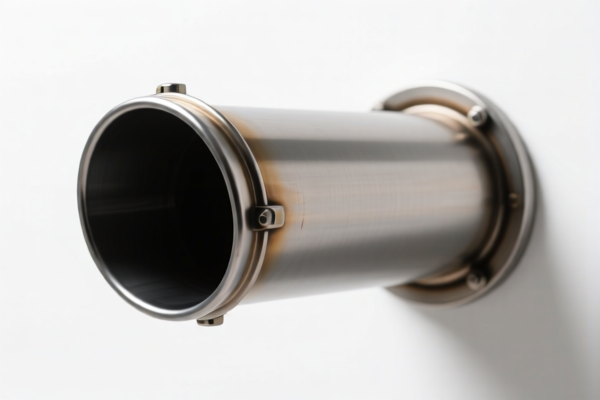
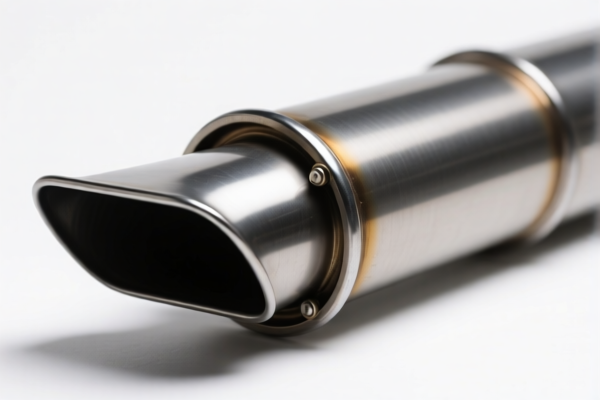
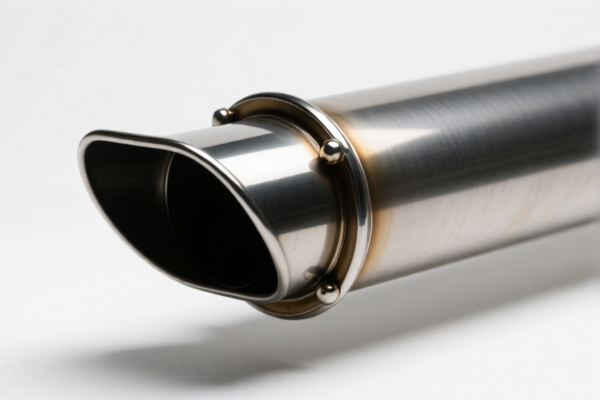
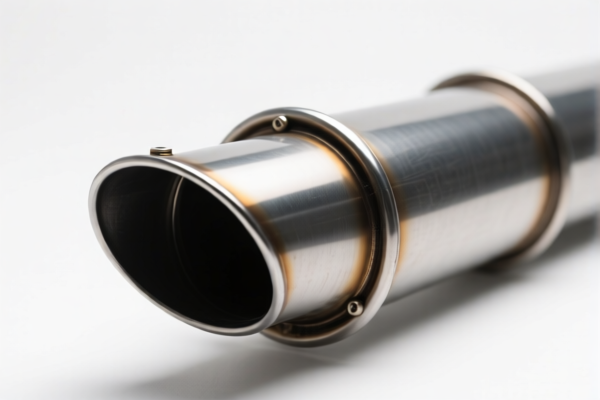
AI Analysis
🚗 Exhaust Pipes for Automobiles: HS Code Classification & Customs Clearance Strategy (2026)
🌐 HS Code Reference & Customs Guide | Latest 2026 Tariff Analysis | Professional Clearance Strategy
📌 I. Product Definition & Classification: Do You Really Understand "Exhaust Pipes"?
Exhaust pipes are critical components of the automotive emission control system, responsible for guiding exhaust gases from the engine to the atmosphere while reducing noise and pollution. In international trade, these products are often misclassified due to ambiguity between "pipes/tubes" (general metal articles) and "automotive parts" (specific vehicle components).
There are two main classification paths based on material and function:
1. Metallic Pipe Fittings (General Metal Articles)
If classified primarily by material (Iron/Non-alloy Steel) without emphasizing the specific automotive application, they fall under Chapter 73.
Key Identifier: Generic descriptions like "Iron pipe fittings" or "Steel tube accessories."
2. Automotive Parts (Specific Vehicle Components)
If classified by function and end-use, they are treated as parts of motor vehicles.
Key Identifier: Specific descriptions like "Exhaust system for vehicles" or "Automotive exhaust pipe."
⚠️ Critical Distinction Point:
- If the product is a generic steel tube/fitting not specifically designed only for a car (or lacking specific automotive certifications), it may be classified under 7307.93.30.40 or 7307.99.50.45.
- If the product is specifically shaped, flanged, and marketed as an automotive exhaust component, it must be classified under 8708.92.50.00.
- Misclassification Risk: Declaring an automotive part as a "general pipe" can lead to severe penalties because the tariff rates for metal articles often include additional punitive tariffs (Section 232) that do not apply to specific auto parts.
📦 II. HS Code Classification Details (2026 Latest Tariff Authority Comparison)
| HS Code | Product Description | Application Scenario | Material/Category |
|---|---|---|---|
7307.93.30.40 |
Pipe fittings of iron or non-alloy steel, used for automotive exhaust pipes | Generic steel pipe fittings; potential misclassification if not declared as auto part | Iron/Non-alloy Steel (General Metal) |
8708.92.50.00 |
Vehicle parts, matching exhaust pipe purpose and form | Specific automotive exhaust systems, mufflers, tailpipes | Automotive Parts (Motor Vehicle) |
8708.92.50.00 |
Direct classification of automotive exhaust pipes as vehicle spare parts | Any exhaust component specifically designed for motor vehicles | Automotive Parts (Motor Vehicle) |
7307.99.50.45 |
Pipe fittings of iron or non-alloy steel, suitable for automotive exhaust pipes | Similar to 7307.93 but different sub-category of steel fittings | Iron/Non-alloy Steel (General Metal) |
🔍 Key Reminder:
-8708.92.50.00is the preferred classification for genuine automotive exhaust pipes. It recognizes the product as a vehicle part.
-7307codes are for general metal fittings. While they can be used in exhaust systems, classifying a dedicated auto part here triggers Section 232 tariffs (Steel/Aluminum), which are significantly higher than Section 301 tariffs on auto parts.
- Do not split shipments: If you ship an exhaust system, declare it as one unit under 8708.92.50.00. Do not split it into "pipes" (7307) and "mounts" (8708) to avoid scrutiny.
💰 III. 2026 Latest Tariff Rate Breakdown (Including Surcharges & Policy Add-ons)
✅ Applicable Country: USA (US)
✅ Country of Origin: China (CN)
✅ Effective Time: Current rates apply (2026 context)
🎯 1. 8708.92.50.00 —— Automotive Parts (Exhaust Pipes as Vehicle Components)
| Item | Content |
|---|---|
| Base Rate | 2.5% (MFN Rate) |
| Section 301 Surcharge | +25.0% (Trade Enquiry Act, Lister 122 Items) |
| Section 232 Surcharge | 0% (Applies only to Steel/Aluminum raw materials, NOT specific auto parts) |
| Total Effective Rate | 37.5% |
| Tax Calculation | CIF Value × 37.5% |
| De Minimis Eligibility | ❌ No (Denied under Section 301 for China-origin goods) |
| Legal Basis Path | USITC:8708.92.50.00 → Section 301: Lister 122 |
📌 Explanation:
- This classification benefits from being an "Auto Part" rather than a "Steel Product."
- It avoids the 50% Section 232 tariff applied to steel/aluminum imports.
- The total tax is 37.5%, which is significantly lower than the steel article options.
🎯 2. 7307.93.30.40 —— Pipe Fittings (Iron/Non-Alloy Steel)
| Item | Content |
|---|---|
| Base Rate | 6.2% |
| Section 301 Surcharge | +25.0% |
| Section 232 Surcharge | +50% (Steel/Aluminum/Copper Products Section 232) |
| Total Effective Rate | 91.2% |
| Tax Calculation | CIF Value × 91.2% |
| De Minimis Eligibility | ❌ No |
| Legal Basis Path | USITC:7307.93.30.40 → Section 232: Steel Products → Section 301: Lister 122 |
📌 Warning:
- This rate is extremely high (91.2%).
- The 50% Section 232 tariff is applied because the classifier views this as a steel product, not a finished auto part.
- Avoid this classification if possible for automotive exhaust pipes.
🎯 3. 7307.99.50.45 —— Pipe Fittings (Iron/Non-Alloy Steel, Other)
| Item | Content |
|---|---|
| Base Rate | 4.3% |
| Section 301 Surcharge | +25.0% |
| Section 232 Surcharge | +50% (Steel/Aluminum/Copper Products Section 232) |
| Total Effective Rate | 89.3% |
| Tax Calculation | CIF Value × 89.3% |
| De Minimis Eligibility | ❌ No |
| Legal Basis Path | USITC:7307.99.50.45 → Section 232: Steel Products → Section 301: Lister 122 |
📌 Warning:
- Similar to7307.93.30.40, this incurs the 50% Section 232 tariff.
- Total rate 89.3% makes this option financially non-viable for most exporters compared to8708.92.50.00.
🛠️ IV. Customs Clearance Practical Advice (Battle-Tested Pitfall Guide)
✅ 1. Document Checklist (Essential Items)
| Document | Required | Explanation |
|---|---|---|
| ✅ Product Specification Sheet | ✔️ | Must specify: Material (e.g., Stainless Steel 304/409), Shape (muffler/tailpipe), and End-Use (Automotive). |
| ✅ Technical Drawings | ✔️ | Show flanges, bends, and weld points to prove it is a custom-formed auto part, not a generic pipe. |
| ✅ Commercial Invoice | ✔️ | Description MUST include: "Automotive Exhaust Pipe, Part No. XXX, for [Car Make/Model].") |
| ✅ Packing List | ✔️ | Show complete set (manifold + pipe + hanger). Do not list as "Steel Pipes." |
| ✅ Origin Certificate (CO) | ✔️ | Proves China origin (subject to tariffs). |
| ✅ Photo of Product | ✔️ | Clear view of branding, part numbers, and automotive-specific features. |
✅ 2. Declaration Tactics (Key Mantra)
🔥 "Declare as Auto Part, Not Steel Pipe! Save 50% Tax!"
| Scenario | Correct Declaration | Incorrect Declaration |
|---|---|---|
| Exhaust Pipe with Flanges | 8708.92.50.00 (Auto Part) |
7307.93.30.40 (Steel Pipe) |
| Generic Steel Tube | 7307.93.30.40 |
8708.92.50.00 (Fraud Risk) |
| Complete Exhaust System | 8708.92.50.00 |
Split into 7307 + 8708 (Complexity & Risk) |
📌 Why
8708.92.50.00is Better:
- Tax Savings: 37.5% vs. ~90%.
- Compliance: Accurately reflects the specific use (automotive).
- Risk Reduction: Avoids Section 232 steel audits.
✅ 3. Special Case Handling
| Case | Handling Advice |
|---|---|
| Stainless Steel Exhausts | Even if made of stainless steel, if it is a finished auto part, it can often still be classified under 8708.92.50.00. However, some customs officers may argue for Section 232. Provide strong evidence of specific automotive shaping. |
| OEM vs. Aftermarket | Both fall under 8708.92.50.00. For OEM, provide car maker authorization letters. |
| Parts Kits | If sold as a "Complete Exhaust System," declare as a single unit under 8708.92.50.00. Do not split. |
| Custom Modifications | If significantly modified from standard auto parts, consult a customs broker to ensure it doesn't revert to "General Machinery" or "Steel Articles." |
🌍 V. Global Market Comparison (2026 Latest)
| Country/Region | Recommended HS Code | Tariff Rate | Certification | Remarks |
|---|---|---|---|---|
| 🇺🇸 USA | 8708.92.50.00 |
37.5% | No special certs | Best option. Avoids 50% Section 232. |
| 🇨🇳 China | 8708.92.50.00 |
5%~8% | CCC (if applicable) | Low duty. |
| 🇪🇺 EU | 8708.92.50.00 |
4.5% | E-mark (if complete) | Standard auto part duty. |
| 🇲🇽 Mexico | 8708.92.50.00 |
0% (under USMCA*) | N/A | Zero tariff if USMCA criteria met. |
📌 Conclusion:
- USA: The 37.5% rate for8708.92.50.00is the most cost-effective compared to the ~90% steel tariffs.
- Mexico: If exporting to the US via Mexico, ensure USMCA origin rules are met for 0% duty.
📌 VI. Common Errors & Pitfall Guide (Blood-Lesson Edition)
❌ Error 1: Declaring an automotive exhaust pipe as "Steel Pipe Fitting" (7307)
👉 Consequence: You pay ~90% tariff instead of 37.5%. Loss of profit margin.
❌ Error 2: Declaring a generic steel tube as an "Auto Part" (8708)
👉 Consequence: Customs rejects declaration, demands Section 232 verification, delays shipment, or imposes fines for misdeclaration.
❌ Error 3: Splitting a complete exhaust system into "Pipes" + "Brackets"
👉 Consequence: Complex clearance, higher audit risk, and potential reclassification of all items to steel tariffs.
✅ Correct Approach:
"Automotive Exhaust Pipe, Stainless Steel, Part No. EX-123, Designed for Toyota Camry 2022, with Flanges and Hangers."
🎯 VII. Conclusion: Professional Declaration, Cost Savings!
🎯 Remember the Mantra:
🔹 "Auto Part, Not Steel! 37.5% vs 90%! Save 50%! Avoid Section 232!"
🔹 "HS Code Determines Tax, 50% Difference is Huge, One Wrong Step, Bill Doubles!"
📌 Pro Tip:
If your exhaust pipes are stainless steel, some customs brokers may mistakenly apply Section 232. Provide detailed technical data showing they are finished automotive components, not raw steel articles.
Consider applying for a Binding Ruling from US Customs if you are shipping large volumes, to secure the 8708.92.50.00 classification legally.
📣 Immediate Action:
📞 Contact a licensed customs broker + Provide Part Drawings + Apply for Pre-Ruling if necessary
🚀 Let your exhaust pipes clear customs fast, efficiently, and profitably!
✨ Professional Clearance Starts with Accurate Classification!
💼 Every Percent of Tariff Saved is Pure Profit!
Customer Reviews
About HS Code Classification
The Harmonized System (HS) is an internationally standardized nomenclature developed by the World Customs Organization (WCO) to classify traded products. Over 200 countries use the HS system as the basis for customs tariffs, trade statistics, and import/export regulations.
Each HS code follows a hierarchical structure:
- Chapter (2 digits) — Broad category of goods (e.g., Chapter 84: Machinery and Mechanical Appliances)
- Heading (4 digits) — More specific grouping within the chapter
- Subheading (6 digits) — Internationally standardized breakdown, used by all WCO member countries
- National subdivisions (8-10 digits) — Country-specific extensions for further classification, such as US HTSUS 10-digit codes
Correct HS code classification is essential for smooth customs clearance, accurate duty payment, and compliance with trade regulations. Misclassification can lead to customs delays, overpayment of duties, or penalties.
When importing from CN to US, the applicable tariff rates may include:
- Most-Favored-Nation (MFN) rate — The standard duty rate applied to WTO members
- General rate — Applied to countries without trade agreements
- Trade remedy duties — Additional tariffs such as Section 301 (anti-dumping), Section 232 (national security), or countervailing duties
The information provided on this page is for reference purposes only. For official classification, please consult with your local customs authority or a licensed customs broker.