沙具
CN → US| HS Code | Tariff Rate | Origin | Destination | Doc |
|---|---|---|---|---|
| 9503000071 | 10.0% | CN | US | Official Doc |
| 6914108000 | 44.0% | CN | US | Official Doc |
| 3926909989 | 22.8% | CN | US | Official Doc |
| 6914908000 | 40.6% | CN | US | Official Doc |
| 3926909910 | 22.8% | CN | US | Official Doc |
Product Images
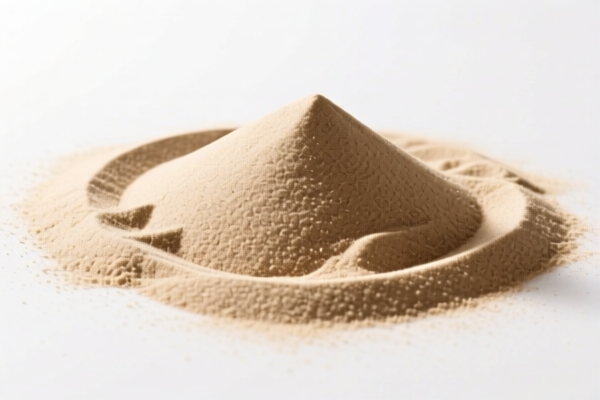
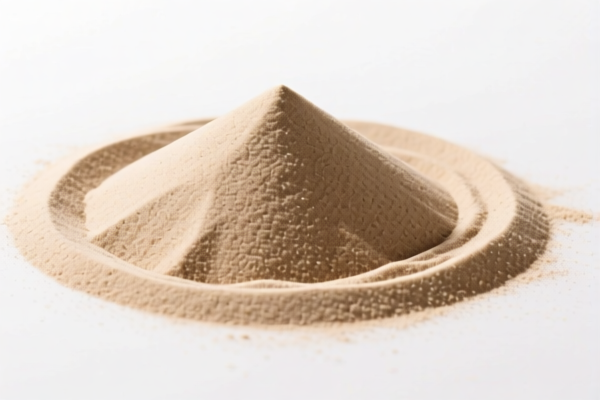
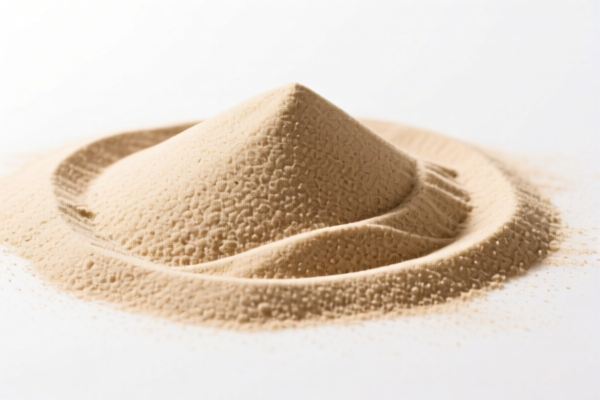
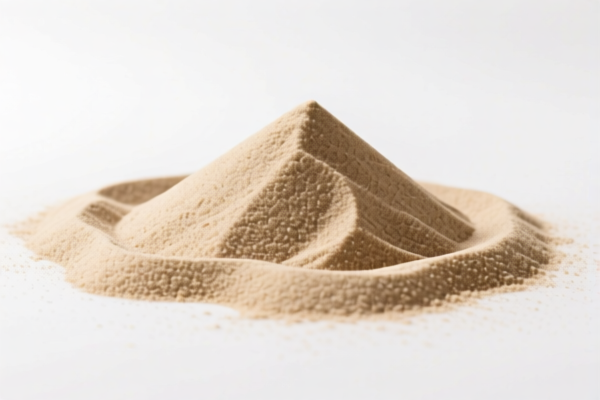
AI Analysis
🏖️ Sand Toys / Beach Sets (Shaju)
🌐 HS Code Reference & Clearance Guide | 2026 Latest Tariff Analysis | Professional Clearance Strategy
📌 I. Product Definition & Classification: What Exactly Are "Sand Toys"?
"Sand Toys" (often referred to as Shaju in Chinese contexts) are generally categorized as play items for children, primarily used in sandboxes, beaches, or parks. They typically include shovels, buckets, molds, and rakes.
In international trade, the classification depends heavily on the material and specific intended use:
- Plastic Sand Toys: The most common type. Made of polyethylene (PE), polypropylene (PP), etc. Classed as toys or other plastic articles.
- Ceramic/Ceramic-like Sand Toys: Less common for direct play, often used for artistic, decorative, or gardening purposes. Classed as ceramic articles.
- Toy Classification: If primarily designed for play (educational/recreational), they may fall under Heading 9503.
⚠️ Key Distinction:
- If the item is plastic and clearly a toy → 9503.00.00.71 (Lowest Tax)
- If the item is plastic but not explicitly a "toy" in local perception → 3926.90.99.10 / 3926.90.99.89 (Higher Tax)
- If the item is ceramic (even if used in sand) → 6914.90.80.00 / 6914.10.80.00 (Highest Tax)
📦 II. HS Code Classification Details (2026 Latest Tariff Authority Comparison)
| HS Code | Product Description | Applicable Scenario | Material | Total Tax Rate |
|---|---|---|---|---|
9503.00.00.71 |
Toys; reduced-size ("scale") models and similar recreational models, working or not; puzzles of all kinds | Standard plastic sand toys (buckets, shovels, molds) for children's play | Plastic | 10.0% |
3926.90.99.10 |
Other articles of plastics, not elsewhere specified or included | Plastic sand toys not clearly classified as "toys" or generic plastic items | Plastic | 22.8% |
3926.90.99.89 |
Other articles of plastics, not elsewhere specified or included (Other/Residual) | Generic plastic sand tools/parts not fitting specific subheadings | Plastic | 22.8% |
6914.90.80.00 |
Ceramic articles of a kind commonly used for office, stationery, office, or household purposes (Other) | Ceramic sand tools, decorative ceramic items used in sand/gardening | Ceramic | 40.6% |
6914.10.80.00 |
Ceramic tableware, kitchenware, other household or toilet articles | Ceramic items with higher ceramic grade, often mistaken for sand tools due to material | Ceramic | 44.0% |
🔍 Key Reminder:
- Plastic Toys are the most cost-effective if declared correctly as Toys (9503).
- Ceramic items attract significantly higher tariffs, even if used in a "sandbox" context.
- Misclassification Risk: Declaring plastic toys as "ceramic" or "household articles" to avoid duty checks is illegal and leads to severe penalties.
💰 III. 2026 Latest Tariff Rate Details (Including Surcharges & Policy Add-ons)
✅ Applicable Country: United States (US)
✅ Origin: China (CN)
✅ Effective Date: November 10, 2025 onwards (including subsequent imports)
🎯 1. 9503.00.00.71 —— Toys (Plastic Sand Toys)
| Item | Details |
|---|---|
| Base Duty Rate | 0.0% (ad valorem) |
| USITC Surcharge | 0.0% (No Section 301 tariff on most toys) |
| IEEPA Surcharge | +10.0% (Against China/HK products, effective Nov 10, 2025) |
| Total Tax Rate | 10.0% |
| Tax Calculation | CIF Value × 10% |
| De Minimis Eligibility | ❌ No (deny_de_minimis) |
| Legal Basis Path | IEEPA:9903.01.25 → IEEPA:9903.01.24 → USITC:9503.00.00.71 → FOOTNOTE:9903.88.01 |
📌 Explanation:
- Base 0%: Toys generally have low base duties.
- No 25% Section 301: Unlike electronics or plastics in other categories, many toys are exempt from the 25% Section 301 tariff.
- 10% IEEPA: The only additional duty is the 10% IEEPA surcharge.
- Total 10%: This is the most favorable rate for sand toys if they qualify as "Toys".
🎯 2. 3926.90.99.10 & 3926.90.99.89 —— Other Plastic Articles
| Item | Details |
|---|---|
| Base Duty Rate | 5.3% (ad valorem) |
| USITC Surcharge | +7.5% (Section 301 for certain plastic articles) |
| IEEPA Surcharge | +10.0% (Against China/HK products) |
| Total Tax Rate | 22.8% |
| Tax Calculation | CIF Value × 22.8% |
| De Minimis Eligibility | ❌ No (deny_de_minimis) |
| Legal Basis Path | IEEPA:9903.01.24 → USITC:3926.90.99.10/89 → FOOTNOTE:9903.88.01 |
📌 Explanation:
- If Customs determines the plastic sand tools are not toys (e.g., for industrial sand use, or vague classification), they fall under "Other Plastic Articles".
- Total 22.8%: Significantly higher than the toy classification.
- Risk: Misdeclaring toys as "other plastic articles" to avoid toy safety standards (like CPSIA) can lead to reclassification and higher duties.
🎯 3. 6914.90.80.00 & 6914.10.80.00 —— Ceramic Articles
| Item | Details |
|---|---|
| Base Duty Rate | 5.6% (6914.90) / 9.0% (6914.10) |
| USITC Surcharge | +25.0% (Section 301 for ceramics) |
| IEEPA Surcharge | +10.0% (Against China/HK products) |
| Total Tax Rate | 40.6% (6914.90) / 44.0% (6914.10) |
| Tax Calculation | CIF Value × Total Rate |
| De Minimis Eligibility | ❌ No (deny_de_minimis) |
| Legal Basis Path | IEEPA:9903.01.25 → USITC:6914.90.80.00 → FOOTNOTE:9903.88.01 |
📌 Explanation:
- High Tax Burden: Ceramics face high base duties and the full 25% Section 301 surcharge.
- Total 40.6%-44%: This is the most expensive classification.
- Material Matters: Even if the item is a "sand tool," if it’s made of ceramic, it is taxed as ceramic, not plastic or toy.
🛠️ IV. Clearance Practical Advice (实战避坑指南)
✅ 1. Preparation Checklist (Must-Haves)
| Document | Required | Notes |
|---|---|---|
| ✅ Product Specifications | ✔️ | Must clearly state material (Plastic vs. Ceramic), intended use (Play vs. Decor), and age recommendation. |
| ✅ Photos | ✔️ | Clear images showing branding, safety warnings, and product details. |
| ✅ Commercial Invoice | ✔️ | Description must match HS Code rationale (e.g., "Plastic Sand Toys for Children"). |
| ✅ Packing List | ✔️ | Ensure no mixed materials without proper declaration. |
| ✅ CPSIA Compliance Docs | ✔️ | Critical for 9503. Proof of lead/phthalate testing for children's toys. |
| ✅ Certificate of Origin | ✔️ | For IEEPA application. |
✅ 2. Declaration Strategies (Key Mantras)
🔥 “Material First, Use Second, Toy Status Clear, Duty Lower!”
| Scenario | Correct Declaration | Wrong Approach |
|---|---|---|
| Plastic Sand Toys | 9503.00.00.71 |
Declare as 3926 (22.8%) or 6914 (40.6%) → Overpaying |
| Ceramic Sand Tools | 6914.90.80.00 |
Declare as plastic → Customs Audit, Fine, Retroactive Duty |
| Plastic Items (Non-Toy) | 3926.90.99.10 |
Declare as toy without safety certs → Detention, Return |
| Mixed Material Kits | Split declaration or Highest Duty | Mixed declaration → Complex Audit, Delay |
✅ 3. Special Cases Handling
| Situation | Advice |
|---|---|
| OEM Private Label Sand Toys | Provide authorization letter and CPSIA test reports. |
| Sand Toys with Wooden Parts | May fall under different HS codes; consult a specialist. |
| Decorative Ceramic Sand Pots | Declare as ceramic (6914), not toy. Do not claim toy exemption. |
| Bulk Plastic Sand Tools (Industrial) | Declare as 3926, not toy. Provide end-use statement. |
🌍 V. Global Market Clearance Comparison (2026 Latest)
| Country/Region | Recommended HS Code | Tariff (China Origin) | Certifications | Notes |
|---|---|---|---|---|
| 🇺🇸 USA | 9503.00.00.71 |
10.0% | CPSIA, ASTM F963 | Highest tax for ceramics (40.6%+) |
| 🇨🇳 China | 9503.00.00.71 |
5.0% | CCC (if applicable) | Low base duty, no surcharge |
| 🇪🇺 EU | 9503.00.00 |
0% - 4.7% | CE, EN71 | Generally low duty, strict safety |
| 🇦🇺 Australia | 9503.00.00 |
5.0% | AS/NZS Standards | Low duty, consumer product guarantees |
| 🇯🇵 Japan | 9503.00.00 |
0% - 6.0% | PSE, ST-mark | Low duty, high safety standards |
📌 Conclusion:
- USA is the most tax-sensitive market for Chinese-origin sand toys due to IEEPA and Section 301.
- Correct Classification as "Toy" (9503) saves up to 30-40% in duties compared to ceramic or generic plastic classifications.
- Plastic toys are the sweet spot for duty optimization.
📌 VI. Common Mistakes & Pitfalls (Blood & Tears Lessons)
❌ Mistake 1: Declaring plastic toys as "Household Articles" (3926)
👉 Result: Pay 22.8% instead of 10%. Waste of profit.
❌ Mistake 2: Declaring ceramic items as "Toys" (9503)
👉 Result: Customs audit reveals material mismatch. Fine + Retroactive Duty + Penalty.
❌ Mistake 3: No CPSIA Report for Plastic Toys
👉 Result: Detention at US Border. Product returned or destroyed.
❌ Mistake 4: Vague Description "Sand Set"
👉 Result: Customs assigns highest possible duty (Ceramic rate). Always specify material and use.
✅ Correct Practice:
"Plastic Sand Toys for Children, Including Buckets and Shovels, ASTM F963 Certified, Model XYZ, Plastic Material"
🎯 VII. Conclusion: Professional Declaration, Save Time, Cut Costs!
🎯 Remember the Mantra:
🔹 "Toy Status = 10%, Plastic = 22.8%, Ceramic = 40.6%+!"
🔹 "Clear Material, Clear Use, Clear Safety Docs!"
🔹 "Don't let a $1 toy cost you $0.40 in duty because of bad HS Code!"
📌 Pro Tip:
If your sand toys are manufactured in Vietnam, Thailand, or Malaysia, you may qualify for IEEPA Exemptions, reducing the tariff to 0% - 5%.
Recommend Advance Ruling from CBP to confirm classification before shipping.
📣 Immediate Action:
📞 Contact a licensed customs broker + Provide Product Specs + Apply for HS Code Advance Ruling
🚀 Let your Sand Toys Clear Smoothly, Maximize Profit, and Stay Safe!
✨ Professional Clearance Starts with Accurate Classification!
💼 Every Cent in Duty Counts!
Customer Reviews
About HS Code Classification
The Harmonized System (HS) is an internationally standardized nomenclature developed by the World Customs Organization (WCO) to classify traded products. Over 200 countries use the HS system as the basis for customs tariffs, trade statistics, and import/export regulations.
Each HS code follows a hierarchical structure:
- Chapter (2 digits) — Broad category of goods (e.g., Chapter 84: Machinery and Mechanical Appliances)
- Heading (4 digits) — More specific grouping within the chapter
- Subheading (6 digits) — Internationally standardized breakdown, used by all WCO member countries
- National subdivisions (8-10 digits) — Country-specific extensions for further classification, such as US HTSUS 10-digit codes
Correct HS code classification is essential for smooth customs clearance, accurate duty payment, and compliance with trade regulations. Misclassification can lead to customs delays, overpayment of duties, or penalties.
When importing from CN to US, the applicable tariff rates may include:
- Most-Favored-Nation (MFN) rate — The standard duty rate applied to WTO members
- General rate — Applied to countries without trade agreements
- Trade remedy duties — Additional tariffs such as Section 301 (anti-dumping), Section 232 (national security), or countervailing duties
The information provided on this page is for reference purposes only. For official classification, please consult with your local customs authority or a licensed customs broker.