沙发巾
CN → US| HS Code | Tariff Rate | Origin | Destination | Doc |
|---|---|---|---|---|
| 6304920000 | 23.8% | CN | US | Official Doc |
| 6304930000 | 23.8% | CN | US | Official Doc |
| 5705002020 | 38.3% | CN | US | Official Doc |
| 5705002030 | 38.3% | CN | US | Official Doc |
| 9404909670 | 17.3% | CN | US | Official Doc |
Product Images
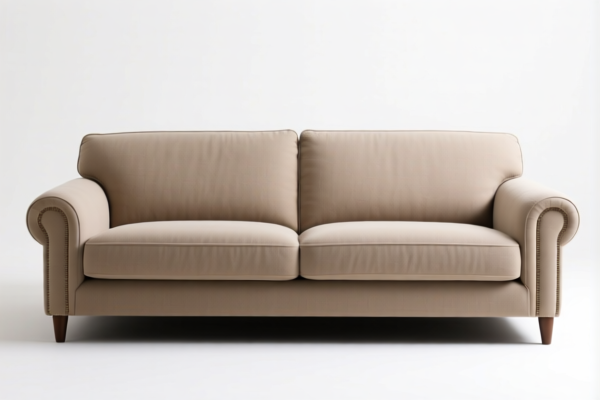
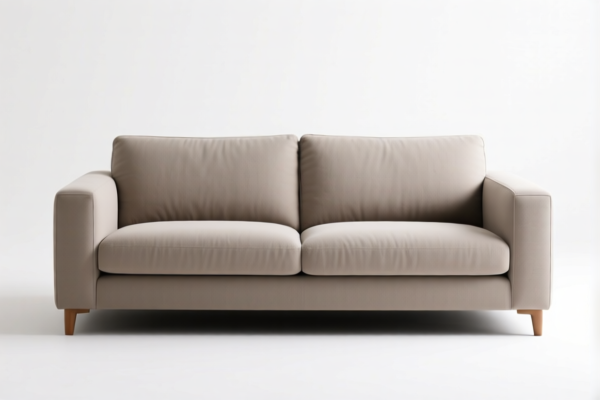
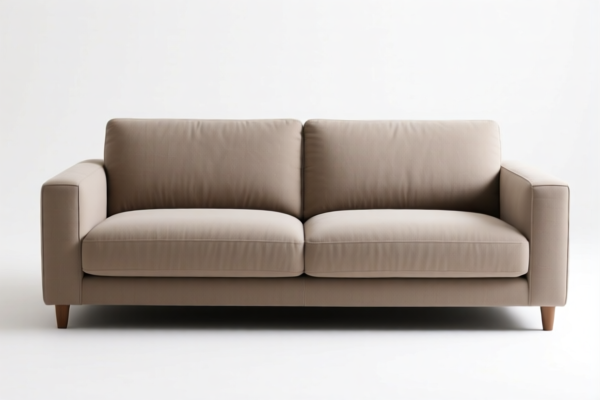
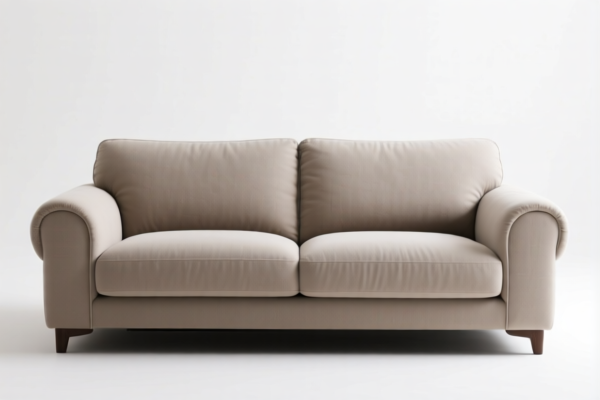
AI Analysis
🛋️ Sofa Covers (Fabric Home Decor & Furnishings)
🌐 HS Code Reference & Customs Clearance Guide | 2026 Latest Tariff Analysis | Professional Clearance Strategy 📌 Part 1: Product Definition & Classification: Do You Really Understand "Sofa Covers"?
Sofa covers are textile products primarily used for home decoration, furniture protection, and aesthetic enhancement. In international trade, their classification depends heavily on material composition, knitted vs. non-knitted status, and functional intent (floor covering vs. furniture accessory).
Key Classification Divergence: * Floor Coverings (Rugs/Tapestries): If the item is treated as a decorative textile for flooring or wall hanging, it may fall under Chapter 57. * Furniture Accessories/Bedding: If treated as a pad, cushion, or home textile accessory, it may fall under Chapter 94 or Chapter 63.
⚠️ Critical Distinction Point: * If declared as a "Rug/Floor Covering" (e.g.,
5705.00) → High Tax Burden (38.3%). * If declared as a "Sofa Cushion/Pad" (e.g.,9404.90) → Lower Tax Burden (17.3%). * If declared as a "Non-Knitted Textile Article" (e.g.,6304.92/93) → Moderate Tax Burden (23.8%).
📦 Part 2: HS Code Classification Details (2026 Latest Tariff Authority Comparison)
| HS Code | Product Description | Logic for Classification | Material Inference |
|---|---|---|---|
5705.00.20.20 |
Other carpets and other textile floor coverings, whether or not made up | Treated as a "textile floor covering" due to shape/size; often used for decorative wall/floor hanging. | Cotton or Man-made Fibers |
5705.00.20.30 |
Other carpets and other textile floor coverings, made of man-made fibers | Treated as a "man-made fiber floor covering"; common for synthetic sofa throws. | Man-made Fibers |
9404.90.96.70 |
Articles of bedding and similar furnishing (e.g., pads, cushions) | Treated as a cushion/pad accessory for sofas; focuses on function (protection/decoration of seating). | General Textile Fibers |
6304.92.00.00 |
Non-knitted or crocheted furnishings of cotton | Treated as a non-knitted cotton household textile; focuses on material (cotton) and non-knitted nature. | Cotton |
6304.93.00.00 |
Non-knitted or crocheted furnishings of synthetic fibers | Treated as a non-knitted synthetic household textile; focuses on material (synthetic) and non-knitted nature. | Synthetic Fibers |
🔍 Key Insight: *
5705(Carpet/Floor Covering): High risk of misclassification. Customs may view a "sofa cover" as a rug if it is large and flat. Avoid this unless specifically intended as a rug. *9404(Bedding/Cushion): Often the most favorable classification for sofa covers if they are padded or structured as cushions/pads. *6304(Other Furnishings): A safe middle ground for flat, non-padded textile covers that are clearly for furniture decoration.
💰 Part 3: 2026 Latest Tariff Rate Breakdown (Including Surtaxes & Policy Add-ons)
✅ Applicable Country: United States (US) ✅ Origin: China (CN) ✅ Effective Date: 2025 Nov 10 onwards
🎯 1. 5705.00.20.20 & 5705.00.20.30 —— Carpets/Floor Coverings (Textile)
| Item | Details |
|---|---|
| Base Tariff | 3.3% (ad valorem) |
| Section 301 Surtax | +25.0% (High penalty for textile floor coverings) |
| Section 122 Surtax | +10.0% (Additional penalty for specific textile categories) |
| Total Effective Rate | 38.3% |
| Tax Calculation | CIF Value × 38.3% |
| De Minimis Eligibility | ❌ Not Eligible (High risk of audit) |
| Legal Basis Path | USITC:5705.00.20.20 → FOOTNOTE:301 → IEEPA:122 |
📌 Explanation: * The 38.3% rate is extremely high. It includes the standard 301 tariff (25%) and an additional 122 tariff (10%) specifically targeting certain textile imports. * Risk: Misclassifying a sofa cover as a "carpet" triggers this punitive rate.
🎯 2. 9404.90.96.70 —— Pads, Cushions, and Similar Furnishing Articles
| Item | Details |
|---|---|
| Base Tariff | 7.3% (ad valorem) |
| Section 301 Surtax | 0.0% (Often exempt or lower for general furniture accessories) |
| Section 122 Surtax | +10.0% (Still applies to general textile furnishings) |
| Total Effective Rate | 17.3% |
| Tax Calculation | CIF Value × 17.3% |
| De Minimis Eligibility | ⚠️ Check Specifics (Usually exempt from 301, but verify 122 applicability) |
| Legal Basis Path | USITC:9404.90.96.70 → FOOTNOTE:122 |
📌 Strategic Advantage: * This is the lowest tax option (17.3%) among the five codes. * Condition: The product must be clearly defined as a cushion, pad, or upholstered article, not just a flat cloth. If it has padding or is structured, use this code.
🎯 3. 6304.92.00.00 & 6304.93.00.00 —— Non-Knitted Textile Furnishings
| Item | Details |
|---|---|
| Base Tariff | 6.3% (ad valorem) |
| Section 301 Surtax | +7.5% (Reduced 301 rate for some textile furnishings compared to carpets) |
| Section 122 Surtax | +10.0% |
| Total Effective Rate | 23.8% |
| Tax Calculation | CIF Value × 23.8% |
| De Minimis Eligibility | ❌ Not Eligible |
| Legal Basis Path | USITC:6304.92/93 → FOOTNOTE:301 → IEEPA:122 |
📌 Explanation: * This classification sits in the middle (23.8%). * Condition: The item must be non-knitted (woven) and made of Cotton (
6304.92) or Synthetic Fibers (6304.93). * If the material is mixed, you must declare the primary material or the most specific subtype.
🛠️ Part 4: Customs Clearance Practical Advice (Real-World Pitfall Guide)
✅ 1. Document Preparation Checklist (Non-Negotiable)
| Document | Required? | Notes |
|---|---|---|
| ✅ Product Specifications | ✔️ | Must specify: Material (Cotton/Polyester), Knitted/Non-knitted, Padded/Unpadded. |
| ✅ Material Composition Sheet | ✔️ | Critical for distinguishing 6304 (Cotton vs. Synthetic) and 5705 (Fiber type). |
| ✅ Product Photos | ✔️ | Show the product on a sofa. Highlight if it has padding, elastic edges, or ties. |
| ✅ Commercial Invoice | ✔️ | Description should be specific: "Sofa Cover, Cotton, Non-Knitted, Decorative" OR "Sofa Cushion, Polyfill, Woven". Avoid vague "Home Textile". |
| ✅ Packing List | ✔️ | Ensure no loose parts that could trigger accessory classification. |
✅ 2. Classification Strategy (The Golden Rules)
🔥 "Function First, Material Second, Avoid Carpets!"
| Scenario | Recommended HS Code | Reasoning |
|---|---|---|
| Padded Sofa Cover/Throw | 9404.90.96.70 |
Lowest Tax (17.3%). Clearly a "pad/cushion" accessory. |
| Flat Woven Cotton Cover | 6304.92.00.00 |
Moderate Tax (23.8%). Clearly a cotton textile furnishing. |
| Flat Woven Synthetic Cover | 6304.93.00.00 |
Moderate Tax (23.8%). Clearly a synthetic textile furnishing. |
| Large Decorative Tapestry/Rug | 5705.00.20.20 |
High Tax (38.3%). Only use if it is functionally a floor/wall covering. |
| Synthetic Large Tapestry/Rug | 5705.00.20.30 |
High Tax (38.3%). Avoid unless necessary. |
✅ 3. Critical Clearance Tips
- Avoid "Carpet" Language: Never use words like "Rug", "Floor Mat", or "Carpet" in the description unless it is genuinely for floors. This triggers
5705and the 38.3% tax. - Emphasize "Sofa Accessory": Use terms like "Sofa Throw", "Upholstery Cover", "Cushion Cover". This supports
9404or6304. - Material Transparency: If using
6304, be precise about Cotton vs. Synthetic. Misdeclaration can lead to penalties. - Section 122 Impact: Note that all these codes attract the 10% Section 122 tariff. This is a fixed cost for these textile categories. The main savings come from avoiding the 301 tariff on Carpet codes.
🌍 Part 5: Global Market Comparison (2026 Snapshot)
| Country/Region | Recommended HS Code | Est. Total Tax (China Origin) | Key Certification | Notes |
|---|---|---|---|---|
| 🇺🇸 USA | 9404.90.96.70 |
17.3% | None Specific | Lowest US rate. Best for profit. |
| 🇺🇸 USA | 5705.00.20.20 |
38.3% | None Specific | Highest US rate. Avoid. |
| 🇪🇺 EU | 6304.92.00 |
~12% | CE (if tech), REACH | No Section 122. 301 doesn't apply. |
| 🇨🇳 China | 6304.92.00 |
~15% | N/A | Domestic trade rules apply. |
📌 Conclusion for US Importers: * Priority 1: Classify as
9404.90.96.70(Cushion/Pad) → 17.3%. * Priority 2: Classify as6304.92/93(Textile Furnishing) → 23.8%. * Avoid:5705(Carpet) → 38.3%.
📌 Part 6: Common Mistakes & Pitfalls (Lessons from Blood & Tears)
❌ Mistake 1: Calling a sofa cover a "Rug" to sound decorative.
👉 Consequence: Customs assigns 5705, tax jumps from 17.3% to 38.3%.
❌ Mistake 2: Declaring a padded cover as "Non-knitted textile" (6304).
👉 Consequence: Misclassification. Should be 9404. Minor penalty, but risks audit.
❌ Mistake 3: Ignoring Section 122. 👉 Consequence: Even with correct base classification, forgetting the 10% surtax leads to short payment and seizures.
✅ Correct Declaration Example:
"Sofa Cover, Cotton Blend, Woven, Decorative, Non-Padded, for Household Use. HS: 6304.92.00.00"
OR
"Padded Sofa Throw, Polyester Fill, Woven Outer, Decorative Cushion Cover. HS: 9404.90.96.70"
🎯 Part 7: Conclusion: Professional Classification Saves Money!
🎯 Remember the Golden Formula:
🔹 "Pad = 17.3% | Textile = 23.8% | Carpet = 38.3% | Choose Wisely!" 🔹 "Don't call it a rug if it's on a sofa. The 21% difference is pure profit."
📌 Pro Tip:
If your product is padded, always insist on 9404.90.96.70. It is the single biggest cost-saving move for sofa covers entering the US. For flat covers, use 6304 and specify the fiber (Cotton/Synthetic) accurately.
📣 Immediate Action:
📞 Contact your Customs Broker with the exact material composition and photos. 🚀 Apply for a Pre-Ruling if importing large volumes. 💡 Stop paying 38.3% for items that should be 17.3%!
✨ Smart Classification, Higher Margins! 💼 Every percentage point saved is pure profit.
Customer Reviews
About HS Code Classification
The Harmonized System (HS) is an internationally standardized nomenclature developed by the World Customs Organization (WCO) to classify traded products. Over 200 countries use the HS system as the basis for customs tariffs, trade statistics, and import/export regulations.
Each HS code follows a hierarchical structure:
- Chapter (2 digits) — Broad category of goods (e.g., Chapter 84: Machinery and Mechanical Appliances)
- Heading (4 digits) — More specific grouping within the chapter
- Subheading (6 digits) — Internationally standardized breakdown, used by all WCO member countries
- National subdivisions (8-10 digits) — Country-specific extensions for further classification, such as US HTSUS 10-digit codes
Correct HS code classification is essential for smooth customs clearance, accurate duty payment, and compliance with trade regulations. Misclassification can lead to customs delays, overpayment of duties, or penalties.
When importing from CN to US, the applicable tariff rates may include:
- Most-Favored-Nation (MFN) rate — The standard duty rate applied to WTO members
- General rate — Applied to countries without trade agreements
- Trade remedy duties — Additional tariffs such as Section 301 (anti-dumping), Section 232 (national security), or countervailing duties
The information provided on this page is for reference purposes only. For official classification, please consult with your local customs authority or a licensed customs broker.