油封
CN → US| HS Code | Tariff Rate | Origin | Destination | Doc |
|---|---|---|---|---|
| 3926904590 | 13.5% | CN | US | Official Doc |
| 4017000000 | 37.7% | CN | US | Official Doc |
| 4016935020 | 37.5% | CN | US | Official Doc |
| 4016931020 | 37.5% | CN | US | Official Doc |
| 3926904510 | 38.5% | CN | US | Official Doc |
Product Images
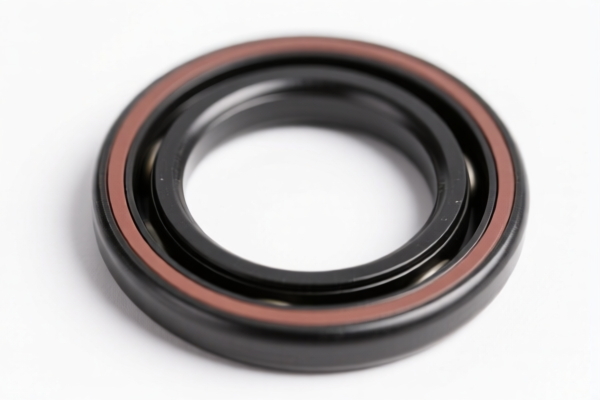
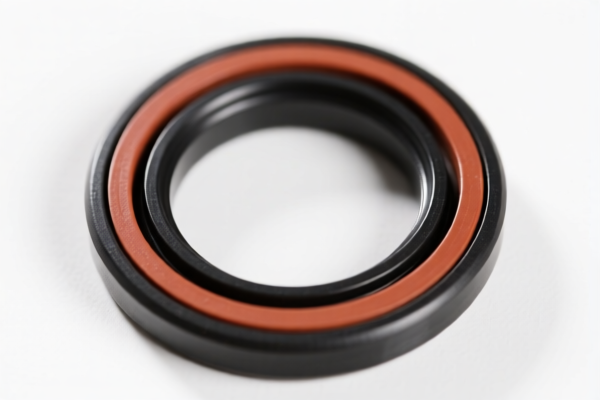
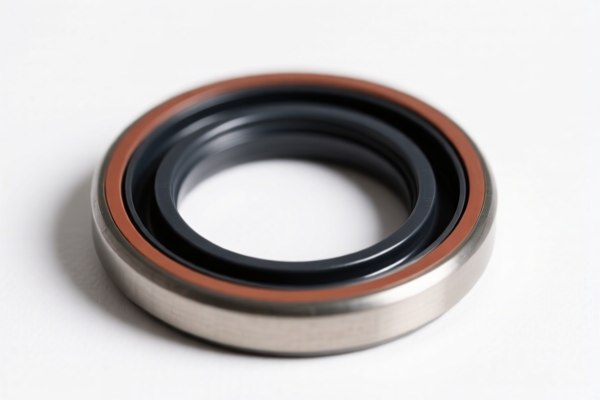
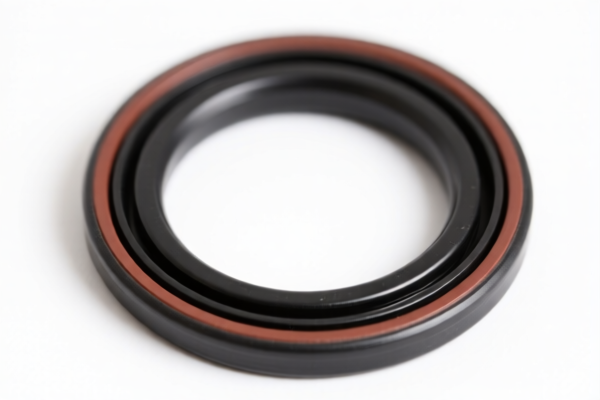
AI Analysis
🛢️ Oil Seals (Shaft Seals & Gaskets)
🌐 HS Code Reference & Customs Clearance Guide | 2026 Latest Tariff Analysis | Professional Strategy for High-Risk Commodities
📌 I. Product Definition & Classification: Do You Really Understand "Oil Seals"?
Oil seals are critical mechanical components designed to retain lubricants and exclude contaminants from rotating shafts. In international trade, they are often misclassified due to confusion between rubber components and plastic/metal composite assemblies.
Key Classification Logic: 1. Rubber Composition: If the primary material is vulcanized rubber (even with a metal insert), it typically falls under Chapter 40. 2. Plastic/Synthetic Composition: If the material is primarily plastic or synthetic resin, it falls under Chapter 39. 3. Function vs. Material: Customs authorities often scrutinize whether the item is a "part" of a machine or a "general purpose sealing component." However, for simple seals, material composition is the dominant factor for HS Code determination in the US/China context provided below.
⚠️ Critical Distinction:
- Metal Insert + Rubber Lip → Often classified as Rubber Articles (Ch 40) because rubber is the functional sealing material.
- Pure Plastic/Metal Case without Rubber Lip → May be classified as Articles of Plastic (Ch 39).
📦 II. HS Code Classification Matrix (Based on Provided Data)
Below is the detailed breakdown of the 5 possible HS Codes provided in the system data, ordered from lowest tax risk to highest tax impact.
| HS Code | Summary Description | Material/Logic | Total Tax Rate |
|---|---|---|---|
| 3926.90.45.90 | Lowest Tax Option Belongs to "Gaskets, Washers & Seals". Usually made of synthetic rubber or plastic. |
Plastic/Synthetic Rubber Treated as a general sealing article under Chapter 39. |
13.5% |
| 4017.00.00.00 | Inferred Rubber Material Falls under "Hard Rubber Articles". Material is inferred to be rubber in hard form. |
Hard Rubber Strictly defined as vulcanized rubber not elsewhere specified. |
37.7% |
| 4016.93.50.20 | Sealing Function (Rubber) Used as seals, made of vulcanized rubber. Hook/attachment viewed as accessory. |
Vulcanized Rubber Specific subheading for rubber gaskets/seals. |
37.5% |
| 4016.93.10.20 | Core Function: Oil Seal Described as a spare part/attachment. No material conflict with sealing function. |
Vulcanized Rubber Specific for other rubber articles, often interpreted as mechanical seals. |
37.5% |
| 3926.90.45.10 | Plastic/Rubber Seal + Hook Material: Rubber or Plastic. Hook viewed as accessory/associated part. |
Plastic or Rubber Similar to 3926.90.45.90 but potentially different sub-sub-heading logic. |
38.5% |
🔍 Key Insight:
- The biggest risk is misclassifying a Rubber Oil Seal under Chapter 39 (Plastic). If the seal has a significant rubber content (especially vulcanized rubber lips), Customs may reclassify it to Chapter 40, triggering massive tariffs (37.5%+).
- 3926.90.45.90 is the only option with a low tariff (13.5%). This requires proving the product is primarily plastic or fits the specific "gasket/washer" definition under Chapter 39 without triggering Chapter 40 exclusions.
💰 III. 2026 Latest Tariff Rate Detailed Breakdown (US/China Context)
✅ Target Market: United States (Importing from China)
✅ Applicable Laws: Section 301 (USITC) + IEEPA 122 Clauses
✅ Effective Date: Post-November 2025 Policies
🎯 1. 3926.90.45.90 —— The "Lowest Tax" Strategy (Plastic/Gasket Focus)
Use only if the product is primarily plastic or fits the specific "gasket" definition under Ch 39.
| Item | Detail |
|---|---|
| Base Duty | 3.5% |
| Section 301 Additional | 0.0% (Note: Data indicates 0%, likely due to specific exclusions or current list positioning for this sub-code) |
| 122 Clause Tariff | 10.0% |
| Total Effective Rate | 13.5% |
| Legal Basis | HTSUS: 3926.90.45.90 + Section 301 Exclusions + 122 Clause |
| Risk Level | 🟢 Low (if material proof is solid) |
📌 Explanation:
- This code benefits from no Section 301 duty (0%), which is rare for rubber/plastic goods from China.
- The 122 Clause 10% applies as a general additional duty.
- Crucial: You must provide Material Safety Data Sheets (MSDS) or composition analysis proving Plastic/Synthetic dominance over Vulcanized Rubber to justify this lower rate.
🎯 2. 4017.00.00.00 —— Hard Rubber Articles (High Risk)
| Item | Detail |
|---|---|
| Base Duty | 2.7% |
| Section 301 Additional | +25.0% |
| 122 Clause Tariff | 10.0% |
| Total Effective Rate | 37.7% |
| Legal Basis | HTSUS: 4017.00.00.00 + USITC Footnote + IEEPA |
| Risk Level | 🔴 High |
📌 Explanation:
- "Hard Rubber" is a specific chemical definition (high sulfur content vulcanized rubber).
- Subject to full 25% Section 301 tariff.
- Misclassifying a standard oil seal here is dangerous because most oil seals are not "hard rubber."
🎯 3. 4016.93.50.20 & 4016.93.10.20 —— Rubber Seals (The Most Likely Reality)
| Item | Detail |
|---|---|
| Base Duty | 2.5% |
| Section 301 Additional | +25.0% |
| 122 Clause Tariff | 10.0% |
| Total Effective Rate | 37.5% |
| Legal Basis | HTSUS: 4016.93.xxxx + USITC + IEEPA |
| Risk Level | 🔴 High |
📌 Explanation:
- These are the standard classifications for Rubber Gaskets/Seals.
- If your oil seal has a vulcanized rubber sealing lip, Customs will likely force this classification.
- Total Cost Impact: ~37.5% vs. 13.5% = 24% difference on CIF value.
🎯 4. 3926.90.45.10 —— Plastic/Rubber Hybrid (High Tax in Ch 39)
| Item | Detail |
|---|---|
| Base Duty | 3.5% |
| Section 301 Additional | +25.0% |
| 122 Clause Tariff | 10.0% |
| Total Effective Rate | 38.5% |
| Legal Basis | HTSUS: 3926.90.45.10 |
| Risk Level | 🟠 Medium-High |
📌 Explanation:
- Even within Chapter 39, this sub-code attracts the 25% Section 301 tariff.
- This is likely due to the specific sub-heading logic not having a Section 301 exclusion.
🛠️ IV. Customs Clearance Practical Advice (Battle-Tested Guide)
✅ 1. Documentation Checklist (Non-Negotiable)
| Document | Purpose | Critical Detail |
|---|---|---|
| Product Specification Sheet | Define Material Composition | Must list % by weight of Rubber vs. Plastic vs. Metal. |
| Material Test Report | Prove Chapter 39 vs 40 | MSDS or third-party lab test showing Vulcanization status. If vulcanized → Ch 40. |
| Technical Drawing | Identify "Hard" vs "Soft" | Show the sealing lip. Is it flexible (Rubber) or rigid (Plastic/Hard Rubber)? |
| Commercial Invoice | Accurate Description | Avoid generic "Seal." Use "Oil Seal, Material: Nitrile Rubber/Metal". |
| Packing List | Value Separation | If sold with a metal housing, ensure the rubber seal isn't over-valued if claiming Ch 39. |
✅ 2. Strategic Classification Tips
🔥 "Material is King, Function is Queen!"
| Scenario | Recommended Action | Why? |
|---|---|---|
| Product is Pure Plastic | Use 3926.90.45.90 (13.5%) |
Avoids Section 301. Lowest cost. |
| Product is Rubber + Metal Insert | Risk: Likely 4016.93 (37.5%) |
Rubber lips define the product. Do not try to force Ch 39 without strong proof. |
| Product is "Hard Rubber" (High Sulfur) | Use 4017.00.00.00 (37.7%) |
Chemically specific. Hard to argue otherwise. |
| OEM Custom Seal | Provide Design Specs | Show that the shape/function doesn't override material classification. |
✅ 3. Red Flags & Pitfalls (Avoid These!)
❌ Pitfall 1: Declaring a Rubber Oil Seal as 3926.90.45.90 without proof.
👉 Result: Customs audit → Forced reclassification to 4016.93 → Back taxes + 10% penalty.
❌ Pitfall 2: Ignoring the 122 Clause 10%.
👉 Result: All codes above include this. It is mandatory. Do not assume it's waived.
❌ Pitfall 3: Mislabeling "Oil Seal" as "Gasket".
👉 Result: While 3926.90.45.90 mentions "gaskets," an oil seal (dynamic seal) is functionally different from a static gasket. Using "Gasket" for an oil seal may raise suspicion of misdeclaration.
✅ Correct Strategy:
If the seal is NBR (Nitrile Rubber) or FKM (Viton), prepare for 37.5% tariff.
If the seal is PTFE (Teflon/Plastic), fight for 13.5% with lab reports.
🌍 V. Global Market Comparison (2026 Outlook)
| Region | Likely HS Code | Est. Total Duty | Note |
|---|---|---|---|
| 🇺🇸 USA | 4016.93.10.20 / 3926.90.45.90 |
37.5% or 13.5% | Section 301 (25%) is the killer. |
| 🇨🇳 China | 4016.93.10.20 |
~2.5% - 10% | No Section 301. Low entry barrier. |
| 🇪🇺 EU | 4016.93 / 3926.90 |
0% - 4.5% | No retaliatory tariffs. CE/REACH only. |
| 🇬🇧 UK | 4016.93 |
0% - 4.5% | Post-Brexit tariff rates similar to EU. |
📌 Conclusion:
- USA is the highest cost market due to Section 301 and 122 Clauses.
- European markets are tariff-friendly but have stricter REACH/RoHS compliance for rubber chemicals.
📌 VI. Final Recommendations & Action Plan
🚀 Step 1: Material Verification
- Get a Lab Test Report proving the sealing element is Plastic (PTFE/Nylon) or Vulcanized Rubber.
- If Plastic: Aim for
3926.90.45.90(13.5%). - If Rubber: Accept
4016.93(37.5%) or negotiate with suppliers for cost absorption.
🚀 Step 2: Pre-Ruling Application
- Apply for an US CBP Binding Ruling 6-12 months before shipment.
- Provide samples and detailed specs. This locks in the HS Code and protects against retroactive penalties.
🚀 Step 3: Supply Chain Optimization
- If the 24% tariff difference (13.5% vs 37.5%) is critical, consider sourcing from Vietnam/Mexico for US markets to avoid Section 301 tariffs entirely (subject to USMCA/Vietnam origin rules).
🎯 VII. Summary Quote
🔹 "In Oil Seals, Material Dictates the Tax. Plastic saves you 24%, Rubber costs you dearly. Verify before you ship!"
🔹 "13.5% vs 37.5% is not just a number—it's your profit margin. Don't gamble with Chapter 40 if you can prove Chapter 39."
📌 Pro Tip:
Always include "Material Composition: X% NBR Rubber, Y% Steel" in your commercial invoice. Vague descriptions like "Mechanical Parts" will trigger automatic audits.
✨ Smart Customs Clearance = Precision in Classification + Proactive Documentation
💼 Your Bottom Line Depends on These Two Digits: 13 vs 37!
Customer Reviews
About HS Code Classification
The Harmonized System (HS) is an internationally standardized nomenclature developed by the World Customs Organization (WCO) to classify traded products. Over 200 countries use the HS system as the basis for customs tariffs, trade statistics, and import/export regulations.
Each HS code follows a hierarchical structure:
- Chapter (2 digits) — Broad category of goods (e.g., Chapter 84: Machinery and Mechanical Appliances)
- Heading (4 digits) — More specific grouping within the chapter
- Subheading (6 digits) — Internationally standardized breakdown, used by all WCO member countries
- National subdivisions (8-10 digits) — Country-specific extensions for further classification, such as US HTSUS 10-digit codes
Correct HS code classification is essential for smooth customs clearance, accurate duty payment, and compliance with trade regulations. Misclassification can lead to customs delays, overpayment of duties, or penalties.
When importing from CN to US, the applicable tariff rates may include:
- Most-Favored-Nation (MFN) rate — The standard duty rate applied to WTO members
- General rate — Applied to countries without trade agreements
- Trade remedy duties — Additional tariffs such as Section 301 (anti-dumping), Section 232 (national security), or countervailing duties
The information provided on this page is for reference purposes only. For official classification, please consult with your local customs authority or a licensed customs broker.