泳衣
CN → US| HS Code | Tariff Rate | Origin | Destination | Doc |
|---|---|---|---|---|
| 6112410030 | 34.9% | CN | US | Official Doc |
| 6112410010 | 42.4% | CN | US | Official Doc |
| 6211121010 | 21.8% | CN | US | Official Doc |
| 6112310010 | 35.9% | CN | US | Official Doc |
| 6112390010 | 30.7% | CN | US | Official Doc |
Product Images
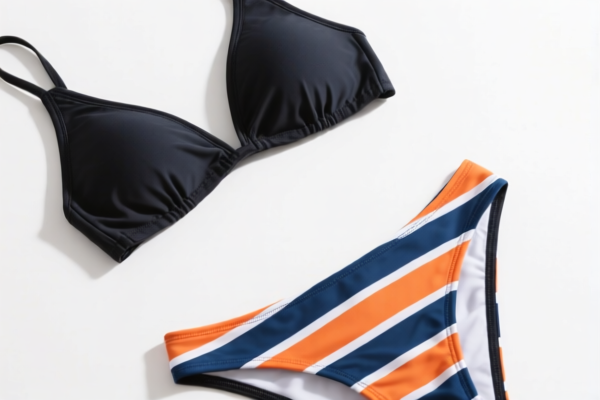
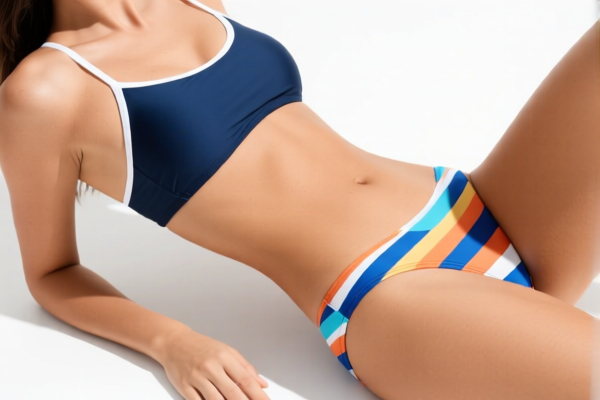

AI Analysis
🩳 Swimwear & Swimsuits (Swimming Apparel)
🌐 HS Code Reference & Customs Clearance Guide | 2026 Latest Tariff Analysis | Professional Strategy for China-US Trade
📌 I. Product Definition & Classification: Do You Truly Understand "Swimwear"?
Swimwear is a specialized category of apparel designed for water activities, ranging from leisure swimming to professional competitive sports. In international trade, it is strictly classified based on fiber composition (Synthetic vs. Man-made vs. Cotton/Nylon) and knitting method (Knitted/Hooked vs. Woven).
⚠️ Critical Distinction:
- Knitted/Hooked (Chapter 61): Elastic, stretchy fabrics typical of athletic swimwear (e.g., Lycra, Spandex blends).
- Woven (Chapter 62): Less elastic, structured fabrics often used for beach cover-ups or specific man-made fiber swimwear.
- Material Matters: Synthetic fibers (Polyester/Nylon) vs. Man-made fibers (Rayon/Polyester) vs. Cotton blends have drastically different tax rates.
📦 II. HS Code Classification Details (2026 Latest Tariff Authority)
| HS Code | Product Description | Material Inference | Tax Rate (Total) | Key Tax Components |
|---|---|---|---|---|
6112.41.00.30 |
Swimsuits (Knitted/Hooked) | Inferred: Synthetic Fibers (e.g., Nylon, Polyester) | 34.9% | Base: 24.9% + Section 122: 10% |
6112.41.00.10 |
Swimsuits (Knitted/Hooked) | Inferred: Synthetic Fibers (Subject to Trade War) | 42.4% | Base: 24.9% + Section 7.5% (Section 301) + Section 122: 10% |
6211.12.10.10 |
Swimsuits (Woven) | Inferred: Man-made Fibers (e.g., Rayon, Acrylic) | 21.8% | Base: 11.8% + Section 122: 10% |
6112.31.00.10 |
Swim Trunks (Shorts) | Inferred: Synthetic Fibers (Knitted) | 35.9% | Base: 25.9% + Section 122: 10% |
6112.39.00.10 |
Swim Trunks (Shorts) | Inferred: Cotton, Polyester, or Nylon | 30.7% | Base: 13.2% + Section 7.5% + Section 122: 10% |
🔍 Focus Alert:
- Chapter 61 (Knitted) items generally attract higher base tariffs but avoid "Section 7.5%" if not subject to specific trade war lists (like6112.41.00.30).
- Chapter 62 (Woven) items often have lower base tariffs (11.8%) but still carry the Section 122 (10%) surcharge.
- Section 122 (10%): This is a mandatory "On-shoring" or specific import surcharge applicable to most textile/apparel categories from China.
- Section 7.5% (7.5% Add-on): Appears in6112.41.00.10and6112.39.00.10, indicating specific trade restriction classifications.
💰 III. 2026 Latest Tariff Rate Breakdown (Detailed Policy Analysis)
✅ Applicable Country: United States (US)
✅ Origin: China (CN)
✅ Effective Time: Current & 2026 Projection (Based on Section 122 & Section 301 rules)
🎯 1. 6112.41.00.30 — Synthetic Knitted Swimsuits (Optimized Route)
| Item | Content |
|---|---|
| Product | Synthetic Fiber Knitted Swimsuit (No Section 301 Add-on) |
| Base Tariff | 24.9% |
| Section 301 Add-on | 0.0% (Excluded from specific lists) |
| Section 122 Surcharge | 10.0% (Mandatory textile/apparel surcharge) |
| Total Effective Rate | 34.9% |
| Legal Path | 6112.41.00.30 → Base:24.9% + Section 122:10% |
📌 Explanation:
- This is the most cost-effective code for knitted synthetic swimwear.
- Avoids the 7.5% Section 301 penalty, resulting in a 7.5% tax saving compared to6112.41.00.10.
- Key Requirement: Must be verified as Synthetic Fiber (e.g., 100% Nylon or Polyester) and Knitted.
🎯 2. 6112.41.00.10 — Synthetic Knitted Swimsuits (High Risk Route)
| Item | Content |
|---|---|
| Product | Synthetic Fiber Knitted Swimsuit (Subject to Trade War) |
| Base Tariff | 24.9% |
| Section 301 Add-on | 7.5% (Listed under specific restrictions) |
| Section 122 Surcharge | 10.0% |
| Total Effective Rate | 42.4% |
| Difference vs. 30 | +7.5% Higher Tax |
📌 Warning:
- This code includes the Section 301 punitive tariff.
- Often applies if the product is deemed to be a "competitive threat" or falls under a specific restricted sub-list.
- Risk: Higher landed cost may make products uncompetitive in the US market.
🎯 3. 6211.12.10.10 — Woven Man-Made Swimwear (Lowest Base)
| Item | Content |
|---|---|
| Product | Man-Made Fiber Woven Swimsuit |
| Base Tariff | 11.8% |
| Section 301 Add-on | 0.0% |
| Section 122 Surcharge | 10.0% |
| Total Effective Rate | 21.8% |
| Advantage | Lowest Total Tax in the list |
📌 Opportunity:
- If the fabric is Woven (not knitted/elastic) and Man-made (not 100% synthetic like Nylon), this offers the lowest entry barrier (21.8%).
- Ideal for beach cover-ups or structured swimsuits.
🎯 4. 6112.31.00.10 & 6112.39.00.10 — Swim Trunks (Shorts)
| Item | Content |
|---|---|
| Product | Men's/Women's Swim Shorts |
| Base Tariff | 25.9% (31) or 13.2% (39) |
| Section 301 Add-on | 0.0% (31) or 7.5% (39) |
| Section 122 Surcharge | 10.0% |
| Total Effective Rate | 35.9% (31) or 30.7% (39) |
📌 Strategy:
-6112.39.00.10(Cotton/Polyester/Nylon mix) surprisingly has a lower base rate (13.2%) but the 7.5% penalty brings it to 30.7%.
-6112.31.00.10(Pure Synthetic) has a high base (25.9%) but no penalty, totaling 35.9%.
- Decision: Choose based on the actual fabric blend. If you can prove "Man-made/Cotton mix",6112.39.00.10is cheaper than6112.31.00.10.
🛠️ IV. Customs Clearance Practical Advice (Pitfall Avoidance)
✅ 1. Documentation Checklist (Must-Have)
| Document | Requirement | Why? |
|---|---|---|
| ✅ Fabric Content Tag | CRITICAL | Must explicitly state "100% Nylon", "80% Polyester / 20% Spandex", or "Man-made". Inference from photos is risky;海关 (Customs) requires tags. |
| ✅ Knitting vs. Woven Test | CRITICAL | Provide a weave pattern diagram or physical sample. Knitted = Stretchy (Ch 61); Woven = Structured (Ch 62). |
| ✅ Product Photos | Required | Show the full garment, including elastic waistbands, lining, and stitching style. |
| ✅ Commercial Invoice | Required | Must state "Swimsuit", "Swim Trunks", or "Swim Shorts" clearly. Vague terms like "Beachwear" can cause delays. |
| ✅ Origin Certificate | Required | Proves CN origin to apply Section 122 and Section 301 rules. |
✅ 2. Declaration Strategy (The "Golden Rules")
🔥 Rule #1: "Material is King, Weave is Queen"
Rule #2: "Section 122 is Unavoidable (10%)"
| Scenario | Correct Classification | Wrong Classification | Consequence |
|---|---|---|---|
| Synthetic Knitted Suit | 6112.41.00.30 (34.9%) |
6112.41.00.10 (42.4%) |
Overpay 7.5% |
| Woven Man-Made Suit | 6211.12.10.10 (21.8%) |
6112.xxxx.xxxx |
Higher Base Tax (24.9%) |
| Mixed Fabric Shorts | 6112.39.00.10 (30.7%) |
6112.31.00.10 (35.9%) |
Overpay 5.2% |
| Cotton Swim Briefs | 6211.12.10.10 (if Man-made) |
6112.39.00.10 (if Cotton is dominant) |
Risk of Audit |
Pro Tip: If your product is 100% Polyester (Synthetic), ensure you classify under
6112.41.00.30if possible to avoid the 7.5% penalty. If it contains Cotton or Rayon,6112.39.00.10might be cheaper despite the penalty.
✅ 3. Special Cases & Handling
| Case | Handling Suggestion |
|---|---|
| Elastic Waistbands | Do not separate the waistband. Classify as Whole Suit. |
| Lined Swimsuits | If lined with a different fabric (e.g., cotton lining), the outer fabric determines the HS Code. |
| Bikini Sets | Classify the Top and Bottom separately if they differ in material/fiber. |
| Ocean vs. Pool | "Swimsuit" covers both. "Beach Cover-up" (if not tight-fitting) might fall under 6211 or other apparel codes. |
| Section 122 Compliance | Ensure the 10% surcharge is calculated on the CIF value. |
🌍 V. Market Comparison (2026)
| Region | Recommended HS Code | Base Tax | Additional | Total Est. |
|---|---|---|---|---|
| 🇺🇸 USA (CN Origin) | 6112.41.00.30 |
24.9% | +10% (Sec 122) | 34.9% |
| 🇺🇸 USA (CN Origin) | 6112.41.00.10 |
24.9% | +7.5% (Sec 301) +10% (Sec 122) | 42.4% |
| 🇪🇺 EU | 6112.41.00.30 |
12% (Est.) | 0% | ~12% |
| 🇨🇦 Canada | 6112.41.00.30 |
10% | 0% | ~10% |
📌 Conclusion:
- USA is the most expensive market for Chinese swimwear due to Section 122 (10%) and potential Section 301 (7.5%).
- Total tax ranges from 21.8% to 42.4% depending on fiber and weave.
- Strategy: Optimize fabric blend to qualify for6112.41.00.30(34.9%) or6211.12.10.10(21.8%).
📌 VI. Common Mistakes & Pitfalls (Lessons Learned)
❌ Mistake 1: Assuming "Synthetic" = Always 301 Penalties
👉 Correction: Check if the specific sub-code (6112.41.00.30) is exempt. If yes, you save 7.5%.
❌ Mistake 2: Confusing "Knitted" vs. "Woven"
👉 Correction: A knitted swimsuit (stretchy) is Ch 61. A woven beach dress is Ch 62. Wrong category = Wrong Tax.
❌ Mistake 3: Ignoring Section 122
👉 Correction: The 10% surcharge is almost always applied to textiles/apparel from China. Do not budget 20% total; budget 30-42%.
❌ Mistake 4: Vague Descriptions
👉 Correction: Never write "Beach Clothes". Use "Swimsuit, Knitted, Synthetic".
🎯 VII. Conclusion: Smart Classification = Higher Profit
🎯 Remember the Mnemonic:
🔹 "Knitted Synthetics: Check 30 or 10?" (6112.41.00.30= 34.9%,6112.41.00.10= 42.4%)
🔹 "Woven Man-Made is the Cheapest" (6211.12.10.10= 21.8%)
🔹 "Section 122 is the 10% Tax You Can't Escape"
🔹 "Fabric Tags are Your Best Friend"
📌 Action Plan:
- Verify Fiber Content on the product tag immediately.
- Test Weave Type (Knitted vs. Woven) with a fabric lab.
- Select the Code with the lowest total tax (Avoid
6112.41.00.10if possible).- Apply the 10% Section 122 to your cost model.
- Pre-Declare with a customs broker to get a Binding Ruling if possible.
📣 Final Call:
🚀 Optimize your HS Code today to save 7.5% to 15% in taxes!
🌊 Don't let tariffs wash away your profits!
💡 Your swimwear business deserves the smartest通关 (clearance) strategy!
✨ Professional Classification, Smooth Clearance, Maximum Profit!
💼 Every percent saved is a percent earned!
Customer Reviews
About HS Code Classification
The Harmonized System (HS) is an internationally standardized nomenclature developed by the World Customs Organization (WCO) to classify traded products. Over 200 countries use the HS system as the basis for customs tariffs, trade statistics, and import/export regulations.
Each HS code follows a hierarchical structure:
- Chapter (2 digits) — Broad category of goods (e.g., Chapter 84: Machinery and Mechanical Appliances)
- Heading (4 digits) — More specific grouping within the chapter
- Subheading (6 digits) — Internationally standardized breakdown, used by all WCO member countries
- National subdivisions (8-10 digits) — Country-specific extensions for further classification, such as US HTSUS 10-digit codes
Correct HS code classification is essential for smooth customs clearance, accurate duty payment, and compliance with trade regulations. Misclassification can lead to customs delays, overpayment of duties, or penalties.
When importing from CN to US, the applicable tariff rates may include:
- Most-Favored-Nation (MFN) rate — The standard duty rate applied to WTO members
- General rate — Applied to countries without trade agreements
- Trade remedy duties — Additional tariffs such as Section 301 (anti-dumping), Section 232 (national security), or countervailing duties
The information provided on this page is for reference purposes only. For official classification, please consult with your local customs authority or a licensed customs broker.