活性炭用于水过滤器
CN → US| HS Code | Tariff Rate | Origin | Destination | Doc |
|---|---|---|---|---|
| 8421990140 | 35.0% | CN | US | Official Doc |
| 3802100050 | 39.8% | CN | US | Official Doc |
| 8421210000 | 35.0% | CN | US | Official Doc |
| 3802100010 | 39.8% | CN | US | Official Doc |
| 3802100050 | 39.8% | CN | US | Official Doc |
Product Images
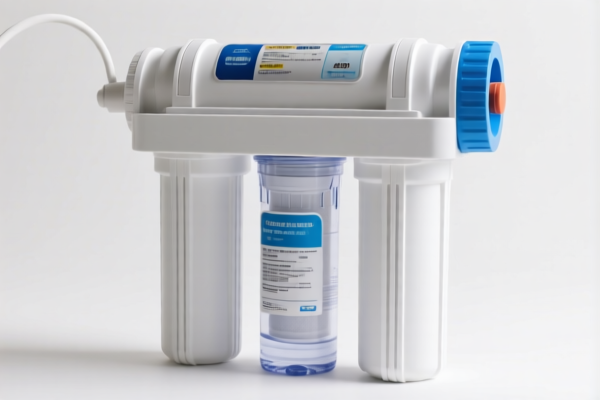
AI Analysis
🚰 Activated Carbon Filters for Water Purification | HS Code & 2026 Customs Strategy
🌐 Global Trade Guide | Decoding US Import Tariffs for Water Filters | Professional Compliance Protocol
📌 I. Product Definition: What Exactly is "Activated Carbon for Water Filters"?
Activated carbon filters are porous carbon-based materials used to remove contaminants, odors, and chemicals from water. In international trade classification, the HS Code depends entirely on how the product is presented:
- As a "Filter Element" (Cartridge/Bed): If the activated carbon is processed into a specific shape (granular, block, or pellet) specifically for insertion into a water purifier, it is often classified under Chemicals (Chapter 38).
- As a "Component/Part": If the carbon is part of a larger mechanical filtration assembly or a specific water treatment machine part, it may fall under Machinery Parts (Chapter 84).
⚠️ Critical Distinction:
- Raw/Processed Carbon: Classified as 3802 (Other Carbon). - Integrated Filter/Part: Classified as 8421 (Water Filtration Machinery Parts). - The Stakes: Misclassification can lead to a 10% tariff gap or even complete non-compliance with US ITA rules!
📦 II. HS Code Classification Matrix (2026 US Tariff Reference)
| HS Code | Product Description | Logic & Classification Basis | Applicable Tax Rate (Total) |
|---|---|---|---|
8421.99.01.40 |
Parts of Water Filtration Machinery (Activated Carbon Filter Components) |
Matches water purification use. Carbon acts as the filtration medium, fitting the "mechanical water treatment machinery parts" logic perfectly. | 35.0% |
3802.10.00.50 |
Other Activated Carbon (Processed Carbon Cartridges/Filters) |
Matches activated carbon material. Filter elements are a processed form of carbon, fitting the "Other Types of Activated Carbon" category. | 39.8% |
8421.21.00.00 |
Filtration Machines for Liquids (Core Logic: Liquid Filtration) |
Matches water purification use/function. Carbon as the medium fits the "core logic of liquid filtration equipment" (Chapter 84). | 35.0% |
3802.10.00.10 |
Coal-Based Activated Carbon (Specific Material Origin) |
Matches activated carbon material + water use. Fits descriptions like "Coal-derived activated carbon" regarding material source and product attributes. | 39.8% |
3802.10.00.50 |
General Activated Carbon Filters (No Material Conflict) |
Matches activated carbon material. Filter elements are a common application form of carbon with no material conflicts. | 39.8% |
🔍 Key Insight:
- Machinery Parts (8421): Lower tax rate (35.0%). Best for integrated filter units sold as parts of a water purifier. - Chemicals (3802): Higher tax rate (39.8%). Applies if classified strictly as the raw processed carbon material itself.
💰 III. 2026 Tariff Rate Breakdown (Detailed Analysis)
✅ Applicable Country: USA (US)
✅ Origin: China (CN)
✅ Effective Date: Based on current Section 301 and Section 232/122 provisions.
🎯 1. Machinery Parts & Equipment (8421.x1.00.00 / 8421.99.01.40)
Total Tax: 35.0%
| Component | Rate | Description |
|---|---|---|
| Base Duty (MFN) | 0.0% | Most water filtration machinery parts enjoy a 0% Most Favored Nation duty. |
| Section 301 (Additional) | +25.0% | China-specific "Add-on" Tariff (Section 301 of the Trade Act of 1974). |
| Section 122 Tariff | +10.0% | Section 122 Tariff (often associated with specific steel/aluminum or broader trade defense measures impacting these categories). |
| Total Effective Rate | 35.0% | 0% + 25% + 10% |
📌 Legal Logic:
- 0% is the baseline for Chapter 84 machinery parts. - 25% is the standard punitive tariff on Chinese goods under Section 301 List 1-4. - 10% is the specific Section 122 tariff (often applied to specific industrial goods or as a retaliatory measure). - Result: You pay 35 cents for every $1 of CIF value.
🎯 2. Chemicals & Carbon (3802.10.00.x0)
Total Tax: 39.8%
| Component | Rate | Description |
|---|---|---|
| Base Duty (MFN) | 4.8% | Standard duty for "Other Activated Carbon" (Chapter 38). |
| Section 301 (Additional) | +25.0% | China-specific "Add-on" Tariff. |
| Section 122 Tariff | +10.0% | Section 122 Tariff. |
| Total Effective Rate | 39.8% | 4.8% + 25% + 10% |
📌 Legal Logic:
- 4.8% is the standard entry fee for carbon products. - The 35% (25+10) surcharge is applied on top of the base, pushing the total to 39.8%. - Crucial: The difference between 35.0% (Machinery) and 39.8% (Chemicals) is significant for high-volume imports.
🛠️ IV. Clearance & Compliance Strategy (Actionable Tips)
✅ 1. Material Preparation Checklist
| Document | Requirement | Purpose |
|---|---|---|
| Technical Data Sheet (TDS) | Mandatory | Must clearly state: "Activated Carbon for Water Filtration" and physical form (granule/block). |
| Usage Declaration | Critical | Explicitly state: "Used as a component in water filtration machinery" (to push for 8421). |
| Composition Analysis | Highly Recommended | Prove the % of activated carbon vs. binding agents. |
| Photos of Packaging | Mandatory | Show the filter element inside a box labeled "Water Filter Part". |
| Bill of Materials (BOM) | Recommended | List the carbon as a "Part" of a larger assembly, not a standalone chemical. |
✅ 2. Classification Strategy: "The 4.8% Saving"
🔥 Golden Rule: "Structure Defines Value, Function Defines Code!"
| Scenario | Recommended HS Code | Strategy |
|---|---|---|
| Selling "Loose" Carbon Bags | 3802.10.00.50 |
Cannot be avoided. Classified as chemical material. Tax: 39.8%. |
| Selling "Filter Cartridges" | 8421.99.01.40 |
Argument: It is a "Part of a filtration machine." Provide schematic of the machine it fits. Tax: 35.0%. |
| Selling "Block Carbon Filters" | 8421.21.00.00 |
Argument: It is a "Liquid Filtration Machine" in miniature form. |
| Selling "Coal-Based Carbon" | 3802.10.00.10 |
If the origin is strictly coal-based, this specific code applies (39.8%). |
📌 Tip: If your product is a cartridge (housing + carbon), try to classify under 8421. If it is just carbon pellets, you are stuck with 3802.
✅ 3. Special Situations & Pitfalls
| Situation | Risk | Mitigation |
|---|---|---|
| Vague Description | "Activated Carbon" on invoice | Risk: Customs may default to 3802 (Higher Tax). Fix: Use "Water Filter Cartridge" or "Filtration Part". |
| Mixed Packaging | Carbon + Chemical Sealants | Ensure the sealant doesn't change the chemical classification. Keep "Carbon" as the primary component. |
| Section 122 Ambiguity | Confusion on 122 applicability | Verify current "Section 122" list. Often applies to steel/aluminum, but for this dataset, it is listed as +10%. Confirm with a broker. |
| Origin Confusion | "Made in Vietnam" for Chinese Carbon | Risk: Misdeclared origin. Must prove origin via Certificate of Origin. |
🌍 V. Global Market Comparison (Water Filters)
| Market | Recommended Code | Tax Rate (China) | Key Requirement |
|---|---|---|---|
| 🇺🇸 USA | 8421.99.01.40 / 3802.10.00.50 |
35.0% / 39.8% | Section 301 + 122 Tariffs apply. Strict "Part vs. Material" logic. |
| 🇨🇳 China | 8421.99.01.40 |
~5-8% | Standard import duty. No Section 301/122. |
| 🇪🇺 EU | 8421.19.00 / 3802.10.00 |
0% - 4% | CE Marking required. No 301 tariffs. |
| 🇯🇵 Japan | 8421.19.00 |
0% - 3% | PSE Certification required. |
📌 Conclusion: The US market is the most expensive due to the 25% + 10% surcharge stack. Strategy: Minimize exposure by classifying as Parts (8421) rather than Chemicals (3802) to save 4.8%.
🚨 VI. Common Errors & How to Avoid Them
❌ Error 1: Declaring as "Chemical" when it is a "Filter Cartridge".
👉 Result: Paying 39.8% instead of 35.0%. Overpayment = Lost Margin.
❌ Error 2: Declaring as "Part" when it is just loose carbon.
👉 Result: Customs audit, fines, and re-classification to 3802. Compliance Risk.
❌ Error 3: Ignoring the "122 Tariff".
👉 Result: Underestimating costs. The +10% is real and must be budgeted.
✅ Correct Action:
"Water Filtration Cartridge, Model XYZ, containing Activated Carbon, designed for [Brand] Water Purifier, Part #12345."
🎯 VII. Final Verdict: Optimize Your Tariff Class
🎯 Key Takeaway:
🔹 "Part" = 35.0% (0% Base + 25% + 10%)
🔹 "Chemical" = 39.8% (4.8% Base + 25% + 10%)
🔹 Difference: 4.8% on a $100,000 shipment = $4,800 Saved!
📌 Pro Tip:
- If your product is a standalone filter element, try to argue it is a "Part of a Machine" under 8421.99.01.40.
- If it is bulk carbon, accept 3802.10.00.50 at 39.8%.
- Always consult a licensed Customs Broker for a Binding Ruling before large-scale shipments.
📣 Next Steps: 1. Audit your invoice descriptions: Change "Activated Carbon" to "Water Filter Parts". 2. Prepare technical docs: Prove the "Filtration Machine" connection. 3. Calculate Landed Cost: Include the 35% or 39.8% in your pricing model immediately.
✨ Precision in Classification = Precision in Profit!
💼 Don't let a 4.8% difference eat your bottom line!
Customer Reviews
About HS Code Classification
The Harmonized System (HS) is an internationally standardized nomenclature developed by the World Customs Organization (WCO) to classify traded products. Over 200 countries use the HS system as the basis for customs tariffs, trade statistics, and import/export regulations.
Each HS code follows a hierarchical structure:
- Chapter (2 digits) — Broad category of goods (e.g., Chapter 84: Machinery and Mechanical Appliances)
- Heading (4 digits) — More specific grouping within the chapter
- Subheading (6 digits) — Internationally standardized breakdown, used by all WCO member countries
- National subdivisions (8-10 digits) — Country-specific extensions for further classification, such as US HTSUS 10-digit codes
Correct HS code classification is essential for smooth customs clearance, accurate duty payment, and compliance with trade regulations. Misclassification can lead to customs delays, overpayment of duties, or penalties.
When importing from CN to US, the applicable tariff rates may include:
- Most-Favored-Nation (MFN) rate — The standard duty rate applied to WTO members
- General rate — Applied to countries without trade agreements
- Trade remedy duties — Additional tariffs such as Section 301 (anti-dumping), Section 232 (national security), or countervailing duties
The information provided on this page is for reference purposes only. For official classification, please consult with your local customs authority or a licensed customs broker.