消音器
CN → US| HS Code | Tariff Rate | Origin | Destination | Doc |
|---|---|---|---|---|
| 8708925000 | 37.5% | CN | US | Official Doc |
| 9209991000 | 23.2% | CN | US | Official Doc |
| 9209922000 | 13.9% | CN | US | Official Doc |
Product Images
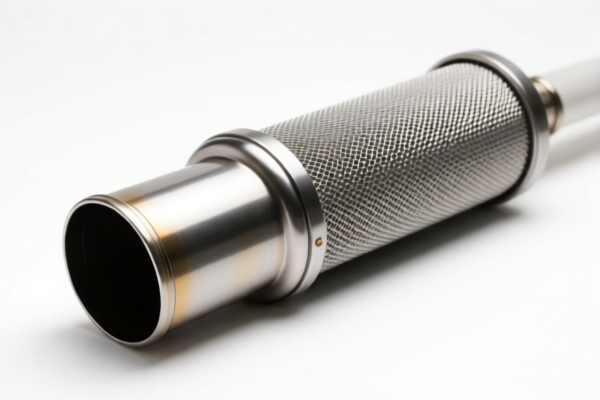
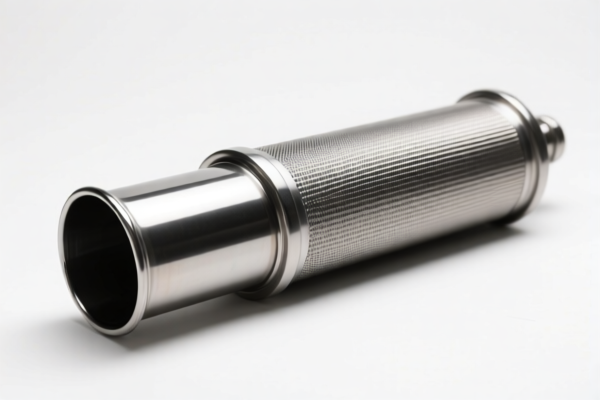
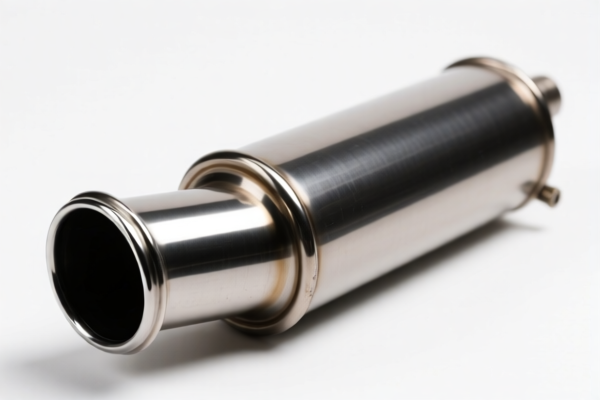
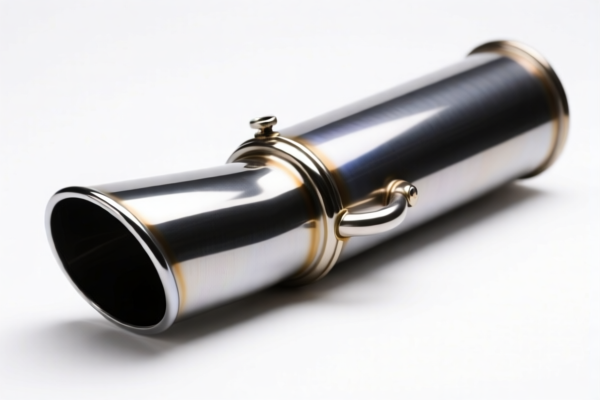
AI Analysis
🔇 Silencers / Mufflers (Automotive & Musical Instruments)
🌐 HS Code Reference & Customs Clearance Guide | 2024-2026 Latest Tariff Analysis | Professional Clearance Strategy
📌 I. Product Definition & Classification: Do You Really Know "Silencers"?
In international trade, the term "Silencer" is highly ambiguous. It generally refers to devices that reduce noise, but they fall into two completely different HS Code categories based on their application scenario:
1. Automotive Exhaust Silencers (消音器/排气管)
Used for vehicles (cars, trucks, motorcycles). These are considered parts of motor vehicles.
👉 Key Characteristic: Made of metal, designed to fit into vehicle exhaust systems.
2. Musical Instrument Mutes (乐器消音器)
Used for brass, woodwind, or string instruments to soften or change tone.
👉 Key Characteristic: Made of rubber, plastic, or metal, designed to attach to instrument bells or mouths.
⚠️ Critical Distinction Point:
- If it is for a vehicle → It is a Motor Vehicle Part → HS 8708
- If it is for an instrument → It is a Musical Instrument Accessory → HS 9209
📦 II. HS Code Classification Details (Based on Provided Data)
Based on the provided dataset, there are three specific HS Codes identified. We will analyze them in order of tax efficiency (Lowest to Highest) to help you optimize costs.
| HS Code | Product Description | Application Scenario | Total Tax Rate | Key Tax Components |
|---|---|---|---|---|
| 9209.92.20.00 | Musical Instrument Mutes | Matches "Mutes for instruments under Heading 9202" perfectly. | 13.9% | Base: 3.9% + 122-Clause: 10% |
| 9209.99.10.00 | Musical Instrument Mutes (General) | Matches "Mutes for instruments" generally. | 23.2% | Base: 5.7% + 25% (Section 301) + 122-Clause: 10% |
| 8708.92.50.00 | Vehicle Silencers/Mufflers | Exhaust silencers and pipes for vehicles. | 37.5% | Base: 2.5% + 25% (Section 301) + 122-Clause: 10% |
🔍 Key Insight:
- Musical instrument mutes are significantly cheaper to import than vehicle silencers. - Even within musical instruments, 9209.92.20.00 is the most tax-efficient if your product fits the specific definition of "mutes for Heading 9202 instruments."
💰 III. 2024-2026 Latest Tariff Rate Breakdown (Detailed Policy Analysis)
✅ Applicable Country: United States (US)
✅ Origin: China (CN)
✅ Policy Context: Includes Base Tariff, Section 301 Tariff (25%), and Section 122 Tariff (10%).
🎯 1. 9209.92.20.00 —— Musical Instrument Mutes (Most Cost-Effective)
| Item | Content |
|---|---|
| Base Tariff | 3.9% |
| Section 301 Tariff (25%) | 0.0% (Exempt or not applicable for this specific subheading) |
| Section 122 Tariff | +10% |
| Total Effective Rate | 13.9% |
| Tax Calculation | CIF Value × 13.9% |
| De Minimis Exemption | ⚠️ Check Specific Rules: Generally, Section 122 tariffs may affect de minimis thresholds, but the total rate is relatively low compared to others. |
| Legal Basis | HS 9209.92.20.00 |
📌 Explanation:
- This code is ideal for rubber/plastic mutes for trumpets, trombones, etc. - Crucial Advantage: It does NOT include the 25% Section 301 tariff, saving you significant cost compared to other musical accessory codes.
🎯 2. 9209.99.10.00 —— Other Musical Instrument Accessories/Mutes
| Item | Content |
|---|---|
| Base Tariff | 5.7% |
| Section 301 Tariff (25%) | +25.0% |
| Section 122 Tariff | +10% |
| Total Effective Rate | 23.2% |
| Tax Calculation | CIF Value × 23.2% |
| De Minimis Exemption | ❌ Likely Restricted: Higher tariff rates often trigger stricter scrutiny. |
| Legal Basis | HS 9209.99.10.00 |
📌 Explanation:
- Use this if the mute does not strictly fit "9202 instruments" but is still for musical use. - Cost Impact: The 25% Section 301 tariff applies here, making it 9.3% more expensive than9209.92.20.00.
🎯 3. 8708.92.50.00 —— Vehicle Silencers/Exhaust Pipes (Highest Cost)
| Item | Content |
|---|---|
| Base Tariff | 2.5% |
| Section 301 Tariff (25%) | +25.0% |
| Section 122 Tariff | +10% |
| Total Effective Rate | 37.5% |
| Tax Calculation | CIF Value × 37.5% |
| De Minimis Exemption | ❌ No De Minimis: Vehicle parts are high-risk goods. |
| Legal Basis | HS 8708.92.50.00 |
📌 Explanation:
- Applies to automotive exhaust silencers. - Highest Risk: Subject to all three tariffs. This is a high-cost category. Misclassification as a "musical mute" can lead to severe penalties.
🛠️ IV. Customs Clearance Practical Advice (Avoiding Pitfalls)
✅ 1. Documentation Checklist (Non-Negotiable)
| Document | Required? | Description |
|---|---|---|
| ✅ Product Name | ✔️ | Must be precise: "Automotive Muffler" vs. "Trumpet Mute". Do not use generic "Silencer". |
| ✅ Use Case Description | ✔️ | Explain what it silences. E.g., "Reduces engine noise for 2020 Toyota Camry" vs. "Softens tone for Brass Instruments". |
| ✅ Photos | ✔️ | Clear images showing attachment points. Exhaust pipes have flanges; mutes have slips rings or clamps. |
| ✅ Material Composition | ✔️ | Metal/Stainless Steel (Vehicle) vs. Rubber/Plastic/Metal (Musical). |
| ✅ Part Number | ✔️ | OEM part number helps verify vehicle fitment. |
✅ 2. Declaration Strategy (Key Tips)
🔥 "Be Specific, Be Accurate, Be Safe!"
| Scenario | Correct HS Code | Why? |
|---|---|---|
| Car Exhaust Muffler | 8708.92.50.00 |
It is a part of a motor vehicle (Ch 87). |
| Trumpet/Trombone Mute | 9209.92.20.00 |
It is an accessory for instruments (Ch 92). |
| Silent PC Case Fan? | ❌ Not Listed | Not in provided data. Likely 8543 or 8414. Do not misclassify! |
| Industrial Noise Barrier | ❌ Not Listed | Not in provided data. Likely 8414 or 7318. |
⚠️ Warning:
- Do not declare a vehicle muffler as a "musical mute" to save 23.6%. This is customs fraud.
- Do not declare a musical mute as a "vehicle part". This delays clearance and may incur unnecessary duties.
✅ 3. Special Handling for Section 122 Tariff
- The 10% Section 122 Tariff applies to both categories in the provided data.
- Action: Ensure your commercial invoice clearly states the Country of Origin to confirm applicability.
- Note: If you are shipping from a Third Country (e.g., Vietnam, Mexico), you may be eligible for tariff exemptions or lower rates. Always verify origin rules!
🌍 V. Global Market Comparison (2024-2026)
| Market | Recommended HS Code | Base Duty | Additional Tariffs | Total Estimate | Notes |
|---|---|---|---|---|---|
| 🇺🇸 USA (China Origin) | 8708.92.50.00 (Vehicle) |
2.5% | 25% (301) + 10% (122) | 37.5% | High cost. Strict scrutiny. |
| 🇺🇸 USA (China Origin) | 9209.92.20.00 (Music) |
3.9% | 10% (122) | 13.9% | Best Option for musical mutes. |
| 🇨🇳 China (Import) | Varies | Varies | None | Low | China imports vehicle parts at ~10-15%, musical instruments ~0-5%. |
| 🇪🇺 EU | 8708.92 (Vehicle) | 4.5% | None | 4.5% | No Section 301/122 equivalent. |
| 🇪🇺 EU | 9209.99 (Music) | 0% | None | 0% | Free trade for many musical accessories. |
📌 Conclusion:
- The US market is significantly more expensive due to Section 301 (25%) and Section 122 (10%) tariffs. - Musical instrument mutes enjoy a massive tax advantage (13.9% vs 37.5%) if correctly classified under9209.92.20.00.
📌 VI. Common Mistakes & Pitfalls (Learn from Others' Losses)
❌ Mistake 1: Calling all "silencers" "Mufflers"
👉 Result: Customs may treat them all as vehicle parts (37.5%) if the description is vague.
✅ Fix: Specify "Automotive Exhaust Silencer" vs. "Brass Instrument Mute".
❌ Mistake 2: Using HS 9209.99.10.00 for standard mutes
👉 Result: Paying 23.2% instead of 13.9%.
✅ Fix: Verify if the mute fits "Heading 9202 instruments". If yes, use 9209.92.20.00.
❌ Mistake 3: Ignoring the 122-Clause Tariff
👉 Result: Underestimating costs.
✅ Fix: Always add 10% to your landed cost calculation for China-origin goods to the US.
🎯 VII. Conclusion: Smart Classification, Lower Costs!
🎯 Remember the Key Takeaways:
🔹 Vehicle Silencers =
8708.92.50.00= 37.5% Tax (High Cost)
🔹 Musical Mutes =9209.92.20.00= 13.9% Tax (Low Cost)
🔹 Musical Mutes (General) =9209.99.10.00= 23.2% Tax (Medium Cost)🔹 "One word difference: 'Instrument' saves you 23.6%!"
🔹 "Always specify the end-use in your declaration."
📌 Pro Tip:
If you are exporting musical mutes, ensure your product catalog and invoices clearly state "For Musical Instruments". This supports the use of 9209.92.20.00 and avoids unnecessary disputes with customs brokers.
📣 Immediate Action:
📞 Consult a licensed customs broker for Advance Rulings if you are unsure.
🚀 Classify Correctly. Pay Less. Clear Faster.
✨ Professional Clearance Starts with Accurate Classification!
💼 Your Profit Margin Depends on Your HS Code Choice!
Customer Reviews
About HS Code Classification
The Harmonized System (HS) is an internationally standardized nomenclature developed by the World Customs Organization (WCO) to classify traded products. Over 200 countries use the HS system as the basis for customs tariffs, trade statistics, and import/export regulations.
Each HS code follows a hierarchical structure:
- Chapter (2 digits) — Broad category of goods (e.g., Chapter 84: Machinery and Mechanical Appliances)
- Heading (4 digits) — More specific grouping within the chapter
- Subheading (6 digits) — Internationally standardized breakdown, used by all WCO member countries
- National subdivisions (8-10 digits) — Country-specific extensions for further classification, such as US HTSUS 10-digit codes
Correct HS code classification is essential for smooth customs clearance, accurate duty payment, and compliance with trade regulations. Misclassification can lead to customs delays, overpayment of duties, or penalties.
When importing from CN to US, the applicable tariff rates may include:
- Most-Favored-Nation (MFN) rate — The standard duty rate applied to WTO members
- General rate — Applied to countries without trade agreements
- Trade remedy duties — Additional tariffs such as Section 301 (anti-dumping), Section 232 (national security), or countervailing duties
The information provided on this page is for reference purposes only. For official classification, please consult with your local customs authority or a licensed customs broker.