涤纶休闲背包
CN → US| HS Code | Tariff Rate | Origin | Destination | Doc |
|---|---|---|---|---|
| 4202923120 | 52.6% | CN | US | Official Doc |
| 4202923131 | 52.6% | CN | US | Official Doc |
| 3923290000 | 38.0% | CN | US | Official Doc |
| 6305330080 | 25.9% | CN | US | Official Doc |
| 4202923131 | 52.6% | CN | US | Official Doc |
Product Images
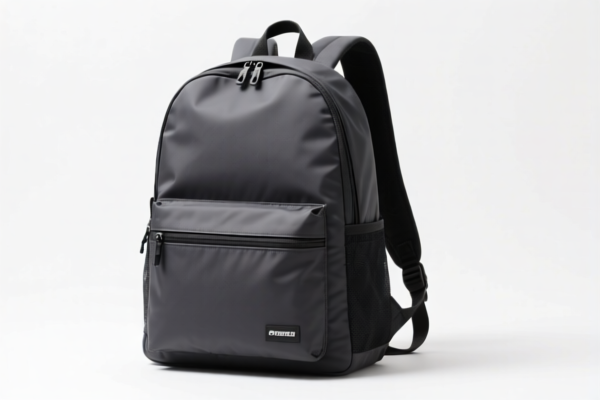
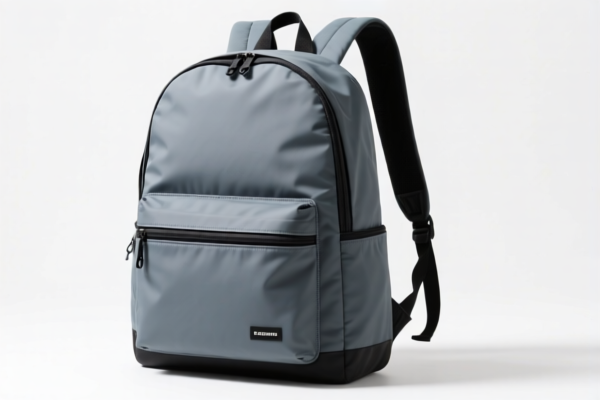
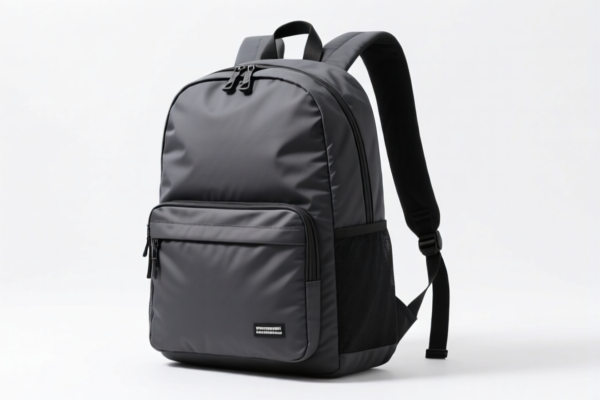
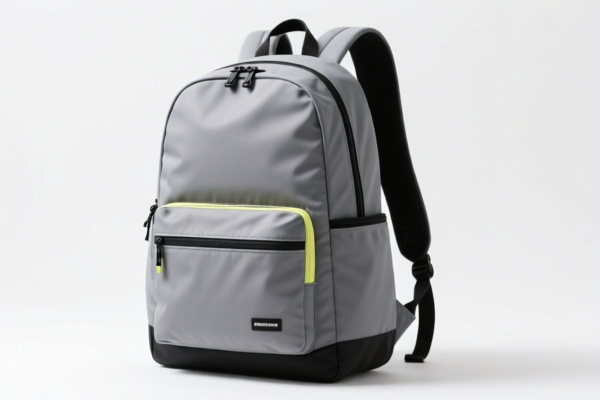
AI Analysis
🎒 Polyester Leisure Backpack (涤纶休闲背包)
🌐 HS Code Reference & Clearance Guide | 2026 Latest Tariff Analysis | Strategic Customs Clearance Strategy
📌 I. Product Definition & Classification: Is Your "Backpack" Really Just a Bag?
"Polyester Leisure Backpacks" are versatile carry-on items used for travel, daily commuting, sports, and general purposes. In international trade, the classification depends heavily on the material composition, structure, and intended use.
Key Distinction:
- Backpacks/Travel Bags: Designed to be carried on the body (straps over shoulders), used for personal items. → Generally Chapter 42
- Packaging Bags/Carrying Pouches: Used for protecting goods during transit or simple storage, not designed for ergonomic carrying. → Potentially Chapter 39 or 63
⚠️ Critical Classification Point:
- If it has shoulder straps, back padding, and an open main compartment for daily use → HS 4202
- If it is a simple drawstring bag or thin pouch primarily for packaging/goods protection → HS 3923 or 6305
📦 II. HS Code Classification Details (2026 Latest Tariff Authority Comparison)
Based on the provided data, here are the four possible HS Codes for Polyester Leisure Backpacks:
| HS Code | Product Description | Material | Intended Use | Total Tax Rate |
|---|---|---|---|---|
4202.92.31.20 |
Polyester Tear-Resistant Backpack | Synthetic Fibers (Polyester) | Backpack/Everyday Carry | 52.6% |
4202.92.31.31 |
Polyester Sports/Leisure Backpack | Artificial Fibers (Polyester) | Travel, Sports, Similar Bags | 52.6% |
3923.29.00.00 |
Polyester Carry Bag/Packaging | Plastic/Synthetic Fibers | Packaging/Carrying Supplies | 38.0% |
6305.33.00.80 |
Polyester Textile Bag | Artificial Textile Materials | Packaging/Carrying Sacks | 25.9% |
🔍 Key Insight:
- HS 4202 is the most standard classification for true backpacks. It carries the highest tariff (52.6%). - HS 3923 and 6305 offer lower tariffs but require the product to be classified as packaging or general textile sacks, not as a "backpack" designed for human carrying. Misclassification here carries high customs risk.
💰 III. 2026 Latest Tariff Rate Breakdown (Including Surcharges)
✅ Applicable Country: United States (US)
✅ Country of Origin: China (CN)
✅ Effective Date: 2025-11-10 onwards
🎯 1. 4202.92.31.20 & 4202.92.31.31 — True Backpacks (Chapter 42)
These two codes represent the most common classification for functional backpacks. They share the same tax structure.
| Item | Detail |
|---|---|
| Product Type | Backpacks, Satchels, Handbags, Travel Bags |
| Base Tariff | 17.6% |
| Section 301 Surcharge | +25.0% |
| IEEPA Surcharge (Section 122) | +10.0% |
| Total Effective Tax Rate | 52.6% |
| Tax Calculation | CIF Value × 52.6% |
| De Minimis Exemption | ❌ Not Eligible (Deny De Minimis) |
| Legal Basis Path | Base: 17.6% → 301: 25% → IEEPA: 10% |
📌 Explanation:
- 17.6% Base: Standard Most Favored Nation (MFN) rate for backpacks under Chapter 42. - 25% Section 301: Additional tariff imposed on Chinese goods under US Trade Act Section 301. - 10% IEEPA: Additional tariff under the International Emergency Economic Powers Act, specifically targeting certain Chinese imports. - Total 52.6%: This is a very high tariff. It significantly impacts profit margins.
🎯 2. 3923.29.00.00 — Plastic/Polymer Bags (Chapter 39)
| Item | Detail |
|---|---|
| Product Type | Articles for the conveyance or packaging of goods (e.g., sacks, bags) |
| Material | Plastic or Synthetic Fibers |
| Base Tariff | 3.0% |
| Section 301 Surcharge | +25.0% |
| IEEPA Surcharge (Section 122) | +10.0% |
| Total Effective Tax Rate | 38.0% |
| Tax Calculation | CIF Value × 38.0% |
| De Minimis Exemption | ❌ Not Eligible |
📌 Explanation:
- This code is for bags made of plastic or synthetic materials used for packaging.
- Risk: If the item is clearly a backpack (with straps, padding), customs may reject this classification and reclassify it to 4202, resulting in back taxes and penalties.
🎯 3. 6305.33.00.80 — Textile Sacks and Bags (Chapter 63)
| Item | Detail |
|---|---|
| Product Type | Sacks and bags, of synthetic fibers, for packaging |
| Material | Artificial Textile Materials |
| Base Tariff | 8.4% |
| Section 301 Surcharge | +7.5% |
| IEEPA Surcharge (Section 122) | +10.0% |
| Total Effective Tax Rate | 25.9% |
| Tax Calculation | CIF Value × 25.9% |
| De Minimis Exemption | ❌ Not Eligible |
📌 Explanation:
- This code applies to textile bags used for packaging (e.g., bulk bags, shopping bags, simple storage sacks).
- Note: The Section 301 surcharge here is only 7.5%, not 25%, which explains the lower total rate.
- Risk: Similar to HS 3923, if the product is a structured backpack, this classification is likely incorrect and risky.
🛠️ IV. Customs Clearance Practical Advice (Real-World Pitfall Avoidance)
✅ 1. Preparation Checklist (Essential Documents)
| Document | Required | Notes |
|---|---|---|
| ✅ Product Specifications | ✔️ | Detailed description: dimensions, material % (e.g., 100% Polyester), zipper type, strap material. |
| ✅ Product Photos | ✔️ | Front, back, side, interior, and close-up of labels/care instructions. Must show it is a backpack. |
| ✅ Commercial Invoice | ✔️ | Clearly state "Polyester Leisure Backpack" or "Backpack for Travel". Avoid vague terms like "Bag". |
| ✅ Packing List | ✔️ | Show quantity and weight. |
| ✅ Origin Certificate | ✔️ | Confirm China origin for accurate tariff calculation. |
✅ 2. Declaration Strategy (Key Mantras)
🔥 "Function Dictates Code: Backpack = 4202; Packaging = 3923/6305"
| Scenario | Recommended HS Code | Risk Level |
|---|---|---|
| True Backpack (Straps, padding, daily use) | 4202.92.31.31 or 4202.92.31.20 |
✅ Low (Correct) |
| Simple Drawstring Sack (No structure, for packaging) | 6305.33.00.80 |
✅ Low (If truly packaging) |
| Plastic Carrier Bag (Thin, for retail goods) | 3923.29.00.00 |
✅ Low (If truly packaging) |
| "Polyester Bag" with Backpack Features | ❌ Do Not Use 6305 or 3923 |
⚠️ High Risk (Misclassification) |
📌 Warning:
- Do not try to classify a backpack as6305or3923just to save 26.7% in taxes.
- Customs officers are trained to identify backpacks. If they find straps, buckles, and padding, they will reclassify to 4202 and charge 52.6% + penalties.
✅ 3. Special Cases
| Case | Handling Advice |
|---|---|
| OEM/Custom Backpacks | Provide design drawings and material breakdown. Ensure "Polyester" is the main material. |
| Hybrid Bags (e.g., Backpack with Plastic Coating) | If the exterior surface is plastic, consider 3923. If fabric, consider 4202. Test with samples. |
| Sample Shipments | Clearly mark "Not for Sale, Sample Only". Still subject to tariffs, but may reduce scrutiny if value is low. |
🌍 V. Global Market Clearance Comparison (2026 Latest)
| Country/Region | Recommended HS Code | Tariff (China Origin) | Certification | Notes |
|---|---|---|---|---|
| 🇺🇸 USA | 4202.92.31.31 |
52.6% | No specific | High tariff due to Section 301 + IEEPA. |
| 🇨🇳 China | 4202.92.31.31 |
~10-13% | N/A | Lower tax burden domestically. |
| 🇪🇺 EU | 4202.92.90 |
12% | CE (if electronics) | Standard MFN rate. |
| 🇬🇧 UK | 4202.92.90 |
12% | UKCA | Post-Brexit, similar to EU. |
| 🇦🇺 Australia | 4202.92.90 |
5% | N/A | Lower tariffs. |
📌 Conclusion:
- The USA is the most challenging market due to 52.6% effective tariff.
- Consider supply chain diversification (e.g., sourcing from Vietnam, Cambodia, or India) if targeting the US market, as these countries may be exempt from Section 301 and IEEPA surcharges.
📌 VI. Common Mistakes & Pitfalls (Blood & Tears Lessons)
❌ Mistake 1: Classifying a backpack as 6305.33.00.80 to save taxes.
👉 Consequence: Customs reclassification to 4202. Pay 52.6% instead of 25.9%, plus penalties.
❌ Mistake 2: Vague description: "Polyester Bag".
👉 Consequence: Customs asks for detailed info, delays clearance. If they decide it's a backpack, they apply 4202.
❌ Mistake 3: Ignoring IEEPA 10% Surcharge.
👉 Consequence: Underestimating landed cost by 10%. Budgeting failure.
✅ Correct Approach:
"Polyester Travel Backpack, 20L, with Shoulder Straps, Water-Resistant, Model XYZ, Made in China"
🎯 VII. Conclusion: Smart Classification, Cost Control!
🎯 Remember the Mantra:
🔹 "Backpacks go to 4202, Packings go to 3923/6305."
🔹 "USA Tariff is 52.6%, Don't Guess, Verify!"
🔹 "Save 27%? Maybe. Lose 100%? Risk."
📌 Pro Tip:
If your volume is high, consider Advance Rulings from US Customs and Border Protection (CBP). Get a binding ruling on your specific backpack design to ensure it is classified under 4202 and not questioned later.
📣 Immediate Action:
📞 Contact a Licensed Customs Broker
📄 Submit Product Photos & Specs for Pre-Classification
🚀 Calculate Landed Cost with 52.6% Tariff to Ensure Profitability
✨ Professional Customs Clearance Starts with Accurate Classification!
💼 Your Every Dollar Counts!
Customer Reviews
About HS Code Classification
The Harmonized System (HS) is an internationally standardized nomenclature developed by the World Customs Organization (WCO) to classify traded products. Over 200 countries use the HS system as the basis for customs tariffs, trade statistics, and import/export regulations.
Each HS code follows a hierarchical structure:
- Chapter (2 digits) — Broad category of goods (e.g., Chapter 84: Machinery and Mechanical Appliances)
- Heading (4 digits) — More specific grouping within the chapter
- Subheading (6 digits) — Internationally standardized breakdown, used by all WCO member countries
- National subdivisions (8-10 digits) — Country-specific extensions for further classification, such as US HTSUS 10-digit codes
Correct HS code classification is essential for smooth customs clearance, accurate duty payment, and compliance with trade regulations. Misclassification can lead to customs delays, overpayment of duties, or penalties.
When importing from CN to US, the applicable tariff rates may include:
- Most-Favored-Nation (MFN) rate — The standard duty rate applied to WTO members
- General rate — Applied to countries without trade agreements
- Trade remedy duties — Additional tariffs such as Section 301 (anti-dumping), Section 232 (national security), or countervailing duties
The information provided on this page is for reference purposes only. For official classification, please consult with your local customs authority or a licensed customs broker.