涤纶旅行包
CN → US| HS Code | Tariff Rate | Origin | Destination | Doc |
|---|---|---|---|---|
| 4202923131 | 52.6% | CN | US | Official Doc |
| 3923290000 | 38.0% | CN | US | Official Doc |
| 6305330080 | 25.9% | CN | US | Official Doc |
| 4202923120 | 52.6% | CN | US | Official Doc |
| 6305390000 | 25.9% | CN | US | Official Doc |
Product Images
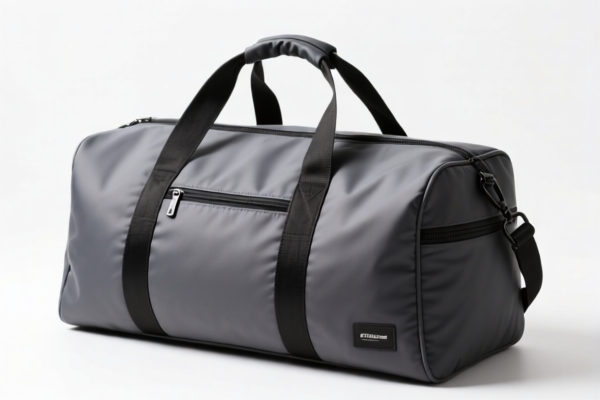
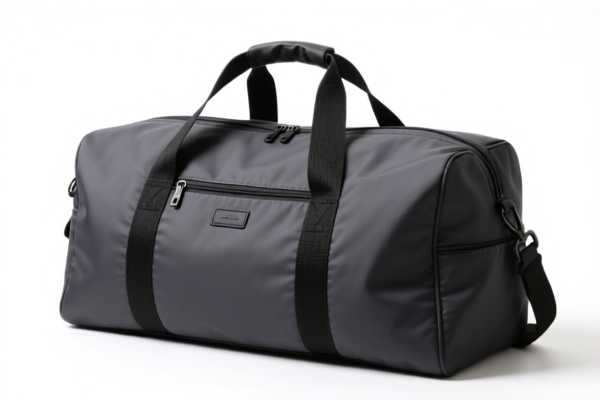
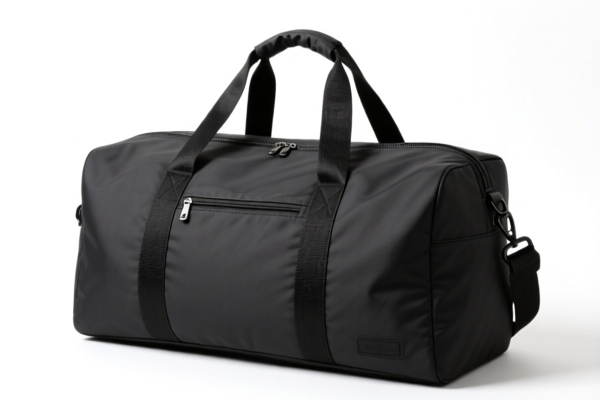
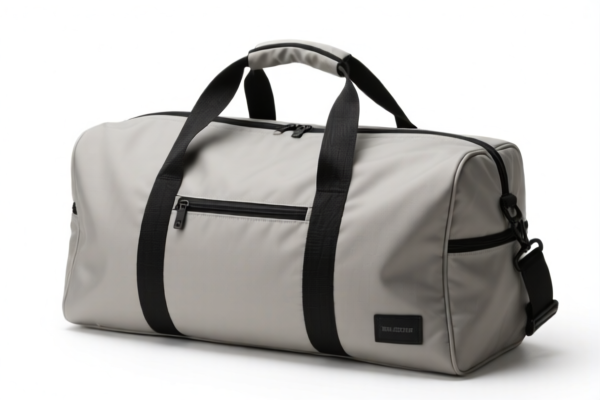
AI Analysis
👜 Nylon Travel Bags (Polyester Travel Bags)
🌐 HS Code Reference & Customs Clearance Guide | 2026 Latest Tariff Analysis | Professional Entry Strategy
📌 I. Product Definition & Classification: What Exactly is a "Nylon/Polyester Travel Bag"?
A "Nylon Travel Bag" (often referred to generically as Polyester or Synthetic Fiber Bags in customs data) is a versatile carrying case primarily used for travel, sports, or general storage. In international trade, the classification hinges strictly on two factors:
1. Material Composition: Is it made of woven fabric (textile) or molded plastic/synthetic resin?
2. Function/Usage: Is it designed specifically for personal travel/luggage, or is it used as a packaging/conveyance bag?
⚠️ Key Classification Distinction:
- If it is a complete bag with handles/straps, zippers, and a defined shape for carrying personal items → It falls under Heading 4202 (Luggage/Handbags).
- If it is a simple sack, pillowcase, or bulk packaging bag without rigid structure → It may fall under Heading 6305 (Sacks/Packaging).
- If the main body is primarily plastic sheeting (non-woven or flexible film) → It may fall under Heading 3923 (Articles of Plastic).
📦 II. HS Code Classification Details (2026 Latest Tariff Authority Comparison)
Based on the provided data, here are the specific HS Codes for "Nylon/Polyester Travel Bags" and their corresponding tax implications.
| HS Code | Product Description | Key Material | Primary Usage | Total Tax Rate* |
|---|---|---|---|---|
4202.92.31.31 |
Polyester Travel Bag | Artificial Fiber | Luggage/Travel Bags | 52.6% |
4202.92.31.20 |
Polyester Travel Bag | Synthetic Fiber | Luggage/Travel Bags | 52.6% |
3923.29.00.00 |
Polyester Travel Bag | Plastic/Synthetic Fiber | Packaging/Carrying Supplies | 38.0% |
6305.33.00.80 |
Polyester Travel Bag | Artificial Textile Material | Packaging/Carrying Sacks | 25.9% |
6305.39.00.00 |
Polyester Travel Bag | Artificial Textile Material | General Bags | 25.9% |
🔍 Important Note:
- HS 4202 Codes: Apply to structured bags designed for personal use (travel, school, gym). They have the highest tax burden due to strict "Luggage" classification.
- HS 3923 Code: Applies if the bag is primarily plastic-based or used as a flexible container/package.
- HS 6305 Codes: Apply if the bag is treated as a textile sack or simple carrying bag not meeting the "Luggage" criteria of Heading 4202. These have the lowest tax burden.
💰 III. 2026 Latest Tariff Rate Breakdown (Including Surcharges & Policy Add-ons)
✅ Applicable Country: USA (US)
✅ Origin: China (CN)
✅ Effective Date: 2025/2026 (Subject to current Section 301 & IEEPA enforcement)
🎯 1. 4202.92.31.31 & 4202.92.31.20 — Polyester Travel Bags (Luggage Class)
| Item | Detail |
|---|---|
| Base Duty Rate | 17.6% (Ad valorem) |
| Section 301 Surcharge | +25.0% (Additional tariff on Chinese imports) |
| IEEPA Section 122 Surcharge | +10.0% (Specific levy on certain Chinese goods) |
| Total Tax Rate | 52.6% |
| Tax Calculation | CIF Value × 52.6% |
| De Minimis Exemption? | ❌ NO (High risk of rejection/audit) |
| Legal Basis Path | USITC:4202.92.31 → FOOTNOTE:301-4202 → IEEPA:122-Section |
📌 Explanation:
- These bags are classified as "Luggage" under Chapter 42.
- They attract the highest combined tariff (52.6%) because they are considered consumer goods with higher margins and are heavily targeted by trade remedies.
- The 25% is from the Section 301 List 4B; the 10% is an additional specific clause (often referenced as "122 clause" in internal trade data).
🎯 2. 3923.29.00.00 — Polyester Travel Bags (Plastic/Packaging Class)
| Item | Detail |
|---|---|
| Base Duty Rate | 3.0% (Ad valorem) |
| Section 301 Surcharge | +25.0% |
| IEEPA Section 122 Surcharge | +10.0% |
| Total Tax Rate | 38.0% |
| Tax Calculation | CIF Value × 38.0% |
| De Minimis Exemption? | ❌ NO |
| Legal Basis Path | USITC:3923.29 → FOOTNOTE:301-3900 → IEEPA:122-Section |
📌 Explanation:
- This classification assumes the bag is primarily made of plastic or synthetic sheeting, acting as a "container" rather than structured luggage.
- The base duty is much lower (3%), resulting in a total of 38.0%.
- Risk: If customs determines the bag has handles, zippers, and padding (luggage features), they may reclassify it to 4202, leading to back-taxes and penalties.
🎯 3. 6305.33.00.80 & 6305.39.00.00 — Polyester Travel Bags (Textile Sacks/Packaging)
| Item | Detail |
|---|---|
| Base Duty Rate | 8.4% (Ad valorem) |
| Section 301 Surcharge | +7.5% (Reduced rate for certain textile articles) |
| IEEPA Section 122 Surcharge | +10.0% |
| Total Tax Rate | 25.9% |
| Tax Calculation | CIF Value × 25.9% |
| De Minimis Exemption? | ❌ NO (Typically) |
| Legal Basis Path | USITC:6305.33/39 → FOOTNOTE:301-6300 → IEEPA:122-Section |
📌 Explanation:
- These codes apply to bags made of artificial textile materials used for packaging, carrying sacks, or bulk storage.
- The lowest total tax rate (25.9%) among the options.
- Condition: The bag must not resemble a standard travel suitcase or backpack. It should look like a duffel bag used for storage, a laundry bag, or a simple sack. If it has rigid structure or luxury features, this classification is risky.
🛠️ IV. Customs Clearance Practical Advice (Pitfall Avoidance Guide)
✅ 1. Preparation Checklist (Must-Haves)
| Document | Required? | Notes |
|---|---|---|
| ✅ Product Specification Sheet | ✔️ | Must detail material composition (e.g., "100% Polyester Woven Fabric" vs. "Plastic Sheet"). |
| ✅ Product Photos | ✔️ | Show handles, zippers, interior lining, and labels. Crucial for distinguishing "Luggage" (4202) from "Packaging" (6305). |
| ✅ Commercial Invoice | ✔️ | Clear description: "Polyester Travel Bag, Model ABC, For Travel Use." |
| ✅ Packing List | ✔️ | Include weight and dimensions. |
| ✅ Origin Certificate | ✔️ | If applicable, to verify Country of Origin (China). |
✅ 2. Declaration Strategy (Key Tips)
🔥 "Material Defines Code, Usage Defines Rate"
| Scenario | Recommended HS Code | Why? |
|---|---|---|
| Structured Backpack/Carry-on | 4202.92.31.31 or .20 |
It is clearly "Luggage." Do not try to downcode to 6305; customs will reject it. |
| Simple Duffel/Storage Bag | 6305.33.00.80 or .39 |
If it lacks rigid structure and is used for general carrying/storage, aim for lower tax (25.9%). |
| Plastic Grocery/Shipping Bag | 3923.29.00.00 |
Only if made primarily of plastic film/sheeting. |
| High-End Leather/Poly Blend | 4202.92.31.31 |
Premium materials push it firmly into Chapter 42. |
⚠️ Critical Warning:
- Do NOT declare a structured travel bag as "Packaging Bag" (6305) to save tax. Customs exams often focus on handles, straps, and interior organization. If these exist, it is Luggage (4202).
- Misclassification can lead to 200%+ penalties and shipment delays.
✅ 3. Special Considerations
| Situation | Advice |
|---|---|
| OEM Private Label | Ensure the brand and style do not imply "Luxury Luggage" if aiming for 6305. Keep design simple. |
| Mixed Shipments | If shipping both luggage and packaging bags, separate them in the invoice. Do not mix. |
| Section 122 Clause | The additional 10% tariff is specific. Ensure your supplier declares the correct product type to avoid unexpected surcharges. |
🌍 V. Global Market Comparison (2026)
| Market | Recommended HS | Est. Total Duty | Notes |
|---|---|---|---|
| 🇺🇸 USA | 4202.92.31.31 |
52.6% | Highest cost due to Section 301 + IEEPA. |
| 🇺🇸 USA | 6305.33.00.80 |
25.9% | Only if correctly classified as non-luggage textile sack. |
| 🇨🇳 China | 4202.92.31.31 |
~10-15% | Import duty only, no Section 301. |
| 🇪🇺 EU | 4202.92.30 |
~4.0% | No additional Trump-era surcharges. |
| 🇬🇧 UK | 4202.92.30 |
~4.0% | Similar to EU post-Brexit. |
📌 Conclusion:
- For US imports, the choice between HS 4202 and HS 6305 is a 26.7% tax difference ($52.6\% - 25.9\%$).
- This is a massive cost impact. However, compliance is key. Only use HS 6305 if the product genuinely fits the definition of a "sack/packaging bag."
📌 VI. Common Mistakes & Pitfalls (Lessons Learned)
❌ Mistake 1: Using "Travel Bag" in the description but declaring under 6305.
👉 Result: Customs flags the discrepancy between name and code. Inspection reveals structured handles → Rejected/Back-taxed.
❌ Mistake 2: Ignoring the "122 Clause" (10% surcharge).
👉 Result: Unexpected bill at customs. The 10% is non-negotiable for Chinese-origin goods in many categories.
❌ Mistake 3: Assuming all polyester bags are the same.
👉 Result: A "plastic-coated" bag might go to 3923 (38%), while a "woven fabric" bag goes to 4202 (52.6%). Material detail matters!
✅ Correct Approach:
"Polyester Woven Duffel Bag, with Adjustable Shoulder Strap, Zipper Closure, Model XYZ, For Travel and Storage Use"
→ Then decide based on structure:
- Structured/Luxury →4202.92.31.31(Accept 52.6% cost or optimize design)
- Simple/Utility →6305.33.00.80(Aim for 25.9% if design permits)
🎯 VII. Conclusion: Professional Declaration Saves Money!
🎯 Key Takeaway:
🔹 Luggage = 52.6% (High cost, high compliance)
🔹 Packaging/Sack = 25.9% (Lower cost, strict definition)
🔹 Plastic Container = 38.0% (Middle ground)
📌 Action Plan:
1. Audit Product Design: Does it look like a suitcase/backpack (Luggage) or a sack/bag (Packaging)?
2. Select Correct HS Code: Do not arbitrarily choose the lowest code.
3. Prepare Evidence: Have photos and specs ready to justify the classification.
4. Consult a Broker: For high-volume shipments, apply for a Binding Ruling from US Customs to confirm your HS Code.
📣 Immediate Action:
📞 Contact your customs broker with product images.
📦 Verify if your bag can be designed to meet "Textile Sack" criteria to save 26.7% in tariffs.
🚀 Smart Classification = Higher Profit Margins!
✨ Professional Customs Clearance Starts with Accurate HS Codes!
💼 Every Percentage Point of Tariff is Money Saved!
Customer Reviews
About HS Code Classification
The Harmonized System (HS) is an internationally standardized nomenclature developed by the World Customs Organization (WCO) to classify traded products. Over 200 countries use the HS system as the basis for customs tariffs, trade statistics, and import/export regulations.
Each HS code follows a hierarchical structure:
- Chapter (2 digits) — Broad category of goods (e.g., Chapter 84: Machinery and Mechanical Appliances)
- Heading (4 digits) — More specific grouping within the chapter
- Subheading (6 digits) — Internationally standardized breakdown, used by all WCO member countries
- National subdivisions (8-10 digits) — Country-specific extensions for further classification, such as US HTSUS 10-digit codes
Correct HS code classification is essential for smooth customs clearance, accurate duty payment, and compliance with trade regulations. Misclassification can lead to customs delays, overpayment of duties, or penalties.
When importing from CN to US, the applicable tariff rates may include:
- Most-Favored-Nation (MFN) rate — The standard duty rate applied to WTO members
- General rate — Applied to countries without trade agreements
- Trade remedy duties — Additional tariffs such as Section 301 (anti-dumping), Section 232 (national security), or countervailing duties
The information provided on this page is for reference purposes only. For official classification, please consult with your local customs authority or a licensed customs broker.