混纺丝绸女装连衣裙
CN → US| HS Code | Tariff Rate | Origin | Destination | Doc |
|---|---|---|---|---|
| 6204491000 | 24.4% | CN | US | Official Doc |
| 6104491000 | 18.4% | CN | US | Official Doc |
| 6104499060 | 23.1% | CN | US | Official Doc |
| 6204432000 | 24.6% | CN | US | Official Doc |
| 6204411000 | 24.7% | CN | US | Official Doc |
Product Images
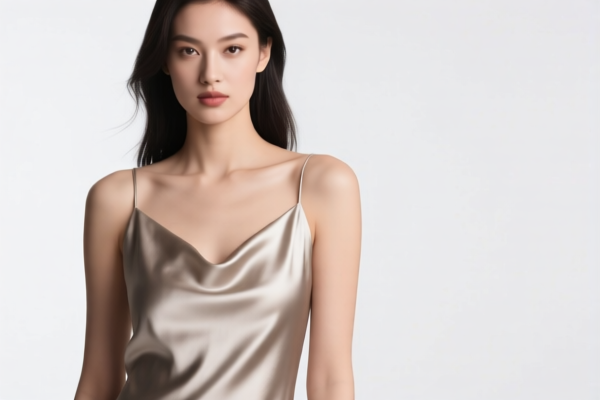

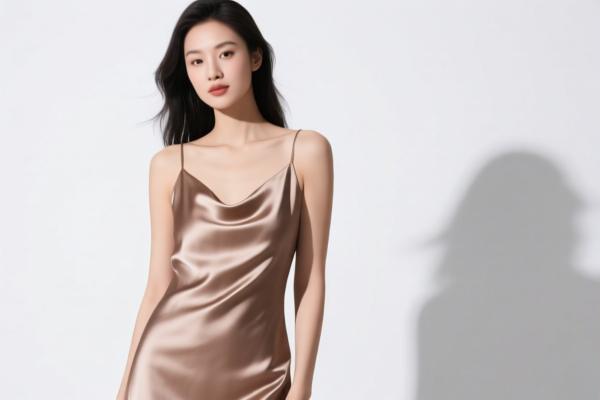

AI Analysis
👗 Silk-Blend Women's Dress (Woven & Knitted Variants)
🌐 HS Code Reference & Customs Clearance Guide | 2026 Latest Tariff Analysis | Professional Strategy
📌 I. Product Definition & Classification: Do You Really Understand "Silk-Blend Dress"?
A "Silk-Blend Women's Dress" is not a single uniform category. In international trade, its classification depends critically on two factors:
1. Manufacturing Method: Is it Woven (Chapter 62) or Knitted/Crocheted (Chapter 61)?
2. Silk Content & Fiber Composition: Does it contain ≥30% silk? Is the main component synthetic or other textile materials?
⚠️ Key Distinction:
- If the dress is knitted and contains silk blends →归入 Chapter 61
- If the dress is woven and contains silk blends → 归入 Chapter 62
- Misclassification between Woven (62) and Knitted (61) is the most common error, leading to significant tax differences.
📦 II. HS Code Classification Details (2026 Latest Tariff Authority Comparison)
Based on the provided data, here are the specific HS Codes, summaries, and tax breakdowns for "Silk-Blend Women's Dresses":
| HS Code | Summary (Description) | Total Tax Rate | Tax Detail Breakdown |
|---|---|---|---|
6204.49.10.00 |
Woven silk-blend women's dress; Form: Dress; Material: Other textile materials | 24.4% | Base: 6.9% Section 301: 7.5% Section 122: 10% |
6104.49.10.00 |
Knitted silk-blend women's dress; Form & Use consistent; Material: Silk category | 18.4% | Base: 0.9% Section 301: 7.5% Section 122: 10% |
6104.49.90.60 |
Knitted silk-blend women's dress; Form: Dress; Material: Other textile materials | 23.1% | Base: 5.6% Section 301: 7.5% Section 122: 10% |
6204.43.20.00 |
Woven silk-blend women's dress; Material contains silk & main component is synthetic fiber | 24.6% | Base: 7.1% Section 301: 7.5% Section 122: 10% |
6204.41.10.00 |
Silk dress; Material contains ≥30% silk; Form: Dress | 24.7% | Base: 7.2% Section 301: 7.5% Section 122: 10% |
🔍 Key Insights:
- Lowest Tax Option:6104.49.10.00(18.4%) applies to knitted dresses with specific silk category materials.
- Highest Tax Option:6204.41.10.00(24.7%) applies to woven dresses with ≥30% silk content.
- Section 122 & 301: All listed codes incur an additional 17.5% in additional duties (7.5% + 10%), significantly increasing the total burden.
💰 III. 2026 Latest Tariff Rate Details (Including Additional Taxes & Policy Add-ons)
✅ Applicable Country: United States (US)
✅ Origin: China (CN)
✅ Effective Time: From November 10, 2025 (including subsequent imports)
🎯 1. 6204.49.10.00 —— Woven Silk-Blend Dress (Other Textile Materials)
| Item | Content |
|---|---|
| Base Tariff | 6.9% (ad valorem) |
| Section 301 Tariff | +7.5% |
| Section 122 Tariff | +10% |
| Total Tariff Rate | 24.4% |
| Tax Calculation | CIF Value × 24.4% |
| De Minimis Eligibility | ❌ Not Eligible (Section 301 & 122 duties typically negate de minimis exemptions for Chinese goods) |
| Legal Basis Path | USITC:6204.49.10.00 → FOOTNOTE:Section 301 (7.5%) → FOOTNOTE:Section 122 (10%) |
📌 Explanation:
- This code applies to woven dresses where silk is blended with other textiles that do not fall into the primary silk categories.
- The 24.4% total rate is high due to the叠加 (stacking) of base duties and punitive tariffs.
🎯 2. 6104.49.10.00 —— Knitted Silk-Blend Dress (Silk Category)
| Item | Content |
|---|---|
| Base Tariff | 0.9% |
| Section 301 Tariff | +7.5% |
| Section 122 Tariff | +10% |
| Total Tariff Rate | 18.4% |
| Tax Calculation | CIF Value × 18.4% |
| De Minimis Eligibility | ❌ Not Eligible |
| Legal Basis Path | USITC:6104.49.10.00 → FOOTNOTE:Section 301 (7.5%) → FOOTNOTE:Section 122 (10%) |
📌 Note:
- This is the most tax-efficient option among the listed codes.
- Applies specifically to knitted dresses where the material is classified under the "Silk category."
- Low base duty (0.9%) makes it attractive if product design allows for knitted construction.
🎯 3. 6104.49.90.60 —— Knitted Silk-Blend Dress (Other Textile Materials)
| Item | Content |
|---|---|
| Base Tariff | 5.6% |
| Section 301 Tariff | +7.5% |
| Section 122 Tariff | +10% |
| Total Tariff Rate | 23.1% |
| Tax Calculation | CIF Value × 23.1% |
| De Minimis Eligibility | ❌ Not Eligible |
📌 Note:
- Higher base duty (5.6%) than6104.49.10.00because it falls under "Other textile materials" rather than the preferred "Silk category."
🎯 4. 6204.43.20.00 —— Woven Silk-Blend Dress (Main Component Synthetic)
| Item | Content |
|---|---|
| Base Tariff | 7.1% |
| Section 301 Tariff | +7.5% |
| Section 122 Tariff | +10% |
| Total Tariff Rate | 24.6% |
| Tax Calculation | CIF Value × 24.6% |
| De Minimis Eligibility | ❌ Not Eligible |
📌 Note:
- Applies to woven dresses where silk is present but synthetic fibers are the main component.
- High base duty reflects the synthetic content.
🎯 5. 6204.41.10.00 —— Silk Dress (≥30% Silk Content)
| Item | Content |
|---|---|
| Base Tariff | 7.2% |
| Section 301 Tariff | +7.5% |
| Section 122 Tariff | +10% |
| Total Tariff Rate | 24.7% |
| Tax Calculation | CIF Value × 24.7% |
| De Minimis Eligibility | ❌ Not Eligible |
📌 Note:
- This is the highest tax rate (24.7%) among the options.
- Applies to woven dresses with ≥30% silk.
- Pure silk or high-silk-content woven garments face the highest base duties.
🛠️ IV. Customs Clearance Practical Advice (Combat Pitfalls Guide)
✅ 1. Documentation Checklist (All are Mandatory)
| Document | Required | Description |
|---|---|---|
| ✅ Product Specification Sheet | ✔️ | Must include: Woven/Knitted status, % Silk, % Other Fibers, Garment Type |
| ✅ Fabric Composition Test Report | ✔️ | Third-party lab report confirming fiber percentages (Critical for HS Code determination) |
| ✅ Product Photos (Front/Back/Label) | ✔️ | Show seams, tags, and construction to prove Woven vs. Knitted |
| ✅ Commercial Invoice | ✔️ | Clearly state "Women's Dress, Silk-Blend, Woven/Knitted" |
| ✅ Packing List | ✔️ | Detail quantity, weight, and dimensions |
| ✅ Country of Origin Certificate | ✔️ | Proof of China origin (triggers Section 301/122) |
✅ 2. Declaration Tips (Key Mantras)
🔥 "Woven vs. Knitted is Key, Silk % Defines the Code, 301 & 122 Cannot be Avoided!"
| Scenario | Correct Declaration | Wrong Practice |
|---|---|---|
| Knitted Dress, Silk Category | 6104.49.10.00 (18.4%) |
Misclassifying as Woven → 24%+ |
| Woven Dress, <30% Silk, Other Materials | 6204.49.10.00 (24.4%) |
Claiming ≥30% Silk → 24.7% |
| Woven Dress, Main Component Synthetic | 6204.43.20.00 (24.6%) |
Using Silk Code → Incorrect |
| Woven Dress, ≥30% Silk | 6204.41.10.00 (24.7%) |
Using Lower Base Duty Code → Risk of Audit |
✅ 3. Special Situations
| Situation | Handling Advice |
|---|---|
| Blended Fabrics | If silk content is exactly 30%, it triggers 6204.41.10.00. Slight reduction below 30% may allow use of 6204.49.10.00 (24.4%), saving 0.3%. |
| Knitted vs. Woven | If the garment can be made either way, choosing Knitted (6104.49.10.00) saves 6.3% in total tax compared to the highest woven option. |
| Section 122 & 301 | These are non-negotiable for Chinese-origin goods. No exemption applies unless country of origin is changed (e.g., Vietnam, Mexico). |
| De Minimis (8042) | ❌ Do not rely on de minimis for these codes. Section 301 and 122 duties apply even to small shipments from China. |
🌍 V. Global Market Comparison (2026 Latest)
| Country/Region | Recommended HS Code | Total Tariff (China Origin) | Notes |
|---|---|---|---|
| 🇺🇸 USA | 6104.49.10.00 (Best) |
18.4% (Lowest) | All codes include +17.5% additional duties. |
| 🇺🇸 USA | 6204.41.10.00 (Worst) |
24.7% | Highest burden for high-silk woven dresses. |
| 🇨🇳 China | 6104.49.10.00 |
Low (~9.5%) | No Section 301/122. |
| 🇪🇺 EU | 6104.43.00 / 6204.43 |
~12% | No additional punitive tariffs. |
| 🇬🇧 UK | Similar to EU | ~12% | Post-Brexit tariffs apply. |
📌 Conclusion:
- The USA is the most expensive market due to Section 301 (7.5%) and Section 122 (10%) duties.
- Knitted dresses (6104) generally have lower base duties than Woven dresses (6204).
- Strategic Recommendation: If product design allows, consider Knitted Silk-Blend (6104.49.10.00) to minimize tax to 18.4%.
📌 VI. Common Errors & Pitfalls Guide (Lessons Learned)
❌ Error 1: Misidentifying Woven vs. Knitted
👉 Consequence: Wrong HS Code → Potential penalty, delay, or overpayment/underpayment.
✅ Fix: Always include fabric construction method in specs.
❌ Error 2: Ignoring Section 122 & 301
👉 Consequence: Assuming base duty only → Severe underpayment.
✅ Fix: Always add 17.5% (7.5% + 10%) to base duty for Chinese-origin goods.
❌ Error 3: Incorrect Silk Percentage Declaration
👉 Consequence: If actual silk is ≥30% but declared <30%, customs will reclassify to 6204.41.10.00 (24.7%) and assess back taxes.
✅ Fix: Provide accurate lab test reports.
🎯 VII. Conclusion: Precision Classification Saves Money!
🎯 Remember the Mantras:
🔹 "Knitted is Cheaper than Woven; Silk Category is Cheaper than Other."
🔹 "18.4% is the Target; 24.7% is the Pain Point."
🔹 "No De Minimis for China! Plan accordingly!"
📌 Pro Tip:
If your dress is originating from Vietnam, Mexico, or other non-China countries, you may avoid Section 301 and 122 duties, potentially reducing tariffs to 0-7%.
Consider supply chain diversification if volume is high.
📣 Immediate Action:
📞 Consult a licensed customs broker + Provide Fiber Composition Test + Apply for Advance Ruling if possible.
🚀 Clear Customs Smoothly, Maximize Profit!
✨ Professional Customs Clearance Starts with Accurate Classification!
💼 Every Percent of Tax Matters!
Customer Reviews
About HS Code Classification
The Harmonized System (HS) is an internationally standardized nomenclature developed by the World Customs Organization (WCO) to classify traded products. Over 200 countries use the HS system as the basis for customs tariffs, trade statistics, and import/export regulations.
Each HS code follows a hierarchical structure:
- Chapter (2 digits) — Broad category of goods (e.g., Chapter 84: Machinery and Mechanical Appliances)
- Heading (4 digits) — More specific grouping within the chapter
- Subheading (6 digits) — Internationally standardized breakdown, used by all WCO member countries
- National subdivisions (8-10 digits) — Country-specific extensions for further classification, such as US HTSUS 10-digit codes
Correct HS code classification is essential for smooth customs clearance, accurate duty payment, and compliance with trade regulations. Misclassification can lead to customs delays, overpayment of duties, or penalties.
When importing from CN to US, the applicable tariff rates may include:
- Most-Favored-Nation (MFN) rate — The standard duty rate applied to WTO members
- General rate — Applied to countries without trade agreements
- Trade remedy duties — Additional tariffs such as Section 301 (anti-dumping), Section 232 (national security), or countervailing duties
The information provided on this page is for reference purposes only. For official classification, please consult with your local customs authority or a licensed customs broker.