渔具挎包摄影包
CN → US| HS Code | Tariff Rate | Origin | Destination | Doc |
|---|---|---|---|---|
| 6305390000 | 25.9% | CN | US | Official Doc |
| 6305900000 | 23.7% | CN | US | Official Doc |
| 3923900080 | 38.0% | CN | US | Official Doc |
| 3923109000 | 38.0% | CN | US | Official Doc |
| 4202923131 | 52.6% | CN | US | Official Doc |
| 4202923900 | 52.6% | CN | US | Official Doc |
Product Images
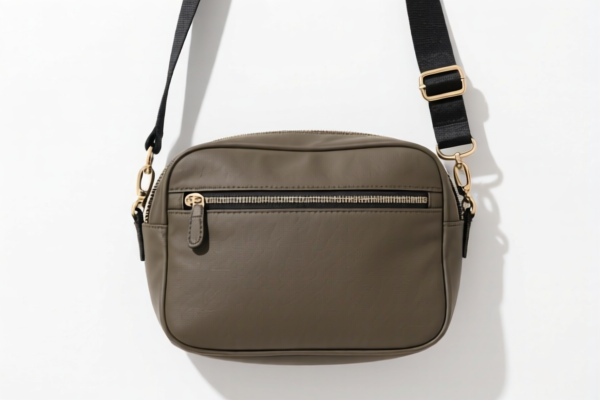
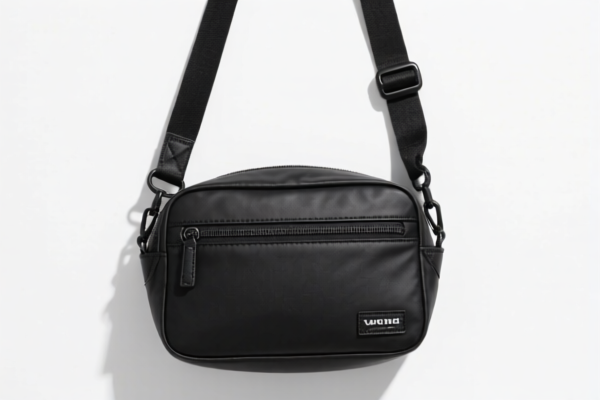
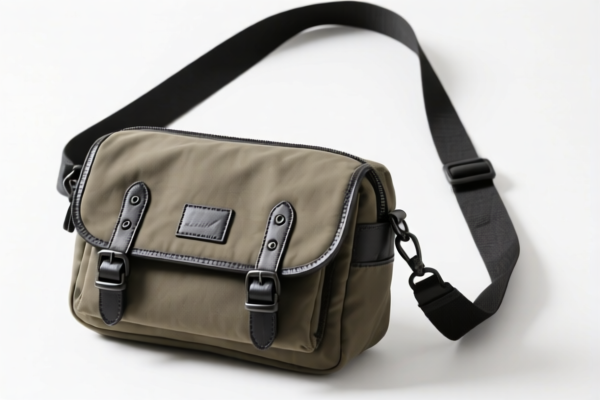
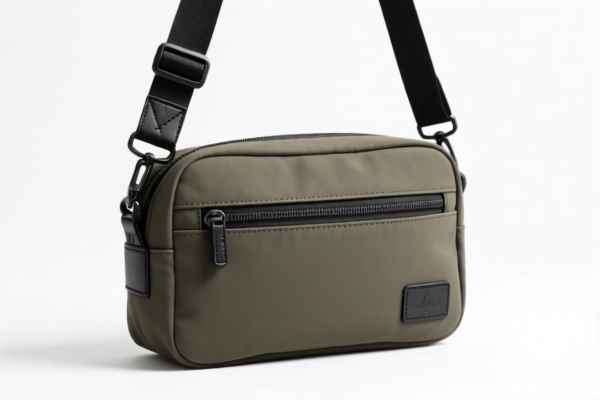
AI Analysis
🎒 Fishing Gear Bag & Photography Bag (Multi-Use Bags)
🌐 HS Code Reference & Customs Clearance Guide | 2026 Latest Tariff Analysis | Professional Level Strategy
📌 Part I: Product Definition & Classification: Do You Really Understand "Bags"?
Fishing gear bags and photography bags are specialized containers designed to protect sensitive equipment (cameras, lenses, rods, reels) from shock, moisture, and impact. In international trade, their classification depends heavily on material composition and primary function. They are generally categorized into three distinct groups:
Textile/Soft Bags (The Most Common): Made of nylon, polyester, canvas, or synthetic fibers. These fall under Chapter 63 (Textile Articles) or Chapter 42 (Articles of Leather/Travel Goods) depending on whether they are seen as "general bags" or "sports/travel goods." Plastic Packaging Bags: Made entirely of plastic sheets, used primarily for storage or transport. These fall under Chapter 39 (Plastics).
⚠️ Key Distinction Points:
- If the bag is made of fabric/textile and designed for travel, sports, or carrying personal effects → It likely falls under Chapter 42.
- If the bag is made of fabric/textile but is considered a generic "sack" or "bag" for general storage → It likely falls under Chapter 63.
- If the bag is made of plastic (e.g., heavy-duty PVC or synthetic fiber woven into plastic-like structures) → It falls under Chapter 39.
📦 Part II: HS Code Classification Details (2026 Latest Tariff Authority Comparison)
| HS Code | Product Description | Application Scenario | Primary Material |
|---|---|---|---|
6305.39.00.00 |
Sacks and bags, of man-made textile materials (Other) | Generic textile bags, storage sacks, basic gear covers | ✅ Man-made Textile |
6305.90.00.00 |
Sacks and bags, of other textile materials (Other) | Bags made of non-man-made textile materials or mixed materials not specified elsewhere | ✅ Other Textile |
3923.90.00.80 |
Articles for the conveyance or packaging of goods, of plastics (Other) | Plastic-wrapped bags, synthetic fiber packaging bags, non-structured plastic sacks | ✅ Plastic/Synthetic Fiber |
3923.10.90.00 |
Articles for the conveyance or packaging of goods, of plastics (Boxes, cases, crates, and other containers) | Rigid or semi-rigid plastic containers, hard-shell plastic cases acting as bags | ✅ Plastic |
4202.92.31.31 |
Trunks, suitcases, vanity cases, etc. of man-made textile materials (Other, for sports/travel) | High-end sports bags, travel gear, specialized fishing/photography bags categorized as "Travel/Sports Goods" | ✅ Man-made Textile |
4202.92.39.00 |
Trunks, suitcases, vanity cases, etc. of textile materials (Other) | General textile bags for travel/sports not specified in the above sub-category | ✅ Textile |
🔍 Key Reminder:
- Chapter 42 vs. Chapter 63: The critical difference is intent. If the bag is specifically designed for travel, sports, or carrying personal items (like a camera or fishing rod) and has handles/shoulder straps, it often qualifies for Chapter 42. If it is a simple sack for bulk storage, it goes to Chapter 63.
- Plastic vs. Textile: If the material is clearly plastic sheeting or woven plastic, Chapter 39 applies. Textile bags are usually cheaper in tariffs unless subjected to high Section 301/122 tariffs.
💰 Part III: 2026 Latest Tariff Rate Details (Including Additional Taxes & Policy Surcharges)
✅ Applicable Country: United States (US)
✅ Origin: China (CN)
✅ Effective Date: 2025/2026 (Includes subsequent imports)
🎯 1. 6305.39.00.00 —— Sacks and bags, of man-made textile materials (Other)
| Item | Content |
|---|---|
| Basic Tariff | 8.4% (ad valorem) |
| Additional Tariff (Section 301) | +7.5% |
| Section 122 Tariff | +10% |
| Total Tax Rate | 25.9% |
| Tax Calculation | CIF Value × 25.9% |
| De Minimis Exemption Available? | ❌ No (Due to Section 122 & 301) |
| Legal Basis Path | USITC:6305.39.00.00 → Section 301: 7.5% → Section 122: 10% |
📌 Explanation:
- This is a "catch-all" for textile sacks/bags.
- The 25.9% total rate is moderate compared to other options.
- Section 122 (10%) is a critical addition for Chinese textile goods.
🎯 2. 6305.90.00.00 —— Sacks and bags, of other textile materials
| Item | Content |
|---|---|
| Basic Tariff | 6.2% (ad valorem) |
| Additional Tariff (Section 301) | +7.5% |
| Section 122 Tariff | +10% |
| Total Tax Rate | 23.7% |
| Tax Calculation | CIF Value × 23.7% |
| De Minimis Exemption Available? | ❌ No |
| Legal Basis Path | USITC:6305.90.00.00 → Section 301: 7.5% → Section 122: 10% |
📌 Note:
- Slightly lower basic rate than 6305.39.00, but total tax is still high at 23.7%.
- Applicable if the material is not strictly "man-made textile" (e.g., cotton blends, though rare for fishing bags).
🎯 3. 3923.90.00.80 —— Articles for the conveyance or packaging of goods, of plastics (Other)
| Item | Content |
|---|---|
| Basic Tariff | 3.0% (ad valorem) |
| Additional Tariff (Section 301) | +25.0% |
| Section 122 Tariff | +10% |
| Total Tax Rate | 38.0% |
| Tax Calculation | CIF Value × 38.0% |
| De Minimis Exemption Available? | ❌ No |
| Legal Basis Path | USITC:3923.90.00.80 → Section 301: 25% → Section 122: 10% |
📌 Warning:
- Although the basic tariff is low (3%), the Section 301 tariff is very high (25%).
- Total rate of 38% makes this option more expensive than textile bags in many cases.
- Only use if the product is explicitly plastic packaging and cannot be classified as textile.
🎯 4. 3923.10.90.00 —— Articles for the conveyance or packaging of goods, of plastics (Boxes, cases, crates)
| Item | Content |
|---|---|
| Basic Tariff | 3.0% (ad valorem) |
| Additional Tariff (Section 301) | +25.0% |
| Section 122 Tariff | +10% |
| Total Tax Rate | 38.0% |
| Tax Calculation | CIF Value × 38.0% |
| De Minimis Exemption Available? | ❌ No |
| Legal Basis Path | USITC:3923.10.90.00 → Section 301: 25% → Section 122: 10% |
📌 Note:
- Same high tariff burden as3923.90.00.80.
- Applies to hard plastic cases or crates used for transport/storage.
🎯 5. 4202.92.31.31 —— Trunks, suitcases, etc. of man-made textile materials (Other, Sports/Travel)
| Item | Content |
|---|---|
| Basic Tariff | 17.6% (ad valorem) |
| Additional Tariff (Section 301) | +25.0% |
| Section 122 Tariff | +10% |
| Total Tax Rate | 52.6% |
| Tax Calculation | CIF Value × 52.6% |
| De Minimis Exemption Available? | ❌ No |
| Legal Basis Path | USITC:4202.92.31.31 → Section 301: 25% → Section 122: 10% |
📌 Critical Alert:
- HIGHEST TAX RATE among all options.
- Chapter 42 goods often face higher Section 301 tariffs (25%) due to being classified as "luxury" or "finished goods."
- Avoid this classification for cost-sensitive shipments unless the product is strictly marketed as a high-end travel accessory.
🎯 6. 4202.92.39.00 —— Trunks, suitcases, etc. of textile materials (Other)
| Item | Content |
|---|---|
| Basic Tariff | 17.6% (ad valorem) |
| Additional Tariff (Section 301) | +25.0% |
| Section 122 Tariff | +10% |
| Total Tax Rate | 52.6% |
| Tax Calculation | CIF Value × 52.6% |
| De Minimis Exemption Available? | ❌ No |
| Legal Basis Path | USITC:4202.92.39.00 → Section 301: 25% → Section 122: 10% |
📌 Note:
- Same as above. High base tariff + high Section 301 = 52.6% total.
- This is the most expensive route for fishing/photography bags.
🛠️ Part IV: Customs Clearance Practical Advice (Pitfall Avoidance Guide)
✅ 1. Preparation Checklist (Mandatory)
| Document | Mandatory | Description |
|---|---|---|
| ✅ Product Specification Sheet | ✔️ | Must detail material (e.g., "100% Nylon," "PVC Plastic"), dimensions, and compartments. |
| ✅ Product Photos (Clear) | ✔️ | Show handles, zippers, padding, and any logos. Crucial for proving it's a "bag" not just "packaging." |
| ✅ Material Declaration | ✔️ | Explicitly state: "Man-made textile" vs. "Plastic." Misclassification here leads to huge tax differences. |
| ✅ Commercial Invoice | ✔️ | Description must match HS Code. E.g., "Fishing Tackle Bag" for Ch 42, "Storage Sack" for Ch 63. |
| ✅ Packing List | ✔️ | Weight and volume details. |
✅ 2. Declaration Tips (Key Mnemonics)
🔥 "Material First, Function Second! Textile is Cheaper, Plastic is Risky!"
| Scenario | Correct Declaration | Wrong Practice |
|---|---|---|
| Nylon/Polyester Bag with Handles | 6305.39.00.00 or 6305.90.00.00 |
Declare as 4202... → 52.6% Tax! |
| Hard Plastic Case | 3923.10.90.00 |
Declare as 6305... → Rejected |
| Simple Plastic Storage Sack | 3923.90.00.80 |
Declare as 6305... → Audited |
| High-End "Travel" Bag | 4202.92.31.31 |
Declare as 6305... → Risk of Upclassification |
💡 Strategy:
- For most fishing/photography bags made of textile, Chapter 63 (6305.xxxxxx) is the cost-effective choice (23.7%–25.9%).
- Chapter 42 (4202.xxxxxx) looks more "professional" but costs 52.6%. Only use if your brand positioning strictly requires "Travel Goods" classification and you can absorb the cost.
- Chapter 39 (3923.xxxxxx) is NOT recommended for textile-like bags. It is only for genuine plastic packaging and carries a high 25% Section 301 tariff.
✅ 3. Special Cases
| Situation | Handling Advice |
|---|---|
| Bag with Foam Padding | Still classified by outer material. If outer is nylon, it's textile. Padding doesn't change it to plastic. |
| Mixed Materials | Classify by the principal material (usually the outer shell). |
| Sample Shipments | Even for samples, Section 122 and 301 tariffs may apply. Do not rely on De Minimis exemptions for these HS Codes. |
| Branded Bags | Ensure the brand name does not trigger additional duties or require trademark registration in the US. |
🌍 Part V: Global Market Comparison (2026 Latest)
| Country/Region | Recommended HS Code | Tariff (China Origin) | Certification Required | Notes |
|---|---|---|---|---|
| 🇺🇸 USA | 6305.39.00.00 |
25.9% | None specific for bags | High Section 301 & 122 taxes. |
| 🇪🇺 EU | 4202.92.00.00 |
0%–4% | CE (if electronic accessories included) | Lower tariffs, but stricter labeling. |
| 🇨🇳 China | 6305.39.00.00 |
0%–8.4% | None | Domestic consumption, low tax. |
| 🇬🇧 UK | 4202.92.00.00 |
0%–4.5% | None | Post-Brexit rules apply. |
| 🇨🇦 Canada | 6305.39.00.00 |
0%–5.25% | None | CUSMA benefits may apply if from US/Mexico. |
📌 Conclusion:
- USA is the most expensive market for these goods due to layered tariffs (Base + 301 + 122).
- Textile classification (6305) is the smartest cost-saving route for fishing/photography bags in the US.
- Avoid4202unless you are selling high-end luxury travel goods where the margin can cover the 52.6% tax.
📌 Part VI: Common Mistakes & Pitfall Guide (Lessons Learned)
❌ Mistake 1: Classifying a textile bag as 4202 to look "premium"
👉 Consequence: Tax jumps from 25.9% to 52.6%. Profit margin destroyed.
❌ Mistake 2: Classifying a nylon bag as 3923 (Plastic)
👉 Consequence: Customs may reject it or reclassify it. If accepted, tax is 38% (worse than textile).
❌ Mistake 3: Ignoring Section 122 Tariff
👉 Consequence: Forgetting the 10% Section 122 tariff leads to underpayment, resulting in penalties and delays.
❌ Mistake 4: Using vague descriptions like "Bag"
👉 Consequence: Customs may select the highest tax bracket. Be specific: "Man-made textile fishing tackle bag."
✅ Correct Approach:
"Fishing Gear Bag, 100% Nylon, with Shoulder Strap, Waterproof Coating, Model XYZ"
→ Classify as6305.39.00.00→ Total Tax: 25.9%
🎯 Part VII: Conclusion: Professional Declaration, Cost Optimization!
🎯 Remember the Golden Rules:
🔹 "Textile Bags: Go for 6305 (25.9%), NOT 4202 (52.6%)."
🔹 "Plastic Bags: High Risk, High Tax (38%)."
🔹 "Don't Ignore Section 122: It's +10% on Top!"
📌 Pro Tip:
If your bags are originally from Vietnam, Thailand, or Malaysia, you may apply for IEEPA/Section 301 exemptions, reducing the tax to 0%–5%.
Recommend applying for an Advance Ruling from US Customs (CBP) if the classification is ambiguous.
📣 Immediate Action:
📞 Consult a professional customs broker + Provide Product Photos + Apply for HS Code Advance Ruling
🚀 Ensure your fishing/photography bags clear customs smoothly, efficiently, and profitably!
✨ Professional Clearance Starts with Accurate Classification!
💼 Every cent of your cost deserves precise calculation!
Customer Reviews
About HS Code Classification
The Harmonized System (HS) is an internationally standardized nomenclature developed by the World Customs Organization (WCO) to classify traded products. Over 200 countries use the HS system as the basis for customs tariffs, trade statistics, and import/export regulations.
Each HS code follows a hierarchical structure:
- Chapter (2 digits) — Broad category of goods (e.g., Chapter 84: Machinery and Mechanical Appliances)
- Heading (4 digits) — More specific grouping within the chapter
- Subheading (6 digits) — Internationally standardized breakdown, used by all WCO member countries
- National subdivisions (8-10 digits) — Country-specific extensions for further classification, such as US HTSUS 10-digit codes
Correct HS code classification is essential for smooth customs clearance, accurate duty payment, and compliance with trade regulations. Misclassification can lead to customs delays, overpayment of duties, or penalties.
When importing from CN to US, the applicable tariff rates may include:
- Most-Favored-Nation (MFN) rate — The standard duty rate applied to WTO members
- General rate — Applied to countries without trade agreements
- Trade remedy duties — Additional tariffs such as Section 301 (anti-dumping), Section 232 (national security), or countervailing duties
The information provided on this page is for reference purposes only. For official classification, please consult with your local customs authority or a licensed customs broker.