温度计
CN → US| HS Code | Tariff Rate | Origin | Destination | Doc |
|---|---|---|---|---|
| 9025114000 | 10.0% | CN | US | Official Doc |
| 9018194000 | 35.0% | CN | US | Official Doc |
| 9018199550 | 35.0% | CN | US | Official Doc |
| 9025112000 | 10.0% | CN | US | Official Doc |
| 7017200000 | 41.7% | CN | US | Official Doc |
Product Images
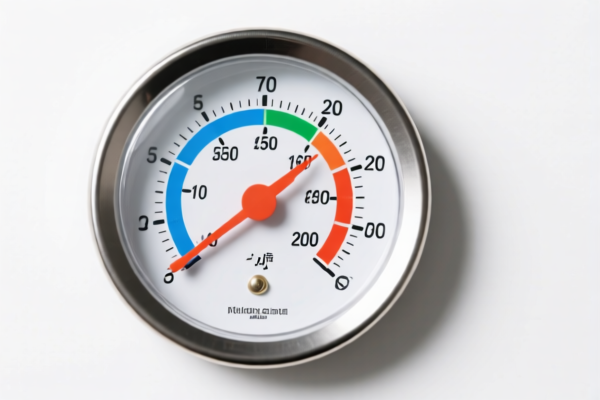


AI Analysis
🌡️ Thermometers (Temperature Measuring Instruments)
🌐 HS Code Reference & Customs Clearance Guide | 2026 Updated Tariff Analysis | Pro-Level Import Strategy
📌 One, Product Definition & Classification: Do You Really Know What a "Thermometer" Is?
A thermometer is a device designed to measure temperature, widely used in medical, scientific, industrial, and household applications. In international trade, thermometers are classified based on their function, technology, and intended use — not just by appearance.
⚠️ Critical Distinction:
- Liquid-filled (e.g., mercury/alcohol) or mechanical analog thermometers → 9025.11.40.00 / 9025.11.20.00
- Electronic/clinical/medical-use thermometers → 9018.19.40.00 / 9018.19.95.50
- Glass-bodied medical thermometers → 7017.20.00.00
📦 Two, HS Code Classification Details (2026 Updated Tariff Authority)
| HS Code | Product Description | Use Case | Technology Type |
|---|---|---|---|
9025.11.40.00 |
Thermometer, for general temperature or high-temperature measurement, possibly liquid-filled | Industrial, lab, HVAC, general use | Liquid-filled, analog |
9018.19.40.00 |
Thermometer, used for physiological parameter checking in medical/scientific fields | Clinical, hospital, lab diagnostics | Electronic or digital |
9018.19.95.50 |
Thermometer, classified as other instruments in electrical diagnostic equipment for physiological monitoring | Medical diagnostics, patient monitoring | Digital, electronic |
9025.11.20.00 |
Thermometer, for body temperature, liquid-filled or electronic readout | Home use, clinical screening | Liquid or digital |
7017.20.00.00 |
Thermometer, made of glass, for medical/hygiene purposes | Clinical, hospital, pharmacy | Glass body, liquid-filled |
🔍 Key Insight:
- "Temperature measurement" ≠ "medical use" — only devices used for physiological monitoring qualify as medical equipment. - Glass-bodied thermometers are treated as glassware, not instruments, hence higher tariffs.
💰 Three, 2026 Updated Tariff Breakdown (Including附加 Taxes & Policy Triggers)
✅ Applicable Country: United States (US)
✅ Origin: China (CN)
✅ Effective Date: November 10, 2025 (and onward)
🎯 1. 9025.11.40.00 — General Thermometer (Liquid-Filled or Analog)
| Item | Detail |
|---|---|
| Base Duty | 0% (ad valorem) |
| USITC Additional Duty | +0% (not under Section 301) |
| IEEPA Additional Duty | +10% (due to China origin, under IEEPA:9903.01.24) |
| Total Duty | 10.0% |
| Tax Calculation | CIF Value × 10% |
| De Minimis Exemption | ✅ Yes (if value < $800) |
| Legal Basis Path | IEEPA:9903.01.24 → 9025.11.40.00 |
📌 Explanation:
- This code covers non-medical, general-purpose thermometers (e.g., for lab, industrial, or HVAC use). - No Section 301 (USITC) tariff applies — only IEEPA 10% due to China origin. - Lowest tariff among all thermometers — ideal for non-clinical use.
🎯 2. 9018.19.40.00 — Medical/Scientific Thermometer (Physiological Monitoring)
| Item | Detail |
|---|---|
| Base Duty | 0% |
| USITC Additional Duty | +25% (under Section 301, China-specific) |
| IEEPA Additional Duty | +10% (IEEPA:9903.01.24) |
| Total Duty | 35.0% |
| Tax Calculation | CIF Value × 35% |
| De Minimis Exemption | ❌ No (denied under 19 U.S.C. § 1313(j)) |
| Legal Basis Path | IEEPA:9903.01.24 → USITC:9018.19.40.00 → FOOTNOTE:9903.88.01 |
📌 Explanation:
- Applies to medical or scientific thermometers used to monitor human body temperature. - 25% USITC tariff = Section 301 “Trade War” tariff on Chinese goods. - 10% IEEPA tariff = Emergency economic powers law targeting China. - Total 35% — very high for medical devices.
🎯 3. 9018.19.95.50 — Electronic Diagnostic Thermometer (Other Instruments)
| Item | Detail |
|---|---|
| Base Duty | 0% |
| USITC Additional Duty | +25% |
| IEEPA Additional Duty | +10% |
| Total Duty | 35.0% |
| Tax Calculation | CIF Value × 35% |
| De Minimis Exemption | ❌ No |
| Legal Basis Path | IEEPA:9903.01.24 → USITC:9018.19.95.50 → FOOTNOTE:9903.88.01 |
📌 Explanation:
- Covers digital thermometers used in electrical diagnostic systems (e.g., smart thermometers, infrared, ear, forehead). - Even if not "clinical-grade", if used for physiological parameter checking, it falls under this code. - Same 35% rate as9018.19.40.00— no difference in tariff.
🎯 4. 9025.11.20.00 — Body Temperature Thermometer (Liquid or Digital)
| Item | Detail |
|---|---|
| Base Duty | 0% |
| USITC Additional Duty | +0% |
| IEEPA Additional Duty | +10% |
| Total Duty | 10.0% |
| Tax Calculation | CIF Value × 10% |
| De Minimis Exemption | ✅ Yes |
| Legal Basis Path | IEEPA:9903.01.24 → 9025.11.20.00 |
📌 Explanation:
- Specifically for body temperature measurement. - No Section 301 tariff — only IEEPA 10%. - Lower tax than medical-grade devices — ideal for consumer-grade thermometers. - Still 10%, but much better than 35%.
🎯 5. 7017.20.00.00 — Glass Thermometer (Medical/Health Use)
| Item | Detail |
|---|---|
| Base Duty | 6.7% |
| USITC Additional Duty | +25% |
| IEEPA Additional Duty | +10% |
| Total Duty | 41.7% |
| Tax Calculation | CIF Value × 41.7% |
| De Minimis Exemption | ❌ No |
| Legal Basis Path | IEEPA:9903.01.24 → USITC:7017.20.00.00 → FOOTNOTE:9903.88.01 |
📌 Explanation:
- Applies to glass-bodied thermometers used in medical/hygiene settings. - Base duty is 6.7% — already higher than most instruments. - +25% USITC + 10% IEEPA = 41.7% total — highest tariff of all. - Avoid this code if possible — consider switching to electronic thermometers.
🛠️ Four, Customs Clearance Best Practices (Pro Tips to Avoid Penalties)
✅ 1. Required Documentation (Must-Have Checklist)
| Document | Required? | Notes |
|---|---|---|
| ✅ Product Specification Sheet | ✔️ | Include material, measurement range, type (liquid/digital) |
| ✅ Circuit Diagram / Internal Structure | ✔️ | Prove no medical electronics (if claiming non-medical) |
| ✅ Clear Product Photos (with label) | ✔️ | Show model, brand, type, and whether glass or electronic |
| ✅ Third-Party Test Report | ✔️ | FDA, CE, RoHS, or UL (if applicable) |
| ✅ Commercial Invoice | ✔️ | Must state exact purpose: e.g., “For home use”, “For industrial temperature monitoring” |
| ✅ Certificate of Origin (CO) | ✔️ | If from Vietnam/Mexico, may qualify for IEEPA exemption |
| ✅ Packing List | ✔️ | Show if multiple units or bundled with accessories |
✅ 2.申报技巧 (Key Rules to Remember)
🔥 "Purpose defines code — medical = 35%, glass = 41.7%, general = 10%!"
| Scenario | Correct HS Code | Wrong Code | Risk |
|---|---|---|---|
| Liquid-filled thermometer for lab use | 9025.11.40.00 |
9018.19.40.00 |
35% vs 10% → 25% extra tax |
| Digital forehead thermometer (non-medical) | 9025.11.20.00 |
9018.19.95.50 |
10% vs 35% → 25% penalty |
| Glass thermometer for clinic | 7017.20.00.00 |
9025.11.40.00 |
41.7% vs 10% → 31.7% overpay |
| Thermometer with Bluetooth/health app | 9018.19.95.50 |
9025.11.40.00 |
35% vs 10% → 25% tax risk |
✅ 3. Special Cases & Solutions
| Situation | Recommended Action |
|---|---|
| Thermometer used in medical device systems | Apply for medical device exemption — requires FDA clearance |
| Thermometer from Vietnam/Mexico | Request IEEPA exemption — if origin is non-China, 0% IEEPA |
| Rebranded private label thermometers | Ensure labeling reflects true function — avoid "medical" claims if not certified |
| Bulk shipment with multiple types | Declare by type — don’t group all as "thermometers" |
| Sample shipments | Use de minimis if value < $800 — only for non-medical, non-glass types |
🌍 Five, Global Market Comparison (2026 Update)
| Country/Region | Recommended HS Code | Duty Rate | Certification Required | Notes |
|---|---|---|---|---|
| 🇺🇸 USA | 9025.11.20.00 / 9025.11.40.00 |
10% (non-medical) | FDA, CE, RoHS | 35% for medical; 41.7% for glass |
| 🇨🇳 China | 9025.11.20.00 |
5% | CCC | No extra tariffs |
| 🇪🇺 EU | 9025.11.40.00 |
0% (if CE) | CE, RoHS | No IEEPA/USITC |
| 🇦🇺 Australia | 9025.11.40.00 |
5% | RCM | No extra duties |
| 🇯🇵 Japan | 9025.11.40.00 |
0% | PSE | No附加税 |
📌 Takeaway:
- USA is the only market with high附加 taxes. - China-origin medical thermometers face 35% — very costly. - Glass thermometers are worst-hit — 41.7%.
📌 Six, Common Mistakes & How to Avoid Them (Real-World Pitfalls)
❌ Mistake 1: Calling a glass thermometer a "digital medical device"
👉 Result: Tax jumps from 10% → 41.7% → 317% increase
❌ Mistake 2: Using "medical thermometer" on invoice for a consumer-grade device
👉 Result: 35% tariff applied — no de minimis, no exemption
❌ Mistake 3: Not providing internal structure for electronic thermometers
👉 Result: Customs may assume it's medical → 35% tax
❌ Mistake 4: Grouping liquid-filled + digital thermometers in one shipment
👉 Result: Mixed classification → audit risk, delays, penalties
✅ Best Practice:
Use precise language:
- “Digital thermometer for home use, non-medical, no health data transmission”
- “Liquid-filled thermometer for industrial temperature monitoring”
- “Glass thermometer, for hygiene use in clinic” — only if true
🎯 Seven, Conclusion: Accurate Classification = Cost Savings!
🎯 Remember the Golden Rules:
🔹 "If it measures body temp → 35% (medical)"
🔹 "If it's glass → 41.7% (worst case)"
🔹 "If it's general or home-use → 10% (best)"
🔹 "Purpose, not appearance, defines the code!"
📌 Pro Tip:
If your product is not medically certified, avoid any medical terminology — even “clinical”, “diagnostic”, or “health monitoring”.
Use neutral terms: “temperature measuring device”, “for general use”, “non-medical”.
📣 Act Now!
📞 Contact a customs broker with HS Code pre-ruling experience
🚀 Get a pre-approval for your HS Code before shipment
💼 Save thousands in unexpected duties — don’t risk a 35% surprise!
✨ Professional Customs Starts with Accurate Classification!
💼 Your product’s tax rate depends on one line — make it right!
Customer Reviews
About HS Code Classification
The Harmonized System (HS) is an internationally standardized nomenclature developed by the World Customs Organization (WCO) to classify traded products. Over 200 countries use the HS system as the basis for customs tariffs, trade statistics, and import/export regulations.
Each HS code follows a hierarchical structure:
- Chapter (2 digits) — Broad category of goods (e.g., Chapter 84: Machinery and Mechanical Appliances)
- Heading (4 digits) — More specific grouping within the chapter
- Subheading (6 digits) — Internationally standardized breakdown, used by all WCO member countries
- National subdivisions (8-10 digits) — Country-specific extensions for further classification, such as US HTSUS 10-digit codes
Correct HS code classification is essential for smooth customs clearance, accurate duty payment, and compliance with trade regulations. Misclassification can lead to customs delays, overpayment of duties, or penalties.
When importing from CN to US, the applicable tariff rates may include:
- Most-Favored-Nation (MFN) rate — The standard duty rate applied to WTO members
- General rate — Applied to countries without trade agreements
- Trade remedy duties — Additional tariffs such as Section 301 (anti-dumping), Section 232 (national security), or countervailing duties
The information provided on this page is for reference purposes only. For official classification, please consult with your local customs authority or a licensed customs broker.