游泳眼镜
CN → US| HS Code | Tariff Rate | Origin | Destination | Doc |
|---|---|---|---|---|
| 9004100000 | 19.5% | CN | US | Official Doc |
| 9004900090 | 20.0% | CN | US | Official Doc |
| 7117909000 | 28.5% | CN | US | Official Doc |
Product Images
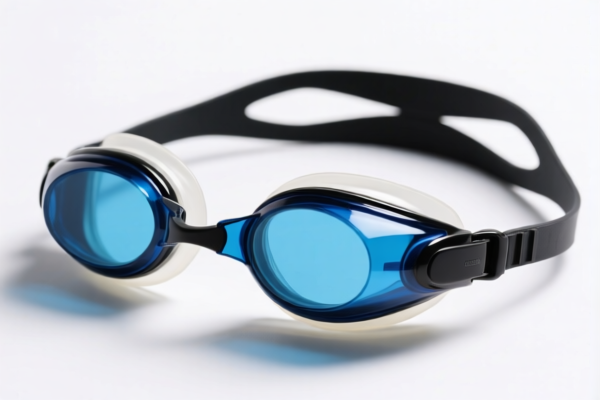
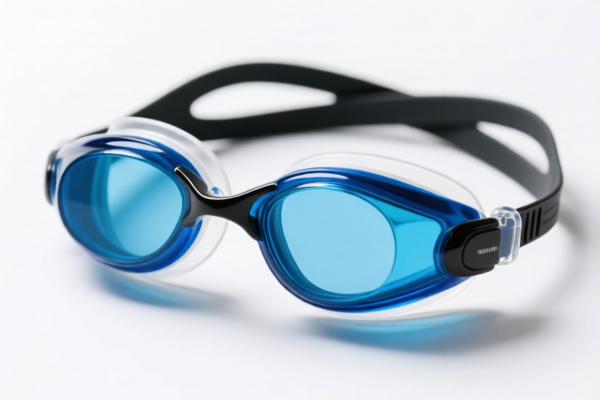

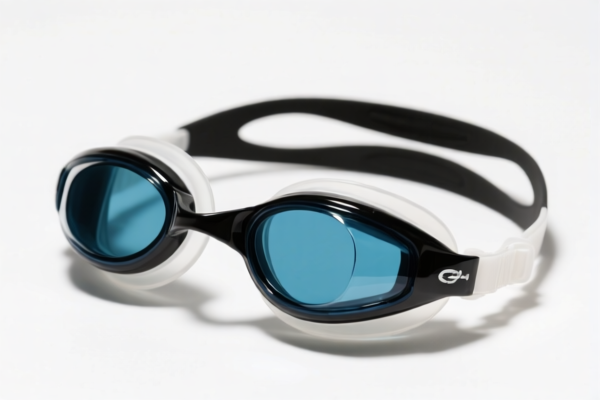
AI Analysis
🏊♂️ Swimming Goggles | Swimming Glasses (Swimming Goggles)
🌐 HS Code Reference & Customs Clearance Guide | 2026 Latest Tariff Analysis | Professional Entry Strategy
📌 I. Product Definition & Classification: Do You Really Know "Swimming Goggles"?
Swimming goggles are essential personal protective equipment and sports accessories for aquatic activities. In international trade, their classification is not straightforward because they sit at the intersection of sports equipment, optical instruments, and plastic products. The correct classification depends heavily on the primary function (protection vs. vision correction) and material composition.
⚠️ Key Distinction Point:
- If primarily for sports/recreation (swimming pools, beaches), it falls under Chapter 95 (Toys, Sports Goods).
- If primarily for eye protection/vision (prescription, UV protection), it falls under Chapter 90 (Optical/Medical Instruments).
- Material matters: While mostly plastic/silicone, if they contain specific metal/aluminum components (rare in standard goggles but possible in frames), Section 122 duties may apply.
📦 II. HS Code Classification Details (2026 Latest Tariff Authority Comparison)
| HS Code | Product Description | Application Scenario | Total Tax Rate* |
|---|---|---|---|
9506.99.60.80 |
Articles and equipment for general physical exercise, gymnastics, athletics, other sports... (Swimming-related) | Recreational swimming goggles, plastic/silicone material | 21.5% |
3926.90.35.00 |
Other articles of plastics | If classified purely as "Plastic Articles" due to generic nature | 16.5% |
9506.99.55.00 |
Articles and equipment for other sports (Swimming/Pools) | Swimming gear not elsewhere specified | 22.8% |
9004.90.00.10 |
Spectacles, goggles and the like, corrective, protective or other (Optical Goggles) | Prescription goggles, high-end UV protective goggles | 20.0% |
9004.90.00.90 |
Spectacles, goggles... (Other categories) | Generic protective eyewear not meeting specific optical criteria | 20.0% |
🔍 Key Insight:
- Chapter 95 (Sports) is the most common for standard recreational goggles.
- Chapter 90 (Optical) applies if the product is marketed as "corrective" or "medical-grade protection."
- Chapter 39 (Plastics) is a fallback but often results in higher effective duties due to additional tariffs compared to sports goods.
💰 III. 2026 Latest Tariff Rate Breakdown (Including Surcharges & Policy Surcharges)
✅ Applicable Country: United States (US)
✅ Country of Origin: China (CN)
✅ Effective Time: 2025 November 10 onwards (including subsequent imports)
🎯 1. 9506.99.60.80 — Swimming-Related Sports Equipment
| Item | Details |
|---|---|
| Base Tariff | 4.0% |
| Section 301 Surcharge | +7.5% (Standard additional tariff) |
| Section 122 Tariff | +10% (Specific to certain steel/aluminum/copper products, if applicable based on frame composition) |
| Section 232 (Steel/Aluminum) Surcharge | +50% ( CRITICAL: Only if the goggles contain significant steel/aluminum components. Most plastic goggles are exempt, but verify frame material!) |
| Total Effective Tax Rate | 21.5% (Assuming Section 122 applies; see note below) |
| Tax Calculation | CIF Value × 21.5% |
| De Minimis Eligibility | ❌ No (Deemed high-risk due to Section 122/301 overlaps) |
| Legal Basis Path | USITC:9506.99.60.80 → Section 301 → Section 122 (if metal parts exist) |
📌 Explanation:
- The 21.5% rate combines the base duty (4%) and Section 301 (7.5%).
- Warning on Section 122 (10%): This applies if the product is considered a "steel, aluminum, or copper product." Standard plastic goggles usually do not trigger this, but if the frame has metal hinges or reinforcements, the rate could jump significantly.
- Section 232 (50%): Generally does not apply to pure plastic/silicone goggles. Only applies if the HS code is interpreted as containing substantial metal content.
🎯 2. 3926.90.35.00 — Other Plastic Articles
| Item | Details |
|---|---|
| Base Tariff | 6.5% |
| Section 301 Surcharge | 0.0% |
| Section 122 Tariff | 10% (If applicable to plastic parts with specific origin rules) |
| Total Effective Tax Rate | 16.5% |
| Tax Calculation | CIF Value × 16.5% |
| De Minimis Eligibility | ❌ No |
| Legal Basis Path | USITC:3926.90.35.00 → Section 122 |
📌 Note:
- This rate is lower than the sports classification if Section 301 does not apply to this specific plastic subheading.
- However, customs may reclassify as Sports (9506) if the product is clearly intended for swimming, leading to a higher effective tax (21.5%).
🎯 3. 9506.99.55.00 — Other Sports Articles (Swimming/Pools)
| Item | Details |
|---|---|
| Base Tariff | 5.3% |
| Section 301 Surcharge | +7.5% |
| Section 122 Tariff | +10% (If metal components present) |
| Total Effective Tax Rate | 22.8% |
| Tax Calculation | CIF Value × 22.8% |
| De Minimis Eligibility | ❌ No |
📌 Explanation:
- This is the "catch-all" for sports goods not specifically listed elsewhere.
- It incurs both Section 301 (7.5%) and potentially Section 122 (10%), making it the highest tax rate among sports-related classifications if metal components are involved.
🎯 4. 9004.90.00.10 / 9004.90.00.90 — Optical Goggles / Protective Eyewear
| Item | Details |
|---|---|
| Base Tariff | 2.5% |
| Section 301 Surcharge | +7.5% |
| Section 122 Tariff | 10% (If applicable) |
| Total Effective Tax Rate | 20.0% (Base 2.5 + 301 7.5 = 10%; Plus Section 122 10% = 20%) |
| Tax Calculation | CIF Value × 20.0% |
| De Minimis Eligibility | ❌ No |
📌 Explanation:
- Optical/Protective goggles have a lower base tariff (2.5%) compared to sports goods (4-5%).
- However, they still incur the 7.5% Section 301 surcharge.
- If Section 122 (10%) applies, the total becomes 20%.
- Advantage: If Section 122 does not apply (e.g., pure plastic, no metal), the rate could be just 10% (2.5% + 7.5%). This is a key optimization point!
🛠️ IV. Customs Clearance Practical Advice (Real-World Pitfall Avoidance Guide)
✅ 1. Preparation Checklist (Required Documents)
| Document | Required | Description |
|---|---|---|
| ✅ Product Specification Sheet | ✔️ | Must detail: Material (Plastic/Silicone/Metal), Lens type (Tinted/UV/Polarized), Intended Use (Swimming/Protective) |
| ✅ Photos | ✔️ | Clear images of front, side, back, and lens markings (e.g., "UV400", "Polycarbonate") |
| ✅ Composition Statement | ✔️ | Explicitly state percentage of plastic, silicone, rubber, and any metal parts (hinges, screws). This is critical for Section 122. |
| ✅ Commercial Invoice | ✔️ | Description must be precise: e.g., "Plastic Swimming Goggles for Recreational Use" vs. "Protective Eyewear for Industrial Use" |
| ✅ Usage Description | ✔️ | Clarify if it's for sports (Chapter 95) or protection/vision (Chapter 90). Misclassification leads to penalties. |
✅ 2. Declaration Tips (Key Mnemonics)
🔥 "Sports vs. Protection: Choose Wisely! Metal vs. Plastic: Check Carefully!"
| Scenario | Recommended HS Code | Risk / Tax Rate |
|---|---|---|
| Standard Recreational Swimming Goggles (Plastic/Silicone) | 9506.99.60.80 |
21.5% (High confidence for sports goods) |
| Prescription/UV Protective Goggles (Plastic/Silicone) | 9004.90.00.10 |
20.0% (Lower base duty, but must prove "optical" nature) |
| Goggles with Metal Frames/Hinges | 9004.90.00.10 or 9506.99.55.00 |
Up to 22.8%+ (Section 122 likely applies) |
| Generic "Plastic Eyewear" (No specific use) | 3926.90.35.00 |
16.5% (Risk: Customs may reclassify as Sports/Optical) |
⚠️ Critical Warning on Section 122 (10%):
- If your goggles contain any steel, aluminum, or copper components (even small screws or springs), the 10% Section 122 duty may apply.
- Pure plastic/silicone goggles should ideally avoid Section 122. Verify material composition with your supplier.
✅ 3. Special Handling Cases
| Case | Handling Advice |
|---|---|
| OEM/Private Label | Provide brand authorization and design specs to prove intended use (Sport vs. Protection). |
| Mixed Containers | If shipping with other goods, ensure separate commercial invoices for goggles to avoid misclassification. |
| New Material (e.g., Carbon Fiber Frame) | May trigger Section 122. Consult customs broker for ruling. |
| Prescription Lenses | Must declare as "Optical Goggles" (9004) with prescription details. Cannot be classified as general sports gear. |
🌍 V. Global Market Comparison (2026 Latest)
| Country/Region | Recommended HS Code | Tariff Rate | Certification | Notes |
|---|---|---|---|---|
| 🇺🇸 USA | 9506.99.60.80 (Sport) |
21.5% | No special cert needed | High risk of Section 122 if metal parts exist. |
| 🇪🇺 EU | 9506.99.90 |
0-4% | CE Mark (Safety) | No Section 301/122 equivalent. Much lower duty. |
| 🇨🇳 China | 9506.99.90 |
10-14% | CCC (if applicable) | Import duty for foreign goods. |
| 🇬🇧 UK | 9506.99.90 |
0-4% | UKCA Mark | Post-Brexit rules apply. |
📌 Conclusion:
- USA is the most expensive market due to Section 301 and potential Section 122 surcharges.
- EU/UK offer significant duty advantages if you can ensure compliance with local safety standards (CE/UKCA).
📌 VI. Common Errors & Pitfall Guide (Lessons Learned the Hard Way)
❌ Mistake 1: Declaring "Swimming Goggles" as "Plastic Toys" (9503)
👉 Consequence: Customs will reclassify to correct sport gear, leading to back taxes + penalties.
❌ Mistake 2: Ignoring Metal Components (Hinges/Springs)
👉 Consequence: If metal parts trigger Section 122, you face an unexpected +10% duty on top of Section 301.
❌ Mistake 3: Using "Glasses" instead of "Goggles"
👉 Consequence: Customs may classify as 9004 (Optical), which has different rules. If not truly optical, this is misdeclaration.
❌ Mistake 4: Not specifying Material Composition
👉 Consequence: Cannot determine if Section 122 applies. Leads to delays at customs.
✅ Correct Practice:
"Swimming Goggles, Made of Polycarbonate Lens and Silicone Seal, Plastic Frame, For Recreational Use, No Metal Components, Model ABC"
🎯 VII. Conclusion: Precise Classification Saves Money!
🎯 Remember the Mantra:
🔹 "Sports = 9506, Optical = 9004, Plastic = 3926."
🔹 "Check for Metal: If Yes, Watch for Section 122 (10%)."
🔹 "Base Duty + 301 (7.5%) + 122 (10%) = Total Cost."
📌 Pro Tip:
If your product is 100% plastic/silicone with no metal parts, argue for
9506.99.60.80(21.5%) or3926.90.35.00(16.5%) to avoid Section 122.
If you have prescription lenses, use9004.90.00.10(20%) for lower base duty.
Always request a Pre-Ruling from CBP if uncertain about metal content.
📣 Immediate Action:
📞 Contact a licensed customs broker + Provide detailed BOM (Bill of Materials) + Product Photos
🚀 Ensure your commercial invoice matches the HS Code description precisely.
✨ Professional Clearance Starts with Accurate Classification!
💼 Every percentage point counts in cross-border trade!
Customer Reviews
About HS Code Classification
The Harmonized System (HS) is an internationally standardized nomenclature developed by the World Customs Organization (WCO) to classify traded products. Over 200 countries use the HS system as the basis for customs tariffs, trade statistics, and import/export regulations.
Each HS code follows a hierarchical structure:
- Chapter (2 digits) — Broad category of goods (e.g., Chapter 84: Machinery and Mechanical Appliances)
- Heading (4 digits) — More specific grouping within the chapter
- Subheading (6 digits) — Internationally standardized breakdown, used by all WCO member countries
- National subdivisions (8-10 digits) — Country-specific extensions for further classification, such as US HTSUS 10-digit codes
Correct HS code classification is essential for smooth customs clearance, accurate duty payment, and compliance with trade regulations. Misclassification can lead to customs delays, overpayment of duties, or penalties.
When importing from CN to US, the applicable tariff rates may include:
- Most-Favored-Nation (MFN) rate — The standard duty rate applied to WTO members
- General rate — Applied to countries without trade agreements
- Trade remedy duties — Additional tariffs such as Section 301 (anti-dumping), Section 232 (national security), or countervailing duties
The information provided on this page is for reference purposes only. For official classification, please consult with your local customs authority or a licensed customs broker.