滑雪雪鞋
CN → US| HS Code | Tariff Rate | Origin | Destination | Doc |
|---|---|---|---|---|
| 6403123000 | 17.5% | CN | US | Official Doc |
| 6401999000 | 47.5% | CN | US | Official Doc |
| 6402120000 | 17.5% | CN | US | Official Doc |
| 6401923000 | 17.5% | CN | US | Official Doc |
| 6403126000 | 17.5% | CN | US | Official Doc |
Product Images
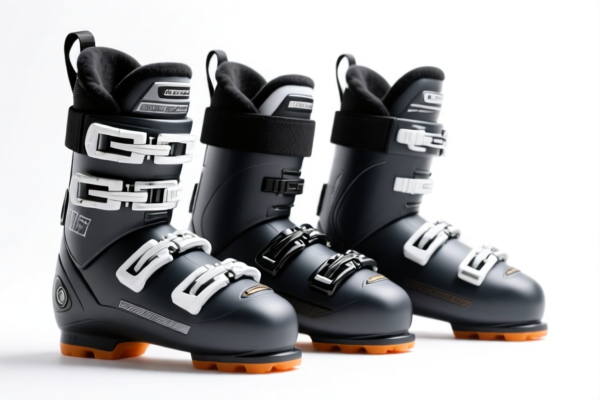
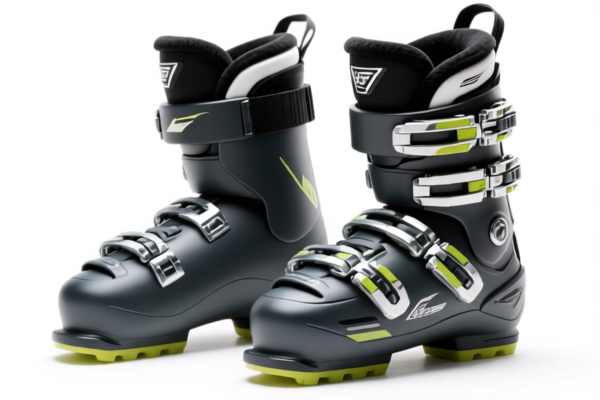
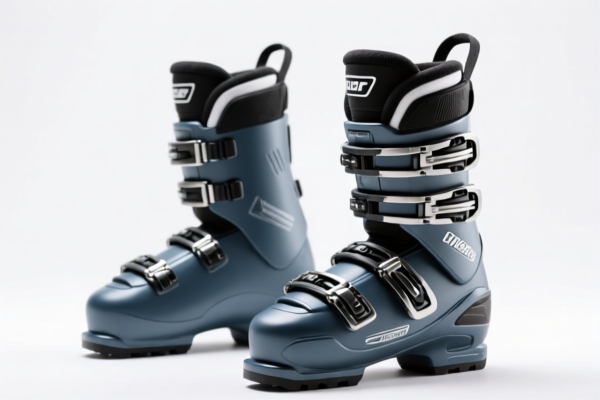
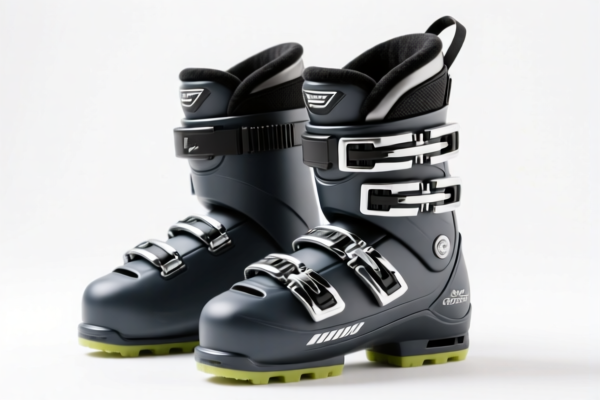
AI Analysis
🎿 Ski Boots (Winter Sports Footwear)
🌐 HS Code Reference & Customs Clearance Guide | 2026 Latest Tariff Analysis | Professional Clearance Strategy
📌 I. Product Definition & Classification: Do You Really Understand "Ski Boots"?
Ski boots are specialized footwear designed for skiing, providing critical support, thermal insulation, and precise power transfer to skis. In international trade, their classification hinges on two key factors:
1. Material: Specifically whether the outsole and upper are made of rubber or plastic (waterproof characteristic).
2. Usage: Explicitly for skiing sports.
⚠️ Key Classification Distinction:
- If the boot is made of rubber/plastic with waterproof features → Likely Chapter 6401 (Waterproof Footwear).
- If the boot has a leather upper but rubber/plastic outsole → Likely Chapter 6403 (Other Footwear with Leather Upper).
- If the boot is synthetic upper with rubber/plastic outsole → Likely Chapter 6402 (Other Footwear with Rubber/Plastic Sole).
📦 II. HS Code Classification Details (2026 Latest Tariff Authoritative Comparison)
| HS Code | Product Description | Key Features | Material Composition |
|---|---|---|---|
6401.99.90.00 |
Waterproof footwear, other (Ski Boots) | Classic waterproof ski boots, fully rubber/plastic construction | Outsole & Upper: Rubber/Plastic |
6403.12.30.00 |
Ski Boots (Leather Upper) | Ski boots with leather upper, rubber/plastic outsole | Upper: Leather; Outsole: Rubber/Plastic |
6401.92.30.00 |
Waterproof Footwear, Ski Boots | Specific subclass for waterproof ski boots | Outsole & Upper: Rubber/Plastic |
6402.12.00.00 |
Other Footwear, Ski Boots | Ski boots with synthetic upper, rubber/plastic outsole | Upper: Synthetic; Outsole: Rubber/Plastic |
6403.12.60.00 |
Other Ski Boots (Leather) | Ski boots with leather upper (non-woolen lined) | Upper: Leather; Outsole: Rubber/Plastic |
🔍 Key Reminder:
- Waterproof Feature is Crucial: HS Code6401is reserved for footwear with waterproof soles AND uppers (usually rubber/plastic).
- Material Determines Chapter:
- Leather Upper → 6403
- Synthetic Upper → 6402
- Rubber/Plastic Whole → 6401
💰 III. 2026 Latest Tariff Rate Breakdown (Including Surtaxes & Policy Add-ons)
✅ Applicable Country: United States (US)
✅ Origin: China (CN)
✅ Effective Date: Current rates apply (2026)
🎯 1. 6401.99.90.00 – Waterproof Footwear, Other (Typical Rubber/Plastic Ski Boots)
| Item | Content |
|---|---|
| Base Duty Rate | 37.5% (Ad Valorem) |
| Section 301 Surcharge | 0.0% (Not included in this specific subheading’s standard 301 list in some contexts, but see note below) |
| Section 122 Surcharge | +10% (USITC Footnote 122) |
| Total Tax Rate | 47.5% |
| Tax Calculation | CIF Value × 47.5% |
| De Minimis Eligibility | ❌ No (High risk of audit) |
| Legal Basis Path | USITC:6401.99.90.00 → FOOTNOTE:122 |
📌 Explanation:
- This code attracts the highest base duty (37.5%) because it falls under "Other Waterproof Footwear."
- Section 122 adds 10%, bringing the total to 47.5%.
- No Section 301 surcharge is explicitly listed in the provided data for this specific code, but the base rate is already very high.
🎯 2. 6403.12.30.00 – Ski Boots (Leather Upper)
| Item | Content |
|---|---|
| Base Duty Rate | 0.0% |
| Section 301 Surcharge | +7.5% |
| Section 122 Surcharge | +10% |
| Total Tax Rate | 17.5% |
| Tax Calculation | CIF Value × 17.5% |
| De Minimis Eligibility | ❌ No |
| Legal Basis Path | USITC:6403.12.30.00 → FOOTNOTE:301 → FOOTNOTE:122 |
📌 Note:
- Despite having a leather upper, the base duty is 0%.
- The total rate is 17.5% (7.5% Section 301 + 10% Section 122).
- This is significantly cheaper than the fully rubber/plastic option.
🎯 3. 6401.92.30.00 – Waterproof Footwear, Ski Boots
| Item | Content |
|---|---|
| Base Duty Rate | 0.0% |
| Section 301 Surcharge | +7.5% |
| Section 122 Surcharge | +10% |
| Total Tax Rate | 17.5% |
| Tax Calculation | CIF Value × 17.5% |
| De Minimis Eligibility | ❌ No |
| Legal Basis Path | USITC:6401.92.30.00 → FOOTNOTE:301 → FOOTNOTE:122 |
📌 Note:
- Even though it’s "Waterproof," if it’s specifically classified under this subheading, the base duty drops to 0%.
- Total rate: 17.5%.
- Crucial: Ensure product specs match this subheading exactly to avoid being bumped to6401.99.90.00(47.5%).
🎯 4. 6402.12.00.00 – Other Footwear, Ski Boots (Synthetic Upper)
| Item | Content |
|---|---|
| Base Duty Rate | 0.0% |
| Section 301 Surcharge | +7.5% |
| Section 122 Surcharge | +10% |
| Total Tax Rate | 17.5% |
| Tax Calculation | CIF Value × 17.5% |
| De Minimis Eligibility | ❌ No |
| Legal Basis Path | USITC:6402.12.00.00 → FOOTNOTE:301 → FOOTNOTE:122 |
📌 Note:
- Synthetic upper ski boots also enjoy 0% base duty.
- Total rate: 17.5%.
- Optimal Choice: If your ski boots have a synthetic upper, this is a strong candidate.
🎯 5. 6403.12.60.00 – Other Ski Boots (Leather Upper)
| Item | Content |
|---|---|
| Base Duty Rate | 0.0% |
| Section 301 Surcharge | +7.5% |
| Section 122 Surcharge | +10% |
| Total Tax Rate | 17.5% |
| Tax Calculation | CIF Value × 17.5% |
| De Minimis Eligibility | ❌ No |
| Legal Basis Path | USITC:6403.12.60.00 → FOOTNOTE:301 → FOOTNOTE:122 |
📌 Note:
- Similar to6403.12.30.00, this code has 0% base duty.
- Total rate: 17.5%.
- Ensure the "lining" does not contain significant wool to stay in this category.
🛠️ IV. Customs Clearance Practical Advice (Real-World Pitfall Avoidance)
✅ 1. Documentation Checklist (Non-negotiable)
| Document | Required | Notes |
|---|---|---|
| ✅ Product Specification Sheet | ✔️ | Must detail material composition (Leather vs. Synthetic vs. Rubber/Plastic), waterproofing features, and sole type. |
| ✅ Photos (Clear) | ✔️ | Show the sole, upper material, and any branding. Highlight waterproof seams if applicable. |
| ✅ Commercial Invoice | ✔️ | Clearly state "Ski Boots" and material composition. Avoid vague terms like "Winter Shoes." |
| ✅ Packing List | ✔️ | Include box dimensions and weight. |
| ✅ Origin Certificate | ✔️ | If applicable, for potential FTA benefits (though US-China has no FTA). |
✅ 2. Declaration Strategy (Key Mantra)
🔥 “Material is King, Waterproof is Key, Specificity Saves Money!”
| Scenario | Correct Declaration | Wrong Approach |
|---|---|---|
| Leather Upper + Rubber Outsole | 6403.12.30.00 or 6403.12.60.00 |
Misdeclare as 6401 → 47.5% Tax! |
| Synthetic Upper + Rubber Outsole | 6402.12.00.00 |
Misdeclare as 6401 → 47.5% Tax! |
| Full Rubber/Plastic Boot | 6401.99.90.00 |
Try to argue it’s leather → Audit & Penalty |
| Waterproof Claim | Only use 6401 if both sole and upper are waterproof rubber/plastic |
Claim "waterproof" for non-rubber uppers → Rejection |
✅ 3. Special Considerations
| Situation | Handling Advice |
|---|---|
| Mixed Materials | If the upper is leather but has significant synthetic panels, consult a broker. May still fall under 6403. |
| Lining Material | Wool-lined boots may fall under different subheadings. Ensure accurate material declaration. |
| Section 122 Impact | All codes listed include a 10% Section 122 surcharge. Factor this into cost calculations. |
| Pre-Ruling | Highly recommended for high-value shipments. Submit to CBP for an Advance Ruling to lock in the HS Code. |
🌍 V. Global Market Comparison (2026 Latest)
| Country/Region | Recommended HS Code | Total Tax Rate (China Origin) | Notes |
|---|---|---|---|
| 🇺🇸 United States | 6403.12.30.00 / 6402.12.00.00 |
17.5% | Best balance of cost and specificity |
| 🇺🇸 United States | 6401.99.90.00 |
47.5% | Avoid if possible due to high base duty |
| 🇨🇳 China | 6403.12.30.00 |
Varies | Domestic trade rates differ |
| 🇪🇺 European Union | 6403 / 6402 |
Varies | EU has different subheadings; check local customs |
📌 Conclusion:
- Avoid6401.99.90.00unless the boot is genuinely made of rubber/plastic throughout.
- Prefer6403or6402codes for 17.5% total tax vs. 47.5%.
- Material accuracy is the single most important factor in classification.
📌 VI. Common Errors & Pitfalls (Lessons Learned)
❌ Error 1: Declaring a leather-upper ski boot as 6401.99.90.00
👉 Consequence: You pay 47.5% tax instead of 17.5%. Overpayment of 30%!
❌ Error 2: Claiming "waterproof" for a non-rubber/plastic upper
👉 Consequence: Customs rejects the 6401 classification, forces reclassification, and may impose fines.
❌ Error 3: Vague description "Winter Boots"
👉 Consequence: Customs officer assigns the highest possible duty rate due to ambiguity.
❌ Error 4: Ignoring Section 122
👉 Consequence: Unexpected 10% surcharge on all codes. Budget accordingly!
✅ Correct Approach:
"Ski Boots, Leather Upper, Rubber Outsole, Size 10, Model XYZ, Certified for Alpine Skiing"
🎯 VII. Conclusion: Professional Declaration, Cost Savings, Efficiency!
🎯 Remember the Mantra:
🔹 "Leather or Synthetic? Aim for 17.5%. Full Rubber/Plastic? Brace for 47.5%. Section 122 adds 10% to all!"
🔹 "HS Code Determines Your Margin. A 30% difference is a deal-breaker!"
📌 Pro Tip:
If you are importing large volumes, apply for a CBP Advance Ruling. It provides legal certainty and prevents costly misclassifications.
Consider supply chain adjustments if your product material composition forces you into the 47.5% bracket. Can you switch to leather or synthetic upper?
📣 Immediate Action:
📞 Consult a Licensed Customs Broker + Provide Product Samples + Request HS Code Pre-Ruling
🚀 Optimize Your Classification, Clear Customs Smoothly, Maximize Profits!
✨ Professional Customs Clearance Starts with Accurate Classification!
💼 Every Dollar Counts in International Trade!
Customer Reviews
About HS Code Classification
The Harmonized System (HS) is an internationally standardized nomenclature developed by the World Customs Organization (WCO) to classify traded products. Over 200 countries use the HS system as the basis for customs tariffs, trade statistics, and import/export regulations.
Each HS code follows a hierarchical structure:
- Chapter (2 digits) — Broad category of goods (e.g., Chapter 84: Machinery and Mechanical Appliances)
- Heading (4 digits) — More specific grouping within the chapter
- Subheading (6 digits) — Internationally standardized breakdown, used by all WCO member countries
- National subdivisions (8-10 digits) — Country-specific extensions for further classification, such as US HTSUS 10-digit codes
Correct HS code classification is essential for smooth customs clearance, accurate duty payment, and compliance with trade regulations. Misclassification can lead to customs delays, overpayment of duties, or penalties.
When importing from CN to US, the applicable tariff rates may include:
- Most-Favored-Nation (MFN) rate — The standard duty rate applied to WTO members
- General rate — Applied to countries without trade agreements
- Trade remedy duties — Additional tariffs such as Section 301 (anti-dumping), Section 232 (national security), or countervailing duties
The information provided on this page is for reference purposes only. For official classification, please consult with your local customs authority or a licensed customs broker.