滴管
CN → US| HS Code | Tariff Rate | Origin | Destination | Doc |
|---|---|---|---|---|
| 3923300090 | 38.0% | CN | US | Official Doc |
| 3923300010 | 38.0% | CN | US | Official Doc |
| 9011800000 | 35.0% | CN | US | Official Doc |
| 7010903040 | 40.2% | CN | US | Official Doc |
| 7010903030 | 40.2% | CN | US | Official Doc |
Product Images
AI Analysis
🧫 Dropper Bottles (Dropper Containers)
🌐 HS Code Classification & Tariff Guide | 2026 Latest Customs Rules | Expert Compliance Strategy
📌 One Product, Multiple Classifications — Know the Right HS Code to Avoid 40%+ Tariffs!
📦 一、Product Definition & Classification: What Exactly Is a "Dropper"?
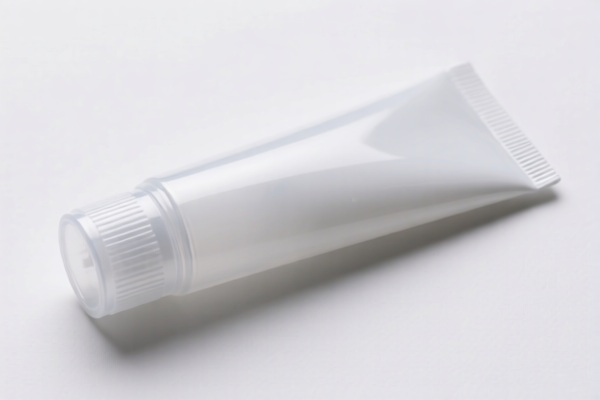
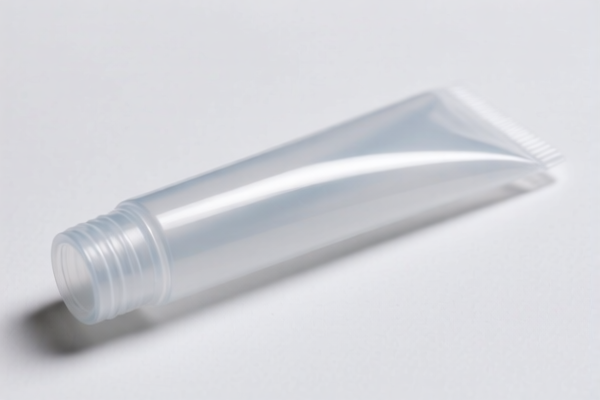
A dropper bottle is a small container with a built-in rubber or glass dropper tip, designed to dispense liquid in controlled drops. It's widely used in:
- Pharmaceuticals (e.g., eye drops, supplements)
- Cosmetics & Skincare (e.g., serums, essences)
- Laboratory & Scientific Use (e.g., reagents, stains)
- Perfumes & Fragrances
⚠️ Critical Insight:
The material, capacity, and intended use determine the HS Code — misclassification can trigger 35%–40% tariffs or even seizure.
🔍 二、HS Code Classification Breakdown (2026 Updated Tariff Schedule)
| HS Code | Product Description | Key Characteristics | Material | Capacity | Usage |
|---|---|---|---|---|---|
3923.30.00.90 |
Plastic dropper bottles, >50ml or not in small standard size | Made of plastic, non-specific small size | Plastic | >50ml or not standard | General packaging |
3923.30.00.10 |
Plastic dropper bottles, standard plastic container type | Fits plastic bottle category | Plastic | Any | Standard plastic container |
9011.80.00.00 |
Dropper bottle as accessory to optical microscopes | Used in lab settings with microscopes | Plastic/Glass | Any | Scientific/medical |
7010.90.30.40 |
Glass dropper bottles for cosmetics or perfumes | Glass material, used in beauty products | Glass | Any | Cosmetic/fragrance packaging |
7010.90.30.30 |
Glass dropper bottles, general glass container type | Matches glass container description | Glass | Any | General use |
📌 Key Rule:
- Plastic droppers → HS 3923.30
- Glass droppers → HS 7010.90
- Used with microscopes → HS 9011.80
- Not for lab use? → Must prove intended use to avoid misclassification.
💰 三、2026 Tariff Rate Analysis (Including附加 Taxes & Legal Triggers)
✅ Applicable Country: United States (US)
✅ Origin: China (CN)
✅ Effective Date: November 10, 2025 (and ongoing)
🎯 1. 3923.30.00.90 & 3923.30.00.10 — Plastic Dropper Bottles
| Item | Detail |
|---|---|
| Base Duty | 3.0% (ad valorem) |
| Section 301 (USITC) Additional Duty | +25.0% |
| Section 122 (IEEPA) Additional Duty | +10.0% |
| Total Effective Rate | 38.0% |
| Tax Calculation | CIF Value × 38% |
| De Minimis Threshold | ❌ Not applicable (denied) |
| Legal Basis Path | IEEPA:9903.01.25 → IEEPA:9903.01.24 → USITC:3923.30.00.00 → FOOTNOTE:9903.88.01 |
📌 Explanation:
- USITC 25% comes from Section 301 of the U.S. Trade Act — targeting Chinese goods deemed unfair. - IEEPA 10% is under the International Emergency Economic Powers Act, applied to goods from China/Hong Kong. - Total: 38% — one of the highest tariffs in the consumer packaging category.
🎯 2. 9011.80.00.00 — Dropper as Microscope Accessory
| Item | Detail |
|---|---|
| Base Duty | 0.0% |
| USITC Additional Duty | +25.0% |
| IEEPA Additional Duty | +10.0% |
| Total Effective Rate | 35.0% |
| Tax Calculation | CIF × 35% |
| De Minimis | ❌ Not eligible |
| Legal Basis Path | IEEPA:9903.01.25 → IEEPA:9903.01.24 → 9011.80.00.00 → FOOTNOTE:9903.88.01 |
📌 Important Note:
- This rate applies only if the dropper is used as a functional part of a microscope system (e.g., dispensing staining fluid). - If used for cosmetics or general storage → must not be declared under this code → risk of penalty.
🎯 3. 7010.90.30.40 & 7010.90.30.30 — Glass Dropper Bottles
| Item | Detail |
|---|---|
| Base Duty | 5.2% |
| USITC Additional Duty | +25.0% |
| IEEPA Additional Duty | +10.0% |
| Total Effective Rate | 40.2% |
| Tax Calculation | CIF × 40.2% |
| De Minimis | ❌ Not eligible |
| Legal Basis Path | IEEPA:9903.01.25 → IEEPA:9903.01.24 → 7010.90.30.00 → FOOTNOTE:9903.88.01 |
📌 Why Higher?
- Glass is treated as a higher-value material. - Even though base duty is 5.2%, the combined 35%附加 taxes push total to 40.2% — highest in the list.
🛠️ 四、Customs Clearance Best Practices (Real-World Tips)
✅ 1. Must-Have Documentation (No Exceptions!)
| Document | Required? | Why It Matters |
|---|---|---|
| ✅ Product Specification Sheet | ✔️ | Prove material (plastic/glass), capacity, intended use |
| ✅ Product Photos (with label) | ✔️ | Show dropper tip, bottle shape, brand name |
| ✅ Certificate of Origin (CO) | ✔️ | If from Vietnam, Mexico, Thailand → may qualify for IEEPA exemption |
| ✅ Commercial Invoice | ✔️ | Must state: "Dropper Bottle, [Material], [Capacity], for [Use]" |
| ✅ Lab Test Report (if medical) | ✔️ | For pharmaceuticals, needed to justify use |
| ✅ Packing List | ✔️ | Show if multiple units, or bundled with accessories |
✅ 2.申报技巧(Key Rules to Remember)
🔥 "Material First, Use Second, Label Accurate — or Pay 40%!"
| Scenario | Correct HS Code | Wrong Approach |
|---|---|---|
| Plastic bottle, 60ml, for skincare | 3923.30.00.90 |
Misreport as 7010.90.30.40 → 40.2% |
| Glass dropper, 30ml, for perfume | 7010.90.30.40 |
Call it "plastic" → 38% → still wrong |
| Dropper used with microscope | 9011.80.00.00 |
Say "cosmetic" → 40.2% → penalty |
| Dropper sold with lab kit | 9011.80.00.00 |
Break into parts → each taxed at 38%+ → total 76%+ |
⚠️ DO NOT split a dropper set into "bottle", "dropper", "cap" — each part gets 38%+ tax → total 89.5%+!
✅ 3. Special Cases & Solutions
| Situation | Recommended Action |
|---|---|
| Dropper used in medical lab | Use 9011.80.00.00 — but provide lab documentation |
| Dropper for skincare, made in Vietnam | Apply for IEEPA exemption → 0% tariff |
| Dropper with silicone tip (not rubber) | Still plastic → use 3923.30.00.10 |
| Dropper with metal cap | Material is still plastic → do not change code |
| Dropper sold as gift set with brush | Do not split — declare as "Dropper Set" under one HS code |
🌍 五、Global Market Tariff Comparison (2026)
| Country/Region | Recommended HS Code | Tariff | Certification | Notes |
|---|---|---|---|---|
| 🇺🇸 USA | 3923.30.00.90 |
38.0% (plastic) / 40.2% (glass) | FDA (if medical), CE (if cosmetic) | No de minimis |
| 🇨🇳 China | 3923.30.00.90 |
5% | CCC, RoHS | No extra duties |
| 🇪🇺 EU | 3923.30.00.90 |
0% (if CE compliant) | CE, REACH | No 301/IEEPA taxes |
| 🇦🇺 Australia | 3923.30.00.90 |
5% | RCM | No extra duties |
| 🇯🇵 Japan | 3923.30.00.90 |
0% | PSE | No additional taxes |
📌 Key Takeaway:
- The U.S. is the only market with 301/IEEPA tariffs on droppers. - Vietnam/Mexico/Thailand-made droppers can avoid 38%+ tax via IEEPA exemption.
🚫 六、Common Mistakes & Penalties (Avoid These!)
❌ Mistake 1: Splitting a dropper into "bottle", "dropper", "cap"
👉 Result: Each part taxed at 38% → total 89.5%+ → refund denied, penalty applied
❌ Mistake 2: Calling a glass dropper "plastic" to avoid 40.2%
👉 Result: Misclassification → seizure, fines, back taxes
❌ Mistake 3: Declaring a cosmetic dropper as "microscope accessory"
👉 Result: Incorrect use → audit, penalty, future scrutiny
❌ Mistake 4: Not providing photos or specs
👉 Result: Customs delays, request for additional info → shipping delays
✅ Correct Way to Declare:
“Glass Dropper Bottle, 30ml, for Skincare Serum, with Rubber Dropper Tip, Brand: XYZ, CE Certified, Origin: China”
🎯 七、Final Verdict: Smart Classification = Cost Savings
🎯 Remember the Golden Rule:
🔹 "Plastic → 3923.30, Glass → 7010.90, Lab Use → 9011.80"
🔹 "Never split. Never mislabel. Always prove use."💡 Pro Tip:
If your droppers are produced in Vietnam, Mexico, or Thailand, apply for IEEPA exemption — tariff drops to 0%–5%.
📞 Action Step Now:
📞 Contact a licensed customs broker
📂 Provide: photos, specs, invoice, origin proof
✅ Request HS Code Pre-Ruling (Advance Ruling) — avoid surprise tariffs!
✨ Your Product. Your Profit. Your Compliance.
💼 One wrong code can cost you 40% — but the right one saves you thousands.
🚀 Go Global — With Confidence, Not Risk!
Customer Reviews
About HS Code Classification
The Harmonized System (HS) is an internationally standardized nomenclature developed by the World Customs Organization (WCO) to classify traded products. Over 200 countries use the HS system as the basis for customs tariffs, trade statistics, and import/export regulations.
Each HS code follows a hierarchical structure:
- Chapter (2 digits) — Broad category of goods (e.g., Chapter 84: Machinery and Mechanical Appliances)
- Heading (4 digits) — More specific grouping within the chapter
- Subheading (6 digits) — Internationally standardized breakdown, used by all WCO member countries
- National subdivisions (8-10 digits) — Country-specific extensions for further classification, such as US HTSUS 10-digit codes
Correct HS code classification is essential for smooth customs clearance, accurate duty payment, and compliance with trade regulations. Misclassification can lead to customs delays, overpayment of duties, or penalties.
When importing from CN to US, the applicable tariff rates may include:
- Most-Favored-Nation (MFN) rate — The standard duty rate applied to WTO members
- General rate — Applied to countries without trade agreements
- Trade remedy duties — Additional tariffs such as Section 301 (anti-dumping), Section 232 (national security), or countervailing duties
The information provided on this page is for reference purposes only. For official classification, please consult with your local customs authority or a licensed customs broker.