热缩管
CN → US| HS Code | Tariff Rate | Origin | Destination | Doc |
|---|---|---|---|---|
| 3917320050 | 38.1% | CN | US | Official Doc |
| 8547900020 | 89.6% | CN | US | Official Doc |
| 8547900010 | 89.6% | CN | US | Official Doc |
| 3917390050 | 13.1% | CN | US | Official Doc |
Product Images

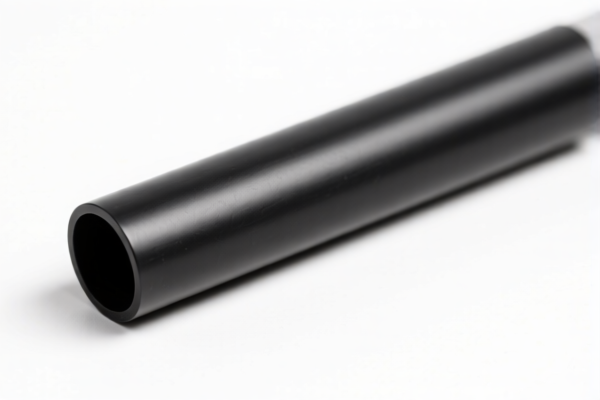
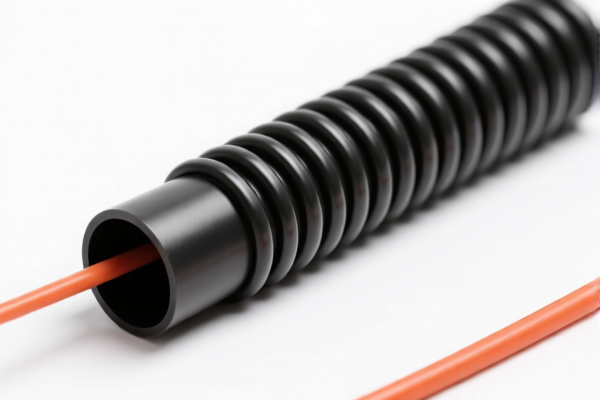

AI Analysis
🔥 Heat Shrink Tubing (Thermal Shrinkable Tubing)
🌐 HS Code & Tariff Guide 2026 | Comprehensive Customs Clearance Strategy | Expert-Level Classification & Duty Breakdown
📌 I. Product Definition & Classification: What Exactly Is Heat Shrink Tubing?
Heat shrink tubing is a flexible, thermoplastic tube that contracts in diameter when heated — used primarily for electrical insulation, wire protection, strain relief, and environmental sealing in electronics, automotive, aerospace, and industrial applications.
⚠️ Key Classification Principle:
- If the tubing is made of plastic, not reinforced, and without fittings, it falls under plastics tubing (HS 3917.3)
- If it is lined with insulating material and made of base metal, it may fall under electrical conduit (HS 8547.90)
📦 II. HS Code Classification Breakdown (2026 Updated Tariff Schedule)
| HS Code | Product Description | Key Features | Fittings Included? |
|---|---|---|---|
3917.39.00.50 |
Tubes, pipes and hoses of plastics: Other tubes, pipes and hoses: Other, not reinforced, without fittings | General-purpose heat shrink tubing (e.g., PVC, polyolefin, fluoropolymer) | ❌ No |
3917.32.00.50 |
Tubes, pipes and hoses of plastics: Other tubes, pipes and hoses: Other, not reinforced or otherwise combined with other materials, without fittings | Thin-walled or specialty heat shrink tubing (e.g., low-temperature shrink, high-temperature resistant) | ❌ No |
8547.90.00.20 |
Electrical conduit tubing and joints therefor, of base metal lined with insulating material: Conduit tubing | Metal conduit with plastic lining (e.g., steel pipe with PVC inner layer) — not heat shrink tubing | ✅ Yes (joints) |
8547.90.00.10 |
Other insulating fittings for electrical equipment, wholly of insulating material | Non-metallic insulating components (e.g., cable glands, bushings) — not tubing | ✅ Sometimes |
🔍 Critical Distinction:
- Heat shrink tubing made of plastic only →3917.39.00.50or3917.32.00.50
- Metal conduit with plastic lining →8547.90.00.20
- Insulating fittings (e.g., bushings) →8547.90.00.10❗ Common Mistake:
Do not classify heat shrink tubing as “electrical conduit” or “insulating fittings” — it’s not a joint, not a fitting, and not metal-lined.
💰 III. 2026 Tariff Rate Analysis (US Focus – China-Origin Goods)
✅ Applicable Country: United States (US)
✅ Origin: China (CN)
✅ Effective Date: November 10, 2025 (inclusive)
🎯 1. 3917.39.00.50 — Heat Shrink Tubing (Plastic, No Reinforcement, No Fittings)
| Item | Detail |
|---|---|
| Base Duty | 3.1% (ad valorem) |
| Additional Tariff (Section 301) | +25.0% (USITC Footnote 9903.88.01) |
| Steel/Aluminum/Copper Product Surcharge | ❌ Not applicable (not metal-based) |
| Total Effective Duty | 28.1% |
| Duty Calculation | CIF Value × 28.1% |
| De Minimis Threshold | ❌ Not eligible (denied under US law) |
| Legal Basis Path | USITC:3917.39.00.50 → FOOTNOTE:9903.88.01 |
📌 Explanation:
- This is standard heat shrink tubing made from PVC, polyolefin, or fluoropolymer — no metal, no reinforcement, no fittings. - The 25% Section 301 tariff applies due to China’s “unfair trade practices” under US Trade Act 301. - No steel/aluminum/copper surcharge because it’s pure plastic.
🎯 2. 3917.32.00.50 — Other Plastic Tubes (Not Reinforced, No Fittings)
| Item | Detail |
|---|---|
| Base Duty | 3.1% |
| Additional Tariff (Section 301) | +25.0% |
| Steel/Aluminum/Copper Surcharge | ❌ Not applicable |
| Total Effective Duty | 28.1% |
| Duty Calculation | CIF × 28.1% |
| De Minimis | ❌ Not eligible |
| Legal Basis Path | USITC:3917.32.00.50 → FOOTNOTE:9903.88.01 |
📌 Note:
- This code covers specialty heat shrink tubing such as low-temperature shrink, high-temperature resistant, or fluoropolymer-based variants. - Same 28.1% rate as above — no difference in tariff based on material type, as long as it’s plastic-only and no fittings.
🎯 3. 8547.90.00.20 — Metal Conduit Tubing Lined with Insulating Material
| Item | Detail |
|---|---|
| Base Duty | 0.0% |
| Additional Tariff (Section 301) | 0.0% |
| Steel/Aluminum/Copper Surcharge | +50.0% (applies to steel, aluminum, copper products) |
| Total Effective Duty | 50.0% |
| Duty Calculation | CIF × 50.0% |
| De Minimis | ❌ Not eligible |
| Legal Basis Path | IEEPA:9903.01.25 → IEEPA:9903.01.24 → 8547.90.00.20 |
📌 Critical Warning:
- This does NOT apply to heat shrink tubing — it applies only to metal conduit pipes with plastic lining (e.g., steel conduit with PVC inner layer). - If your product is plastic heat shrink tubing, do not use this code — it will trigger a 50% tariff and high risk of audit or seizure.
🎯 4. 8547.90.00.10 — Other Insulating Fittings (Wholly Insulating Material)
| Item | Detail |
|---|---|
| Base Duty | 0.0% |
| Additional Tariff (Section 301) | 0.0% |
| Steel/Aluminum/Copper Surcharge | +50.0% |
| Total Effective Duty | 50.0% |
| Duty Calculation | CIF × 50.0% |
| De Minimis | ❌ Not eligible |
| Legal Basis Path | IEEPA:9903.01.25 → IEEPA:9903.01.24 → 8547.90.00.10 |
📌 Important Note:
- This code is for insulating bushings, cable glands, or connectors made entirely of plastic (no metal parts). - Not for heat shrink tubing — unless it’s a fitted connector or end cap. - Misclassification risk: If you claim tubing is a “fitted insulating component,” you may be hit with 50% tariff.
🛠️ IV. Customs Clearance Best Practices (Pro Tips to Avoid Penalties)
✅ 1. Required Documentation (Must-Have List)
| Document | Required? | Purpose |
|---|---|---|
| ✅ Product Specifications | ✔️ | Confirm material (PVC, polyolefin, fluoropolymer), shrink ratio, temp rating |
| ✅ Material Safety Data Sheet (MSDS) | ✔️ | Prove non-metallic, non-reinforced |
| ✅ Product Photos (with label & cross-section) | ✔️ | Show no metal, no fittings |
| ✅ Certificate of Origin (CO) | ✔️ | For tariff eligibility |
| ✅ Commercial Invoice | ✔️ | Must state: “Heat Shrink Tubing, Plastic, No Fittings, Not Reinforced” |
| ✅ Third-Party Test Report | ✔️ | UL, RoHS, CE, or IPC-4101 (if applicable) |
| ✅ Packing List | ✔️ | Show bulk packaging, no assembled fittings |
✅ 2.申报技巧(Key Rules to Remember)
🔥 “Plastic Only, No Fittings, No Metal — 28.1% is the Max!”
| Scenario | Correct HS Code | Wrong Code | Risk |
|---|---|---|---|
| Standard heat shrink tubing (PVC, 2:1 shrink) | 3917.39.00.50 |
8547.90.00.20 |
50% tariff! |
| Specialty heat shrink (fluoropolymer, high-temp) | 3917.32.00.50 |
8547.90.00.10 |
50% tariff! |
| Tubing with metal end caps | ❌ Not eligible for 3917 — must be pure plastic |
3917.39.00.50 |
Risk of rejection |
| Metal conduit with PVC lining | 8547.90.00.20 |
3917.39.00.50 |
50% tariff |
✅ 3. Special Cases & Solutions
| Situation | Recommended Action |
|---|---|
| Tubing with metal end caps | Do not declare as 3917.39.00.50 — it’s not pure plastic. May require separate classification or rejection. |
| Custom-printed heat shrink tubing | Still 3917.39.00.50 — printing doesn’t change material or structure. |
| Heat shrink tubing used in automotive wiring harnesses | Still 3917.39.00.50 — no change in classification. |
| Exporting to EU, Japan, Australia | Lower or zero tariffs — check local rules. |
🌍 V. Global Tariff Comparison (2026 Update)
| Country | Recommended HS Code | Tariff (China Origin) | Certification Required | Notes |
|---|---|---|---|---|
| 🇺🇸 USA | 3917.39.00.50 or 3917.32.00.50 |
28.1% | FCC, RoHS | No de minimis |
| 🇨🇳 China | 3917.39.00.50 |
5% | CCC | No extra tariffs |
| 🇪🇺 EU | 3917.39.00.50 |
0% (if CE) | CE, RoHS | No 301 tariffs |
| 🇦🇺 Australia | 3917.39.00.50 |
5% | RCM | No extra surcharges |
| 🇯🇵 Japan | 3917.39.00.50 |
0% | PSE | No additional duties |
📌 Conclusion:
- USA is the only market with 28.1% tariff on heat shrink tubing. - China-origin goods face high costs — consider Vietnam/Mexico production to avoid 301 tariffs.
📌 VI. Common Mistakes & Risk Warnings (Avoid These!)
❌ Mistake 1: Classifying heat shrink tubing as metal conduit (8547.90.00.20)
👉 Result: 50% tariff → Massive overpayment
❌ Mistake 2: Using 8547.90.00.10 for tubing with no fittings
👉 Result: 50% tariff + audit risk
❌ Mistake 3: Declaring "insulating tubing" without proving no metal, no fittings
👉 Result: Customs may reclassify → seizure or refund claim
❌ Mistake 4: Not providing photos of cross-section or label
👉 Result: Delayed clearance, request for additional info
✅ Correct Declaration Phrase:
"Heat Shrink Tubing, Polyolefin, 2:1 Shrink Ratio, 125°C, No Reinforcement, No Fittings, Not Combined with Other Materials, Model ABC123, RoHS & UL Certified"
🎯 VII. Final Verdict: Get It Right the First Time!
🎯 Key Takeaway:
🔹 Plastic heat shrink tubing =
3917.39.00.50or3917.32.00.50→ 28.1% duty (US)
🔹 Metal conduit with lining =8547.90.00.20→ 50% duty (steel/aluminum/copper surcharge)
🔹 Insulating fittings =8547.90.00.10→ 50% duty📌 Golden Rule:
"If it’s plastic, not reinforced, and no fittings — it’s 28.1%, not 50%!"
📣 Immediate Action Steps
📞 Contact a licensed customs broker + provide product specs + request HS Code pre-ruling
🚀 Consider shifting production to Vietnam, Mexico, or Malaysia to avoid 301 tariffs
📊 Use a tariff calculator to project total landed cost before shipping
✨ Professional Clearance Starts with Accurate Classification!
💼 Your duty rate depends on ONE word: “Fittings” — get it right, save thousands!
✅ Pro Tip:
If your heat shrink tubing is custom-printed or color-coded, it’s still not a fitting — 28.1% is the ceiling.
📣 Don’t gamble with tariffs. Get your HS Code right — every time.
Customer Reviews
About HS Code Classification
The Harmonized System (HS) is an internationally standardized nomenclature developed by the World Customs Organization (WCO) to classify traded products. Over 200 countries use the HS system as the basis for customs tariffs, trade statistics, and import/export regulations.
Each HS code follows a hierarchical structure:
- Chapter (2 digits) — Broad category of goods (e.g., Chapter 84: Machinery and Mechanical Appliances)
- Heading (4 digits) — More specific grouping within the chapter
- Subheading (6 digits) — Internationally standardized breakdown, used by all WCO member countries
- National subdivisions (8-10 digits) — Country-specific extensions for further classification, such as US HTSUS 10-digit codes
Correct HS code classification is essential for smooth customs clearance, accurate duty payment, and compliance with trade regulations. Misclassification can lead to customs delays, overpayment of duties, or penalties.
When importing from CN to US, the applicable tariff rates may include:
- Most-Favored-Nation (MFN) rate — The standard duty rate applied to WTO members
- General rate — Applied to countries without trade agreements
- Trade remedy duties — Additional tariffs such as Section 301 (anti-dumping), Section 232 (national security), or countervailing duties
The information provided on this page is for reference purposes only. For official classification, please consult with your local customs authority or a licensed customs broker.