热风愈合胶带
CN → US| HS Code | Tariff Rate | Origin | Destination | Doc |
|---|---|---|---|---|
| 4016991500 | 20.2% | CN | US | Official Doc |
| 4016996050 | 37.5% | CN | US | Official Doc |
| 3919905060 | 40.8% | CN | US | Official Doc |
| 3919102055 | 40.8% | CN | US | Official Doc |
Product Images
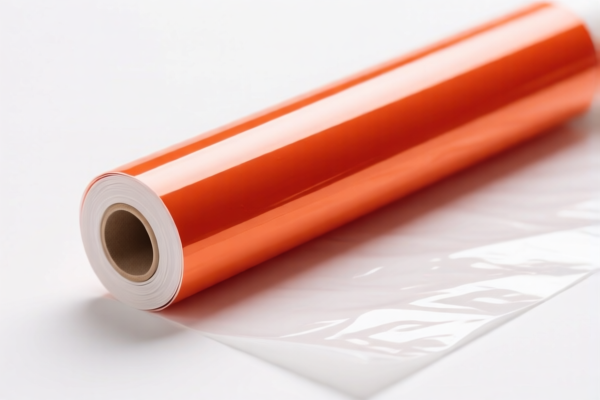
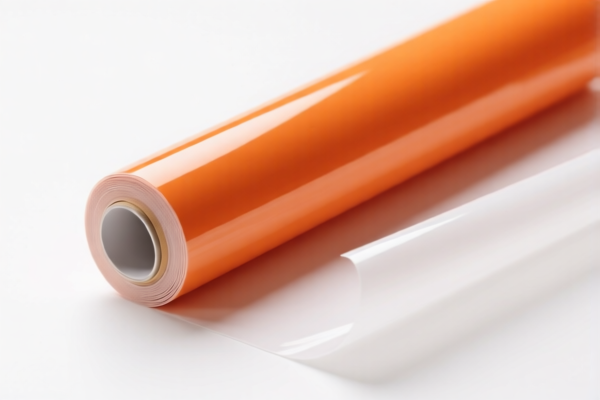
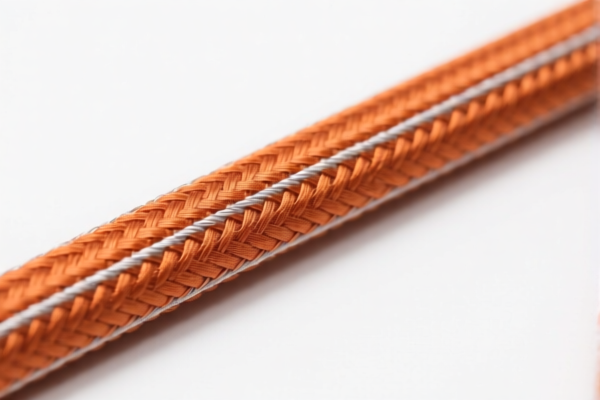
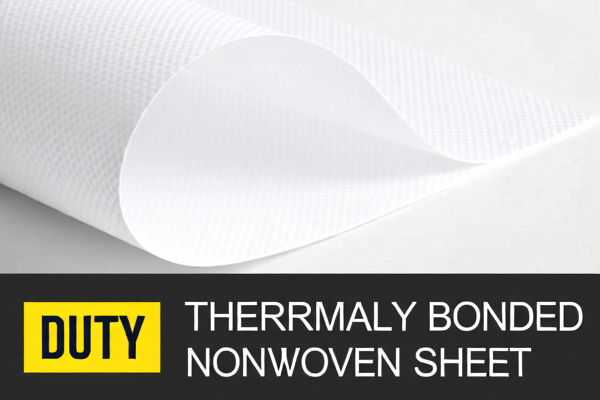
AI Analysis
🌟 Heat-Activated Sealing Tape (Thermal Healing Tape)
🌐 HS Code Classification & Customs Clearance Guide | 2026 Latest Tariff Analysis | Expert Strategy for Global Trade
📌 One Product, Multiple Classifications — Why the Same Tape Has 4 Different HS Codes?
Heat-activated sealing tape (also known as thermal healing tape) is a high-performance adhesive product used in electronics, automotive, aerospace, and industrial manufacturing for sealing, bonding, and insulation. Despite being the same physical product, it can be classified under four different HS Codes depending on its material composition, structure, and functional design.
⚠️ Critical Insight:
- The material type (plastic vs. rubber) determines the primary classification;
- The presence of a carrier layer, adhesive, or functional core affects the subcategory;
- U.S. tariff policy (especially 301, IEEPA, and Section 122) can push effective rates to 40.8% — a major cost driver.
📦 Two, HS Code Breakdown (2026 Official Tariff Reference)
| HS Code | Product Description | Material & Structure | Category | Key Use Case |
|---|---|---|---|---|
3919.10.20.55 |
Plastic self-adhesive tape, polymer/plastic-based, in strip form, other types | Polymer/plastic, non-rubber, strip-shaped | Other plastic tapes | General-purpose sealing, electronics insulation |
3919.90.50.60 |
Other plastic tapes, polymer-based, strip form, non-specific | Polymer, non-rubber, flexible strip | Other plastic tapes | Industrial packaging, cable protection |
4016.99.60.50 |
Other vulcanized rubber products, thermoplastic materials (EVA, TPU), tape form | Thermoplastic rubber (EVA, TPU), heat-activated | Other rubber tapes | High-temperature sealing, automotive gaskets |
4016.99.15.00 |
Other rubber products, adhesive + substrate, sealing function | Rubber-based adhesive tape, functional sealing | Other rubber products (general) | General-purpose sealing, moisture/air barrier |
🔍 Why So Many Codes?
-3919.10.20.55&3919.90.50.60: For plastic-based tapes — even if heat-activated, if made from polymer (e.g., PP, PE, PET), they fall under plastic tapes.
-4016.99.60.50: For thermoplastic rubber (TPU/EVA) — these are not pure rubber, but behave like rubber under heat. They are treated as vulcanized rubber products due to functional similarity.
-4016.99.15.00: For general-purpose rubber tapes with adhesive layers — used as a catch-all when no better fit exists.
💰 Three, 2026 U.S. Tariff Breakdown (With Legal References)
✅ Applicable Country: United States (US)
✅ Origin: China (CN)
✅ Effective Date: November 10, 2025 (inclusive)
✅ Tariff Regime: 301 + IEEPA + Section 122
🎯 1. 3919.10.20.55 — Plastic Self-Adhesive Tape (Polymer-Based)
| Item | Detail |
|---|---|
| Base Duty | 5.8% (ad valorem) |
| Section 301 Additional Duty | +25.0% (USITC, 301 Tariff List) |
| Section 122 (IEEPA) Additional Duty | +10.0% (International Emergency Economic Powers Act) |
| Total Effective Rate | 40.8% |
| Tax Calculation | CIF Value × 40.8% |
| De Minimis Threshold | ❌ Not applicable (denied under 301/IEEPA) |
| Legal Pathway | IEEPA:9903.01.25 → 301:9903.88.01 → HS:3919.10.20.55 |
📌 Explanation:
- 25% Section 301 applies to all Chinese-origin goods under "other plastic tapes";
- 10% IEEPA applies to all products from China, regardless of category;
- No de minimis relief — even small shipments face full 40.8% tax.
🎯 2. 3919.90.50.60 — Other Plastic Tapes (Polymer-Based)
| Item | Detail |
|---|---|
| Base Duty | 5.8% |
| Section 301 Additional Duty | +25.0% |
| Section 122 (IEEPA) Additional Duty | +10.0% |
| Total Effective Rate | 40.8% |
| Tax Calculation | CIF × 40.8% |
| De Minimis | ❌ Not eligible |
| Legal Pathway | IEEPA:9903.01.25 → 301:9903.88.01 → HS:3919.90.50.60 |
📌 Note:
- Identical to3919.10.20.55in tax treatment — same 40.8%;
- Used when the tape doesn’t fit into more specific plastic tape subcategories.
🎯 3. 4016.99.60.50 — Other Vulcanized Rubber Products (Thermoplastic, EVA/TPU)
| Item | Detail |
|---|---|
| Base Duty | 2.5% |
| Section 301 Additional Duty | +25.0% |
| Section 122 (IEEPA) Additional Duty | +10.0% |
| Total Effective Rate | 37.5% |
| Tax Calculation | CIF × 37.5% |
| De Minimis | ❌ Not eligible |
| Legal Pathway | IEEPA:9903.01.25 → 301:9903.88.01 → HS:4016.99.60.50 |
📌 Why Lower?
- Lower base duty (2.5%) due to classification under rubber products;
- Still subject to 25% + 10% — but base rate is lower, so total is 37.5% (not 40.8%).
🎯 4. 4016.99.15.00 — Other Rubber Products (Adhesive + Substrate, Sealing)
| Item | Detail |
|---|---|
| Base Duty | 2.7% |
| Section 301 Additional Duty | +7.5% (❗ Reduced from 25%) |
| Section 122 (IEEPA) Additional Duty | +10.0% |
| Total Effective Rate | 20.2% |
| Tax Calculation | CIF × 20.2% |
| De Minimis | ❌ Not eligible |
| Legal Pathway | IEEPA:9903.01.25 → 301:9903.88.01 → HS:4016.99.15.00 |
📌 Why So Low?
- Only 7.5% Section 301 — due to exemption under 301 List for "other rubber products" (specific footnote);
- Still faces 10% IEEPA;
- Base duty 2.7% — slightly higher than rubber tapes but offset by lower 301 rate.✅ Key Takeaway:
- This is the most favorable code for heat-activated tape — only 20.2% total tax;
- Must prove adhesive + substrate, sealing function — not just heat-activation.
🛠️ Four, Customs Clearance Best Practices (Pro Tips)
✅ 1. Documentation Checklist (MUST-HAVE)
| Document | Required? | Why It Matters |
|---|---|---|
| ✅ Product Specification Sheet | ✔️ | Proves material (plastic vs. rubber), thickness, heat activation temp |
| ✅ Material Safety Data Sheet (MSDS) | ✔️ | Confirms polymer/rubber type (EVA, TPU, PP, etc.) |
| ✅ Product Photos (with label & cross-section) | ✔️ | Shows adhesive layer, substrate, core structure |
| ✅ 3rd-Party Test Report (e.g., UL, RoHS, ISO) | ✔️ | Supports material claims |
| ✅ Commercial Invoice | ✔️ | Must state: “Heat-Activated Sealing Tape, [Material], for Industrial Sealing” |
| ✅ Certificate of Origin (CO) | ✔️ | Critical for tariff eligibility |
| ✅ Packing List | ✔️ | Shows unit count, weight, packaging type |
✅ 2.申报技巧 (申报口诀)
🔥 “Material First, Function Second, Code Last — Tax Drops 20%!”
| Scenario | Correct HS Code | Wrong Code | Tax Impact |
|---|---|---|---|
| Tape made of PP/PE/PET polymer, heat-activated | 3919.10.20.55 or 3919.90.50.60 |
4016.99.15.00 |
40.8% vs. 20.2% → +20.6% tax! |
| Tape made of EVA/TPU thermoplastic rubber, heat-activated | 4016.99.60.50 |
3919.90.50.60 |
37.5% vs. 40.8% → save 3.3% |
| Tape with adhesive layer + substrate, used for sealing | 4016.99.15.00 |
3919.10.20.55 |
20.2% vs. 40.8% → save 20.6% |
📌 Pro Tip:
- Don’t claim “plastic” if it’s rubber-based — even if it looks like plastic.
- Don’t claim “rubber” if it’s polymer-based — risk of misclassification.
✅ 3. Special Cases & Risk Mitigation
| Scenario | Recommended Action |
|---|---|
| Mixed material tape (plastic + rubber) | Apply material weight test — if >50% polymer → use 3919 codes; if >50% rubber → 4016 codes |
| Tape used in EV batteries or aerospace | Apply for exemption under 301 List — some industrial tapes qualify |
| Small shipment (<$800) | ❌ No de minimis relief under 301/IEEPA — still pay 20.2%–40.8% |
| Re-imported from U.S. | Must re-declare — no duty deferral |
🌍 Five, Global Market Tariff Comparison (2026)
| Country | Recommended HS Code | Tariff | Certification | Notes |
|---|---|---|---|---|
| 🇺🇸 USA | 4016.99.15.00 (best) |
20.2% (min) | FCC, RoHS | No de minimis |
| 🇨🇳 China | 3919.10.20.55 |
5% | CCC | No 301/IEEPA |
| 🇪🇺 EU | 3919.90.50.60 |
0% (if CE) | CE, RoHS | No 301/IEEPA |
| 🇦🇺 Australia | 4016.99.60.50 |
5% | RCM | No extra tariffs |
| 🇯🇵 Japan | 3919.10.20.55 |
0% | PSE | No 301/IEEPA |
📌 Insight:
- U.S. is the only market with 301 + IEEPA + Section 122 — highest risk;
- China, EU, Japan, Australia have no extra tariffs — ideal for export.
📌 Six, Common Mistakes & Real-World Risks
❌ Mistake 1: Classifying EVA/TPU tape as plastic (3919)
👉 Result: 40.8% tax instead of 37.5% → +3.3% cost
❌ Mistake 2: Calling a rubber-based tape “plastic” to avoid 301
👉 Result: Penalty + audit risk — if material is proven rubber-based
❌ Mistake 3: Not proving sealing function for 4016.99.15.00
👉 Result: Re-classified to 4016.99.60.50 → 37.5% vs. 20.2% → 17.3% loss
❌ Mistake 4: Using generic name like “sealing tape”
👉 Result: Customs may apply default 301 rate (25%) + 10% IEEPA → 35% minimum
✅ Correct Declaration:
“Heat-Activated Sealing Tape, EVA-Based, Adhesive + Substrate, for Industrial Moisture Barrier, Model XYZ, CE & RoHS Certified”
🎯 Seven, Final Verdict: How to Minimize Tariff Risk
🎯 Golden Rule:
“Material determines code, code determines tax, tax determines profit.”
🔹 If polymer-based (PP/PE/PET) → Use
3919.10.20.55or3919.90.50.60→ 40.8%
🔹 If EVA/TPU-based → Use4016.99.60.50→ 37.5%
🔹 If adhesive + substrate, sealing function → Use4016.99.15.00→ 20.2% (best!)📌 Pro Tip:
- Apply for Advance Ruling (Pre-Ruling) before shipment — get binding HS Code decision;
- Use Vietnamese/Mexican/Thai origin to avoid 301/IEEPA — 0% extra tax;
- Bundle with non-tariffed goods — but cannot split — risk of 89.5% on parts.
📣 Call to Action: Protect Your Profit Margin!
📞 Contact a U.S.-licensed customs broker + submit product photos + request HS Code pre-ruling
🚀 Avoid surprise 40.8% tax — secure your export flow now!
✨ Precision Classification = Profit Protection
💼 One wrong code = Thousands in extra duty — don’t gamble!
Customer Reviews
About HS Code Classification
The Harmonized System (HS) is an internationally standardized nomenclature developed by the World Customs Organization (WCO) to classify traded products. Over 200 countries use the HS system as the basis for customs tariffs, trade statistics, and import/export regulations.
Each HS code follows a hierarchical structure:
- Chapter (2 digits) — Broad category of goods (e.g., Chapter 84: Machinery and Mechanical Appliances)
- Heading (4 digits) — More specific grouping within the chapter
- Subheading (6 digits) — Internationally standardized breakdown, used by all WCO member countries
- National subdivisions (8-10 digits) — Country-specific extensions for further classification, such as US HTSUS 10-digit codes
Correct HS code classification is essential for smooth customs clearance, accurate duty payment, and compliance with trade regulations. Misclassification can lead to customs delays, overpayment of duties, or penalties.
When importing from CN to US, the applicable tariff rates may include:
- Most-Favored-Nation (MFN) rate — The standard duty rate applied to WTO members
- General rate — Applied to countries without trade agreements
- Trade remedy duties — Additional tariffs such as Section 301 (anti-dumping), Section 232 (national security), or countervailing duties
The information provided on this page is for reference purposes only. For official classification, please consult with your local customs authority or a licensed customs broker.