煤焦油处理的非针叶木杆
CN → USProduct Images
AI Analysis
🛢️ Coal-Tar-Treated Non-Coniferous Poles (Timber Products)
🌐 HS Code Reference & Clearance Guide | 2026 Latest Tariff Analysis | Professional Compliance Strategy
📌 I. Product Definition & Classification: Do You Understand "Treated Timber"?
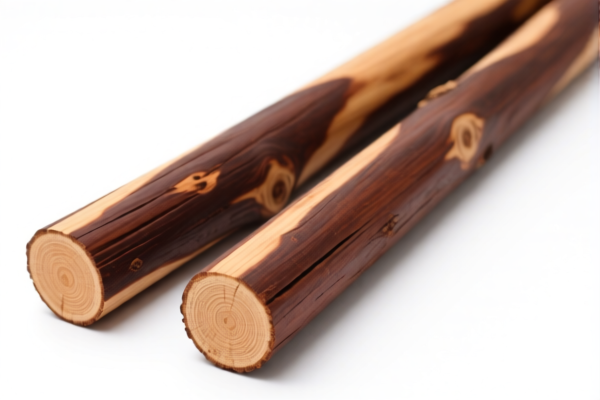
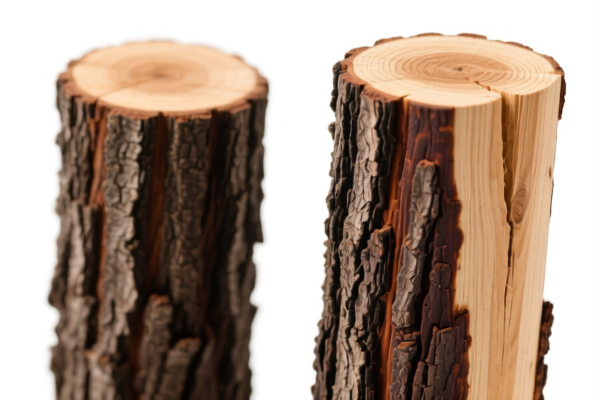
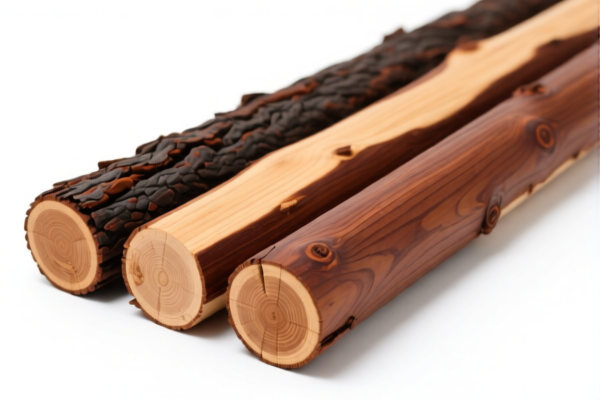
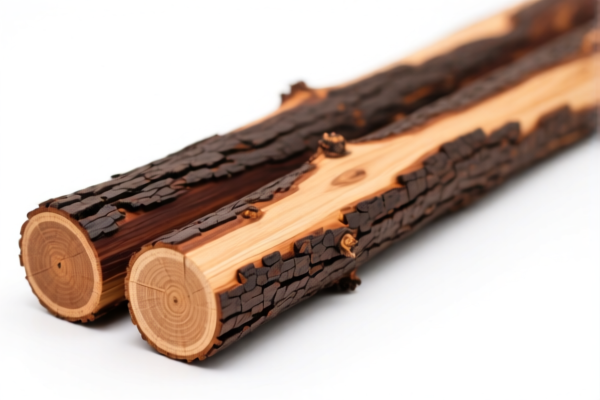
Coal-tar-treated non-coniferous poles are heavy-duty wooden poles (typically made from eucalyptus, pine-substitutes, or hardwoods) impregnated with coal tar creosote for防腐 (anti-rot) and insect resistance. In international trade, they are strictly classified as processed wood products, not raw timber.
Key Distinction:
- Raw Timber → Falls under Chapter 44 (but untreated poles are often excluded or classified differently depending on shape).
- Treated Wood → Falls under HS 4403 (Wood treated with paint, creosote, or other preservatives).
- Non-Coniferous → Must be distinguished from softwood (coniferous) to avoid incorrect subheading assignment.
⚠️ Critical Classification Point:
- If the poles are roughly squared (not further manufactured than round or slightly dressed) → 4403.49
- If they are further processed (drilled, topped, galvanized spikes installed) → Still 4403.49 or potentially 4414/4421 depending on final use, but usually 4403.49.90 for poles.
- Coal Tar is a critical preservative, triggering specific environmental and safety regulations.
📦 II. HS Code Classification Details (2026 Latest Tariff Authority)
| HS Code | Product Description | Application | Material Type | Preservative |
|---|---|---|---|---|
4403.49.90.00 |
Wood treated with paint, creosote or other preservatives: Other, non-coniferous | Utility poles, railway sleepers, fence posts | Hardwood (Eucalyptus, etc.) | Coal Tar Creosote |
4403.41.00.00 |
Other, non-coniferous, of tropical wood | Tropical hardwood poles | Tropical Wood | Any |
4403.49.10.00 |
Other, non-coniferous, of eucalyptus | Eucalyptus poles | Eucalyptus | Coal Tar |
4403.99.00.00 |
Other wood, treated with preservatives | Mixed species | Non-coniferous | Coal Tar |
🔍 Key Reminder:
- Non-coniferous excludes pine, fir, spruce (which fall under 4403.30+).
- Coal Tar Treatment is mandatory to declare due to environmental hazards.
- Poles are typically classified under 4403.49 if not further worked into doors, frames, or tools.
💰 III. 2026 Latest Tariff Rates Detail (Including Surcharges)
✅ Applicable Country: United States (US)
✅ Origin: China (CN)
✅ Effective Date: From November 10, 2025 (including subsequent imports)
🎯 1. 4403.49.90.00 —— Treated Non-Coniferous Wood (General)
| Item | Content |
|---|---|
| Base Rate | 0% (ad valorem) |
| USITC Surcharge | +25% (from USITC Footnote 9903.88.01) |
| IEEPA Surcharge | +10% (for China/HK products, from Nov 10, 2025) |
| Total Rate | 35% |
| Tax Calculation | CIF Value × 35% |
| De Minimis Exemption | ❌ Not Eligible (deny_de_minimis) |
| Legal Path | IEEPA:9903.01.25 → IEEPA:9903.01.24 → USITC:4403.49.90.00 → FOOTNOTE:9903.88.01 |
📌 Explanation:
- 25% USITC Surcharge: Applies to "wood and wood products" under Section 301.
- 10% IEEPA Surcharge: Additional tariff for Chinese-origin goods.
- Total 35%: High cost. Coal tar treatment does not exempt from tariffs.
🎯 2. 4403.49.10.00 —— Eucalyptus Poles (Specific)
| Item | Content |
|---|---|
| Base Rate | 0% |
| USITC Surcharge | +25% |
| IEEPA Surcharge | +10% |
| Total Rate | 35% |
| Tax Calculation | CIF × 35% |
| De Minimis Exemption | ❌ Not Eligible |
| Legal Path | IEEPA:9901.25 → IEEPA:9903.01.24 → USITC:4403.49.10.00 → FOOTNOTE:9903.88.01 |
📌 Note:
- Same tax structure as general non-coniferous treated wood.
- Eucalyptus is common for poles; no special tariff relief.
🛠️ IV. Customs Clearance Practical Advice (Pitfall Avoidance Guide)
✅ 1. Required Documents Checklist (None Missing)
| Document | Must Provide | Description |
|---|---|---|
| ✅ Product Specification Sheet | ✔️ | Material (wood type), dimensions, treatment method (coal tar), preservative content |
| ✅ MSDS (Material Safety Data Sheet) | ✔️ | Crucial for coal tar (hazardous substance) |
| ✅ Certificate of Treatment | ✔️ | From accredited lab proving coal tar impregnation depth |
| ✅ Commercial Invoice | ✔️ | Clearly state "Coal Tar Treated Non-Coniferous Wooden Poles" |
| ✅ Packing List | ✔️ | Weight, dimensions, number of poles |
| ✅ Phytosanitary Certificate | ✔️ | Required for wood products; proves no pests |
| ✅ Fumigation Certificate | ✔️ | If wood was not heat-treated, fumigation is mandatory |
✅ 2. Declaration Tips (Key Mnemonic)
🔥 “Treated wood, declare coal tar; phytosanitary, must have; no de minimis, 35% tax is the law!”
| Situation | Correct Declaration | Wrong Practice |
|---|---|---|
| Treated wooden poles | 4403.49.90.00 with "Coal Tar" description |
Declare as "Raw Wood" → 20% + fines |
| Poles with metal fittings | Declare as 4403.49.90.00 | Split into wood + metal → 89.5% on fittings |
| Small decorative poles | Still 4403.49.90.00 | Declare as "Crafts" → 0% but risky |
| Heat-treated wood | Declare as 4407.90 (if not preservative-treated) | Declare as "Treated" → Over-declare tax |
✅ 3. Special Circumstances Handling
| Situation | Handling Advice |
|---|---|
| Coal Tar Odor | Declare hazardous nature; ensure packaging is sealed to prevent leakage |
| Poles with Spikes | If spikes are integral, still 4403.49.90.00; if detachable, consider splitting |
| OEM Custom Poles | Provide drawings; specify "Utility Poles" to avoid "Furniture" classification |
| Export to EU | Require CE marking for wood preservatives; Fumigation mandatory |
🌍 V. Global Market Clearance Comparison (2026 Latest)
| Country/Region | Recommended HS Code | Tariff | Certification | Notes |
|---|---|---|---|---|
| 🇺🇸 USA | 4403.49.90.00 |
35% (CN) | ISPM 15 + Fumigation | High tariff; coal tar regulated |
| 🇨🇳 China | 4403.49.90.00 |
5% | Phytosanitary | No surcharge |
| 🇪🇺 EU | 4403.49.90.00 |
0% | CE + REACH | Strict coal tar limits |
| 🇦🇺 Australia | 4403.49.90.00 |
5% | IPPC + Fumigation | Strict biosecurity |
| 🇯🇵 Japan | 4403.49.90.00 |
0% | Fumigation | No surcharge |
📌 Conclusion:
- USA is the highest tariff market for treated wood.
- EU and Japan have strict environmental regulations on coal tar (PAHs content).
- China and Australia require strict phytosanitary compliance.
📌 VI. Common Errors & Pitfall Guide (Lessons Learned)
❌ Mistake 1: Declaring "Treated Wood" as "Raw Lumber"
👉 Consequence: 35% tariff avoided initially, but caught later → 20% penalty + back taxes!
❌ Mistake 2: Omitting "Coal Tar" from declaration
👉 Consequence: Customs cannot assess hazardous material fees → Delayed clearance!
❌ Mistake 3: No Phytosanitary Certificate
👉 Consequence: Goods detained or destroyed → Total loss!
❌ Mistake 4: Using "De Minimis" for small shipments
👉 Consequence: Denied → 35% tax applied retroactively!
✅ Correct Practice:
“Coal Tar Treated Non-Coniferous Wooden Poles, Eucalyptus Species, 12m Length, 200mm Diameter, ISPM 15 Compliant, MSDS Attached, HS 4403.49.90.00”
🎯 VII. Conclusion: Precise Declaration, Safe Clearance!
🎯 Remember the Mantra:
🔹 “Treated wood, coal tar, declare it clear;
🔹 Phyto cert, MSDS too, or your cargo gets blocked.
🔹 USA tax is 35%, no de minimis allowed.
🔹 EU and Japan, strict rules follow!”
📌 Pro Tip:
If your poles are heat-treated (HT) instead of chemically treated, declare as 4407.90 or 4409 depending on processing. Coal tar triggers IEEPA + USITC surcharges. Avoid coal tar if possible for US market to reduce risk.
📣 Immediate Action:
📞 Contact a customs broker + Provide MSDS + Apply for Phytosanitary Certificate
🚀 Let your poles clear smoothly, avoid delays, and protect your margins!
✨ Professional clearance starts with accurate classification!
💼 Your every dollar of cost deserves precise calculation!
Customer Reviews
About HS Code Classification
The Harmonized System (HS) is an internationally standardized nomenclature developed by the World Customs Organization (WCO) to classify traded products. Over 200 countries use the HS system as the basis for customs tariffs, trade statistics, and import/export regulations.
Each HS code follows a hierarchical structure:
- Chapter (2 digits) — Broad category of goods (e.g., Chapter 84: Machinery and Mechanical Appliances)
- Heading (4 digits) — More specific grouping within the chapter
- Subheading (6 digits) — Internationally standardized breakdown, used by all WCO member countries
- National subdivisions (8-10 digits) — Country-specific extensions for further classification, such as US HTSUS 10-digit codes
Correct HS code classification is essential for smooth customs clearance, accurate duty payment, and compliance with trade regulations. Misclassification can lead to customs delays, overpayment of duties, or penalties.
When importing from CN to US, the applicable tariff rates may include:
- Most-Favored-Nation (MFN) rate — The standard duty rate applied to WTO members
- General rate — Applied to countries without trade agreements
- Trade remedy duties — Additional tariffs such as Section 301 (anti-dumping), Section 232 (national security), or countervailing duties
The information provided on this page is for reference purposes only. For official classification, please consult with your local customs authority or a licensed customs broker.