牛仔裤
CN → US| HS Code | Tariff Rate | Origin | Destination | Doc |
|---|---|---|---|---|
| 6204621541 | 34.1% | CN | US | Official Doc |
| 6204621511 | 34.1% | CN | US | Official Doc |
| 6204628011 | 34.1% | CN | US | Official Doc |
| 5211420060 | 43.1% | CN | US | Official Doc |
| 6203420711 | 34.1% | CN | US | Official Doc |
| 6203424511 | 34.1% | CN | US | Official Doc |
Product Images
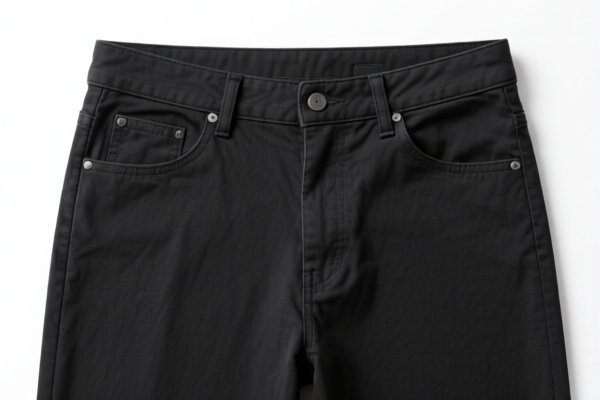
AI Analysis
🧵 Denim Jeans: The Ultimate HS Code & Customs Clearance Guide (2026 Edition)
🌐 HS Code Reference & Customs Clearance Guide | 2026 Latest Tariff Analysis | Professional Entry Strategy
📌 I. Product Definition & Classification: Do You Really Understand "Jeans"?
Denim Jeans are the world's most popular bottomwear, ranging from casual street fashion to heavy-duty workwear. In international trade, they are categorized not just by "color" or "style," but critically by Material Composition, End-Use (Gender), and Production Stage.
Key Classification Dimensions: * Material: Pure Cotton vs. Mixed Fabric (Cotton/Man-made) vs. Pure Denim Fabric. * Gender: Women's/Girls' (6204) vs. Men's/Boys' (6203). * Form: Finished Pants vs. Semi-finished Fabric.
⚠️ Critical Distinction:
- Finished Pants (e.g., 6204.62.15.41): Ready-to-wear, cut, sewn, and finished.
- Semi-finished Fabric (e.g., 5211.42.00.60): Raw denim cloth, not yet sewn into pants.
- Material Mix: "Cotton Denim" attracts higher US tariffs than "Cotton/Polyester Mix" due to specific trade policies.
📦 II. HS Code Classification Details (2026 Latest Tariff Authority)
Based on the latest trade data, here is the precise breakdown for Denim Jeans:
| HS Code | Product Description | Gender/Type | Material Composition | Status | | :--- | :--- | :--- | :--- :--- | | 6204.62.15.41 | Girls' Cotton Denim Jeans | Women's/Girls | Cotton (Pure) | Finished Pants | | 6204.62.15.11 | Denim Cloth Denim Jeans | Women's/Girls | Denim Fabric | Finished Pants | | 6204.62.80.11 | Finished Denim Jeans | Women's/Girls | Semi-finished Fabric | Finished Consumer Goods | | 5211.42.00.60 | Cotton/Man-made Mix Denim | N/A (Fabric Only) | Cotton/Man-made Blend | Semi-finished Fabric | | 6203.42.07.11 | Men's Blue Denim Jeans | Men's/Boys | Denim Fabric | Finished Pants | | 6203.42.45.11 | Blue Denim Trousers | Men's/Boys | Denim Fabric | Finished Pants |
🔍 Key Insight:
- Women's (6204): Generally split between pure cotton and specific denim fabric codes. - Men's (6203): "Blue" color is a key descriptor for specific sub-categories. - Fabric (5211): If you are importing raw denim to sew in-house, the tariff is 43.1% (Higher than finished goods in this dataset due to "Additional Tariff" structure).
💰 III. 2026 Tariff Rate Breakdown (Including Surtax & Policy Add-ons)
✅ Applicable Market: United States (US)
✅ Country of Origin: China (CN)
✅ Effective Date: 2025/2026 Regime (Strict enforcement)
🎯 Scenario A: Finished Jeans (Women's & Men's)
(Codes: 6204.62.15.41, 6204.62.15.11, 6204.62.80.11, 6203.42.07.11, 6203.42.45.11)
| Tariff Component | Rate | Description |
|---|---|---|
| Base Duty | 16.6% | Standard MFN (Most Favored Nation) rate for textile apparel. |
| Section 301 Surtax | 7.5% | Additional tariff under US Section 301 trade remedy. |
| Section 122 Tariff | 10.0% | Specific tariff applied to Chinese textile products (2025+). |
| TOTAL RATE | 34.1% | Sum of all components (16.6 + 7.5 + 10). |
| Calculation | CIF Value × 34.1% |
Duty is calculated on the CIF (Cost + Insurance + Freight) value. |
| De Minimis Exemption | ❌ NO | Not eligible for $800 duty-free exemption (Section 321). |
📌 Explanation:
- These HS codes represent finished goods. The 34.1% rate is the result of the "Base + 301 + 122" triad. - Even small changes in material (e.g., slight polyester mix) might shift the code, but in this dataset, the rate remains 34.1%.
🎯 Scenario B: Semi-finished Denim Fabric
(Code: 5211.42.00.60)
| Tariff Component | Rate | Description |
|---|---|---|
| Base Duty | 8.1% | Lower base rate for woven fabrics (vs. finished garments). |
| Section 301 Surtax | 25.0% | Higher surtax applied to raw cotton/man-made blends from China. |
| Section 122 Tariff | 10.0% | Same 122 clause applied. |
| TOTAL RATE | 43.1% | Sum of all components (8.1 + 25.0 + 10). |
| Calculation | CIF Value × 43.1% |
Duty is significantly higher due to the 25% 301 surtax on fabrics. |
| De Minimis Exemption | ❌ NO | Fabric imports are subject to full duties. |
📌 Critical Warning:
- 43.1% is the highest risk rate. Importing raw denim is more expensive than importing finished jeans in this specific tariff structure due to the 25.0% 301 Surtax on fabrics. - Strategy: If you are a brand, importing Finished Jeans (34.1%) is cheaper than importing Fabric (43.1%) + Manufacturing costs + Assembly.
🛠️ IV. Practical Customs Clearance Advice (Real-World Pitfall Avoidance)
✅ 1. Documentation Checklist (Must-Have)
| Document | Requirement | Why It Matters |
|---|---|---|
| Detailed Commercial Invoice | ✔️ Must list Material % (e.g., 98% Cotton, 2% Elastane) | Critical for HS Code validation. Incorrect material % = Wrong HS Code = 34.1% vs 43.1%. |
| Labeling & Tags | ✔️ Must show Gender (Men/Women/Boys/Girls) & Origin (Made in China) | US Customs verifies "Gender" via tags. Mislabeling leads to re-classification. |
| Fabric Swatch Report | ✔️ Third-party lab test for fiber composition | Proves "Cotton" vs. "Denim Cloth" vs. "Mixed". Essential for 5211.42.00.60 vs 6204 codes. |
| Production Flow Chart | ✔️ Show "Cut & Sew" location | If cut in China but sewn elsewhere, origin rules apply differently. |
| Declaration of Section 122 | ✔️ Explicit mention of Section 122 | Ensures the 10% surtax is correctly calculated and not penalized later. |
✅ 2. Declaring Strategy (The Golden Rules)
🔥 口诀: "Gender First, Material Second, Fabric vs. Finished!"
| Situation | Correct HS Code | Wrong Code (Risky) | Consequence |
|---|---|---|---|
| Girls' Cotton Jeans | 6204.62.15.41 |
6204.62.15.11 |
Risk: 34.1% vs 34.1% (No rate diff, but wrong code = audit flag). |
| Men's Blue Jeans | 6203.42.07.11 |
6203.42.45.11 |
Risk: 34.1% (Same rate), but customs may reject if "Blue" is missing. |
| Raw Denim Fabric | 5211.42.00.60 |
6203.42... (Finished) |
Risk: 34.1% vs 43.1%. If you declare fabric as finished, you might underpay, leading to back taxes + penalties. |
| Mixed Cotton/Man-made | 5211.42.00.60 |
6204... |
Risk: Fabric tariff (43.1%) is higher. Declaring as finished pants to avoid fabric tax is illegal. |
✅ 3. Special Scenarios & Solutions
| Scenario | Actionable Advice |
|---|---|
| "Blue" Color Confusion | Ensure invoices explicitly state "Blue" for Men's jeans (6203.42.07.11/45.11). If color is "Indigo" or "Wash," ensure it matches the HS definition. |
| Elastane/Lycra Mix | If the jeans contain >2% elastane, ensure they are still classified under "Cotton" or "Denim" categories, not "Synthetic" (which might have different rates). |
| OEM Orders | If producing for a foreign brand, ensure the Country of Origin label is "Made in China" to apply the correct 34.1%/43.1% rates. If marked "Vietnam," the rate might drop to 0-5%, but requires proof of substantial transformation. |
| Section 122 Compliance | This tariff (10%) is specific to certain Chinese textile categories. Ensure your broker checks the Section 122 List for your exact HS code before shipping. |
🌍 V. Market Comparison & Strategic Summary
| Market | HS Code Focus | Base Rate | US Surtax | Total Rate | Recommendation |
|---|---|---|---|---|---|
| 🇺🇸 USA | 6203/6204 (Finished) | 16.6% | 7.5% + 10% | 34.1% | High Cost. Factor into pricing. |
| 🇺🇸 USA | 5211 (Fabric) | 8.1% | 25.0% + 10% | 43.1% | Very High Cost. Avoid importing raw fabric for US market if possible. |
| 🇨🇳 China | N/A | N/A | N/A | N/A | Domestic production hub. |
| 🇪🇺 EU | 6203/6204 | 12% | 0% | 12% | Much Cheaper. Consider shifting production to EU for EU sales. |
📌 Conclusion:
- Finished Jeans (34.1%) are the standard high-cost scenario for US imports from China. - Raw Fabric (43.1%) is the most expensive route due to the 25% surtax. - Strategy: Optimize your supply chain to minimize "Fabric" imports into the US. Import Finished Goods instead of raw fabric.
📌 VI. Common Mistakes & "Blood Tears" Lessons
❌ Mistake 1: Declaring "Denim Pants" without specifying Gender.
👉 Result: Customs holds shipment for 2 weeks to determine if it's Men's or Women's, delaying delivery.
Fix: Always declare "Girls' Denim Pants" or "Men's Denim Pants".
❌ Mistake 2: Importing raw fabric and declaring it as "Finished Pants" to save tax.
👉 Result: 43.1% vs 34.1%. If caught, you face 100% penalty on unpaid duties + seizure risk.
Fix: Declare accurately. If you import fabric, prepare for the 43.1% rate.
❌ Mistake 3: Ignoring "Section 122".
👉 Result: Incorrectly paying 16.6% + 7.5% = 24.1%. The 10% Section 122 is mandatory for these codes from China.
Fix: Ensure your broker adds the 10% surtax to the calculation.
🎯 VII. Final Verdict: Smart Customs, Smart Profit!
🔹 Remember the Rule:
"Finished Pants = 34.1% (16.6+7.5+10)"
"Raw Fabric = 43.1% (8.1+25+10)"
"Gender & Color = Mandatory Declaration"🔹 Golden Tip:
If you are a US brand sourcing from China, always import Finished Goods. The 9% difference between Fabric (43.1%) and Pants (34.1%) is huge! Also, consider Section 301 exclusions (if applicable) or third-country manufacturing (Vietnam/Mexico) to bypass the 34.1% rate entirely.
📣 Immediate Action Plan:
📞 Contact Your Customs Broker: Provide the exact Material Composition and Gender for every SKU.
🚀 Calculate Landed Cost:CIF Value × 34.1%for finished jeans.
🛡️ Verify Section 122: Ensure the 10% surtax is applied correctly.
✨ Professional Customs Clearance Starts with Accurate HS Codes!
💼 Every 1% of tariff saved is pure profit!
(Note: This analysis is based strictly on the provided data. Always consult with a licensed customs broker for real-time rulings.)
Customer Reviews
About HS Code Classification
The Harmonized System (HS) is an internationally standardized nomenclature developed by the World Customs Organization (WCO) to classify traded products. Over 200 countries use the HS system as the basis for customs tariffs, trade statistics, and import/export regulations.
Each HS code follows a hierarchical structure:
- Chapter (2 digits) — Broad category of goods (e.g., Chapter 84: Machinery and Mechanical Appliances)
- Heading (4 digits) — More specific grouping within the chapter
- Subheading (6 digits) — Internationally standardized breakdown, used by all WCO member countries
- National subdivisions (8-10 digits) — Country-specific extensions for further classification, such as US HTSUS 10-digit codes
Correct HS code classification is essential for smooth customs clearance, accurate duty payment, and compliance with trade regulations. Misclassification can lead to customs delays, overpayment of duties, or penalties.
When importing from CN to US, the applicable tariff rates may include:
- Most-Favored-Nation (MFN) rate — The standard duty rate applied to WTO members
- General rate — Applied to countries without trade agreements
- Trade remedy duties — Additional tariffs such as Section 301 (anti-dumping), Section 232 (national security), or countervailing duties
The information provided on this page is for reference purposes only. For official classification, please consult with your local customs authority or a licensed customs broker.