牛仔裤纽扣
CN → US| HS Code | Tariff Rate | Origin | Destination | Doc |
|---|---|---|---|---|
| 7116205000 | 17.5% | CN | US | Official Doc |
| 7116204000 | 28.0% | CN | US | Official Doc |
| 7117909000 | 28.5% | CN | US | Official Doc |
| 9606212000 | 35.0% | CN | US | Official Doc |
| 9606214000 | 0.0% | CN | US | Official Doc |
Product Images
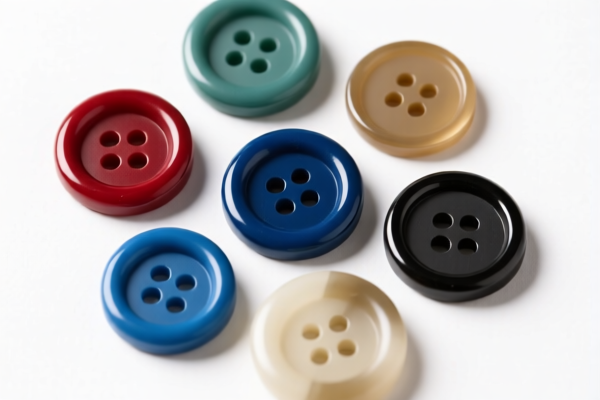
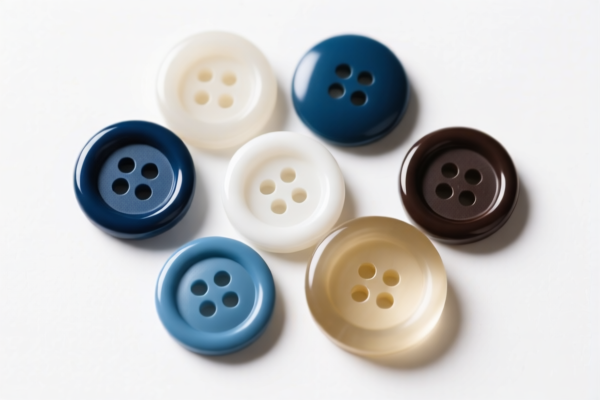
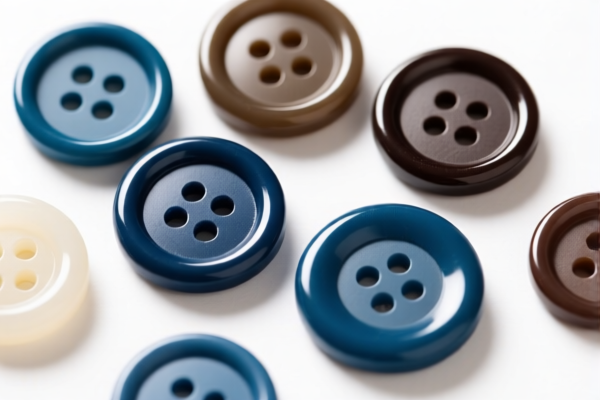
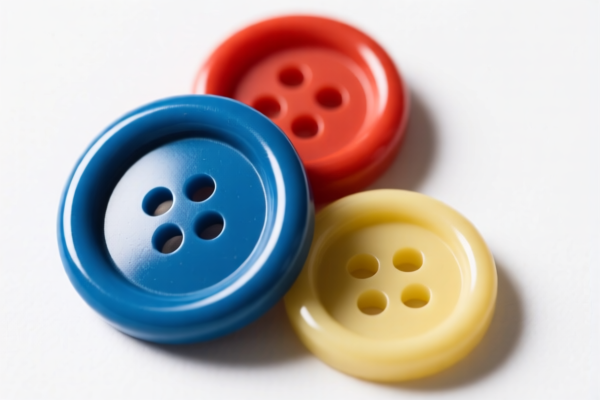
AI Analysis
🧵 Denim Jeans Buttons (Jean Buttons / Snap Fasteners)
🌐 HS Code Reference & Clearance Guide | 2026 Latest Tariff Analysis | Professional Customs Strategy
📌 I. Product Definition & Classification: What Exactly Are "Denim Buttons"?
Denim jeans buttons, often referred to as rivets or snaps, are essential hardware components used to fasten denim trousers. In international trade, they are classified based on their material composition and functional nature. The classification significantly impacts the tariff rate, especially under current US trade policies.
Two Main Categories: 1. Artificial/Imitation Buttons (Class 7116/7117): Made from non-precious materials like mother-of-pearl, shell, plastic, or metal alloys, often used for decorative purposes or standard fastening. 2. Actual Fasteners (Class 9606): Specifically designed as "buttons and snaps" for fastening garments. This is the most common classification for functional denim hardware.
⚠️ Key Distinction Point:
- If the item is a decorative piece made of gemstones/shells without a specific fastening mechanism → Class 7116/7117
- If it is a functional fastener (button, snap, rivet) regardless of material (plastic, metal, shell) → Class 9606
📦 II. HS Code Classification Details (2026 Latest Tariff Authority Match)
Based on the provided data, here are the precise classifications and their rationale:
| HS Code | Product Description | Material/Feature Inference | Rationale |
|---|---|---|---|
7116.20.50.00 |
Articles of natural or cultured pearls, precious/semi-precious stones | Pearl Mother-of-Pearl / Natural Gems | Inferred as buttons made from precious/semi-precious materials (e.g., high-end decorative denim buttons). |
7116.20.40.00 |
Other articles of precious metals, silver-gold, etc. | Metal / Shell / Plastic Composite | Buttons made from non-precious metals, shells, or plastic composites that don't fit other specific categories. |
7117.90.90.00 |
Imitation jewelry (other) | Generic/Fallback Category | Used when material is ambiguous; treats the button as "imitation jewelry" under a catch-all provision. |
9606.21.20.00 |
Buttons, of base metal, or of plastic, not embroidered | Plastic / Base Metal | Direct match for standard denim buttons, typically plastic or base metal alloys. |
9606.21.40.00 |
Buttons and press studs, of base metal | Metal Rivets/Snaps | Specifically for metal buttons/snaps (rivets), common in heavy-duty denim wear. |
🔍 Focus Reminder:
- Functional Fasteners (snaps, rivets) usually fall under 9606.21.
- Decorative Items (pearl buttons) may fall under 7116.
- Misclassification Risk: Declaring a metal rivet as "imitation jewelry" (7117) may trigger higher duties or customs scrutiny.
💰 III. 2026 Latest Tariff Rate Breakdown (Including Surcharges)
✅ Applicable Country: United States (US)
✅ Origin: China (CN)
✅ Effective Date: Post-2025 policies (Section 301 & IEEPA)
🎯 1. 7116.20.50.00 – Articles of Pearls/Semi-Precious Stones (Decorative)
| Item | Content |
|---|---|
| Base Tariff | 0.0% (ad valorem) |
| Section 301 Surcharge | +7.5% |
| Section 122 Tariff | +10% |
| Total Rate | 17.5% |
| Tax Calculation | CIF Value × 17.5% |
| De Minimis Exemption | ❌ Not Eligible (High risk of audit) |
| Legal Basis | Base Tariff + USITC Footnotes + IEEPA Provisions |
📌 Explanation:
- Although the base tariff is 0%, the 17.5% total is due to specific surcharges.
- This category is less common for standard denim buttons; reserved for luxury/decorative items.
🎯 2. 7116.20.40.00 – Other Articles (Metal/Shell/Plastic)
| Item | Content |
|---|---|
| Base Tariff | 10.5% |
| Section 301 Surcharge | +7.5% |
| Section 122 Tariff | +10% |
| Total Rate | 28.0% |
| Tax Calculation | CIF Value × 28.0% |
| De Minimis Exemption | ❌ Not Eligible |
| Legal Basis | Base Tariff + USITC Footnotes + IEEPA Provisions |
📌 Explanation:
- This is a high-cost category for generic metal/shell buttons.
- Often misclassified; if the button is a functional fastener, 9606 may be more appropriate.
🎯 3. 7117.90.90.00 – Imitation Jewelry (Fallback)
| Item | Content |
|---|---|
| Base Tariff | 11.0% |
| Section 301 Surcharge | +7.5% |
| Section 122 Tariff | +10% |
| Total Rate | 28.5% |
| Tax Calculation | CIF Value × 28.5% |
| De Minimis Exemption | ❌ Not Eligible |
| Legal Basis | Base Tariff + USITC Footnotes + IEEPA Provisions |
📌 Explanation:
- This is a catch-all with the highest base rate.
- Avoid this classification unless the item is truly "imitation jewelry" and not a garment fastener.
🎯 4. 9606.21.20.00 – Buttons (Plastic/Base Metal, Non-Embroidered)
| Item | Content |
|---|---|
| Base Tariff | 0.0% |
| Section 301 Surcharge | +25.0% |
| Section 122 Tariff | +10% |
| Total Rate | 35.0% |
| Tax Calculation | CIF Value × 35.0% |
| De Minimis Exemption | ❌ Not Eligible |
| Legal Basis | Base Tariff + USITC Footnotes + IEEPA Provisions |
📌 Explanation:
- This is the standard classification for plastic or base metal denim buttons.
- Despite a 0% base rate, the 35% total is significant.
🎯 5. 9606.21.40.00 – Buttons/Press Studs (Base Metal)
| Item | Content |
|---|---|
| Base Tariff | 0.3¢/line/gross + 4.6% |
| Section 301 Surcharge | +25.0% |
| Section 122 Tariff | +10% |
| Total Rate | 0.3¢/line/gross + 4.6% + 35.0% (combined effect) |
| Tax Calculation | Complex: Per-unit fee + Ad Valorem % |
| De Minimis Exemption | ❌ Not Eligible |
| Legal Basis | Base Tariff + USITC Footnotes + IEEPA Provisions |
📌 Explanation:
- This applies to metal rivets/snaps.
- The tax structure is mixed (specific + ad valorem).
- Note: The "35.0%" in the data likely reflects the cumulative impact of surcharges on the ad valorem portion.
🛠️ IV. Customs Clearance Practical Advice (Battle-Tested Pitfall Guide)
✅ 1. Documentation Checklist (Non-Negotiable)
| Document | Required | Explanation |
|---|---|---|
| ✅ Product Specifications | ✔️ | Material (plastic, metal, shell), size, type (snap, rivet, button). |
| ✅ Product Photos | ✔️ | Clear images of the button, including fastening mechanism. |
| ✅ Commercial Invoice | ✔️ | Describe as "Denim Button" or "Metal Rivet," NOT "Jewelry." |
| ✅ Material Test Report | ✔️ | To confirm material composition (e.g., PLA plastic vs. Acrylic). |
| ✅ HS Code Pre-Ruling | ✔️ | Highly recommended for 9606 vs. 7116 distinction. |
✅ 2. Declaration Strategy (Key Mnemonic)
🔥 "Material Matters, Function Defines, Jewelry Trap Avoids!"
| Scenario | Correct HS Code | Wrong Declaration | Consequence |
|---|---|---|---|
| Plastic Button | 9606.21.20.00 |
"Decorative Pearl Button" | Misclassification → 17.5% vs 35% (higher risk of penalty) |
| Metal Rivet | 9606.21.40.00 |
"Imitation Jewelry" | 28.5% vs Complex Mixed Rate → Potential audit |
| Mother-of-Pearl Button | 7116.20.50.00 |
"Plastic Button" | 17.5% vs 35% → Undervaluation/Overclassification risk |
| Generic/Fallback | 7117.90.90.00 |
Any specific | 28.5% → Highest base rate, avoid unless uncertain |
✅ 3. Special Cases
| Situation | Recommendation |
|---|---|
| OEM Custom Buttons | Provide design files to prove functional nature, not jewelry. |
| Mixed Materials (Metal + Plastic) | Classify based on essential character (usually the fastening part). |
| Bulk Shipments | Ensure invoices list "Buttons" not "Accessories" to avoid broader category taxes. |
| De Minimis (Section 321) | ❌ Not Applicable for HS Codes 7116/7117/9606 from China due to surcharges. |
🌍 V. Global Market Comparison (2026)
| Country/Region | Recommended HS Code | Tariff (China Origin) | Key Certification | Notes |
|---|---|---|---|---|
| 🇺🇸 USA | 9606.21.20.00 / 9606.21.40.00 |
35.0% (or complex) | None specific for buttons | High surcharges apply. |
| 🇪🇺 EU | 9606.22.00 |
4.0% | CE (if applicable) | Lower base rate, no Section 301. |
| 🇨🇳 China | 9606.21.00 |
0% | CCC (if required) | Domestic production favored. |
| 🇬🇧 UK | 9606.22.00 |
4.0% | UKCA | Post-Brexit alignment with EU. |
| 🇨🇦 Canada | 9606.22.00 |
5.0% | None | Moderate tariff. |
📌 Conclusion:
- The US market is the most expensive for denim buttons due to Section 301 & IEEPA surcharges.
- EU/UK offer significantly lower tariffs (~4%).
- Strategy: Consider sourcing from Vietnam/Mexico for US entry to mitigate tariffs.
📌 VI. Common Errors & Pitfalls (Lessons Learned)
❌ Error 1: Classifying plastic buttons as imitation jewelry (7117)
👉 Consequence: 28.5% vs 35% (seems lower, but higher base risk and audit flag).
👉 Reality: Functional fasteners must go to 9606.
❌ Error 2: Declaring metal rivets as "buttons" (9606.21.20)
👉 Consequence: May be reclassified to 9606.21.40 (complex tax) or penalized for misdeclaration.
👉 Fix: Specify "Rivets" or "Press Studs" in description.
❌ Error 3: Ignoring Section 122 & 301 in cost calculation
👉 Consequence: Underestimating landed cost by 35%+.
👉 Fix: Always include 35% in margin calculations for US-bound denim hardware.
❌ Error 4: Using vague terms like "Garment Accessories"
👉 Consequence: Customs ambiguity → Delayed clearance + Additional fees.
👉 Fix: Use precise terms: "Denim Button, Plastic, Size 12mm" or "Metal Rivet, Brass Plated."
✅ Correct Declaration Example:
"Denim Button, Plastic, Round, 12mm Diameter, For Apparel Fastening, Model DB-100, Origin: China"
🎯 VII. Conclusion: Precision Classification Saves Money!
🎯 Remember the Mnemonic:
🔹 "Function First, Material Second, Jewelry Trap Avoided!"
🔹 "Plastic/Metal Buttons → 9606 (35%), Pearls → 7116 (17.5%), Jewelry → 7117 (28.5%)."
📌 Pro Tip:
If your denim buttons are plastic, they face 35% total duty in the US.
If they are pearl/shell, they face 17.5% total duty.
Material declaration is critical! Consider pre-ruling or sourcing from non-China origins for US-bound plastic buttons to reduce costs.
📣 Immediate Action:
📞 Verify material composition → Choose 9606 for functional buttons → Declare precisely → Calculate 35% for US Landed Cost.
🚀 Smooth Clearance, Accurate Costs, Maximized Profit!
✨ Professional Customs, Starts with Correct HS Code!
💼 Every Button Counts – Literally!
Customer Reviews
About HS Code Classification
The Harmonized System (HS) is an internationally standardized nomenclature developed by the World Customs Organization (WCO) to classify traded products. Over 200 countries use the HS system as the basis for customs tariffs, trade statistics, and import/export regulations.
Each HS code follows a hierarchical structure:
- Chapter (2 digits) — Broad category of goods (e.g., Chapter 84: Machinery and Mechanical Appliances)
- Heading (4 digits) — More specific grouping within the chapter
- Subheading (6 digits) — Internationally standardized breakdown, used by all WCO member countries
- National subdivisions (8-10 digits) — Country-specific extensions for further classification, such as US HTSUS 10-digit codes
Correct HS code classification is essential for smooth customs clearance, accurate duty payment, and compliance with trade regulations. Misclassification can lead to customs delays, overpayment of duties, or penalties.
When importing from CN to US, the applicable tariff rates may include:
- Most-Favored-Nation (MFN) rate — The standard duty rate applied to WTO members
- General rate — Applied to countries without trade agreements
- Trade remedy duties — Additional tariffs such as Section 301 (anti-dumping), Section 232 (national security), or countervailing duties
The information provided on this page is for reference purposes only. For official classification, please consult with your local customs authority or a licensed customs broker.