牛皮革带
CN → US| HS Code | Tariff Rate | Origin | Destination | Doc |
|---|---|---|---|---|
| 5910009000 | 37.6% | CN | US | Official Doc |
| 4113906000 | 36.6% | CN | US | Official Doc |
| 4104114010 | 15.0% | CN | US | Official Doc |
| 4104111020 | 35.0% | CN | US | Official Doc |
| 4113903000 | 38.3% | CN | US | Official Doc |
Product Images
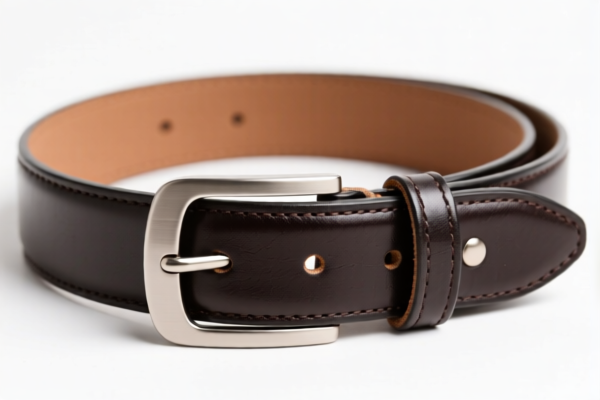
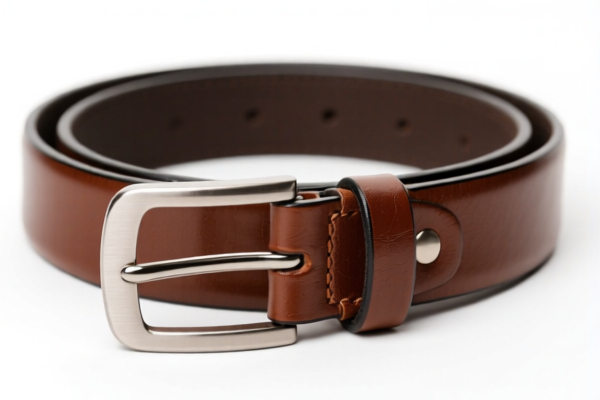
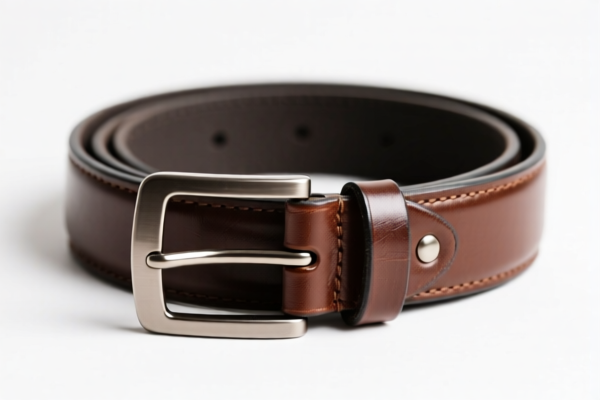
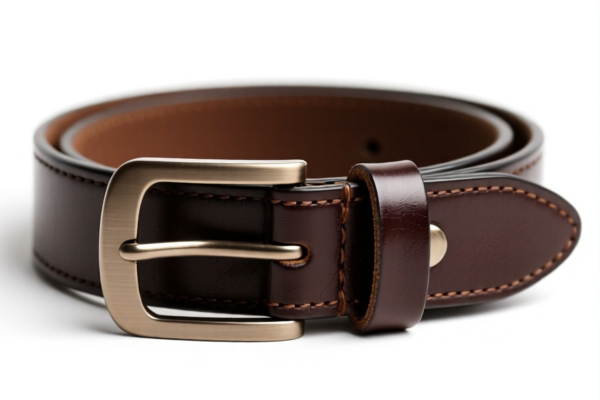
AI Analysis
🐄 Cow Leather Belts & Tanned Skins (Cowhide Belts)
🌐 HS Code Reference & Clearance Guide | 2026 Latest Tariff Analysis | Professional Customs Strategy
📌 I. Product Definition: What is "Cow Leather Belt"?
"Cow Leather Belt" is a broad term in international trade that can refer to two distinct categories of goods, leading to vastly different tariff treatments:
- Industrial Transmission Belts: Heavy-duty belts made from natural leather (cowhide) used to transmit power in machinery. Form: Continuous loops or cut-to-length belts.
- Leather Goods/Raw Materials: Finished leather belts for fashion/waistwear, or processed leather skins used for further manufacturing. Form: Finished accessories or semi-finished tanned skins.
⚠️ Critical Distinction:
- If it is a power transmission component for machinery → It is an Industrial Part.
- If it is a fashion accessory or raw leather material → It is a Leather Product/Material.
- Misclassification here can lead to a massive tariff gap (e.g., 15% vs. 38.3%).
📦 II. HS Code Classification Matrix (2026 Latest Tariff Data)
Based on the provided data, here are the 5 specific HS Codes and their logical classifications:
| HS Code | Product Description & Logic | Application Scenario | Total Tax Rate |
|---|---|---|---|
5910.00.90.00 |
Cowhide Transmission Belt: Natural leather material, shaped as a transmission belt, classified under "Other". | Industrial machinery, conveyor systems, engine drive belts. | 37.6% |
4113.90.60.00 |
Cow Leather for Handicraft/Processing: Tanned/processed leather, meeting requirements for other animal leathers. | Raw material for making bags, shoes, or crafts; processed hides. | 36.6% |
4104.11.40.10 |
Cow Leather (General/Residual): Tanned/semi-tanned leather, classified under the "catch-all" principle. | General tanned leather sheets, not fitting specific functional categories. | 15.0% |
4104.11.10.20 |
Cow Leather for Handicraft (Upper/Inner): Tanned/semi-tanned leather,用途符合面革或里革 (Used as upper or lining leather). | Leather for shoes, gloves, jackets, or other garments. | 35.0% |
4113.90.30.00 |
Cow Leather for Handicraft (Non-patterned): Processed leather, non-patterned, used for general non-decorative processing. | Large-scale industrial leather processing, non-decorative uses. | 38.3% |
🔍 Key Insight:
- The lowest tariff (15.0%) applies to4104.11.40.10via the "catch-all" (兜底) principle for general tanned leather.
- The highest tariff (38.3%) applies to4113.90.30.00for processed non-patterned leather.
- Transmission belts are unique (5910.00.90.00) and treated as industrial parts, not raw leather.
💰 III. 2026 Latest Tariff Rate Breakdown (Detailed Policy Add-ons)
✅ Applicable Country: United States (US)
✅ Origin: China (CN)
✅ Effective Date: From November 10, 2025 (including subsequent imports)
The total tax rate is composed of three parts: 1. Base Tariff (MFN): The standard WTO tariff. 2. Section 301 Tariff (Add-on): 25% for most Chinese goods. 3. Section 122 Tariff (IEEPA Add-on): 10% for specific Chinese goods.
🎯 1. 5910.00.90.00 —— Cowhide Transmission Belt (Industrial)
| Item | Content |
|---|---|
| Base Tariff | 2.6% |
| Section 301 Add-on | +25.0% |
| Section 122 Add-on | +10.0% |
| Total Rate | 37.6% |
| De Minimis Exemption? | ❌ NO (High value/importance items) |
| Legal Basis | USITC:5910.00.90.00 + Section 301 + Section 122 |
📌 Explanation:
- Transmission belts are considered critical industrial components.
- They do not qualify for de minimis (low-value shipment) exemptions due to their functional nature and high duty burden.
🎯 2. 4113.90.60.00 —— Processed Cow Leather (Handicraft/General)
| Item | Content |
|---|---|
| Base Tariff | 1.6% |
| Section 301 Add-on | +25.0% |
| Section 122 Add-on | +10.0% |
| Total Rate | 36.6% |
| De Minimis Exemption? | ❌ NO |
| Legal Basis | USITC:4113.90.60.00 + Section 301 + Section 122 |
🎯 3. 4104.11.40.10 —— General Tanned Leather (Catch-All) ⭐ LOWEST TARIFF
| Item | Content |
|---|---|
| Base Tariff | 5.0% |
| Section 301 Add-on | 0.0% (Note: Data shows 0% add-on, likely due to specific exemption or classification nuance) |
| Section 122 Add-on | +10.0% |
| Total Rate | 15.0% |
| De Minimis Exemption? | ❌ NO |
| Legal Basis | USITC:4104.11.40.10 + Section 122 |
📌 Strategic Note:
- This HS Code offers the lowest total tariff (15.0%).
- If the product can be argued as "general tanned leather" falling under the catch-all provision, it saves ~20-23% in taxes compared to other leather classifications.
- Risk: Requires strong justification that it does not fit specific "upper/lining" or "non-patterned processed" categories.
🎯 4. 4104.11.10.20 —— Tanned Leather (Upper/Lining)
| Item | Content |
|---|---|
| Base Tariff | 0.0% |
| Section 301 Add-on | +25.0% |
| Section 122 Add-on | +10.0% |
| Total Rate | 35.0% |
| De Minimis Exemption? | ❌ NO |
| Legal Basis | USITC:4104.11.10.20 + Section 301 + Section 122 |
🎯 5. 4113.90.30.00 —— Processed Leather (Non-Patterned) ⭐ HIGHEST TARIFF
| Item | Content |
|---|---|
| Base Tariff | 3.3% |
| Section 301 Add-on | +25.0% |
| Section 122 Add-on | +10.0% |
| Total Rate | 38.3% |
| De Minimis Exemption? | ❌ NO |
| Legal Basis | USITC:4113.90.30.00 + Section 301 + Section 122 |
🛠️ IV. Customs Clearance Practical Advice (Pitfall Avoidance Guide)
✅ 1. Preparation Checklist (Must-Have Documents)
| Document | Required? | Description |
|---|---|---|
| ✅ Product Specification Sheet | ✔️ | Must clearly state: Material (100% Cowhide), Form (Belt/Skin), Use (Transmission/Accessory/Processing). |
| ✅ Product Photos | ✔️ | Clear images showing grain, thickness, and any markings. |
| ✅ Commercial Invoice | ✔️ | Must specify "Cowhide Transmission Belt" or "Tanned Cow Leather" – NOT generic "Leather Belt". |
| ✅ Packing List | ✔️ | Weight and dimensions per package. |
| ✅ Certificate of Origin | ✔️ | If applicable for other markets (not US). |
| ✅ Test Reports | ✔️ | If claiming "industrial transmission belt," provide tensile strength/abrasion resistance tests. |
✅ 2. Declaration Tips (Critical Keywords)
🔥 "Define Use, Define Form, Avoid Ambiguity!"
| Scenario | Correct Declaration | Wrong Declaration | Consequence |
|---|---|---|---|
| Industrial Belt | Transmission Belt, Cowhide, Industrial Use |
Leather Belt |
High risk of misclassification → Audit & Penalty |
| Raw Leather Skin | Tanned Cowhide, Sheet Form, For Processing |
Cow Leather Belt |
May be forced into higher tariff code (4113.90.30.00) |
| Fashion Belt | Leather Waist Belt, Cowhide, Finished Goods |
Cowhide |
May be misclassified as raw material, causing delays |
| Catch-All Strategy | Tanned Leather, General Purpose, Non-Specific |
Upper Leather |
Can use 4104.11.40.10 (15%) vs 4104.11.10.20 (35%) |
✅ 3. Special Case Handling
| Situation | Handling Advice |
|---|---|
| OEM Custom Belts | Provide design specs. If it's a transmission belt, emphasize functional use (power transfer), not just material. |
| Mixed Shipments | Do NOT mix transmission belts with fashion belts. They have different HS Codes. Split shipments or declare separately. |
| Leather vs. Rubber Mix | If the belt has rubber components, verify if the essential character is leather. If yes, it may still go to 5910.00.90.00. If rubber dominates, it goes to Chapter 40. |
| "Catch-All" Claim | To use 4104.11.40.10 (15%), ensure the leather does not fit specific descriptions like "upper/lining" or "non-patterned processed." It must be a general-use tanned skin. |
🌍 V. Global Market Comparison (2026 Latest)
| Country/Region | Recommended HS Code | Tariff | Notes |
|---|---|---|---|
| 🇺🇸 USA | 5910.00.90.00 (Industrial) or 4104.11.40.10 (General) |
15% - 38.3% | High tariffs due to Sec 301 & 122. 15% is the sweet spot for general leather. |
| 🇨🇳 China | 4104.11 |
~10% | No Section 301/122. Lower cost for imports into China. |
| 🇪🇺 EU | 4104.11 |
~1.7% | Low base tariff. No Section 301/122. |
| 🇬🇧 UK | 4104.11 |
~1.7% | Post-Brexit tariff similar to EU for raw leather. |
📌 Conclusion:
- USA is the most expensive market due to additional duties.
- Strategy: For exports to the US, try to classify as General Tanned Leather (4104.11.40.10) if possible to save ~20% in taxes.
- Industrial Belts are unavoidable at high rates if they are truly transmission components.
📌 VI. Common Mistakes & Pitfalls (Blood & Tears Lessons)
❌ Mistake 1: Calling an industrial transmission belt "Leather Belt"
👉 Consequence: Customs may classify it as a fashion accessory or raw material, leading to wrong HS Code, delays, and penalties.
❌ Mistake 2: Assuming all "Cow Leather" gets the same tax
👉 Consequence: 4113.90.30.00 (38.3%) vs 4104.11.40.10 (15%) is a 23.3% difference. Misclassification costs millions.
❌ Mistake 3: Using "Catch-All" (4104.11.40.10) without justification
👉 Consequence: Customs officers may reject the "general purpose" claim if the leather has specific finishes (e.g., embossed, dyed for shoes) that fit other subheadings.
❌ Mistake 4: Ignoring Section 122 (10% Add-on)
👉 Consequence: Even if base tax is low, 10% is added to ALL Chinese leather imports to the US. Do not budget based on MFN only.
✅ Correct Action:
"Be Specific: 'Industrial Cowhide Transmission Belt' or 'General Tanned Cowhide Leather Sheet'. Provide technical datasheets to prove use/form."
🎯 VII. Conclusion: Precision in Classification, Profit in Clearance
🎯 Remember the Mantra:
🔹 "Industrial Belt = 5910 (37.6%)
🔹 General Leather = 4104.11.40.10 (15%) ⭐ Best Deal
🔹 Processed/Upper Leather = 35% - 38% (High Risk)
🔹 Add 10% Sec 122 & 25% Sec 301 for US Imports!🔹 "HS Code decides your profit margin. A 23% tax difference can make or break your deal."
📌 Pro Tip:
If you are exporting to the US, consider pre-classification rulings for new products. For large volumes of general tanned leather, argue for 4104.11.40.10 to maximize savings. Always declare the exact form (belt, sheet, skin) and use (transmission, garment, craft).
📣 Immediate Action:
📞 Consult a licensed customs broker.
📤 Provide product photos and technical specs.
🚀 Avoid the 38.3% trap. Aim for the 15% sweet spot!
✨ Professional Customs Clearance Starts with Accurate Classification!
💼 Your Every Dollar is Worth Calculating!
Customer Reviews
About HS Code Classification
The Harmonized System (HS) is an internationally standardized nomenclature developed by the World Customs Organization (WCO) to classify traded products. Over 200 countries use the HS system as the basis for customs tariffs, trade statistics, and import/export regulations.
Each HS code follows a hierarchical structure:
- Chapter (2 digits) — Broad category of goods (e.g., Chapter 84: Machinery and Mechanical Appliances)
- Heading (4 digits) — More specific grouping within the chapter
- Subheading (6 digits) — Internationally standardized breakdown, used by all WCO member countries
- National subdivisions (8-10 digits) — Country-specific extensions for further classification, such as US HTSUS 10-digit codes
Correct HS code classification is essential for smooth customs clearance, accurate duty payment, and compliance with trade regulations. Misclassification can lead to customs delays, overpayment of duties, or penalties.
When importing from CN to US, the applicable tariff rates may include:
- Most-Favored-Nation (MFN) rate — The standard duty rate applied to WTO members
- General rate — Applied to countries without trade agreements
- Trade remedy duties — Additional tariffs such as Section 301 (anti-dumping), Section 232 (national security), or countervailing duties
The information provided on this page is for reference purposes only. For official classification, please consult with your local customs authority or a licensed customs broker.