狗狗服装
CN → US| HS Code | Tariff Rate | Origin | Destination | Doc |
|---|---|---|---|---|
| 6307909891 | 24.5% | CN | US | Official Doc |
| 4201006000 | 12.8% | CN | US | Official Doc |
| 6307907500 | 14.3% | CN | US | Official Doc |
| 4201003000 | 37.4% | CN | US | Official Doc |
| 6114200060 | 28.3% | CN | US | Official Doc |
| 6114200020 | 28.3% | CN | US | Official Doc |
Product Images
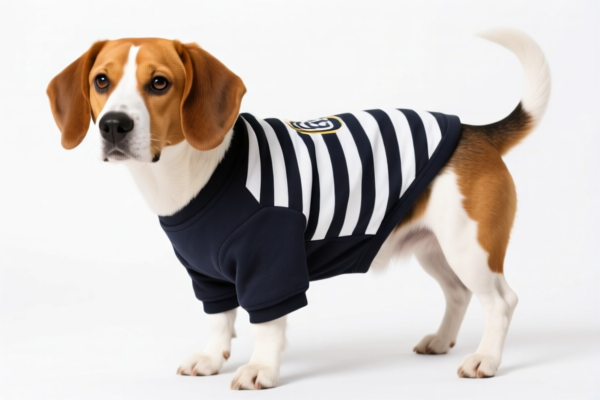
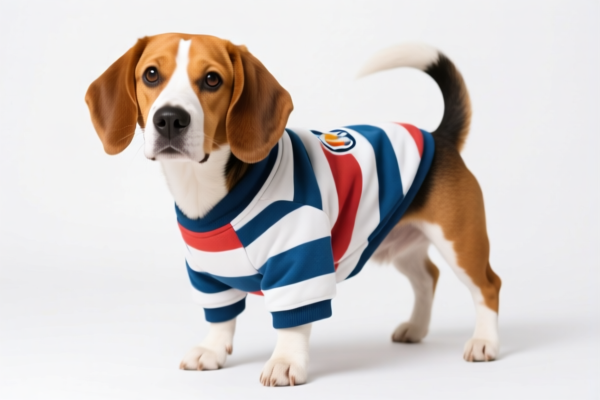
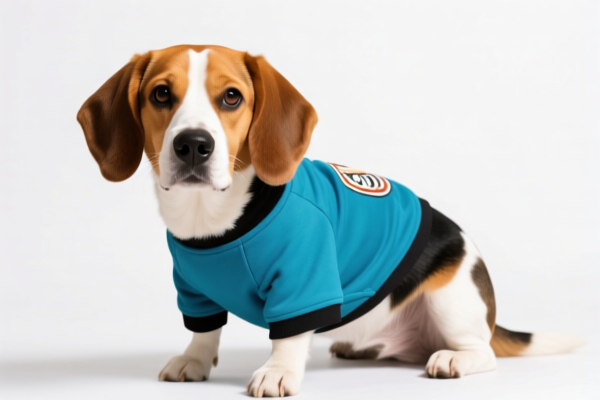
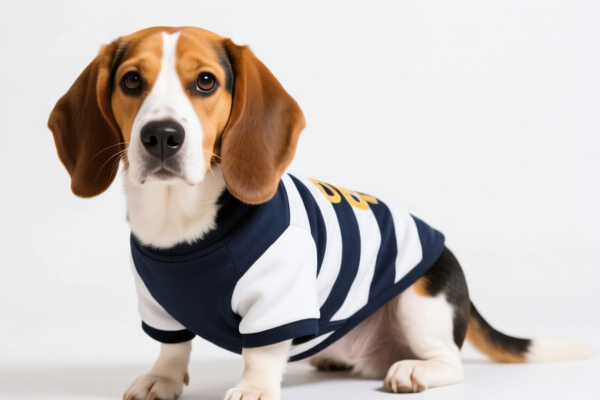
AI Analysis
🐶 Dog Clothing (Pet Apparel)
🌐 HS Code Reference & Customs Clearance Guide | 2026 Latest Tariff Analysis | Professional Entry Strategy
📌 Part 1: Product Definition & Classification Logic
Dog clothing, also known as pet apparel, is a specialized textile product designed for the comfort, protection, or aesthetic enhancement of pets. In international trade, the classification depends heavily on the material composition and the specific usage chapter of the Harmonized System (HS).
There are two main classification pathways: 1. Textile Category (Chapters 61/63): If the clothing is primarily viewed as a "made-up textile article," it falls under general textile headings. This is common for cotton, wool, or synthetic knitted/woven fabrics. 2. Accessories Category (Chapter 42): If the clothing is viewed as a "pet accessory" or "saddle/collars/leashes" equivalent, it may fall under Chapter 42. However, pure clothing items are often controversial here and sometimes misclassified.
⚠️ Key Classification Distinction: - Textile-based (Knitted/Woven) → Generally falls under 6114 or 6307. - Leather/Rubber/Plastic based → May fall under 4201 (though less common for typical "clothing"). - Conflict Alert: Some classifiers attempt to place dog clothes under 4201 (animal tack), but this is often challenged by customs if the item is clearly apparel (fabric-based).
📦 Part 2: HS Code Classification Details (2026 Latest Tariff Alignment)
Below are the five most relevant HS Codes identified for "Dog Clothing," ranked by classification logic and tax implications.
| HS Code | Product Description | Classification Logic | Tax Implication (US Import from CN) |
|---|---|---|---|
6307.90.75.00 |
Other made-up textile articles; Pet toys/accessories | Best Fit for Textile Accessories: Classified under "other made-up textile articles." Logic: Pet clothing is a textile product not elsewhere specified. | 14.3% (Lowest Liability) |
6307.90.98.91 |
Other made-up textile articles; Other finished goods | General Textile Finished Good: Falls under "other" for finished textile articles. No specific material conflict. | 24.5% (Medium Liability) |
6114.20.00.60 |
Other garments, knitted or crocheted (Cotton/Synthetic) | Knitted Apparel Logic: Treated similarly to human knitwear. Logic: Dog clothes are often knitted. "Other" category captures non-human specific knitwear. | 28.3% (Medium-High Liability) |
4201.00.30.00 |
Saddlery and harness for any animal; Whips, spurs, etc. | Accessory/Equipment Logic: Viewed as "pet equipment." Logic: If customs deems clothing as "gear" rather than "textile." | 37.4% (High Liability) |
4201.00.60.00 |
Saddlery and harness for any animal; Other | Broad Accessory Logic: Catch-all for animal accessories. High tariff due to Section XI vs Chapter 42 trade tensions. | 37.8% (Highest Liability) |
🔍 Key Insight: - The Textile Codes (63xx/61xx) are generally preferred for fabric-based dog clothes because they align with standard apparel classification principles. - The Chapter 42 Codes (4201) are riskier. While logically they cover "animal equipment," customs often scrutinize them because Chapter 42 primarily covers leather/harness items, leading to higher "China-specific" tariffs (Section 301 + IEEPA).
💰 Part 3: 2026 Tariff Rate Breakdown (Detailed Tax Clauses)
✅ Applicable Country: United States (US)
✅ Origin: China (CN)
✅ Effective Date: November 10, 2025 onwards (Post-IEEPA updates)
🎯 1. 6307.90.75.00 — The Optimal Choice (Lowest Risk)
| Item | Content |
|---|---|
| Base Duty Rate | 4.3% (Standard MFN) |
| Section 301 Add-on | 0.0% (No additional 25% tariff) |
| IEEPA Add-on | +10% (China-specific emergency tariff) |
| Total Effective Rate | 14.3% |
| De Minimis Eligibility | ❌ No (Deny de minimis) |
| Legal Path | USITC:6307.90.75.00 → IEEPA:9903.01.24 |
📌 Explanation: - This code benefits from a 0% Section 301 add-on, which is rare for textile-related goods from China. - The 10% IEEPA tariff is standard for most Chinese imports post-2025. - Strategic Advantage: It is the cheapest option among all plausible codes.
🎯 2. 6307.90.98.91 — General Textile Finished Goods
| Item | Content |
|---|---|
| Base Duty Rate | 7.0% |
| Section 301 Add-on | +7.5% (Partial Section 301 exemption status) |
| IEEPA Add-on | +10% |
| Total Effective Rate | 24.5% |
| De Minimis Eligibility | ❌ No |
| Legal Path | USITC:6307.90.98.91 → IEEPA:9903.01.24 |
📌 Explanation: - Higher base rate than
6307.90.75.00. - Subject to a partial Section 301 tariff (7.5%), making it more expensive than the first option.
🎯 3. 6114.20.00.60 — Knitted Apparel Logic
| Item | Content |
|---|---|
| Base Duty Rate | 10.8% |
| Section 301 Add-on | +7.5% |
| IEEPA Add-on | +10% |
| Total Effective Rate | 28.3% |
| De Minimis Eligibility | ❌ No |
| Legal Path | USITC:6114.20.00.60 → IEEPA:9903.01.24 |
📌 Explanation: - Classified as "Other knitted garments." - Higher base duty (10.8%) reflects the tariff treatment of knitwear. - Still benefits from the same IEEPA + partial 301 structure.
🎯 4. 4201.00.30.00 — Animal Equipment/Accessories
| Item | Content |
|---|---|
| Base Duty Rate | 2.4% |
| Section 301 Add-on | +25.0% (Full Section 301) |
| IEEPA Add-on | +10% |
| Total Effective Rate | 37.4% |
| De Minimis Eligibility | ❌ No |
| Legal Path | USITC:4201.00.30.00 → IEEPA:9903.01.24 → USITC:4201 (Footnote) |
📌 Explanation: - Trap Alert: Although the base duty is low (2.4%), the 25% Section 301 tariff applies fully. - This makes it significantly more expensive than textile codes, despite being "accessories."
🎯 5. 4201.00.60.00 — Other Animal Accessories
| Item | Content |
|---|---|
| Base Duty Rate | 2.8% |
| Section 301 Add-on | +25.0% (Full Section 301) |
| IEEPA Add-on | +10% |
| Total Effective Rate | 37.8% |
| De Minimis Eligibility | ❌ No |
| Legal Path | USITC:4201.00.60.00 → IEEPA:9903.01.24 |
📌 Explanation: - Similar to above, the high Section 301 tariff negates the low base duty. - Recommendation: Avoid unless the product is made of leather or non-textile materials explicitly.
🛠️ Part 4: Customs Clearance Practical Advice
✅ 1. Documentation Checklist (Mandatory)
| Document | Required? | Purpose |
|---|---|---|
| ✅ Product Composition Label | ✔️ | Must specify material (e.g., "100% Cotton Knit," "Polyester Weave") to justify 6307 or 6114. |
| ✅ Commercial Invoice | ✔️ | Must clearly state "Dog Clothing" or "Pet Apparel," NOT "Animal Tack" or "Harness." |
| ✅ Product Photos | ✔️ | Show the item on a dog or flat-laid, demonstrating it is apparel (sleeves, legs, body cover). |
| ✅ Care Label | ✔️ | Standard for textile garments; helps prove classification as apparel. |
| ✅ Bill of Lading / Air Waybill | ✔️ | Standard shipping document. |
⚠️ Critical Tip: Do NOT describe the goods as "Leather Harness" or "Saddle Part" if it is made of fabric. Customs will flag
4201and assess the 37%+ tariff. If you mislabel fabric clothing as4201, you risk penalties for misclassification.
✅ 2. Declaration Strategy (Key Mantra)
🔥 "Fabric is Textile, Not Tack; Specify Material, Avoid 4201 Trap!"
| Scenario | Recommended HS Code | Risk Level |
|---|---|---|
| Cotton/Polyester Knit Jacket | 6307.90.75.00 |
🟢 Low (Best Tax Rate) |
| Woven Raincoat | 6307.90.98.91 |
🟡 Medium |
| Heavy Knit Sweater | 6114.20.00.60 |
🟡 Medium |
| Leather Vest/Collar Combo | 4201.00.30.00 |
🔴 High (High Tariff) |
| Any Fabric Item as "Animal Accessory" | 4201.00.60.00 |
🔴 High (High Tariff) |
✅ 3. Special Cases & Pitfalls
| Situation | Handling Advice |
|---|---|
| Mixed Material (e.g., Nylon with Leather Patches) | If leather < 50%, classify as Textile (6307). If leather is dominant, consider 4201 but be ready for 37% tax. |
| OEM/Private Label | Ensure the invoice lists the material content clearly. "Dog Clothes" is too vague; use "Dog Sweater, 100% Acrylic Knit." |
| De Minimis (Section 321) | ❌ Not Eligible: All codes listed above are denied de minimis entry into the US. You must file a formal customs entry (CBP Form 7501). |
| IEEPA Exemptions | Currently, no general exemption exists for dog clothing from China under IEEPA 10%. Ensure your supplier is not routing through third countries illegally to avoid fraud penalties. |
🌍 Part 5: Global Market Comparison (2026)
| Region | Recommended HS Code | Est. Total Duty (China Origin) | Notes |
|---|---|---|---|
| 🇺🇸 USA | 6307.90.75.00 |
14.3% | Lowest US liability due to 0% Section 301 on this specific sub-heading. |
| 🇨🇳 China | 6307.90.90.00 |
~10-14% | Import duty varies; check local customs broker for domestic resale VAT. |
| 🇪🇺 EU | 6114.20.00 |
~12% | No Section 301 equivalent, but standard EU customs duties apply. |
| 🇬🇧 UK | 6307.90.98 |
~12% | Post-Brexit tariffs; generally lower than US Section 301 impact. |
| 🇨🇦 Canada | 6307.90.00.90 |
~17.5% | No de minimis for low-value; check CUSMA if originating in Mexico/US. |
📌 Conclusion for US Importers: - Avoid
4201for fabric dog clothes. The 25% Section 301 tariff makes it 2.5x more expensive than6307. - Aim for6307.90.75.00. It offers the best balance of classification logic (textile accessory) and tax efficiency (14.3%).
📌 Part 6: Common Errors & Pitfalls (Lessons Learned)
❌ Error 1: Classifying cotton dog sweaters under 4201.00.30.00 (Animal Saddle/Harness).
👉 Consequence: Paying 37.4% instead of 14.3%. Loss: ~23% of CIF value.
❌ Error 2: Claiming De Minimis (Section 321) for shipments under $800. 👉 Consequence: Shipment seized or returned. All listed HS codes are explicitly denied de minimis for Chinese origin.
❌ Error 3: Vague Description "Pet Supplies." 👉 Consequence: Customs examiner may assign a wrong code (often the highest duty one). Always specify "Dog Clothing, 100% Polyester."
❌ Error 4: Ignoring IEEPA 10% Surcharge. 👉 Consequence: Underestimating landed cost. The 10% IEEPA tariff is non-negotiable for most Chinese textiles post-2025.
✅ Correct Action:
Declare as: "Dog Jacket, Knitted, 100% Polyester, For Animal Use."
Classify as:6307.90.75.00
Expected Duty: 14.3%
🎯 Part 7: Conclusion
🎯 Remember the Mantra:
🔹 "Fabric is Textile, Not Tack."
🔹 "6307 is King, 4201 is a Trap."
🔹 "Always Pay the 10% IEEPA, No De Minimis Allowed."
📌 Pro Tip: If you are importing high-value designer pet clothing, consider Advance Rulings from CBP. This provides legal certainty and protects against retroactive audits.
📣 Immediate Action:
📞 Consult a licensed customs broker to verify your specific material composition. 🚀 Optimize your landed cost by choosing the right HS Code today!
✨ Professional Customs Clearance Starts with Accurate Classification!
💼 Every percentage point saved is profit earned!
Customer Reviews
About HS Code Classification
The Harmonized System (HS) is an internationally standardized nomenclature developed by the World Customs Organization (WCO) to classify traded products. Over 200 countries use the HS system as the basis for customs tariffs, trade statistics, and import/export regulations.
Each HS code follows a hierarchical structure:
- Chapter (2 digits) — Broad category of goods (e.g., Chapter 84: Machinery and Mechanical Appliances)
- Heading (4 digits) — More specific grouping within the chapter
- Subheading (6 digits) — Internationally standardized breakdown, used by all WCO member countries
- National subdivisions (8-10 digits) — Country-specific extensions for further classification, such as US HTSUS 10-digit codes
Correct HS code classification is essential for smooth customs clearance, accurate duty payment, and compliance with trade regulations. Misclassification can lead to customs delays, overpayment of duties, or penalties.
When importing from CN to US, the applicable tariff rates may include:
- Most-Favored-Nation (MFN) rate — The standard duty rate applied to WTO members
- General rate — Applied to countries without trade agreements
- Trade remedy duties — Additional tariffs such as Section 301 (anti-dumping), Section 232 (national security), or countervailing duties
The information provided on this page is for reference purposes only. For official classification, please consult with your local customs authority or a licensed customs broker.