猪饮水器
CN → US| HS Code | Tariff Rate | Origin | Destination | Doc |
|---|---|---|---|---|
| 7326908688 | 87.9% | CN | US | Official Doc |
| 7326190080 | 87.9% | CN | US | Official Doc |
| 8436800040 | 35.0% | CN | US | Official Doc |
| 8436800090 | 35.0% | CN | US | Official Doc |
Product Images

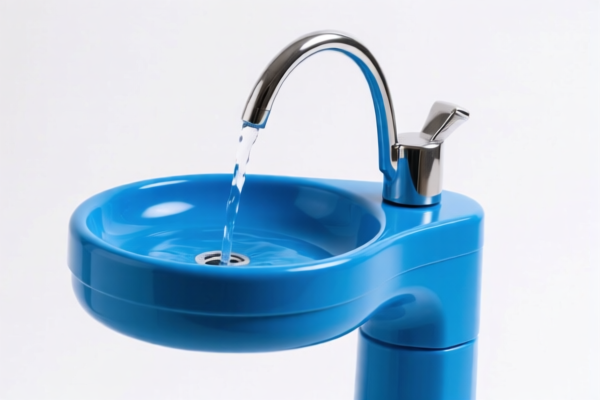
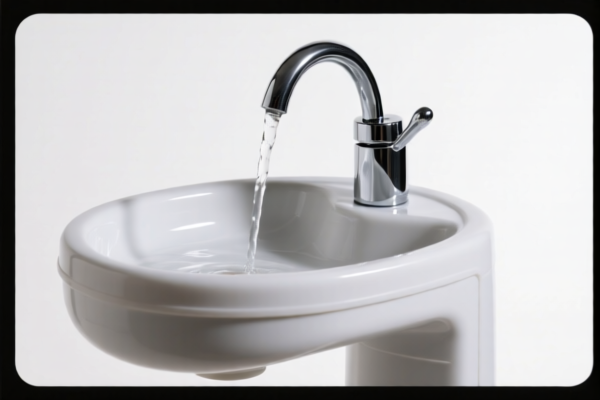
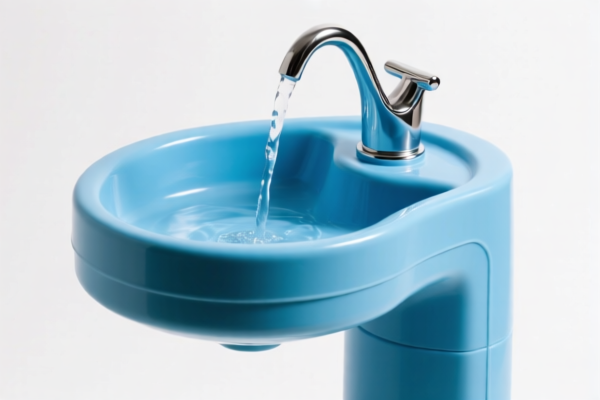
AI Analysis
🐷 Pig Waterer (Automatic Drinking Equipment for Livestock)
🌐 HS Code & Tariff Guide | 2026 U.S. Trade Compliance Deep Dive | Expert Customs Clearance Strategy
📌 One Product, Three Critical HS Codes — Know the Difference to Avoid 87.9% Tariffs!
📦 I. Product Definition & Classification: What Is a Pig Waterer?
A pig waterer is an automated or manual drinking device used in swine farming to provide clean, continuous water access to pigs. It is a key component of agricultural livestock management systems, especially in intensive pig farming operations.
⚠️ Critical Distinction: - If the waterer is made of metal (steel/iron), shaped via stamping or machining, and used in agricultural machinery systems → HS Code 7326.19.00.80 or 7326.90.86.88 - If the waterer is part of a larger animal husbandry system, such as a feeding or watering station, and not a standalone metal part → HS Code 8436.80.00.90 or 8436.80.00.40
🔍 Key Insight:
The material, form, and functional integration determine the HS code — not just the name.
📊 II. HS Code Breakdown (2026 U.S. Tariff Schedule – China-Origin Goods)
| HS Code | Product Description | Material & Form | Functional Use | Tax Rate |
|---|---|---|---|---|
7326.19.00.80 |
Other pressed or stamped metal articles, not specified; for agricultural machinery parts | Steel, stamped/processed, not listed elsewhere | Pig drinking nozzles, fittings, brackets, metal housings | 87.9% |
7326.90.86.88 |
Other iron or steel articles, not specified; not included in other subheadings | Iron or steel, general-purpose metal parts | Metal components of pig waterers not covered under specific subheadings | 87.9% |
8436.80.00.90 |
Other parts for agricultural or animal husbandry machinery; not specified | Metal or plastic, used in livestock equipment | Integrated pig watering units, part of barn systems | 35.0% |
8436.80.00.40 |
Parts for grain storage or barn machinery; not specified | Metal or plastic, used in barns, feeding stations | Waterers in grain storage facilities or barns | 35.0% |
📌 Why the Tax Difference?
- 7326 codes = raw metal parts → Subject to steel-specific tariffs - 8436 codes = functional components in machinery systems → Lower tariff treatment
💰 III. 2026 U.S. Tariff Breakdown (China-Origin Goods)
🎯 1. 7326.19.00.80 — Stamped Steel Parts for Agricultural Use
| Tax Component | Rate | Legal Basis |
|---|---|---|
| Base Tariff | 2.9% | U.S. Harmonized Tariff Schedule (HTS) |
| Section 301 (USITC) Additional Duty | +25.0% | From U.S. Trade Act of 1974, 301 Investigation on China |
| Section 122 (Steel & Aluminum) Additional Duty | +10% | Imposed on steel and aluminum products from China |
| Section 122 – 10% Steel/Aluminum/Non-Ferrous Add-on | +50% | Specific to steel, aluminum, and copper products |
| Total Effective Tariff | 87.9% | CIF × 87.9% |
📌 Legal Pathway:
HTS: 7326.19.00.80→USITC: 301 (9903.88.01)→Section 122: 9903.88.02→Steel/Aluminum/Copper Add-on: 9903.88.03✅ Applies to:
- Stamped steel nozzles, metal brackets, housing units for pig waterers
- Even if labeled “for livestock”, if made of steel and not a complete machine → 87.9%
🎯 2. 7326.90.86.88 — Other Iron/Steel Articles (Not Elsewhere Specified)
| Tax Component | Rate | Legal Basis |
|---|---|---|
| Base Tariff | 2.9% | HTS |
| Section 301 (USITC) | +25.0% | 301 Investigation |
| Section 122 (Steel/Aluminum) | +10% | Steel & aluminum tariffs |
| Section 122 – 10% Add-on (Steel/Aluminum/Copper) | +50% | Applies to all steel, aluminum, copper products |
| Total Effective Tariff | 87.9% | CIF × 87.9% |
📌 Key Note:
- This code covers any iron or steel part not specifically listed — including pig waterer components made of steel but not in a defined subheading. - No distinction between "agricultural" or "industrial" — if it's steel, it gets hit.
🎯 3. 8436.80.00.90 — Other Parts for Animal Husbandry Machinery
| Tax Component | Rate | Legal Basis |
|---|---|---|
| Base Tariff | 0.0% | HTS |
| Section 301 (USITC) | +25.0% | 301 Investigation |
| Section 122 (Steel/Aluminum) | +10% | Steel & aluminum tariffs |
| Total Effective Tariff | 35.0% | CIF × 35.0% |
📌 Applies to:
- Integrated pig waterers used in barn systems, feeding stations, or grain storage facilities - Not standalone metal parts — but functionally part of a larger system - Plastic or metal — but only if used in animal husbandry machinery
🎯 4. 8436.80.00.40 — Parts for Grain Storage or Barn Machinery
| Tax Component | Rate | Legal Basis |
|---|---|---|
| Base Tariff | 0.0% | HTS |
| Section 301 (USITC) | +25.0% | 301 Investigation |
| Section 122 (Steel/Aluminum) | +10% | Steel & aluminum tariffs |
| Total Effective Tariff | 35.0% | CIF × 35.0% |
📌 Applies to:
- Waterers used in grain barns, feed storage areas, or multi-purpose farm machinery - Not standalone parts, but integrated into larger farm systems
🛠️ IV. Customs Clearance Best Practices (Avoid 87.9% Trap!)
✅ 1. Documentation Checklist (Must-Have)
| Document | Required? | Why It Matters |
|---|---|---|
| ✅ Product Specification Sheet | ✔️ | Show material (steel/plastic), dimensions, function |
| ✅ Assembly Diagram / Schematic | ✔️ | Prove whether it’s a standalone part or integrated system |
| ✅ High-Res Product Photos (with label) | ✔️ | Show material, structure, mounting |
| ✅ Commercial Invoice | ✔️ | Must state: “Pig Drinking System, for Animal Husbandry” |
| ✅ Certificate of Origin (CO) | ✔️ | If from Vietnam, Mexico, Thailand → may avoid 301 tariffs |
| ✅ Test Report (RoHS, CE, FCC if applicable) | ✔️ | For non-metal parts or electronics |
✅ 2.申报技巧 (申报口诀)
🔥 “Material First, Form Second, Use Last — 87.9% or 35%? It’s All in the HS Code!”
| Scenario | Correct HS Code | Wrong Code | Risk |
|---|---|---|---|
| Stamped steel nozzle for pig waterer | 7326.19.00.80 |
8436.80.00.90 |
87.9% instead of 35% |
| Plastic waterer in barn feeding station | 8436.80.00.40 |
7326.90.86.88 |
Wrong material classification → 87.9% |
| Complete pig waterer with bracket, hose, valve | 8436.80.00.90 |
7326.19.00.80 |
87.9% instead of 35% |
| Waterer used in grain storage barn | 8436.80.00.40 |
7326.19.00.80 |
High risk of over-tariff |
✅ 3. Special Cases & Mitigation
| Situation | Solution |
|---|---|
| Made in China, but uses plastic parts | Use 8436.80.00.90 or 8436.80.00.40 — avoid steel codes |
| Stainless steel parts | Still subject to 50% add-on under Section 122 — no exemption |
| OEM product for U.S. farm equipment | Apply for HTS pre-ruling — get binding classification |
| Export from Vietnam/Mexico | No 301 tariffs — only 0.0% base + 10% Section 122 → 10% total |
🌍 V. Global Tariff Comparison (2026)
| Country | Recommended HS Code | Base Tariff | 301 + 122 Add-on | Total |
|---|---|---|---|---|
| 🇺🇸 USA (China-origin) | 7326.19.00.80 |
2.9% | +85.0% | 87.9% |
| 🇺🇸 USA (Vietnam/Mexico-origin) | 8436.80.00.90 |
0.0% | +10% | 10.0% |
| 🇨🇳 China | 8436.80.00.90 |
5% | 0% | 5% |
| 🇪🇺 EU | 8436.80.00.90 |
0% | 0% | 0% |
| 🇦🇺 Australia | 8436.80.00.90 |
5% | 0% | 5% |
| 🇯🇵 Japan | 8436.80.00.90 |
0% | 0% | 0% |
📌 Insight:
- The U.S. is the only market with 87.9% tariff on steel pig waterer parts
- Shift production to Vietnam/Mexico → save 80%+ in tariffs
📌 VI. Common Mistakes & Real-World Pitfalls
❌ Mistake 1: Labeling a stamped steel pig waterer nozzle as “for agriculture” → still 87.9%
👉 Fix: Use material + function in description: “Steel Stamped Nozzle, for Livestock Drinking System”
❌ Mistake 2: Splitting a complete pig waterer into “nozzle + bracket + hose” → each part taxed at 87.9%
👉 Result: Total tariff > 260% — catastrophic
❌ Mistake 3: Not providing assembly diagram → customs assumes it’s a standalone metal part
👉 Result: Wrong HS code → audit, penalties, delays
✅ Correct Labeling Example:
“Integrated Pig Waterer System, Plastic & Metal Components, for Barn Use, Model XYZ, CE & RoHS Certified”
🎯 VII. Conclusion: Precision Wins — Avoid 87.9% Trap!
🎯 Remember the Golden Rule:
🔹 “If it’s steel, it’s 87.9% — unless it’s part of a system, then it’s 35%!”
🔹 “Don’t call it ‘agricultural’ — call it ‘part of animal husbandry machinery’!”
📌 Pro Tips: - ✅ Apply for HTS Pre-Ruling before shipping — get binding classification - ✅ Use Vietnam/Mexico as production hubs → avoid 301 & 50% add-on - ✅ Use plastic components where possible → avoid steel tariffs entirely
📣 Act Now!
📞 Contact a U.S. Customs Broker + HTS Pre-Ruling Specialist
🚀 Ensure your pig waterers clear customs at 35%, not 87.9%
✨ Smart Tariff Strategy Starts with Smart Classification!
💼 Your profit margin depends on the right HS Code — don’t gamble!
Customer Reviews
About HS Code Classification
The Harmonized System (HS) is an internationally standardized nomenclature developed by the World Customs Organization (WCO) to classify traded products. Over 200 countries use the HS system as the basis for customs tariffs, trade statistics, and import/export regulations.
Each HS code follows a hierarchical structure:
- Chapter (2 digits) — Broad category of goods (e.g., Chapter 84: Machinery and Mechanical Appliances)
- Heading (4 digits) — More specific grouping within the chapter
- Subheading (6 digits) — Internationally standardized breakdown, used by all WCO member countries
- National subdivisions (8-10 digits) — Country-specific extensions for further classification, such as US HTSUS 10-digit codes
Correct HS code classification is essential for smooth customs clearance, accurate duty payment, and compliance with trade regulations. Misclassification can lead to customs delays, overpayment of duties, or penalties.
When importing from CN to US, the applicable tariff rates may include:
- Most-Favored-Nation (MFN) rate — The standard duty rate applied to WTO members
- General rate — Applied to countries without trade agreements
- Trade remedy duties — Additional tariffs such as Section 301 (anti-dumping), Section 232 (national security), or countervailing duties
The information provided on this page is for reference purposes only. For official classification, please consult with your local customs authority or a licensed customs broker.