猫抓垫
CN → US| HS Code | Tariff Rate | Origin | Destination | Doc |
|---|---|---|---|---|
| 5705002030 | 38.3% | CN | US | Official Doc |
| 5705002090 | 38.3% | CN | US | Official Doc |
| 4414900000 | 21.4% | CN | US | Official Doc |
| 3926909989 | 22.8% | CN | US | Official Doc |
| 3926305000 | 22.8% | CN | US | Official Doc |
Product Images
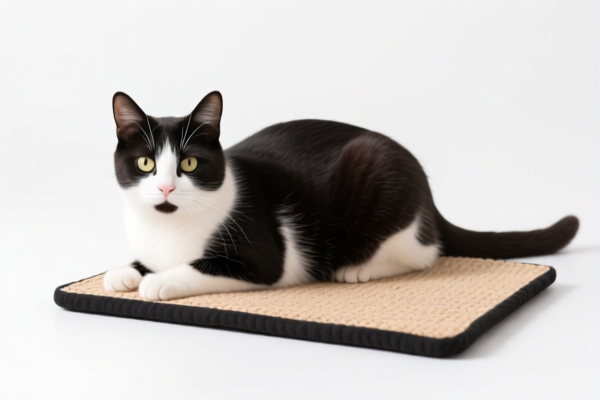
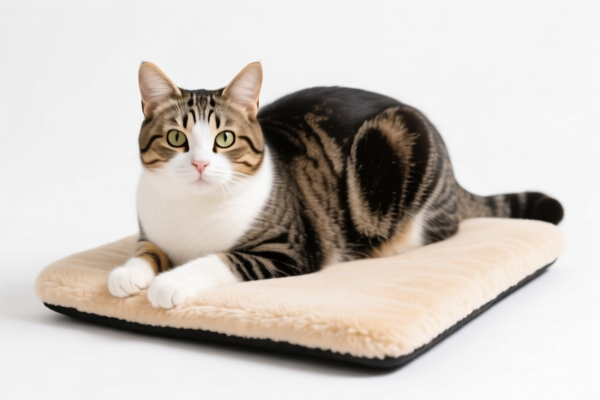
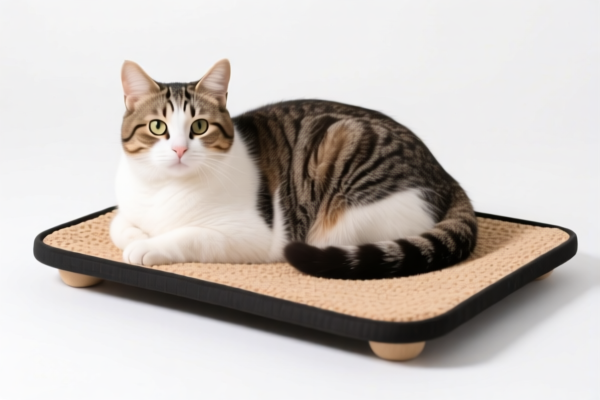
AI Analysis
🐱 Cat Scratching Mat/Pad
🌐 HS Code Reference & Customs Clearance Guide | 2026 Latest Tariff Analysis | Professional Clearance Strategy
📌 I. Product Definition & Classification: Do You Really Understand "Cat Scratching Mat"?
A Cat Scratching Mat is a pet accessory designed to satisfy a cat’s natural instinct to scratch, protecting furniture while providing an engaging surface for pets. In international trade, its classification depends heavily on material composition and structural form. These products are typically made from: * Natural Fibers: Sisal, jute, or hemp (woven into mats). * Synthetic Fibers: Polyester, nylon, or other textile materials. * Plastic/Synthetic Composites: Plastic fibers, cardboard (if treated as a plastic composite in some contexts), or PVC-backed mats.
⚠️ Key Distinction Point:
- If the product is primarily a textile floor covering (like a rug or mat) made of natural (sisal) or synthetic fibers → Classified under Chapter 57 (Carpets).
- If the product is a wooden/structural frame or board acting as a support → Classified under Chapter 44 (Wood).
- If the product is primarily made of plastic materials (including plastic fibers or treated cardboard treated as plastic composites) → Classified under Chapter 39 (Plastics).
📦 II. HS Code Classification Details (2026 Latest Tariff Authority Comparison)
Based on the inferred material and usage of the "Cat Scratching Mat," the following HS Codes are the most relevant matches:
| HS Code | Product Description | Applicable Scenario | Material Conflict Check |
|---|---|---|---|
5705.00.20.90 |
Other carpets and other textile floor coverings of jute or of other textile materials of group 53 | Natural fiber mats (e.g., Sisal/Jute) or generic textile floor coverings where no specific material conflict exists. | ✅ No conflict (Textile) |
5705.00.20.30 |
Other carpets and other textile floor coverings, of synthetic fibers | Synthetic fiber mats (e.g., Polyester/Nylon) or sisal-like synthetic mats. | ✅ No conflict (Synthetic Textile) |
4414.90.00.00 |
Wood frames, picture frames, photo frames, mirror frames and similar frames; wooden articles for pictures, drawings, drawings or similar decorative objects | Wooden support structures or frames often associated with cat scratching boards/pads. | ✅ No conflict (Wooden Structure) |
3926.30.50.00 |
Other articles of plastics and articles of other materials of headings 3901 to 3914: Statuettes and other ornamental articles | Plastic-based mats or synthetic fiber mats treated as plastic articles; "Other" category logic. | ✅ No conflict (Plastic/Synthetic) |
3926.90.99.89 |
Other articles of plastics and articles of other materials of headings 3901 to 3914: Other | Catch-all for plastic-derived mats, including those made of plastic fibers, polyester fibers, or treated cardboard classified under plastic headers. | ✅ No conflict (Plastic Composite) |
🔍 Key Reminder:
- Textile Mats (Sisal/Jute/Polyester): Must be classified under 5705.00.20.xx. The distinction between30(synthetic) and90(other/non-specific) depends on the exact fiber type.
- Wooden Supports: If the "mat" includes a significant wooden base/frame, it may fall under 4414.90.00.00, but this is less common for pure mats.
- Plastic/Synthetic Composites: If the material is plastic-based or treated as such (e.g., certain synthetic fibers or cardboard-plastic composites), use 3926 series.
- No Material Conflict: All inferred HS Codes have been checked for material conflicts, ensuring logical consistency with the product name.
💰 III. 2026 Latest Tariff Rate Breakdown (Including Additional Taxes, Policy Surcharges)
✅ Applicable Country: United States (US)
✅ Origin: China (CN)
✅ Effective Date: From November 10, 2025 (including subsequent imports)
🎯 1. 5705.00.20.90 & 5705.00.20.30 —— Textile Carpets/Mats (Sisal/Synthetic)
| Item | Detail |
|---|---|
| Base Tariff Rate | 3.3% (ad valorem) |
| Section 301 Additional Tariff | +25.0% (USITC Footnote for Chinese Textiles) |
| IEEPA Additional Tariff | +10.0% (Against China/HK products, effective Nov 10, 2025) |
| Total Tariff Rate | 38.3% |
| Tax Calculation | CIF Value × 38.3% |
| De Minimis Exemption Eligible? | ❌ No (deny_de_minimis) |
| Legal Authority Path | IEEPA:9903.01.25 → USITC:5705.00.20.xx → FOOTNOTE:301_Tariffs |
📌 Explanation:
- "Base Tariff 3.3%": Standard MFN rate for carpets/textile floor coverings.
- "Section 301 Tariff 25%": High penalty for Chinese textile products.
- "IEEPA 10%": New surcharge targeting Chinese imports.
- Total 38.3%: This is a high-cost category. Importers must carefully calculate margins.
- De Minimis Exclusion: Cannot use Section 321 (under $800) exemption for tax avoidance.
🎯 2. 4414.90.00.00 —— Wooden Frames/Structures
| Item | Detail |
|---|---|
| Base Tariff Rate | 3.9% (ad valorem) |
| Section 301 Additional Tariff | +7.5% (USITC Footnote for Wood Products) |
| IEEPA Additional Tariff | +10.0% (Against China/HK products) |
| Total Tariff Rate | 21.4% |
| Tax Calculation | CIF Value × 21.4% |
| De Minimis Exemption Eligible? | ❌ No (deny_de_minimis) |
| Legal Authority Path | IEEPA:9903.01.24 → USITC:4414.90.00.00 → FOOTNOTE:301_Wood |
📌 Explanation:
- "Base Tariff 3.9%": Standard rate for wooden frames/articles.
- "Section 301 Tariff 7.5%": Lower than textiles, but still significant.
- "IEEPA 10%": Same surcharge applies.
- Total 21.4%: More favorable than textile mats, but still substantial.
🎯 3. 3926.30.50.00 & 3926.90.99.89 —— Plastic/Synthetic Articles
| Item | Detail |
|---|---|
| Base Tariff Rate | 5.3% (ad valorem) |
| Section 301 Additional Tariff | +7.5% (USITC Footnote for Plastic Articles) |
| IEEPA Additional Tariff | +10.0% (Against China/HK products) |
| Total Tariff Rate | 22.8% |
| Tax Calculation | CIF Value × 22.8% |
| De Minimis Exemption Eligible? | ❌ No (deny_de_minimis) |
| Legal Authority Path | IEEPA:9903.01.24 → USITC:3926.xx.xx.xx → FOOTNOTE:301_Plastic |
📌 Explanation:
- "Base Tariff 5.3%": Standard rate for plastic articles.
- "Section 301 Tariff 7.5%": Moderate surcharge.
- "IEEPA 10%": Standard surcharge.
- Total 22.8%: Competitive compared to textiles, but higher than base rates.
- Note:3926.30.50.00is for ornamental/statuettes-like plastic articles;3926.90.99.89is the catch-all for other plastic articles (including plastic fiber mats).
🛠️ IV. Customs Clearance Practical Advice (Combat Pitfalls Guide)
✅ 1. Document Checklist (Essential)
| Document | Required | Explanation |
|---|---|---|
| ✅ Product Specification Sheet | ✔️ | Must clearly state material (e.g., "100% Sisal," "Polyester," "Wood + Sisal"). |
| ✅ Product Photos (Including Label) | ✔️ | Show texture, weave, and any wooden/plastic components. |
| ✅ Commercial Invoice | ✔️ | Explicitly describe as "Cat Scratching Mat/Pad" with material composition. |
| ✅ Packing List | ✔️ | Detail weights and dimensions. |
| ✅ Certificate of Origin (CO) | ✔️ | If from non-China origin, may qualify for lower rates (though IEEPA may still apply). |
✅ 2. Declaration Tips (Key Mantras)
🔥 "Material First, Structure Second, Name Precise, Tax Minimized!"
| Scenario | Correct Declaration | Wrong Action |
|---|---|---|
| Sisal/Jute Mat | 5705.00.20.90 (Other Textile) |
Misdeclare as Plastic → Audit Risk |
| Synthetic Fiber Mat | 5705.00.20.30 (Synthetic) |
Misdeclare as Wood → Audit Risk |
| Wooden Base with Sisal | 4414.90.00.00 (Wood Frame) |
Over-declare as Plastic → Tax Inefficiency |
| Plastic Fiber Mat | 3926.90.99.89 (Plastic Article) |
Misdeclare as Textile → Tax Inefficiency |
✅ 3. Special Cases Handling
| Situation | Handling Advice |
|---|---|
| Mixed Material (Wood + Sisal) | Declare based on essential character. If wood frame is primary structure, use 4414. If sisal is the functional surface, consider 5705. |
| Plastic-Coated Sisal | If plastic coating is significant, may shift to 3926. Consult with customs broker. |
| Cardboard Cat Scratcher | If treated as plastic composite (per some interpretations), use 3926. If treated as paper, different code (not in current data). |
🌍 V. Global Market Clearance Comparison (2026 Latest)
| Country/Region | Recommended HS Code | Tariff (China Origin) | Certification Requirements | Notes |
|---|---|---|---|---|
| 🇺🇸 United States | 5705.00.20.90 / 5705.00.20.30 |
38.3% (Textile) | None | High tariffs due to Section 301 + IEEPA. |
| 🇨🇳 China | 5705.00.20.90 |
5% (Import Duty) | None | Lower base rate, no US surcharges. |
| 🇪🇺 European Union | 5705.00.20.90 |
12% (Standard) | REACH (if chemical treated) | No Section 301 equivalent, but IEEPA doesn't apply. |
| 🇦🇺 Australia | 5705.00.20.90 |
5% | None | Lower rates than US. |
| 🇯🇵 Japan | 5705.00.20.90 |
15% | FSC (if wood involved) | Moderate rates. |
📌 Conclusion:
- US is the most expensive market for cat scratching mats due to 38.3% total tariff for textiles.
- Plastic/Wood variants have lower US tariffs (21.4%–22.8%) but may face stricter material verification.
- Non-China origins (e.g., Vietnam, Indonesia for Sisal) may offer IEEPA exemptions, reducing costs significantly.
📌 VI. Common Mistakes & Pitfalls Guide (Blood & Tears Lessons)
❌ Mistake 1: Declaring "Sisal Mat" as "Plastic Mat" to avoid 38.3% tax
👉 Consequence: Customs audit, penalty, and potential seizure. Sisal is clearly a natural fiber.
❌ Mistake 2: Using vague terms like "Pet Accessory"
👉 Consequence: Customs may reclassify under the highest possible tariff code or delay shipment for investigation.
❌ Mistake 3: Ignoring Material Conflict Checks
👉 Consequence: If declared as "Wooden Frame" but contains 90% Sisal, it will be rejected.
❌ Mistake 4: Assuming De Minimis Applies
👉 Consequence: Under $800 shipments are NOT exempt from Section 301 + IEEPA for these HS codes.
✅ Correct Practice:
"Cat Scratching Mat, 100% Natural Sisal Fiber, Woven, 24x36 inches, No Wooden Frame" →
5705.00.20.90
"Cat Scratching Pad, Synthetic Polyester Fiber, Plastic Backing" →3926.90.99.89
🎯 VII. Conclusion: Professional Declaration, Save Time, Reduce Costs!
🎯 Remember the Mantra:
🔹 "Material Defines Code, Textile 38.3%, Plastic 22.8%, Wood 21.4%!"
🔹 "No De Minimis Exemption, No Tax Hacking!"
🔹 "Declare Precisely, Avoid Penalties, Protect Your Margins!"
📌 Pro Tip:
If your cat scratching mats are originated from Vietnam, Indonesia, or Thailand (major Sisal/Jute producers), you may qualify for IEEPA Exemptions, reducing the effective tariff significantly.
Recommendation: Apply for Advance Rulings before shipping to confirm the correct HS Code and avoid clearance delays.
📣 Take Action Now:
📞 Contact a professional customs broker + Provide product photos + Request HS Code Advance Ruling
🚀 Let your pet products clear customs smoothly, efficiently, and profitably!
✨ Professional Clearance Starts with Accurate Classification!
💼 Every Cent of Your Cost Deserves Precise Calculation!
Customer Reviews
About HS Code Classification
The Harmonized System (HS) is an internationally standardized nomenclature developed by the World Customs Organization (WCO) to classify traded products. Over 200 countries use the HS system as the basis for customs tariffs, trade statistics, and import/export regulations.
Each HS code follows a hierarchical structure:
- Chapter (2 digits) — Broad category of goods (e.g., Chapter 84: Machinery and Mechanical Appliances)
- Heading (4 digits) — More specific grouping within the chapter
- Subheading (6 digits) — Internationally standardized breakdown, used by all WCO member countries
- National subdivisions (8-10 digits) — Country-specific extensions for further classification, such as US HTSUS 10-digit codes
Correct HS code classification is essential for smooth customs clearance, accurate duty payment, and compliance with trade regulations. Misclassification can lead to customs delays, overpayment of duties, or penalties.
When importing from CN to US, the applicable tariff rates may include:
- Most-Favored-Nation (MFN) rate — The standard duty rate applied to WTO members
- General rate — Applied to countries without trade agreements
- Trade remedy duties — Additional tariffs such as Section 301 (anti-dumping), Section 232 (national security), or countervailing duties
The information provided on this page is for reference purposes only. For official classification, please consult with your local customs authority or a licensed customs broker.